
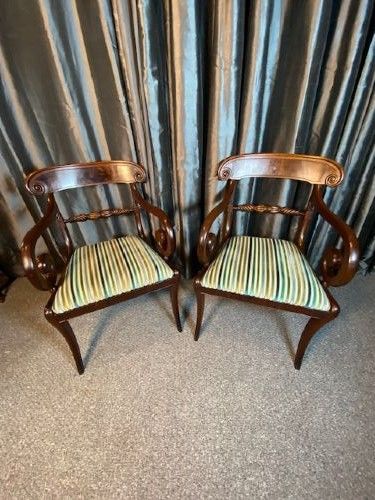
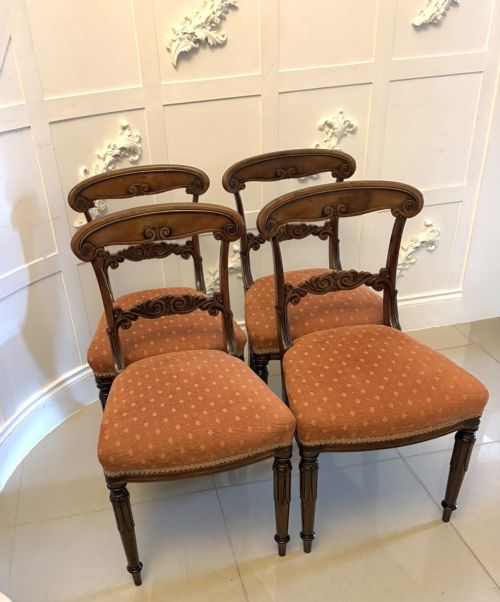
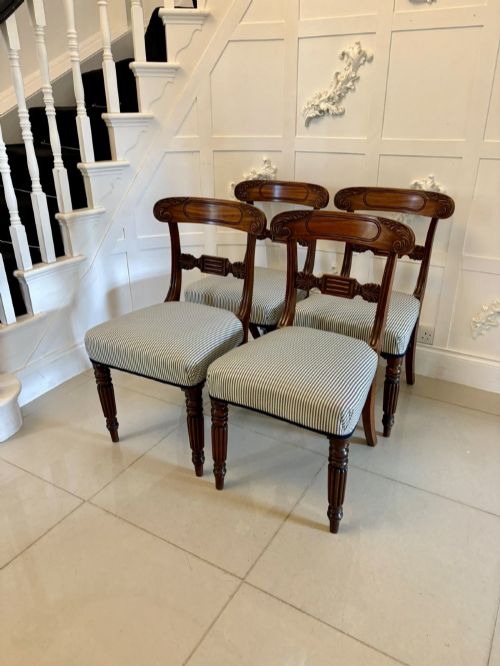
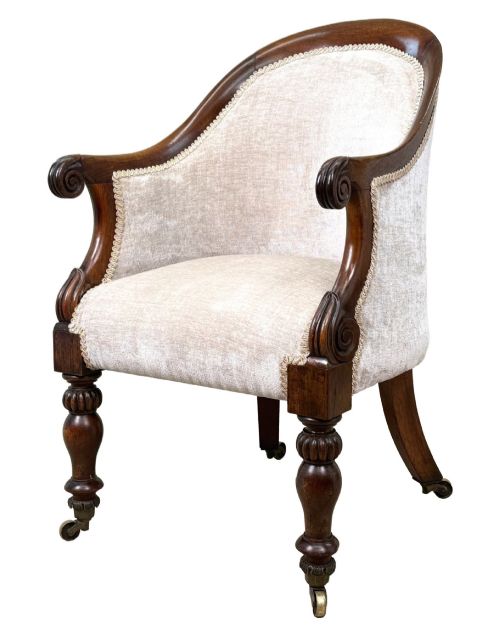

Regency Period Desk Chair
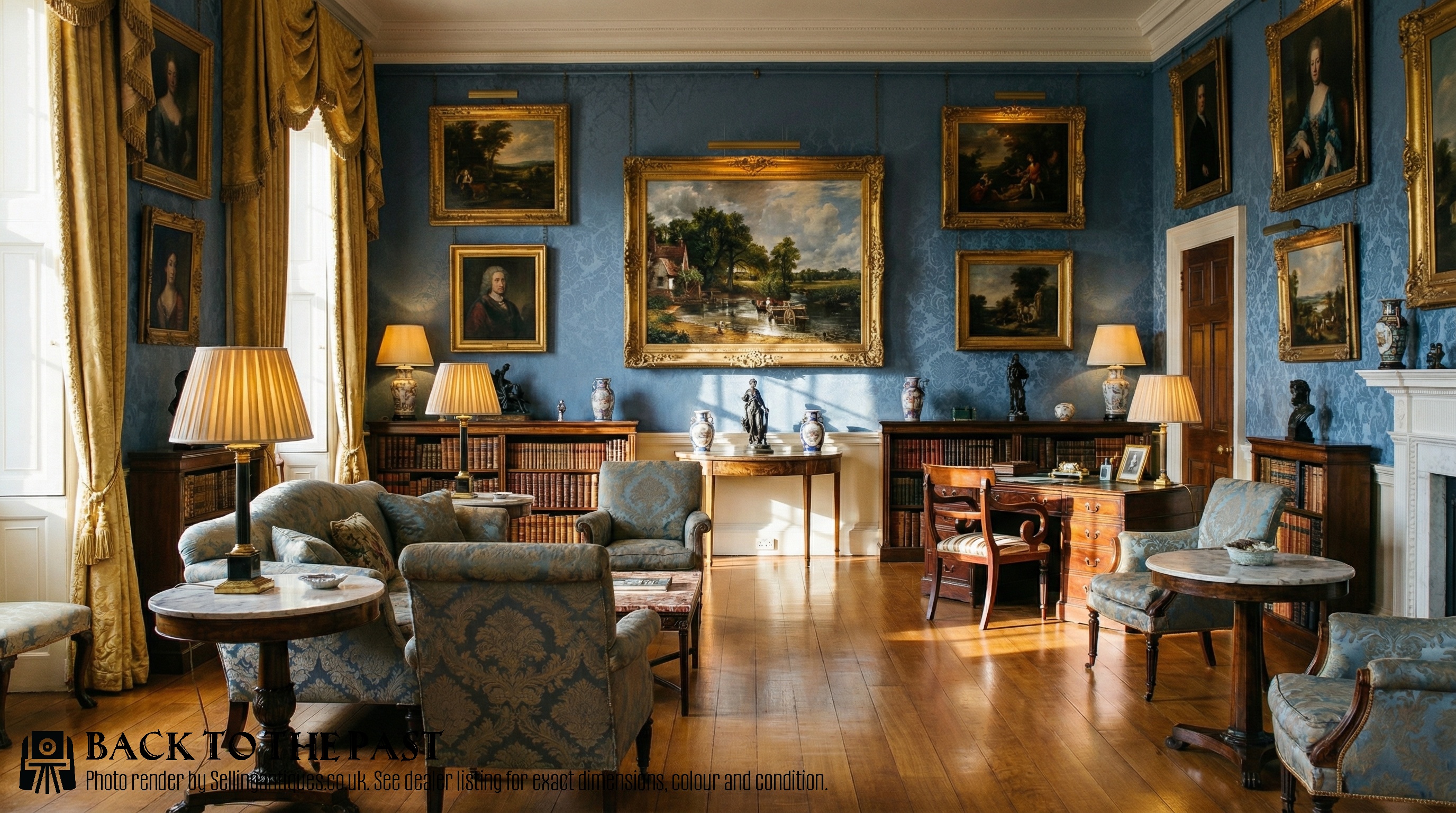
A regency period desk chair brings architectural line and figured timber to a study, built for long hours at the bureau.
Regency Period Desk Chair
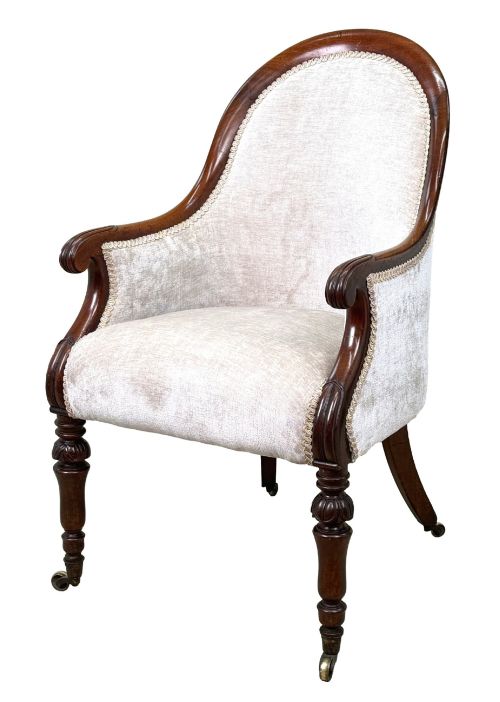
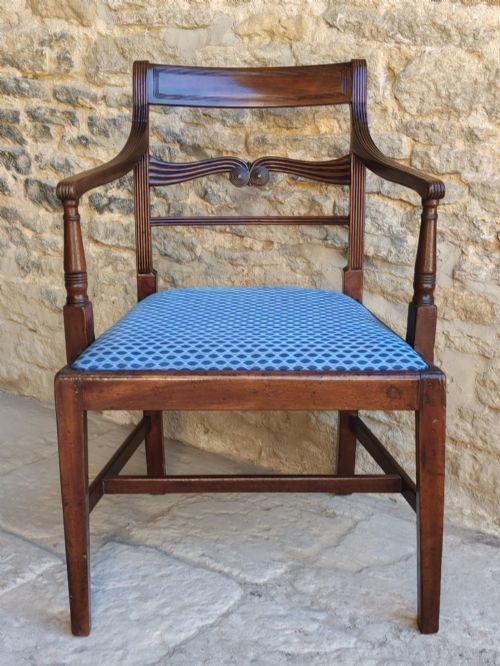
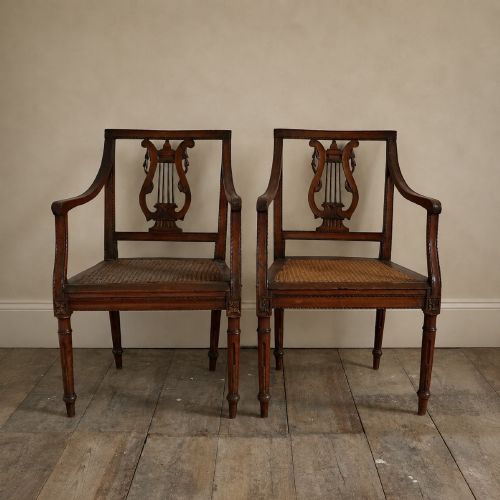
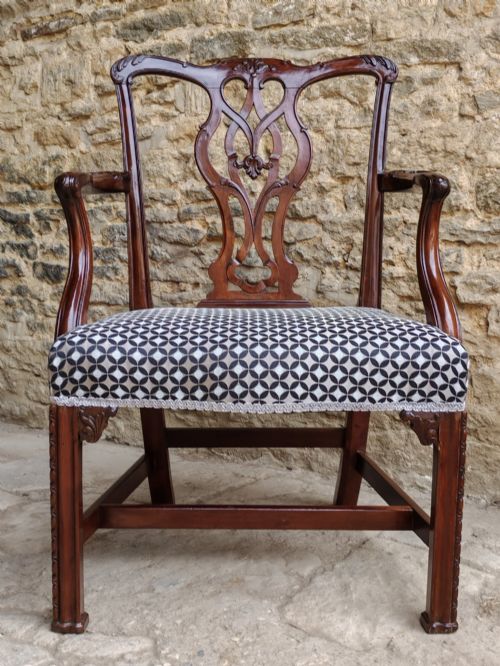
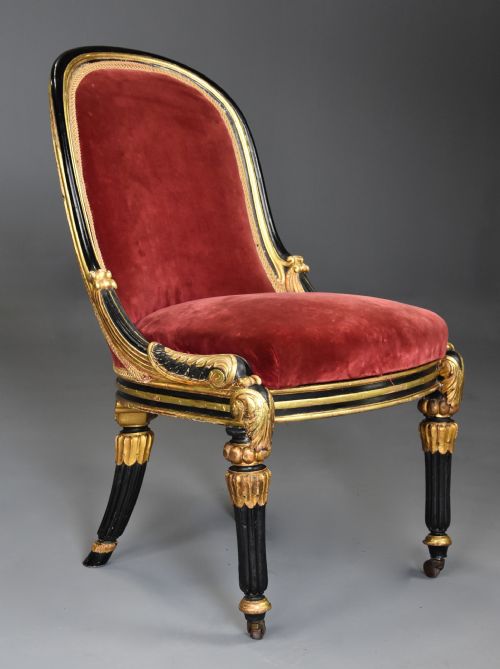
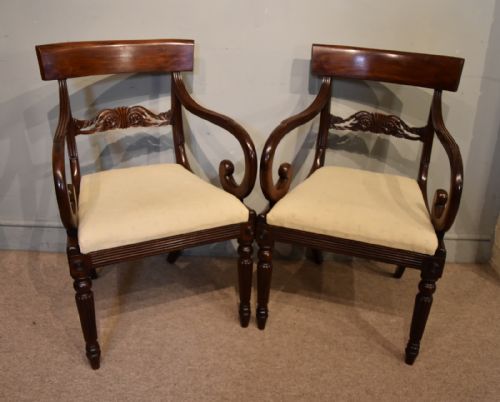
A regency period desk chair combines the sturdy support of a library armchair with the mobility needed at a writing table, often appearing as a tub, carver, or elbow chair. These pieces emerge from the Regency, Georgian, and William IV eras, capturing an era of classical revival and refined domestic comfort.
The form relies on curved backs, scrolling arms, and robust timber frames designed to sit comfortably in a study or library. You will frequently encounter mahogany and rosewood variants alongside occasional examples in beech, fruitwood, and elm.
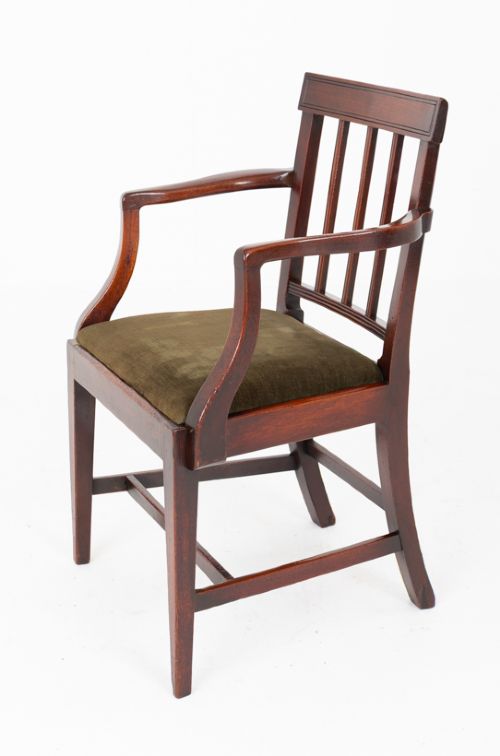
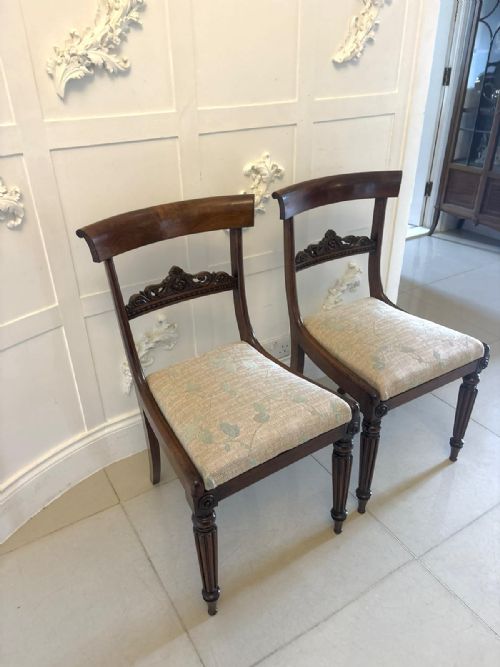
While many serve as dedicated desk or library seats, the broader lineage includes side chairs and dining armchairs adapted for writing purposes. The surviving examples demonstrate how Regency craftsmen interpreted classical forms for practical daily use.
Materials and construction
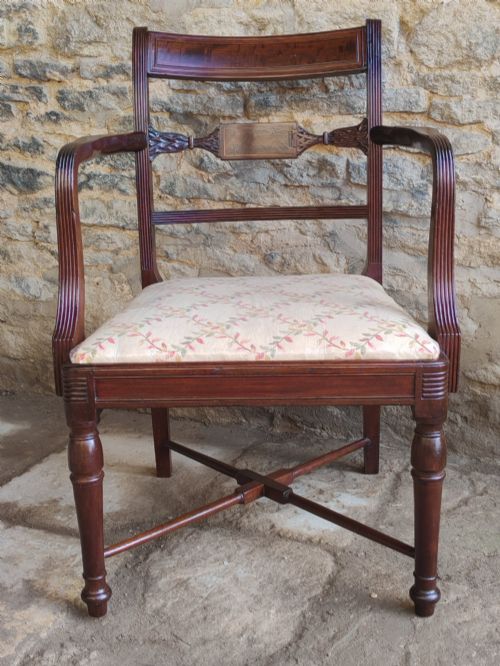
Cabinetmakers relied heavily on solid mahogany and rosewood, selecting dense timbers capable of holding slender curves and intricate carving. Brass inlay, gilding, and ebonising appear across the pieces to accent the dark grain of the wood.
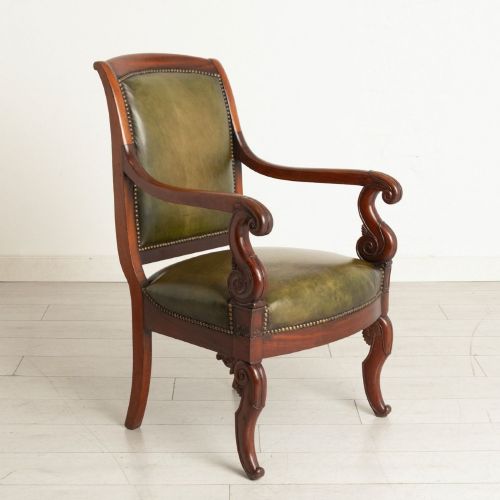
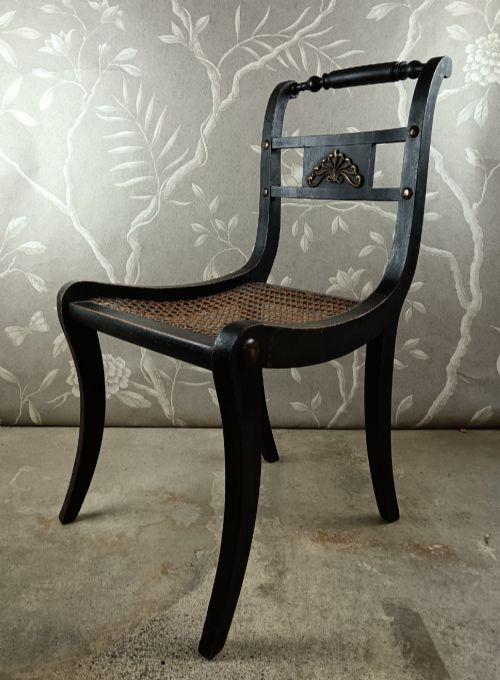
Seating surfaces utilised cane, leather, and velvet, supported by woven webbing or tightly stuffed upholstery fabric. Frames frequently incorporate sabre legs, curved bar backs, and turned supports joined with traditional cabinet joints.
One stubborn master's armchair survived centuries of committee meetings without losing its dignity.
Assessing craftsmanship and finish
The distinction between ordinary and exceptional pieces rests on the choice of timber and the crispness of the carving. Finely figured rosewood and richly grained mahogany indicate a higher grade of commission, matched by precise brass inlay and meticulous joinery.
Proportion and comfort further separate the work, as superior examples balance architectural presence with ergonomic sweep in the arms and back. Original surfaces, whether polished wood, cane, or leather, preserve the integrity of the maker's initial design.
Gillows
The Regency Period Desk Chair Glossary
- Carver chair
- An armchair designed to match a set of dining or study chairs, featuring low arms to fit beneath a table rim.
- Sabre leg
- A concave-tapered leg curving outward in the manner of a cavalry sabre, common in Regency seating.
- Tub armchair
- A chair with a continuous curved back and arms forming a semicircular enclosure for the sitter.
- Bergère
- An enclosed upholstered armchair with wooden framing exposed around the sides and back.
- Bar back
- A horizontal, curved wooden slat forming the central support of an open chair back.
Regency Period Desk Chair: Frequently Asked Questions
How were they used originally?
Gentlemen and scholars utilised them in private studies, libraries, and offices for reading, correspondence, and estate management.
Their sturdy construction and padded seats provided comfort during long periods spent at the desk.
How should I care for leather upholstery?
Maintain the surface by dusting regularly with a soft cloth and applying appropriate leather balms to prevent drying and cracking.
Avoid placing the chair near direct heat sources or strong sunlight to preserve the historical hide.
How do I distinguish Regency from William IV?
Regency pieces tend toward lighter, crisper classical lines with refined brass inlay and slender sabre legs.
William IV examples often display heavier proportions, bolder scrollwork, and denser mahogany frames reflecting a transition into Victorian tastes.