



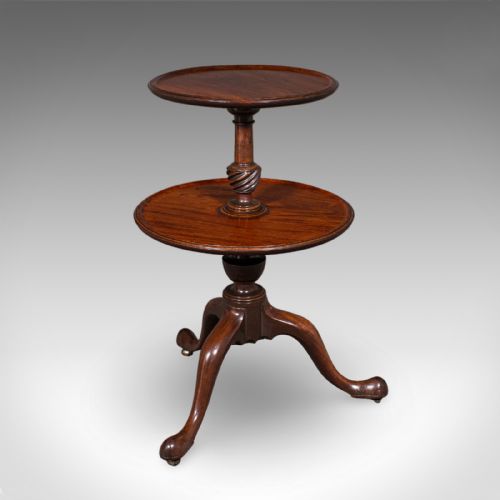

Regency Mahogany Tray
When you search for a regency mahogany tray, you find practical serving pieces and smaller tables designed with raised borders or fitted stands.
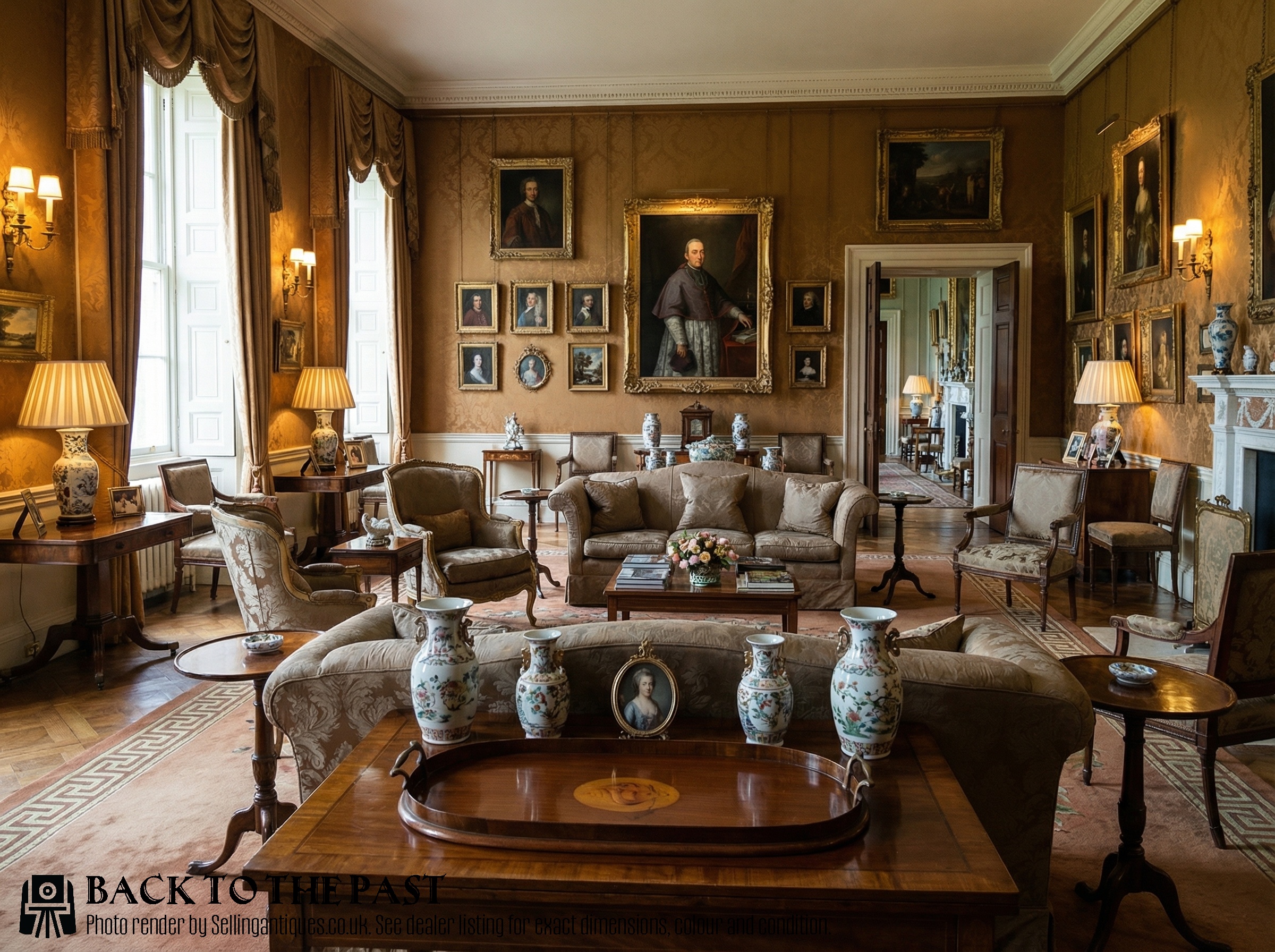
Regency Mahogany Tray
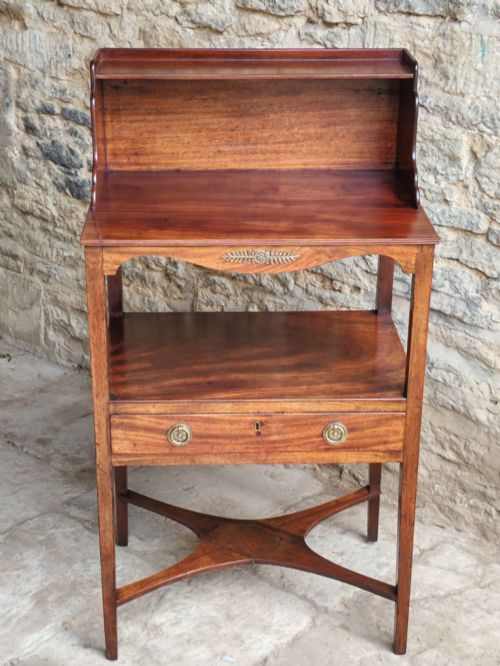
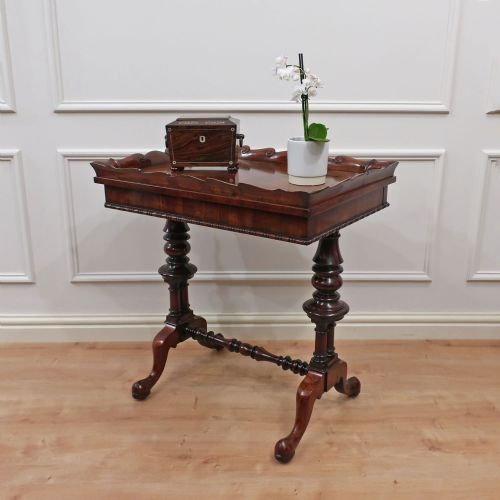
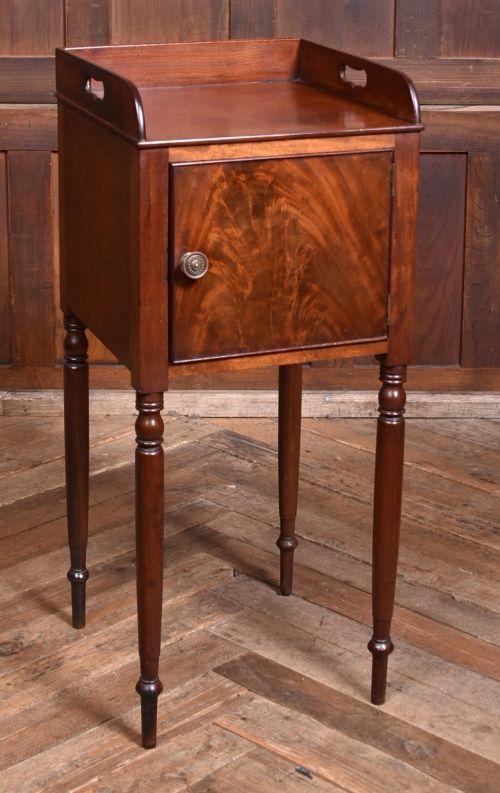
A regency mahogany tray encompasses portable serving surfaces, butler's trays mounted on folding stands, and small bedside or side tables featuring raised tray tops. The items recorded in the evidence span the Regency, Georgian, and William IV periods, alongside later revivals from the twentieth century.
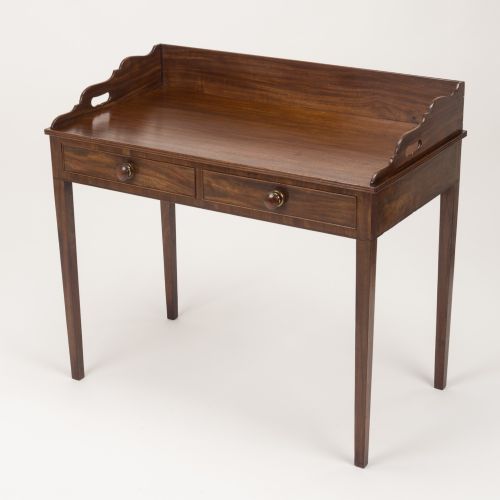
Serving variations include oval and rectangular butler's trays, occasional drinks trays, and book trays, while furniture forms integrate the tray top directly into bedside cabinets, pot cupboards, and writing desks. Buyers will encounter both standalone trays and complete pieces paired with original or later folding stands.
The materials used across these objects combine structural hardwoods with decorative accents, capturing the formal elegance associated with the early nineteenth century and its subsequent revivals.
Materials and construction
Cabinet makers utilised mahogany as the primary timber, specifically noting varieties such as Cuban mahogany and flame mahogany for their rich grain patterns. Secondary decorative touches include contrasting stringing and banding in boxwood and satinwood inlay.
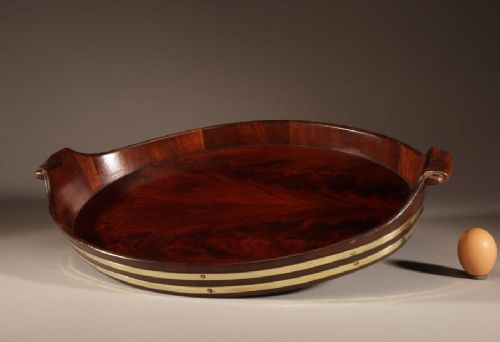
Structural elements frequently incorporate brass fittings, such as carrying handles, hinges on folding stands, and coopered banding on round serving vessels. Joinery techniques support both portable items designed for domestic service and sturdy bedside furniture built to hold heavy items.
Listings feature mahogany alongside brass, boxwood, and satinwood inlay.
Distinctions in quality
The standard of a regency mahogany tray rests upon the choice of timber grain and the crispness of any inlay or carved mouldings. Superior examples display carefully selected flame or Cuban mahogany figures across the primary surface, demonstrating deliberate planning by the maker.
Proportion and structural integrity separate standard utility items from finer works, particularly where stands, handles, and gallery edges meet. Well-executed corner joints and the retention of original brass hardware or matching folding stands elevate the piece.
Gillows·James Mein of Kelso
The Regency Mahogany Tray Glossary
- Butler's tray
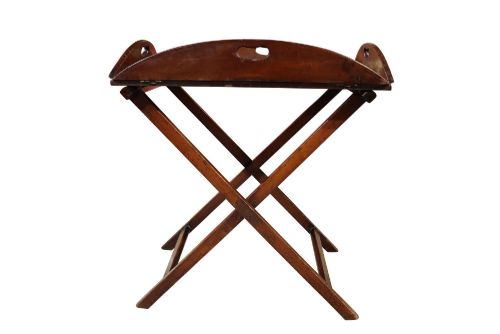
- A deep-sided rectangular serving tray, often fitted with hinged flaps that fold down, designed to rest upon a separate folding stand. These pieces were used for clearing dining tables and serving drinks.
- Tray top
- A raised rim or gallery surrounding the upper surface of a table, cabinet, or desk to prevent items from sliding off. This feature appears on bedside tables and writing desks from the Georgian and Regency eras.
- Coopered
- Constructed from curved wooden staves joined tightly together and bound with metal bands, similar to the method used for making barrels. This technique appears on round serving vessels and wine coasters.
- Galleried
- Having a raised decorative border or railing around the edge of a shelf or tabletop. These galleries are often pierced for handles or turned from solid wood.
Regency Mahogany Tray: Frequently Asked Questions
What is a butler's tray?
A butler's tray is a portable serving tray featuring raised sides, often equipped with cutout handles for carrying dining items. Many examples include hinged flaps that allow the sides to lie flat or lock upright during service.
These trays typically rest on X-frame folding stands, making them easy to store when not in use. They transition readily between practical service and standalone display tables within a home.
How were tray top tables used?
Tray top tables served multiple domestic functions in bedrooms, sitting rooms, and dining areas during the nineteenth century. The raised rim protected delicate glassware, decanters, and tea services from sliding off the surface during movement.
Bedside cabinets and writing tables adopted this format to keep small accessories secure. Today, they function effectively as lamp tables or occasional surfaces in modern interiors.
Are folding stands original?
Many surviving trays retain their original folding wooden stands, while others have been paired with later stands constructed in a matching style. The method of joinery and wood patina help determine if the stand and tray originated together.
Both integrated sets and matched combinations remain common across historical listings. Collectors evaluate the overall proportion and stability of the assembled piece regardless of whether the stand was made alongside the tray.