






Regency Mahogany Planter
A regency mahogany planter brings classic timber warmth and metal detail into a room, serving as both a practical plant holder and a striking period vessel.
Regency Mahogany Planter
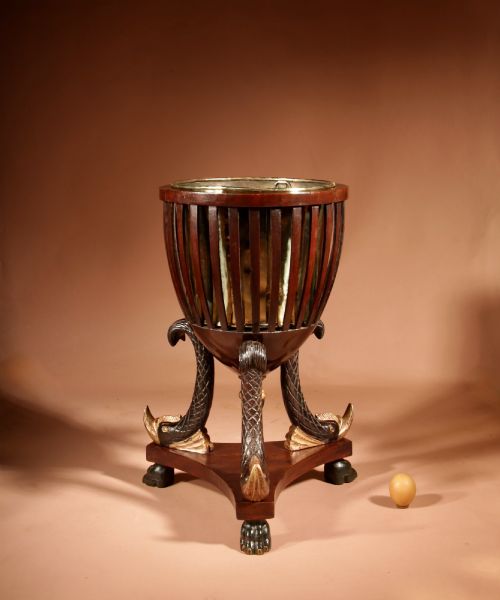
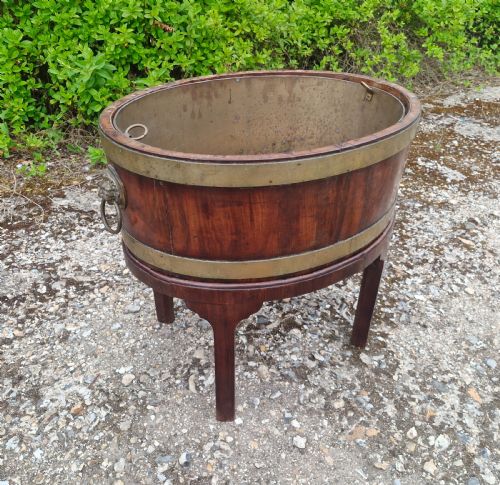
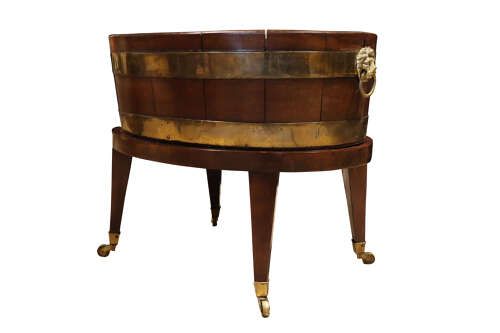
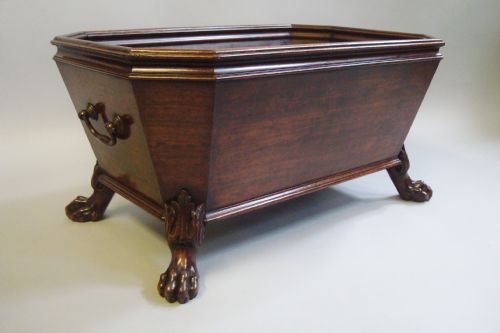
When you search for a regency mahogany planter, you are looking at substantial timber vessels designed to house indoor plants or serve as wine coolers and cellarettes. The forms range from coopered buckets and round tubs to tea stoves and campaign stands created across the nineteenth century.
The version you are most likely to meet on this page is an early nineteenth century mahogany piece, frequently brass bound and styled in the Regency, Georgian, or William IV manner. Makers also drew upon French Empire and Dutch Empire influences to shape these jardinières.
Beyond the standard mahogany constructions, variations include rosewood, walnut, satinwood, and ebonised wood alongside metal liners in zinc. These vessels double as plant stands, torcheres, and peat buckets, reflecting the flexible domestic uses of the period.
How they were made
Cabinet makers built these pieces using solid mahogany and decorative veneers, often employing coopered stave construction similar to barrel making to form rounded bodies. Timber framing was frequently combined with contrasting satinwood or ebonised wood inlays.
Metal components played a critical structural and decorative role, featuring heavy brass binding bands, campaign mounts, and drop handles. Interior waterproof protection was typically provided by fitted zinc or metal liners to contain damp soil and water.
Regency Mahogany Planter Retail Price Guide 2026
Typical asking prices for regency mahogany planter among the pieces listed under this phrase on Sellingantiques today, from the lower quarter to the upper quarter. They describe what is for sale here now, not the wider market.
Some versatile nineteenth-century vessels doubled as knitting baskets and tea stoves alongside their primary duties as plant holders.
What varies in quality
The distinction between ordinary and superior examples lies in the selection of timber grain, the crispness of brass detailing, and the integrity of the coopered construction. Richly figured mahogany paired with substantial, well-fitted brass bands denotes a higher grade of craftsmanship.
Proportion and decorative restraint set finer pieces apart, especially where subtle inlays of satinwood or ebonised wood enhance the silhouette without cluttering the design. The survival of original metal liners and stands further elevates the standing of an individual piece.
The Regency Mahogany Planter Glossary
- Coopered
- Constructed from vertical wooden staves fitted together and held tightly by exterior metal bands, much like a traditional barrel. This technique provided the strength needed for holding heavy wet earth or ice.
- Cellarette
- A lockable container used originally for storing bottles of wine near the dining table, often sharing identical forms and brass-bound timber construction with plant planters.
- Jardiniere
- An ornamental pot or stand designed specifically to hold plants or flowers indoors. These vessels often incorporate metal liners to protect the surrounding woodwork from moisture.
- Torchere
- A tall stand or pedestal originally intended to support a candlestick or lamp, adapted over time to hold decorative plants and urns.
- Padouk
- A dense tropical hardwood with a rich reddish brown tone, utilised in overseas trade pieces such as Regency Anglo Indian furniture.
Regency Mahogany Planter: Frequently Asked Questions
What is a regency mahogany planter?
A regency mahogany planter is a wooden vessel from the nineteenth century, typically bound in brass and lined with metal, designed to hold indoor plants or serve related dining room functions.
These pieces reflect the neoclassical tastes of the period, drawing on Regency, Georgian, and continental design influences to create decorative containers for the home.
How were they used originally?
Many of these vessels served dual purposes as wine coolers, cellarettes, or tea stoves alongside their function as plant holders. Wealthy households utilised them in dining rooms and parlours for entertaining and displaying greenery.
The inclusion of waterproof metal liners allowed damp soil or melting ice for wine bottles to be kept inside the timber frames without causing damage.
How do I care for one?
Living with these pieces involves protecting the polished mahogany surface from direct moisture and using the internal metal liner properly. Regular dusting with a soft cloth preserves the timber's natural grain and patina.
Avoid placing damp pots directly onto unprotected wood surfaces and keep the furniture away from direct heat sources to prevent the mahogany from drying out.
How do I tell periods apart?
Distinguishing between periods relies on examining the joinery, timber selection, and decorative motifs characteristic of Georgian, Regency, and William IV styles. Earlier Georgian pieces tend toward restrained classical lines, while Regency and William IV examples often feature bolder brass mounts and richer rosewood or mahogany veneers.
Later revival pieces from the twentieth century can be identified by more uniform machine timber milling and modern interior fittings compared to nineteenth-century hand construction.