



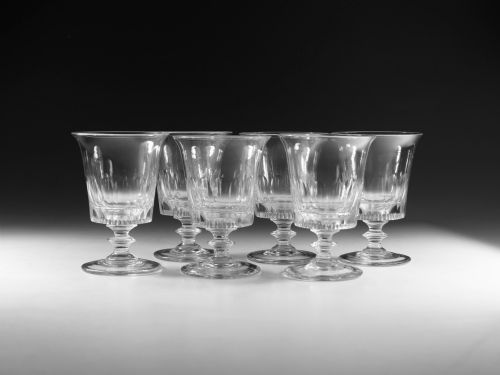


Regency Glass Rummer
A regency glass rummer is a sturdy drinking vessel built for ale, punch or wine, prized for its generous capacity and bright hand-finished lead crystal.
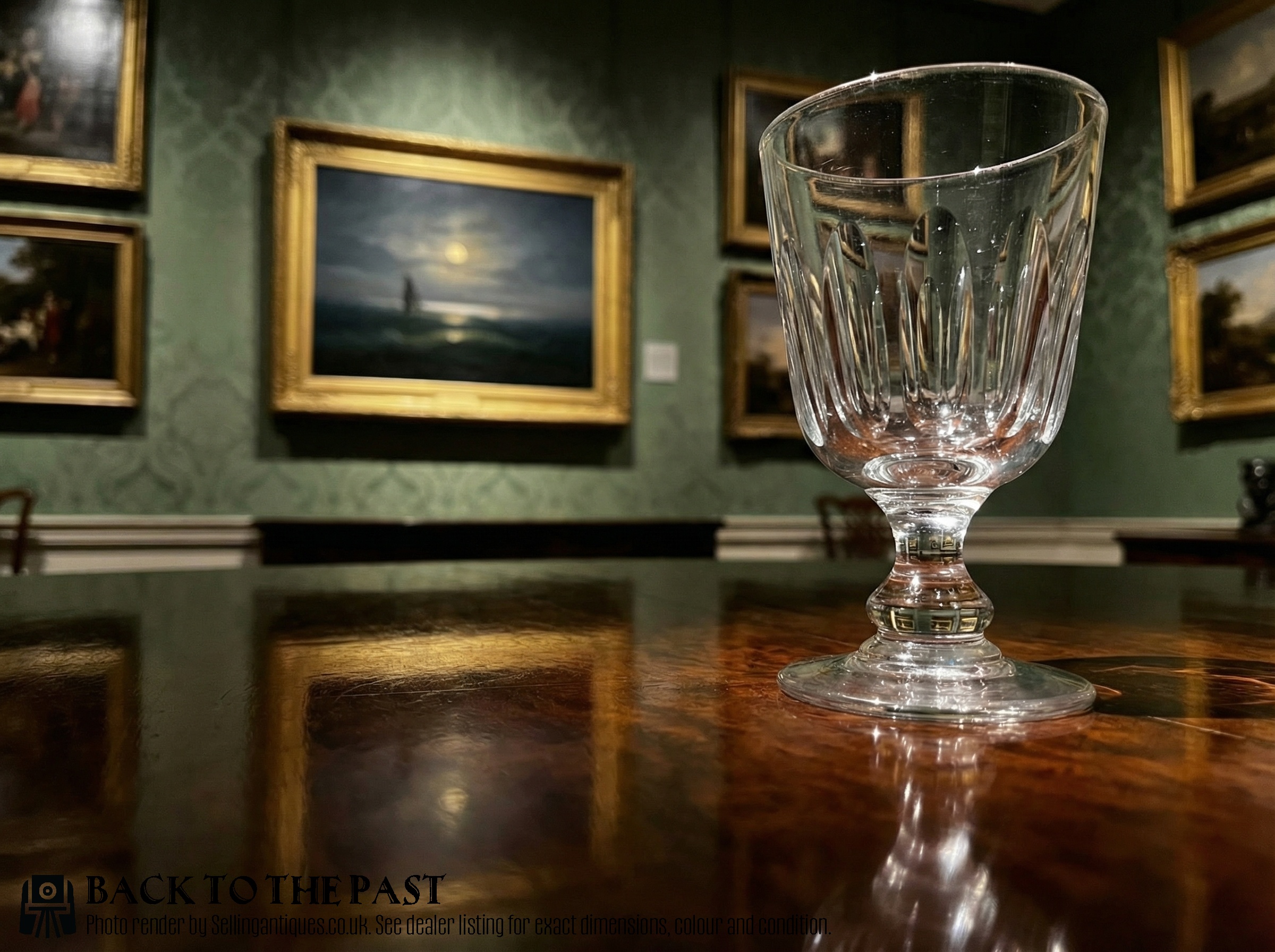
Regency Glass Rummer
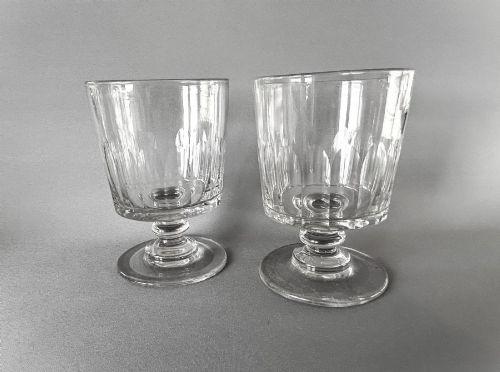
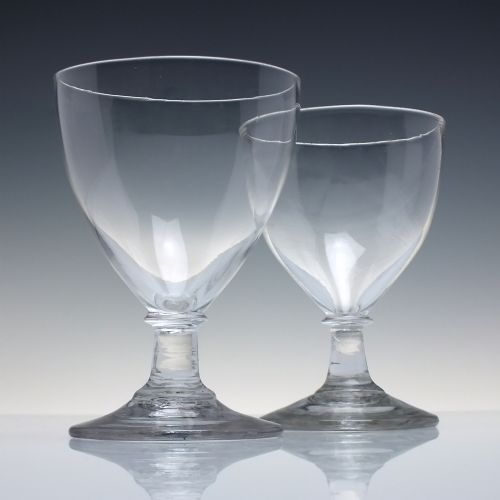
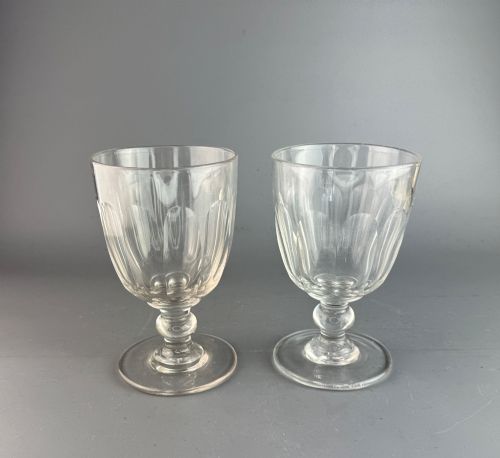
A regency glass rummer is a substantial antique drinkware form designed for robust everyday use during the Georgian and Regency periods. You will regularly encounter bucket, ovoid, and pan bowls sitting atop short stems or heavy square feet.
Most examples date from the early nineteenth century and display clear lead glass formed through traditional blowing and cutting techniques. They serve equally well today as water goblets, wine glasses or decorative cabinet pieces.

Materials and construction
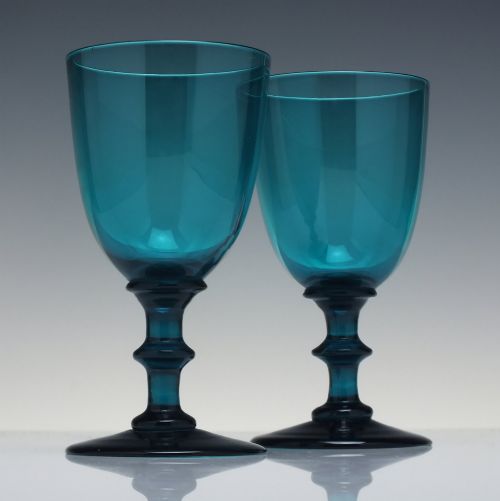
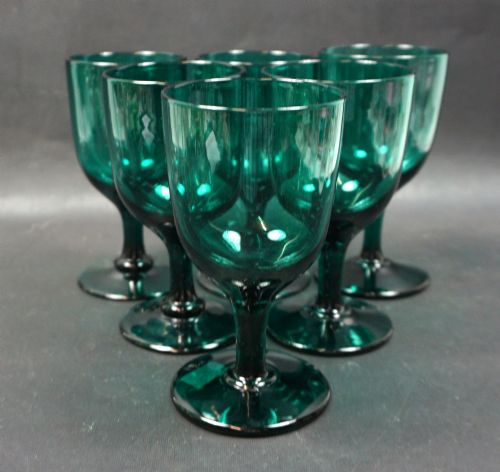
These vessels rely primarily on heavy lead glass, flint glass or clear crystal, which provided the dense clarity necessary for deep wheel cutting and bright light refraction. Artisans also worked with coloured glass, producing striking hues like Bristol green and turquoise.
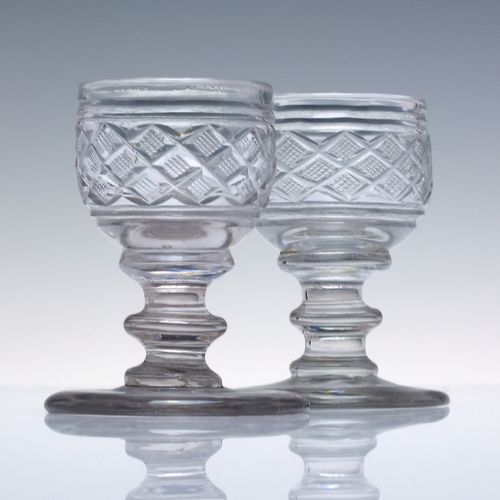
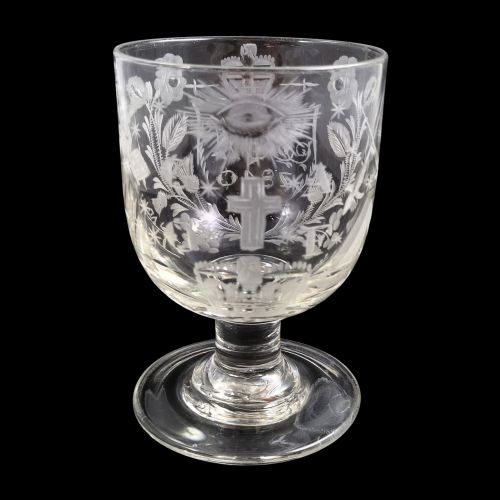
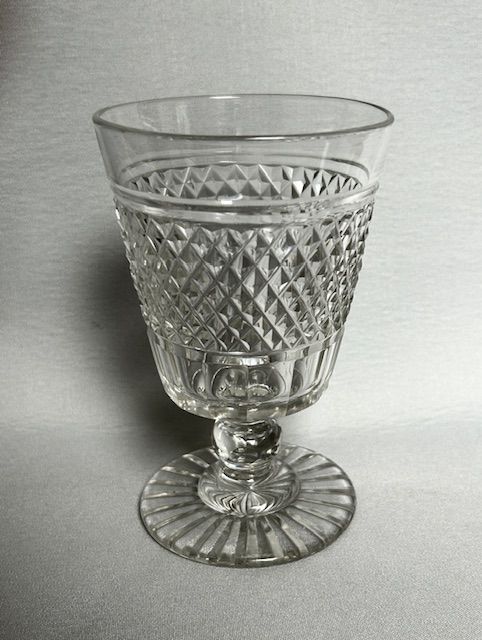
Makers shaped the metal by hand-blowing the glass before applying optical moulds, panel cuts or wheel engravings depicting hops, barley, and armorial crests. Bases were often finished with heavy square lemon squeezer feet or sturdy pedestal feet to anchor the large bowls.
Regency Glass Rummer Retail Price Guide 2026
Typical asking prices for regency glass rummer among the pieces listed under this phrase on Sellingantiques today, from the lower quarter to the upper quarter. They describe what is for sale here now, not the wider market.
Listings feature lead crystal, flint glass, and coloured glass in hues like green and turquoise, shaped into bucket, ovoid, and pan forms.
Distinctions in quality
Quality rests in the crispness of the cutting, the weight of the metal, and the proportion between bowl, stem and foot. Superior pieces exhibit deeply ground facets and finely detailed hand engravings rather than soft, shallow marks.
The clarity and brilliance of the lead glass distinguish finer examples from standard productionware. A well-balanced rummer with a sharp lemon squeezer base and clean rim shows superior craftsmanship.
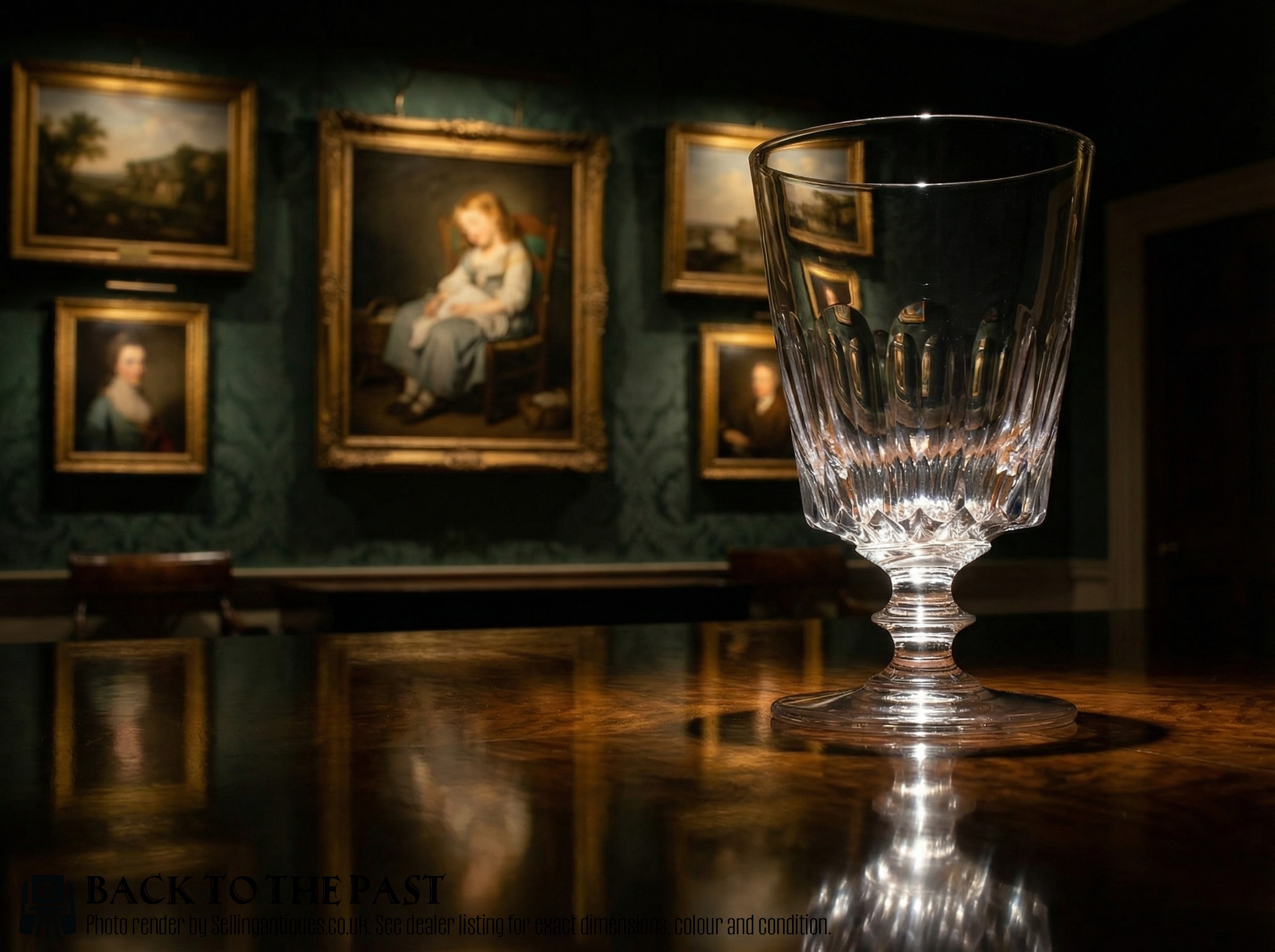
The Regency Glass Rummer Glossary
- Rummer
- A large drinking glass used for ale, punch or wine during the eighteenth and nineteenth centuries. It evolved from heavy tavern glasses into finely cut tableware.
- Lead Glass
- Glass containing lead oxide, which increases brilliance, weight and softness for easier wheel cutting. This material creates the characteristic ring when tapped.
- Lemon Squeezer Foot
- A square, pressed glass base with sloping sides that resembles a nineteenth-century citrus squeezer. It provides exceptional stability for heavy bowls.
- Pan Cut
- A decorative technique featuring wide, flat vertical facets ground into the side of a glass bowl. This style creates bold geometric reflections.
- Flint Glass
- A brilliant variety of clear glass historically used for high-end tablewares and optical lenses. It is synonymous with quality lead crystal.
Regency Glass Rummer: Frequently Asked Questions
What were regency glass rummers used for?
These vessels were primarily used for drinking ale, cider, punch and heavy wines in homes and taverns. Their large capacity made them practical for communal or hearty toasts.
Over time, they transitioned from robust tavern ware to refined dining table accessories. Today, collectors often utilise them as water goblets or display them on sideboards.
How do I date a regency glass rummer?
Dating relies on examining the form, foot style, and cutting techniques used across the piece. Early nineteenth-century examples frequently feature thick lead metal, pontil marks underneath, and square lemon squeezer bases.
Engraved motifs like hops and barley also point toward the Georgian and Regency eras. Comparing the bowl shape and facet patterns helps narrow the manufacturing period.
Are these glasses safe to use today?
Most antique rummers remain structurally sound for gentle use, provided they are handled with care. Hand washing in warm water preserves the historic lead glass and delicate engravings.
Avoid extreme temperature changes to prevent thermal shock in old glass. Many buyers enjoy using them for special toasts just as their original owners did.