


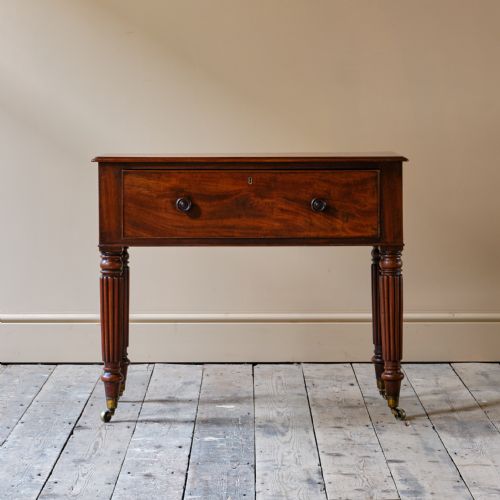


Regency Fluted Leg Table
A regency fluted leg table brings classical proportion and refined timber to a room, offering both versatile surface space and distinct period character.
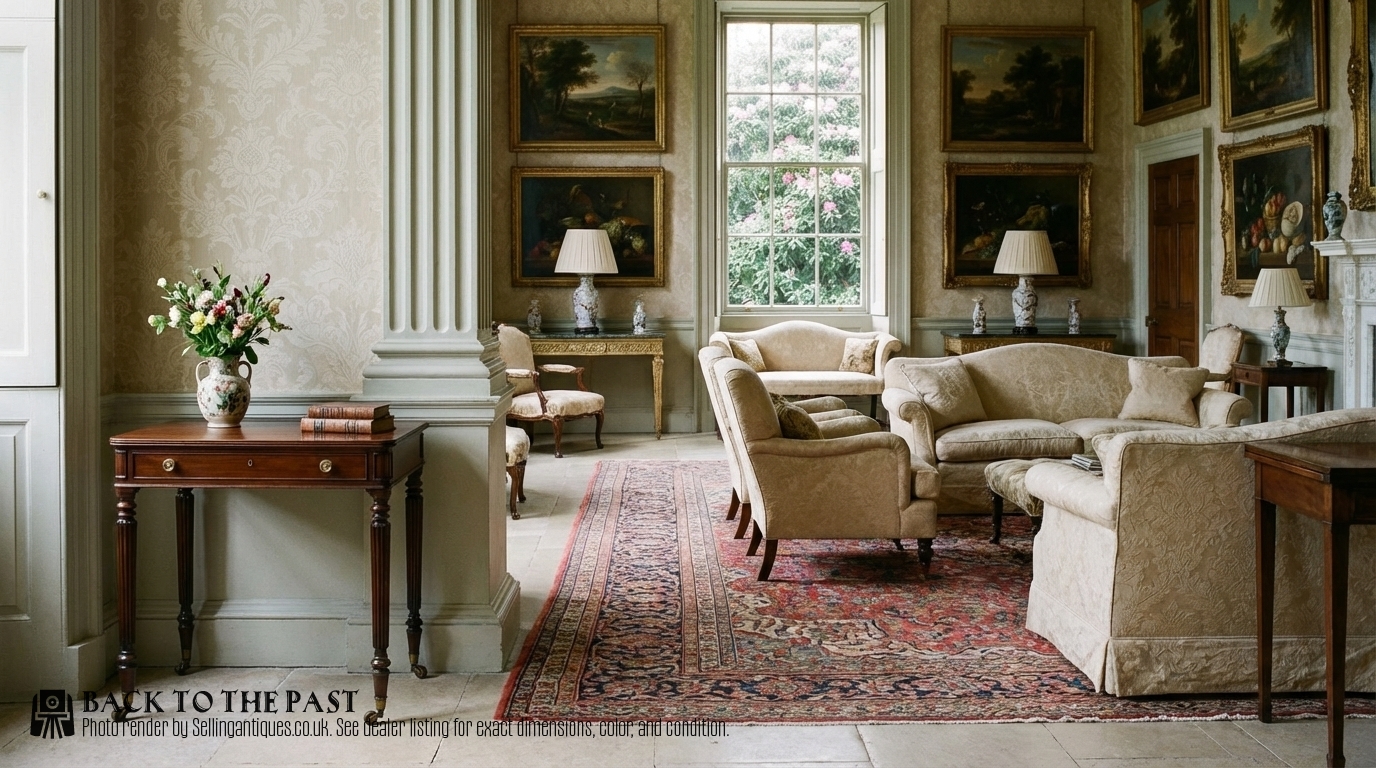
Regency Fluted Leg Table
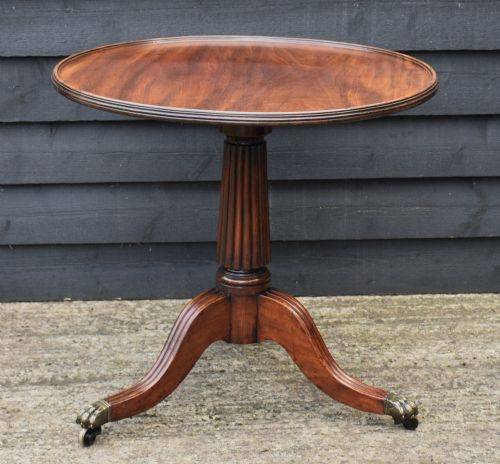
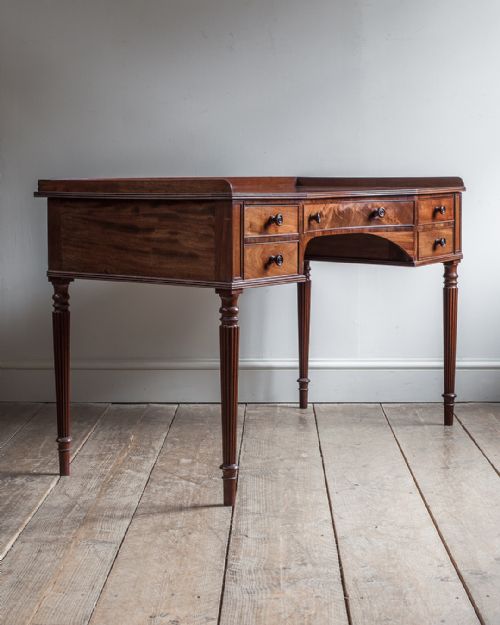
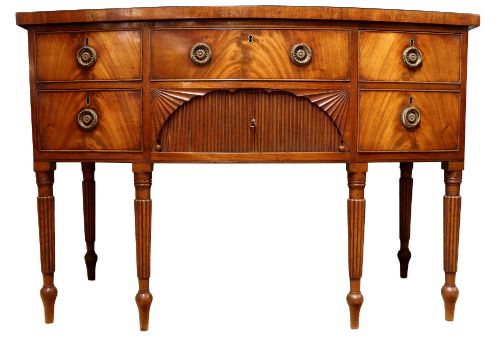
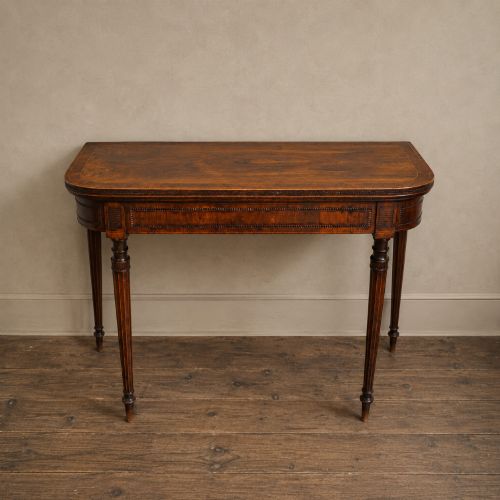
When you search for a regency fluted leg table, you are looking at formal dining tables, card tables, console tables, and serving tables that display characteristic linear carving upon their upright supports. The pieces available span the Regency period itself as well as later revivals, and they are typically constructed from dense tropical hardwoods. These items served functional roles in domestic interiors, from dining rooms to libraries and drawing rooms.
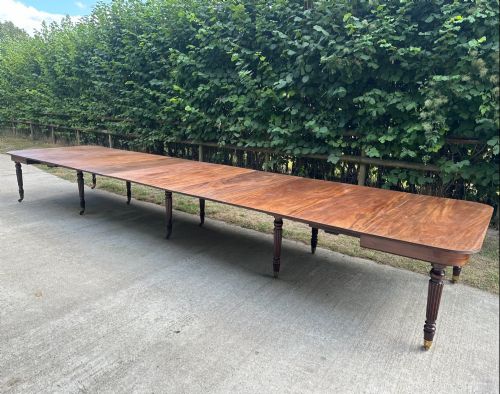
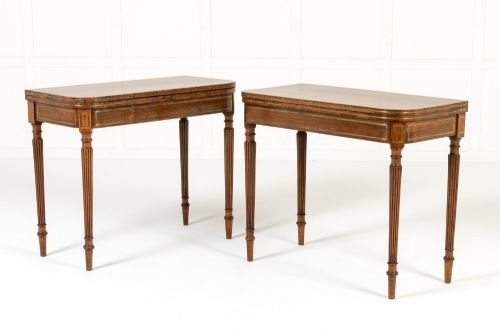
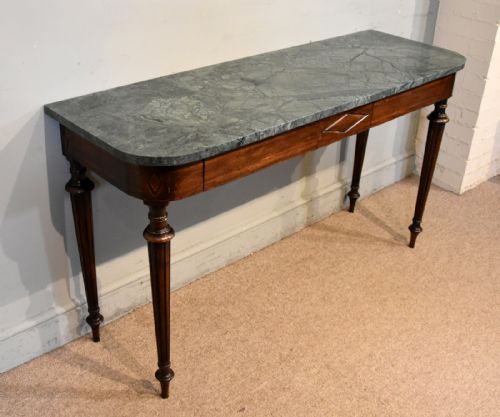
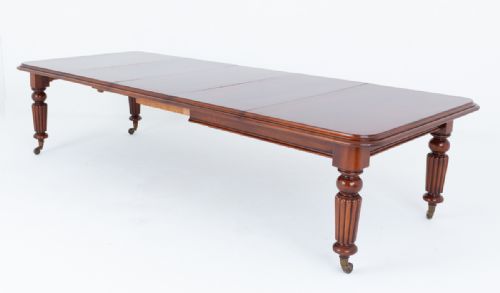
The most common form you will meet on this page is the mahogany dining table or card table, often featuring turned or tapered supports decorated with vertical channels. Alongside these dining and games tables, occasional console and serving tables appear, demonstrating the same decorative turning. The selection bridges authentic early nineteenth century craftsmanship and later twentieth century interpretations.
Makers and workshops of the period applied these fluted motifs to various domestic forms to echo classical architecture. Whether configured as a foldover games table or a multi-leaf dining extension, the emphasis remains on clean architectural lines and figured timber surfaces. Buyers encounter these tables in both untouched original condition and restored states across different regional English workshops.
Factors of craftsmanship and material grade
Quality in these tables is determined by the selection of the timber and the crispness of the hand-carved fluting on the legs. Superior examples utilise dense, highly figured mahogany or rosewood with precise joinery that allows leaves and folding tops to operate smoothly. Lesser pieces may display softer timber selection, simpler secondary woods, or mechanical wear in extending mechanisms and hinges.
The fidelity of the neoclassical design and the integration of secondary elements like brass castors or leather inserts further separate the standard from the exceptional. Workshops known for documented output demonstrate sharper chisel work and tighter tolerances in their framing. Over time, honest patina and original surface finishes preserve the integrity of the piece far better than heavy modern interventions.
One dining table here seats up to fourteen people, ensuring nobody ever has to sit on an upturned mahogany planter.
Gillows·Gillow Lancaster
The Regency Fluted Leg Table Glossary
- Fluted leg
- A vertical grooved carving decorating a column or table support. This classical detail draws inspiration from ancient Greek and Roman architecture.
- Crossbanding
- A narrow strip of veneer laid across the grain of the primary surface. It provides a contrasting border around table tops and card table margins.
- Fold over
- A table top hinged to open and double the available surface area. This mechanism is frequently found on card and games tables from the period.
- Flame mahogany
- A veneer cut from timber where the branch meets the trunk, creating a fiery, undulating pattern. It was prized for principal surfaces on fine case furniture.
- Console table
- A wall-mounted or freestanding table designed to sit against a vertical surface. They often feature decorative legs at the front and simpler brackets at the rear.
Regency Fluted Leg Table: Frequently Asked Questions
How do I identify a genuine period table?
Examine the timber species, construction joints, and tool marks beneath the surface. Hand-cut dovetails and shrinkage cracks in secondary woods indicate age.
Compare the proportions and decorative carving against documented examples from the early nineteenth century. Hardware such as original brass castors also helps confirm authenticity.
How were card tables used originally?
Card tables served as multi-functional furniture in drawing rooms and parlours. They stood against walls when closed, displaying veneered tops and decorative legs.
When guests arrived, the hinged top unfolded to reveal a baize-lined surface for whist, chess, or other social games before being closed again after use.
Can I use an extending dining table daily?
Extending dining tables function well for everyday use provided the runners and leaf mechanisms receive gentle handling. Regular maintenance of the solid timber and polish prevents surface drying.
Use coasters and heat mats to protect the antique polish from moisture and temperature marks during meals.
What is the difference between Regency and William IV?
Regency pieces generally display refined neoclassical lines, slender proportions, and delicate reeded or fluted supports inspired by Greek antiquities. The aesthetic prioritizes restraint and elegance.
William IV furniture, emerging slightly later, tends toward heavier proportions, robust scrolling brackets, and massive pedestal bases while retaining classical motifs.