




Regency Ceramic Vases
Regency ceramic vases combine classical forms with rich hand-painted decoration, offering striking focal points for interior spaces.
Regency Ceramic Vases
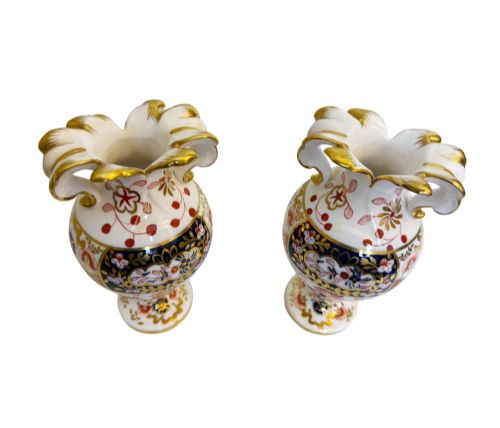
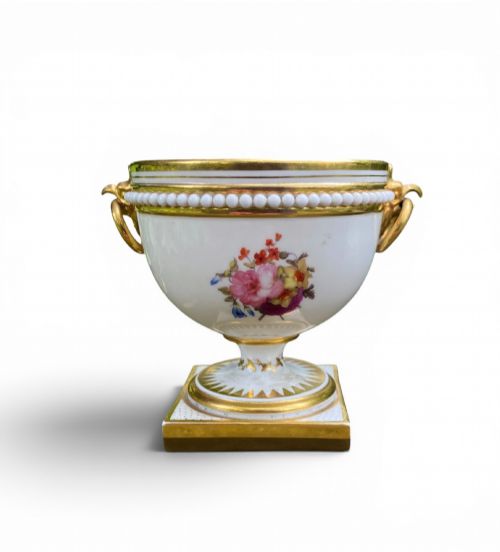
Regency ceramic vases comprise a diverse group of ornamental vessels spanning the late Georgian period, the Regency era itself, and subsequent nineteenth-century revivals. The selection includes campagna urns, bough pots, potpourris, jardinieres, and spill vases produced by prominent English factories.
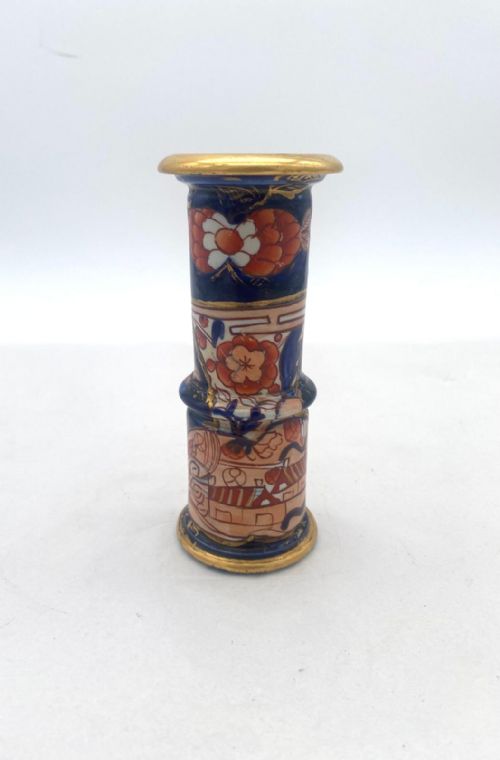
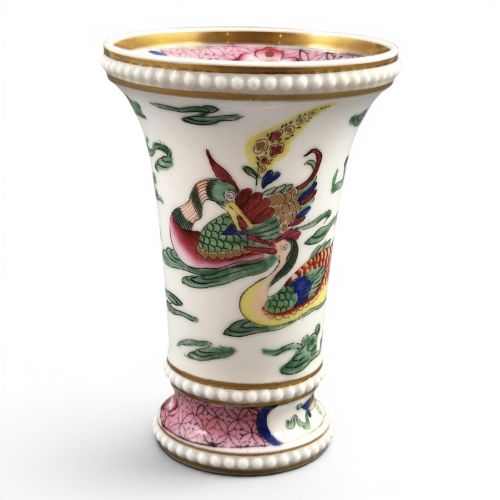
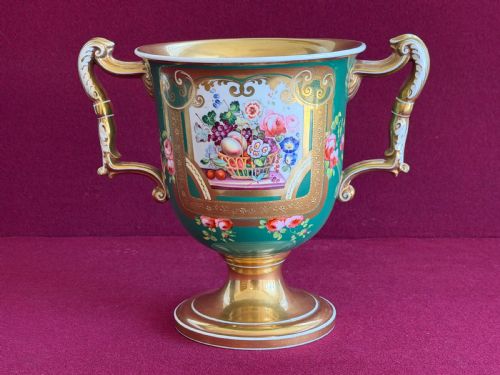
Most pieces date from the early decades of the nineteenth century, reflecting neoclassical tastes alongside Chinoiserie and Imari decorative schemes. Buyers frequently encounter two-handled porcelain urns and ironstone display pieces intended for prominent placement in country house interiors.
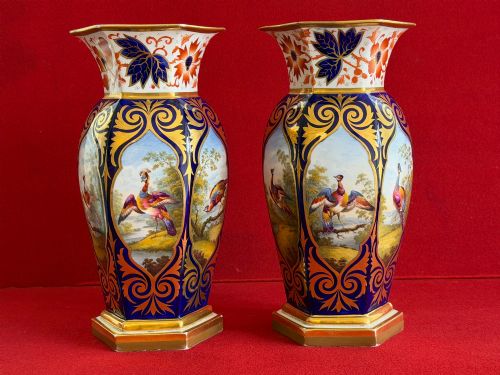
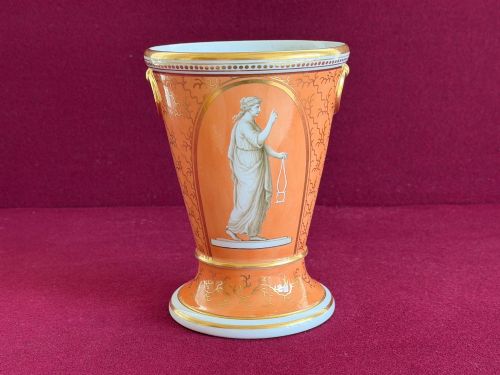
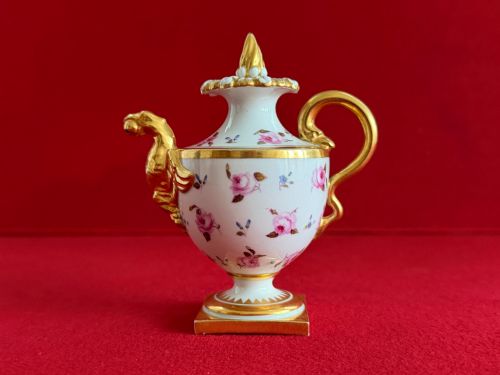
Forms range from intimate mantelpiece spill vases to large, impressive hall vases and matched garnitures. Many examples integrate hand-painted botanical motifs, exotic birds, or gilt highlights upon white, blue, or pink grounds.
Materials and construction
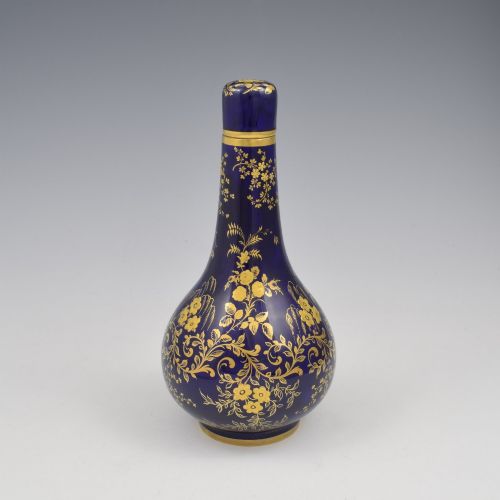
Makers utilised fine porcelain, heavy ironstone, and pearlware, shaping them into classical urns, bottle vases, and architectural spill pieces. These bodies provided a stable ground for complex decorative programs that often included relief moulding and turned pedestal bases.
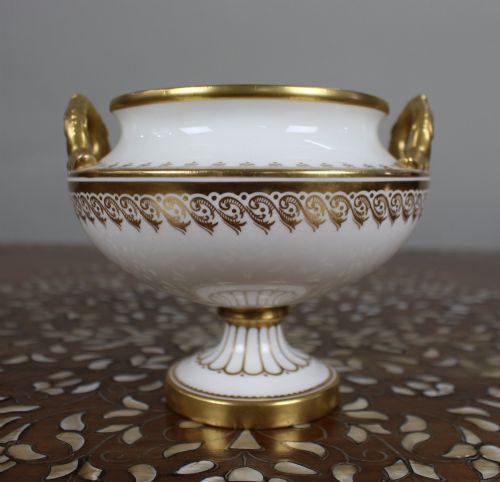
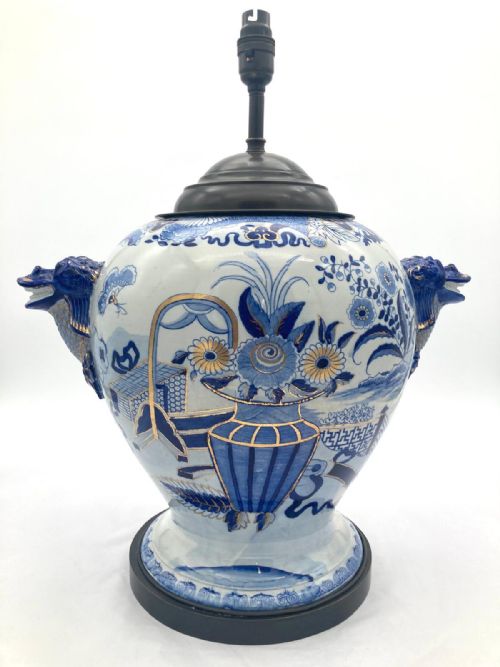
Surface ornamentation relied on hand-painting, transfer printing, enamel colours, and applied gold leaf or gilding. Skilled artisans added intricate motifs, ranging from oriental landscapes to botanical studies, before firing the ceramic bodies to set the glaze.
Listings feature porcelain, ironstone, and pearlware across the nineteenth century, including Georgian and Regency periods.
Distinctions in quality
Quality rests upon the precision of the ceramic throwing, the crispness of the moulded relief details, and the artistry of the hand-painted decoration. Superior pieces display finely detailed brushwork, rich and consistent gilding, and well-balanced proportions that mirror classical antiquity.
The reputation of the manufactory also influences standing, with established names commanding attention for body purity and technical ambition. Rarity of shape, such as uncommon potpourri configurations or specialised sprinkler designs, elevates the stature of an individual piece.
Flight, Barr and Barr·Spode·Mason's Ironstone·Chamberlain Worcester·Hicks and Meigh·H & R Daniel·Minton·Coalport
The Regency Ceramic Vases Glossary
- Campagna urn
- A bell-shaped vessel with a flaring rim and pedestal foot, derived from ancient Roman marble excavations. This form served as a primary template for nineteenth-century display urns.
- Jardinere
- A large ornamental pot or container designed to hold growing plants or flower arrangements. These vessels frequently feature twin handles and robust ironstone or porcelain construction.
- Gilding
- The application of gold leaf or powdered gold suspended in a medium onto ceramic surfaces. This technique added metallic brilliance to rims, handles, and painted borders.
- Spill vase
- A small, upright container placed near a fireplace to hold wooden spills used for lighting candles or fires. They often take whimsical or architectural forms, including bridge and turret designs.
- Potpourri
- A perforated vessel designed to hold dried flower petals and spices for scenting rooms. Covers typically feature pierced patterns to release fragrance while concealing the contents.
Regency Ceramic Vases: Frequently Asked Questions
What were regency ceramic vases used for?
These vessels served primarily as decorative ornaments for mantelpieces, side tables, and entrance halls within prosperous homes. Some forms, such as potpourris and bough pots, held fragrant materials or cut flowers to refresh interior spaces.
Larger urns and garnitures were displayed in pairs or sets to create symmetrical focal points in formal rooms. Certain utilitarian forms, like spill vases, provided practical service near hearths before later conversion into decorative lamps.
How do I identify a regency period vase?
Identification relies on examining the classical neoclassical forms, such as campagna shapes and twin-handled urns, alongside characteristic decorative motifs like Chinoiserie scenes and Imari patterns. The presence of early nineteenth-century porcelain bodies, ironstone compositions, and pearlware helps establish the timeframe.
Maker marks, factory patterns, and stylistic traits typical of English manufactories active between eighteen hundred and eighteen thirty provide further confirmation of period origin. Variations in glaze texture and hand-painted application techniques also point toward early nineteenth-century production methods.
Were these vases made for display only?
While many substantial urns and garnitures existed purely for visual embellishment, several forms accommodated contents such as flowers, potpourri mixtures, or wooden spills. Jardinieres and bough pots actively housed botanical displays for country house interiors.
Even decorative vessels with specialised functions functioned simultaneously as status symbols, demonstrating the wealth and refined taste of the owner through costly materials and artistic painting.
How do I care for antique porcelain and ironstone?
Antique ceramics require gentle handling, keeping them away from direct sunlight to preserve the stability of hand-painted enamels and gilding. Dusting with a soft, dry cloth maintains the surface without risking abrasion to delicate glaze layers.
Display surfaces should remain stable and secure to prevent accidental knocks, particularly for tall pieces or those with narrow pedestal feet. If used to hold water for flowers, liners should be employed to protect historic ceramic bodies from moisture damage.