

Regency Bureau Cabinet
A regency bureau cabinet combines writing facilities with enclosed storage, offering timeless utility through fitted drawers, drop fronts and glazed upper shelving.
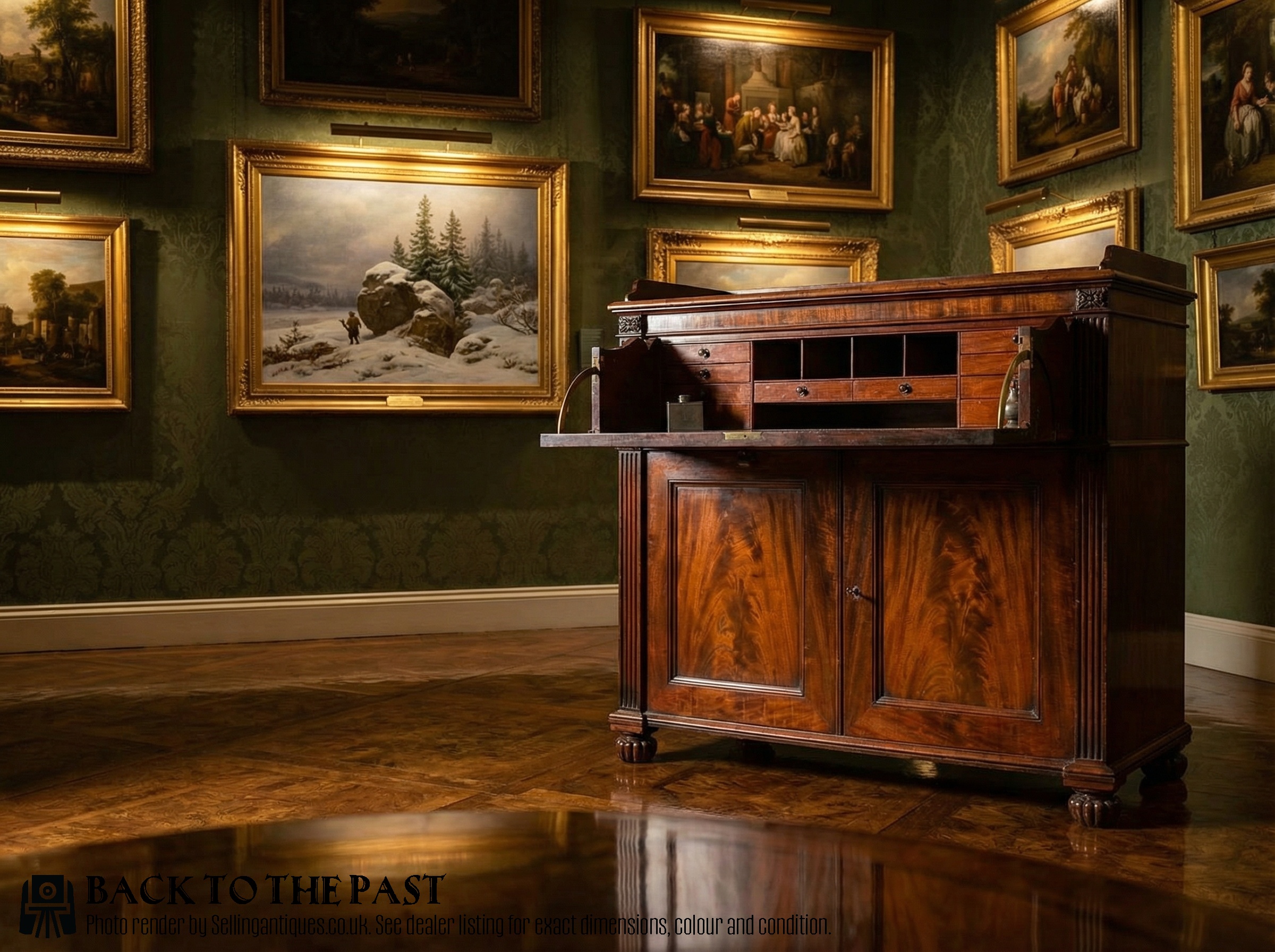
Regency Bureau Cabinet
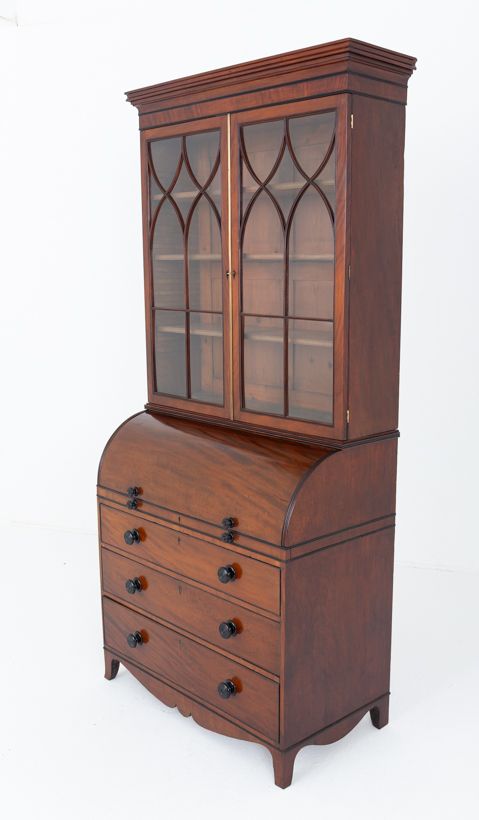
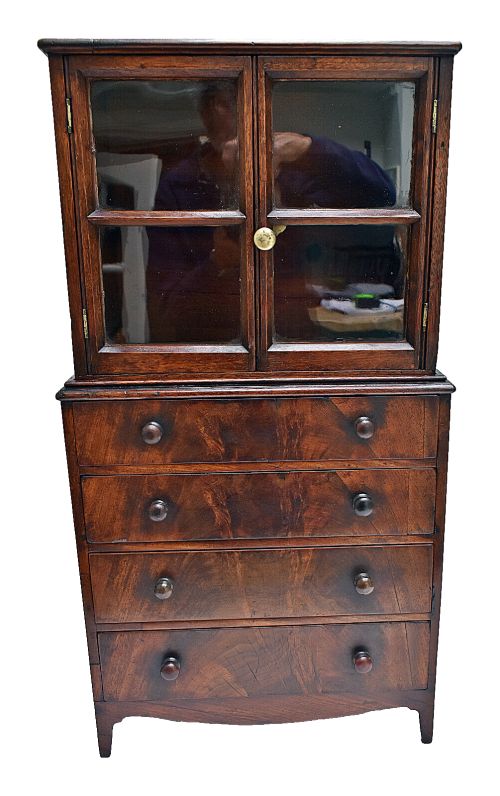
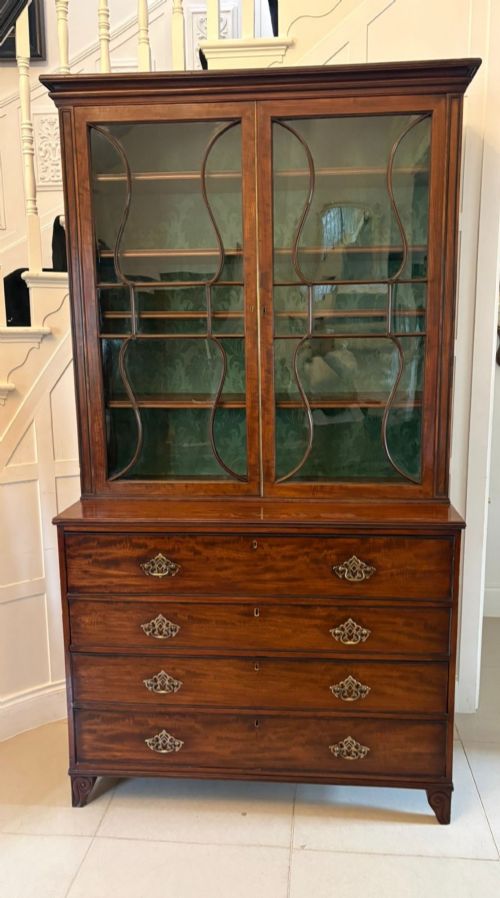
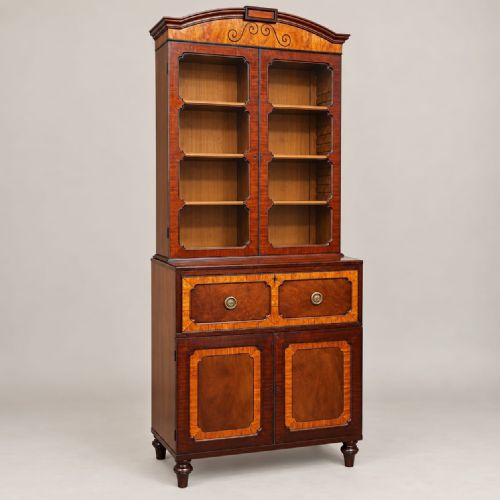
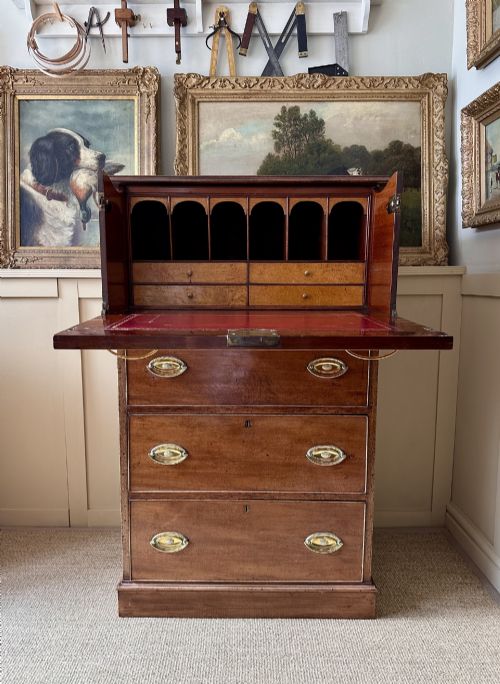
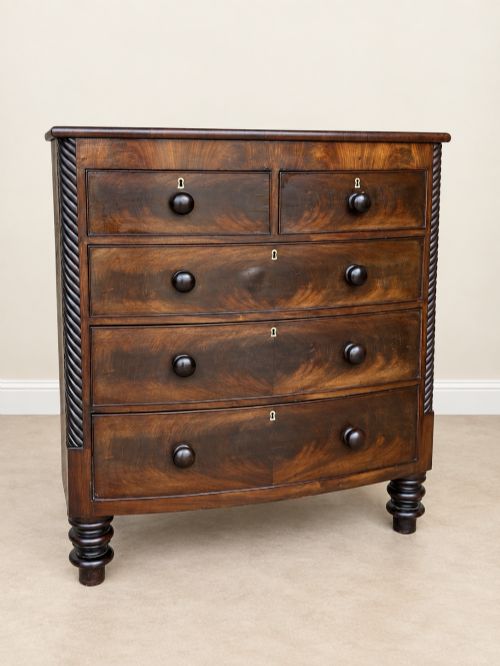
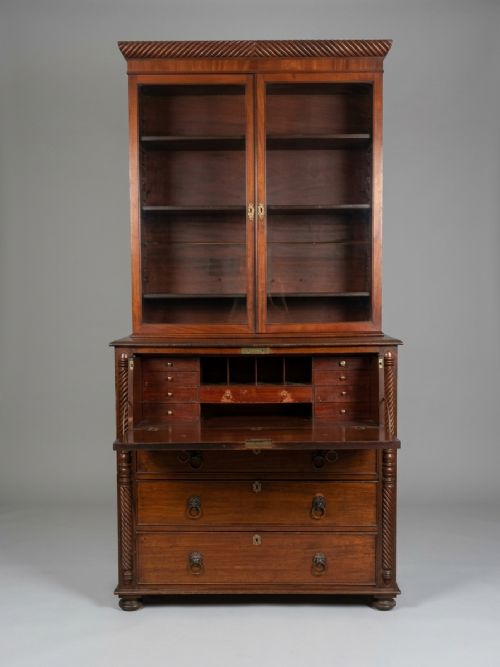
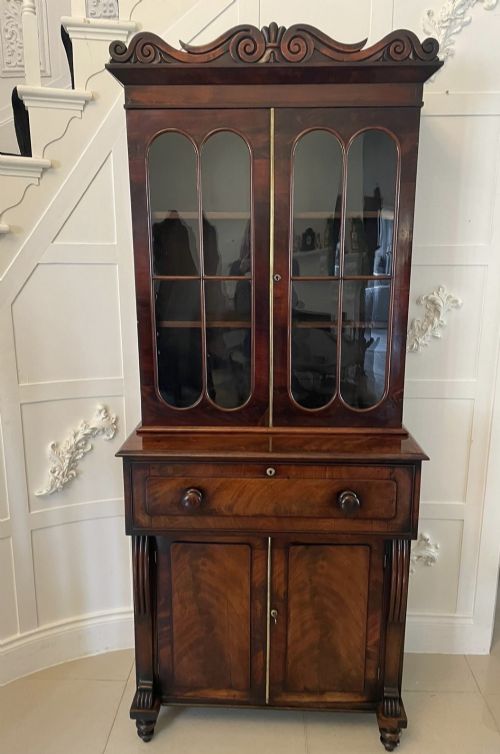
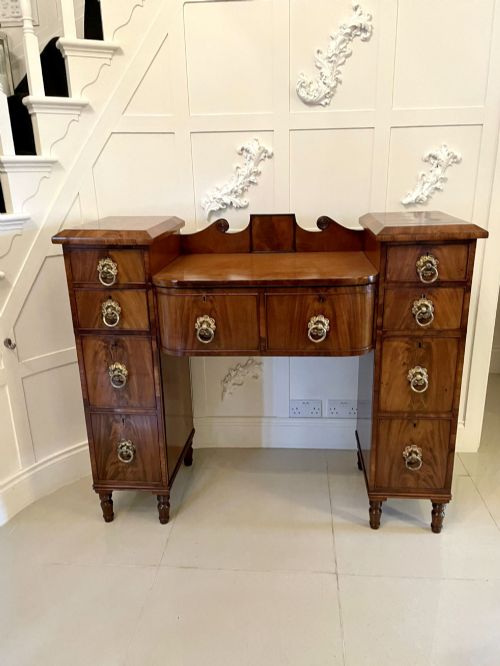
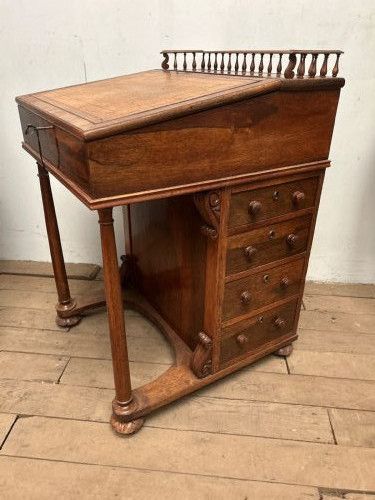
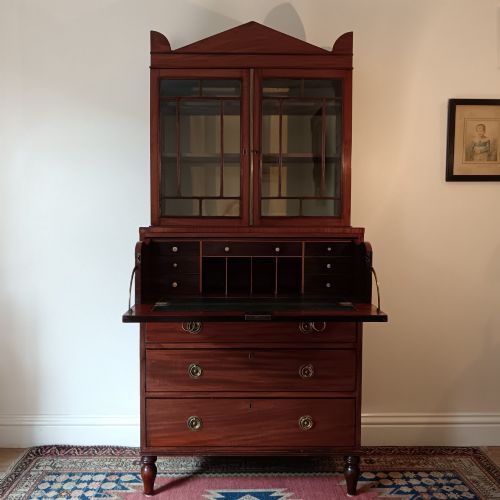
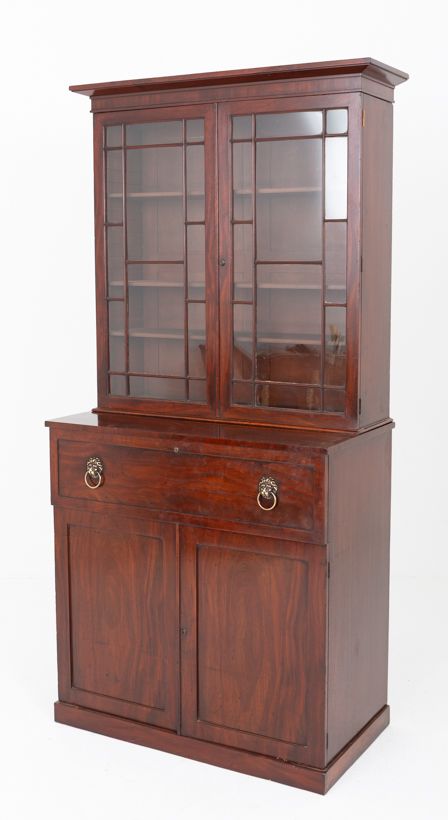
When buyers search for a regency bureau cabinet, they encounter a range of writing furniture encompassing secretaire bookcases, Davenport desks, and escritoires. Most examples span the nineteenth century, including Georgian, Regency, William IV, and George IV periods, often taking the form of tall bookcases with fold-down writing drawers or compact writing desks.
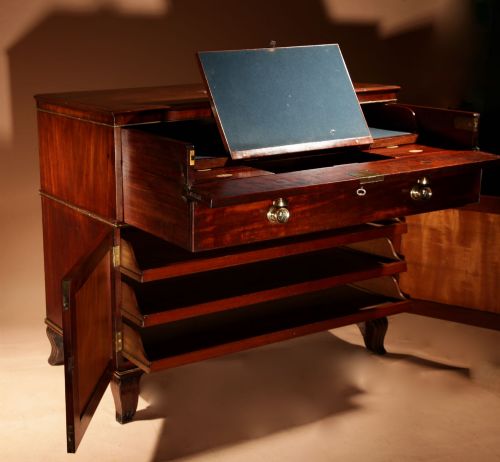
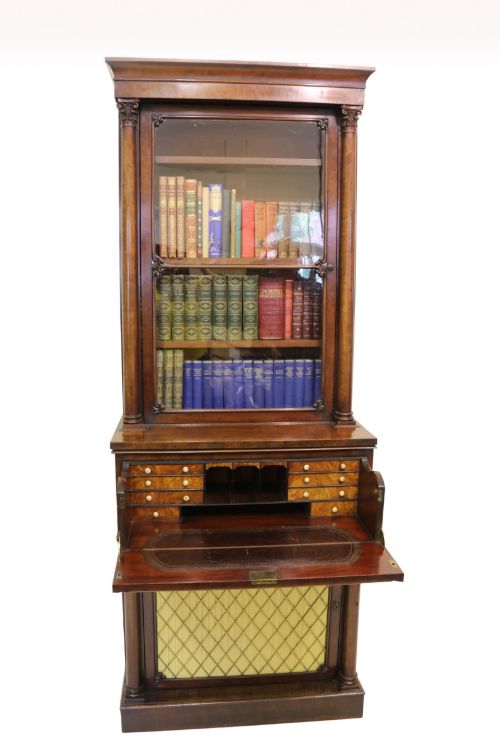
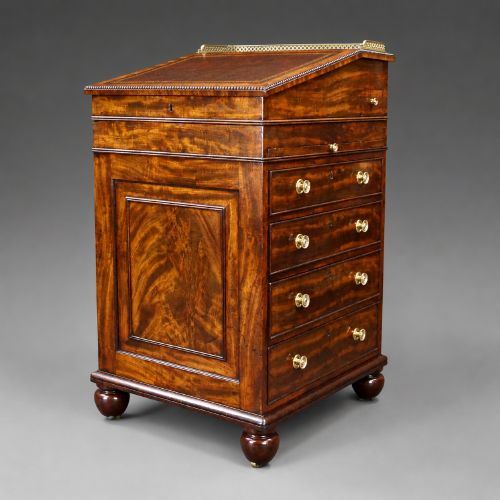
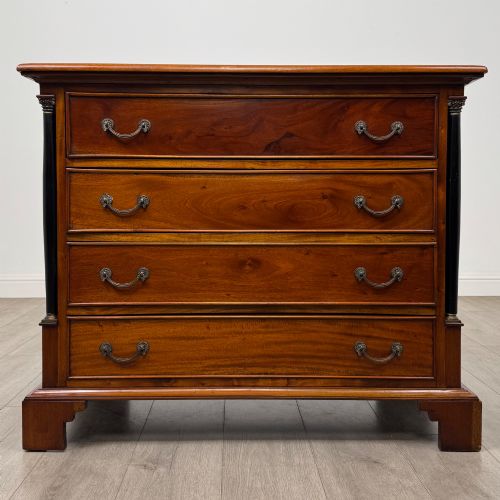
The primary forms on this page include secretaire bookcases with glazed upper doors, Davenport desks in rosewood and mahogany, and chest-style writing cabinets. These pieces combine lower drawer storage with a fitted writing compartment, reflecting the domestic and study requirements of the early nineteenth century.
How they were made
Cabinet makers utilised solid timbers alongside flame mahogany veneer, figured mahogany, and rosewood, often accented with brass inlay and ebonised wood details. Glass panels were fitted to upper bookcase sections to display books and porcelain.
Interiors contained fitted drawers and pigeonholes accessed via fall-front writing surfaces or slide tops. Selected pieces incorporated satinwood interiors and leather writing surfaces within the pull-out drawers.
Regency Bureau Cabinet Retail Price Guide 2026
Typical asking prices for regency bureau cabinet among the pieces listed under this phrase on Sellingantiques today, from the lower quarter to the upper quarter. They describe what is for sale here now, not the wider market.
Several Davenport desks include secret compartments designed to hide private correspondence from prying eyes.
What varies in quality
The choice of timber grain dictates much of the visual merit, with highly figured flame mahogany and rosewood marking out superior examples. The complexity of the fitted interior and the precision of brass inlay further distinguish standard production from workshop-attributed pieces.
Proportion and scale separate grand architectural bookcases from compact Davenport desks. Attribution to known makers such as Gillows elevates the standing of an individual cabinet.
Gillows of Lancaster·George Oakley
The Regency Bureau Cabinet Glossary
- Secretaire
- A piece of furniture containing a drawer that folds down to reveal a writing surface and small compartments. This mechanism hides the desk function behind the appearance of a standard chest of drawers or bookcase base.
- Davenport
- A compact desk form featuring a sloped, sliding writing top above a pedestal of drawers. It gained popularity during the Regency period for boudoir and parlour use.
- Escritoire
- A writing cabinet or desk, often fitted with a fall front and internal pigeonholes. The term frequently applies to elegant nineteenth-century freestanding writing furniture.
- Flame mahogany
- A veneer cut from timber where the grain creates a distinctive undulating, flame-like pattern. Cabinet makers selected this material for prominent exterior surfaces to create strong visual movement.
- Ebonised wood
- Timber treated to imitate ebony, producing a dark, dense black finish. This technique appeared on Regency and William IV furniture to provide stark contrast against lighter mahogany or rosewood.
Regency Bureau Cabinet: Frequently Asked Questions
What is a secretaire bookcase?
A secretaire bookcase combines a bookshelf with upper glazed doors and a lower section containing a pull-out writing drawer. The central drawer front drops down to reveal fitted internal compartments for correspondence.
This form allowed owners to store books above while maintaining a private, dedicated space for writing letters and managing papers.
How do I identify a Regency desk?
Regency desks and cabinets typically display architectural proportions, classical brass mounts, and rich mahogany or rosewood veneers. Details such as ebonised accents and turned legs point to this specific nineteenth-century design phase.
Examining the internal drawer construction and timber choice helps confirm the period alongside stylistic markers like bracket feet or reeded columns.
Where were Davenport desks placed?
Davenport desks were designed for compact living spaces, sitting easily within parlours, drawing rooms, or bedrooms. Their small footprint allowed writers to work comfortably without occupying an entire library.
The pedestal base provided substantial storage for stationery while keeping the room layout open.
Are these cabinets suitable for modern homes?
These cabinets offer practical storage through deep drawers and upper shelving while serving as functional workspace alternatives to modern desks. The enclosed writing compartments conceal laptops and paperwork when not in use.
Placing them in studies, living rooms, or hallways provides a traditional focal point with active everyday utility.