

Regency Brass Lighting
Regency brass lighting delivers the crisp definition of the early nineteenth century alongside the warm reflectivity of polished metal.
Regency Brass Lighting
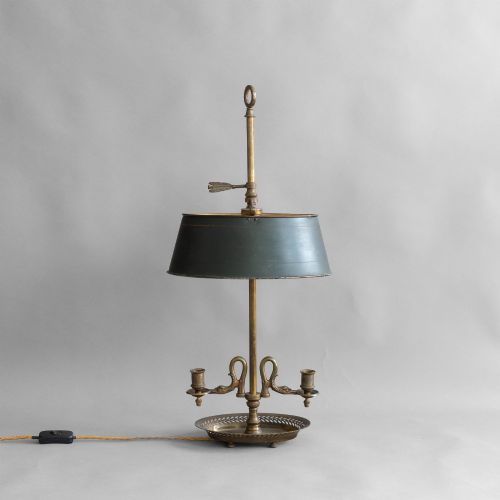
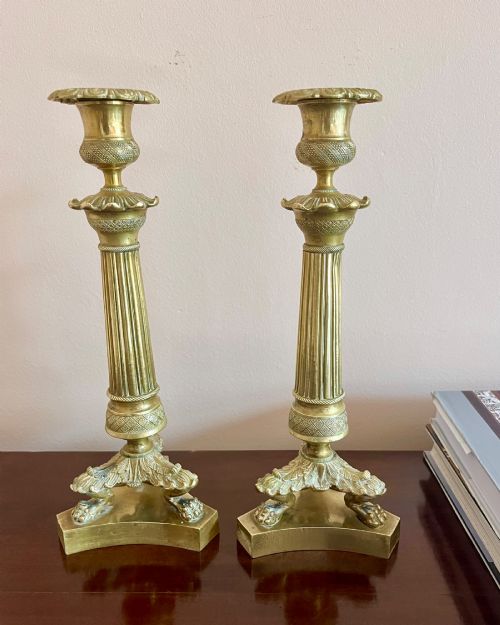
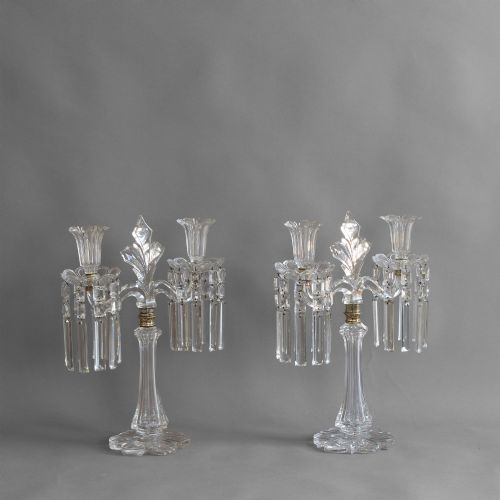
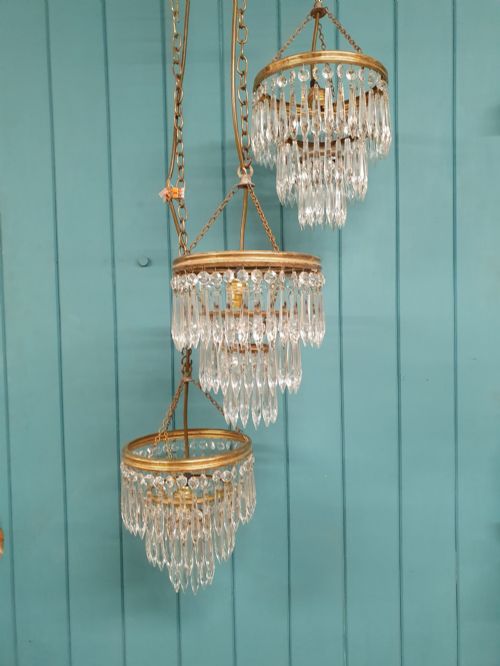
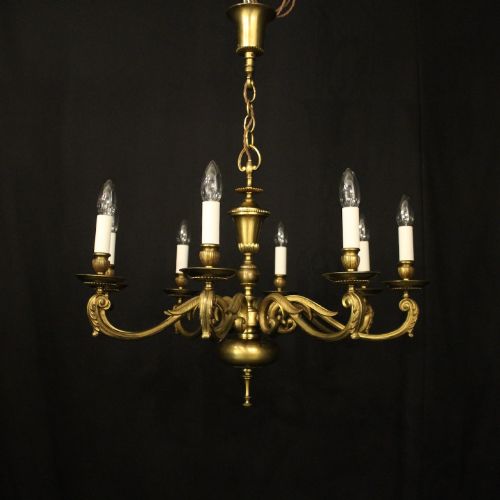
Regency brass lighting encompasses a diverse selection of fixtures designed to illuminate interiors through candlelight, gas, or electricity. When searching for regency brass lighting, buyers encounter everything from modest table candlesticks to grand chandeliers adorned with crystal drops.
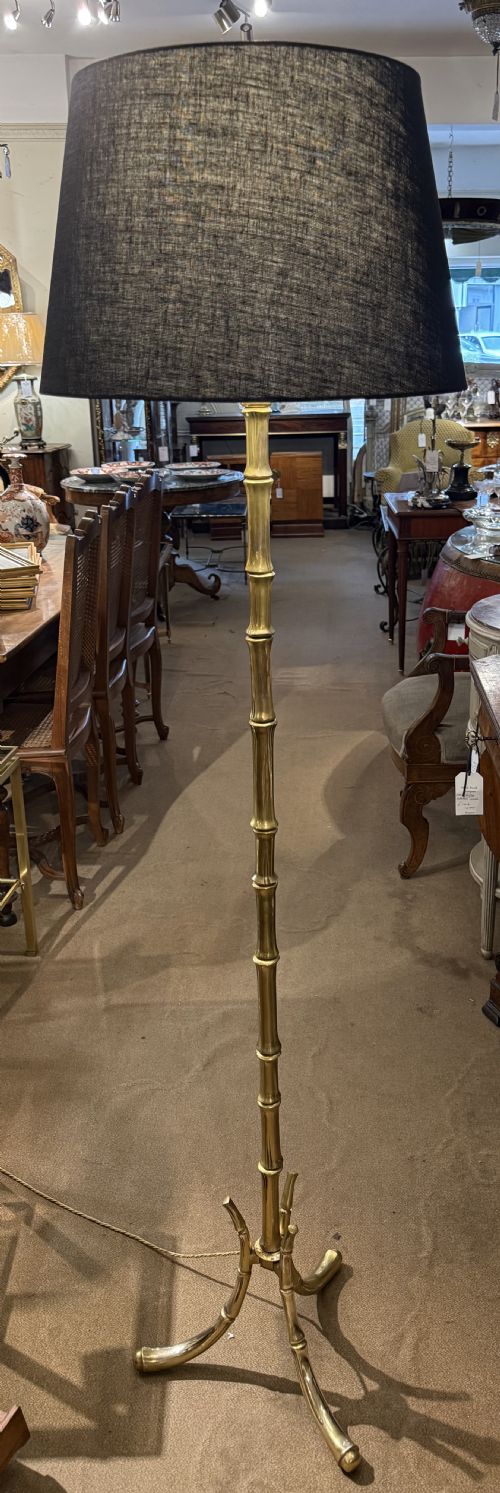
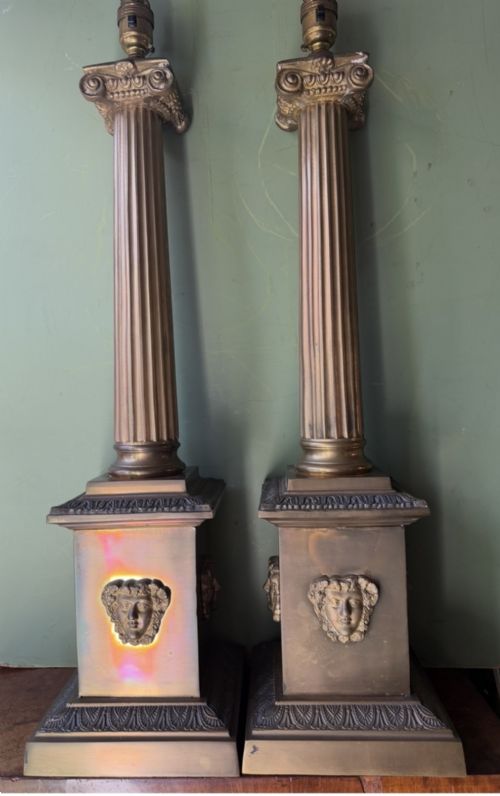
The selection ranges across several centuries, featuring authentic period pieces from the nineteenth century alongside later revivals from the nineteen-thirties and Edwardian eras. Forms vary widely between wall lights, sconces, floor lamps, and hanging hall lanterns.
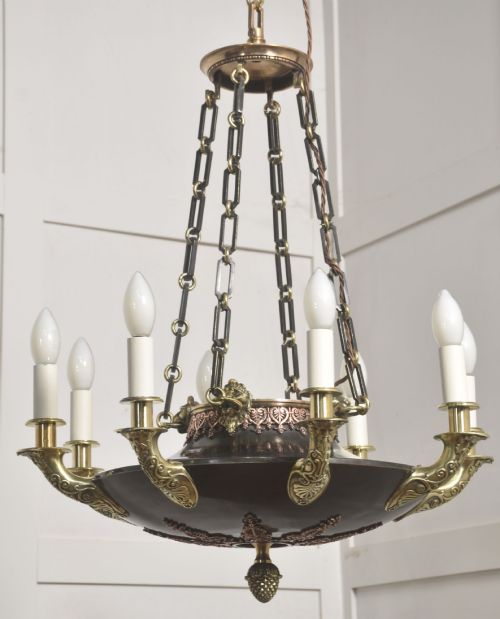
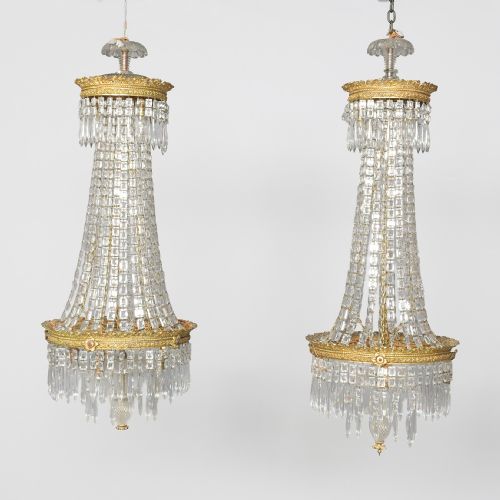
Stylistic influences span Neoclassical, French Empire, and Georgian designs, creating a rich assortment of decorative options. Buyers most frequently meet chandeliers, candlesticks, and wall lights constructed from brass, gilt bronze, and cut glass.
Materials and construction methods
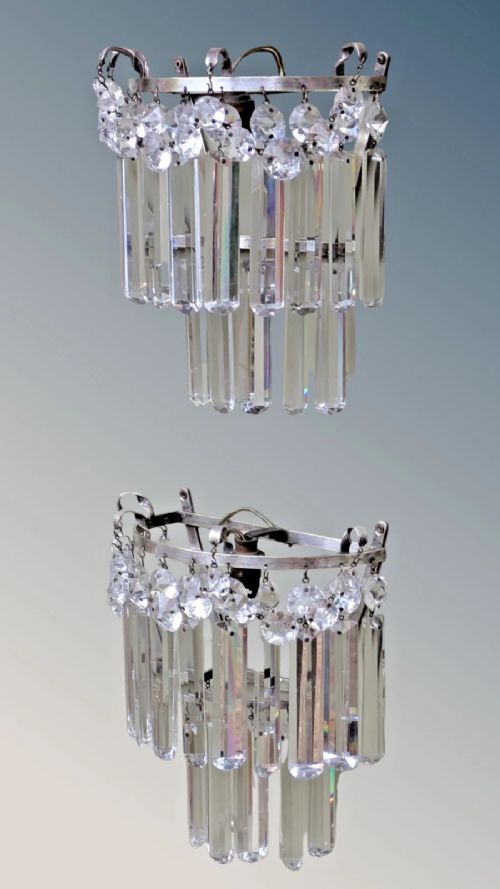
Makers utilised cast and sheet brass, gilt bronze, and ormolu as the primary structural and decorative metals. These were frequently combined with cut glass, crystal prisms, and fabric elements to enhance light reflection.
Construction techniques relied heavily on skilled metal casting, hand chasing, and mechanical assembly using threaded components or rivets. Many pieces incorporate telescopic adjustments, ejector mechanisms, or hinged arms for functional versatility.
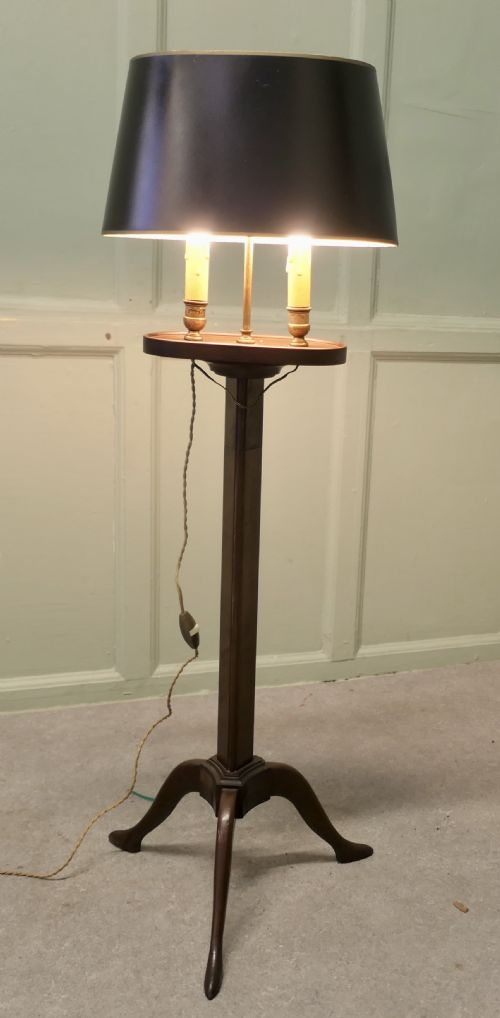
Object forms on display range from floor-standing telescopic standards to diminutive wall sconces and multi-tiered crystal chandeliers.
Distinctions in manufacture and finish
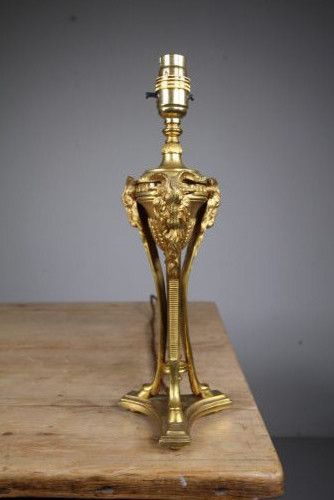
Quality rests upon the crispness of the cast ornamentation, such as foliate chasing, animal figures, or classical architectural details. Sharp, deeply defined casting marks the upper tier of production.
The choice of secondary materials equally dictates grade, distinguishing pieces set with heavy cut crystal drops from those carrying simpler moulded glass elements. Structural weight and the integrity of joints further separate robust examples from lighter alternatives.
Maison Bagues
The Regency Brass Lighting Glossary
- Ormolu
- Gilded bronze produced by applying a mercury-gilt finish to cast bronze. This technique creates a rich, durable golden surface seen on high-status nineteenth-century fixtures.
- Campana
- An inverted bell-shaped socket or sconce common on candlesticks and candelabra. The profile mirrors classical Greek pottery.
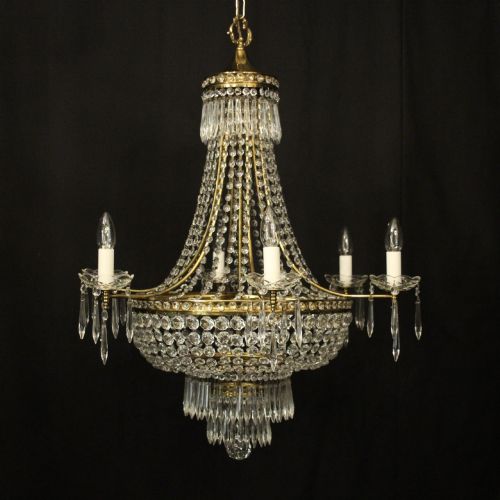
- Tent and waterfall
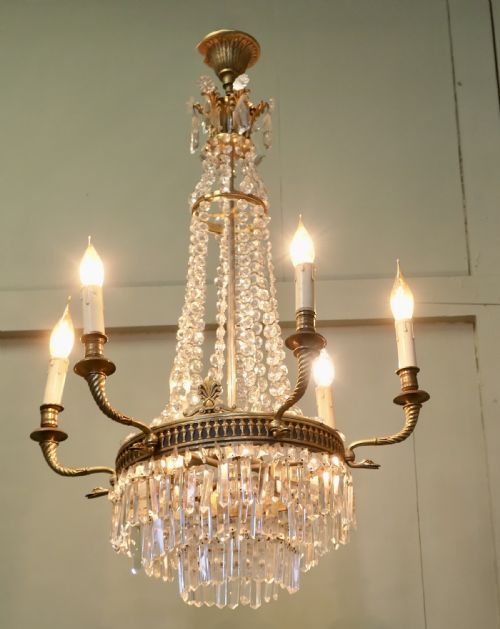
- A chandelier configuration featuring strings of crystal beads forming an upper tent shape that cascades downward over multiple tiers. It maximises refraction from central candle clusters.
- Ejector
- A mechanical internal mechanism within a candlestick shaft designed to push out spent wax stubs. It operates via a small slide on the side.
- Hall lantern
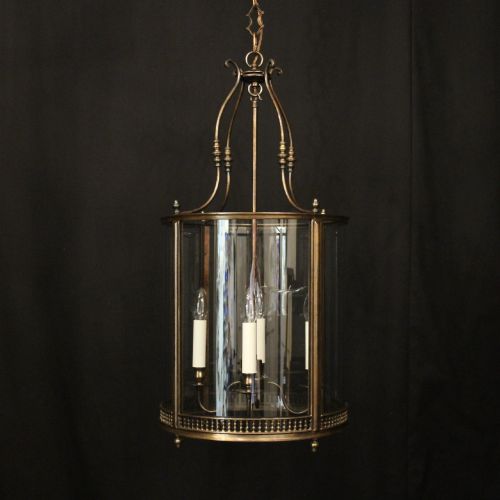
- An enclosed hanging light fixture designed for entryways and corridors. These typically feature glazed glass panels within a brass or gilt frame.
Regency Brass Lighting: Frequently Asked Questions
How were these lights used?
Original pieces functioned to illuminate rooms using wax candles mounted in sconces or sockets. Many survivors were subsequently adapted for electricity during the twentieth century to suit modern homes.
Floor lamps, table lamps, and hall lanterns served specific functional zones within nineteenth-century domestic spaces. Wall sconces and girandoles additionally utilised mirrored backs to amplify candle glow.
How do I live with antique brass lights?
Integrating antique brass lighting involves balancing historic character with modern electrical safety standards. Many pieces arrive pre-converted for contemporary wiring while retaining their original form.
Placement depends on scale, with large tent and waterfall chandeliers suiting high ceilings, while wall lights and table lamps fit intimate spaces. Gentle cleaning preserves the natural patina without stripping the historic metal surface.
How do I tell periods apart?
Distinguishing periods requires examining casting styles, construction methods, and material combinations. Authentic nineteenth-century pieces often display heavier cast components and hand-finished chasing.
Revival pieces from the nineteen-thirties or Edwardian eras frequently exhibit distinct assembly techniques and wiring adaptations. Stylistic clues, such as specific Neoclassical motifs or French Empire proportions, further anchor a piece to its era.