


Regency Bedroom Chairs
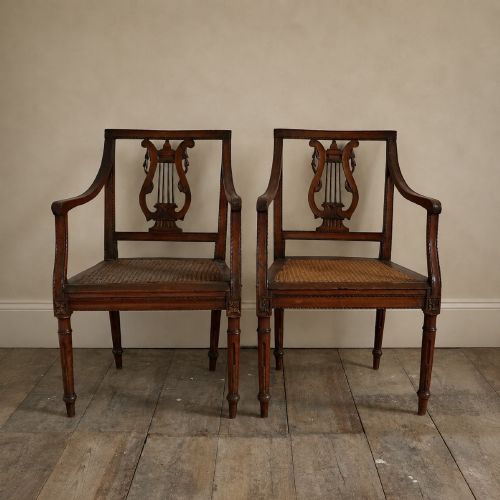
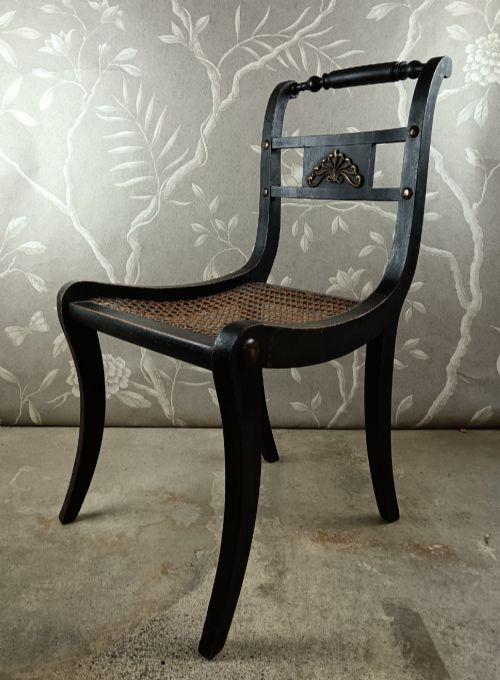
Regency bedroom chairs bring neoclassical elegance to a dressing room or parlour through classic forms like sabre legs and lyre backs.
Regency Bedroom Chairs
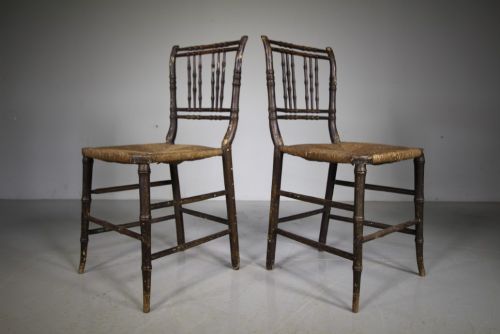
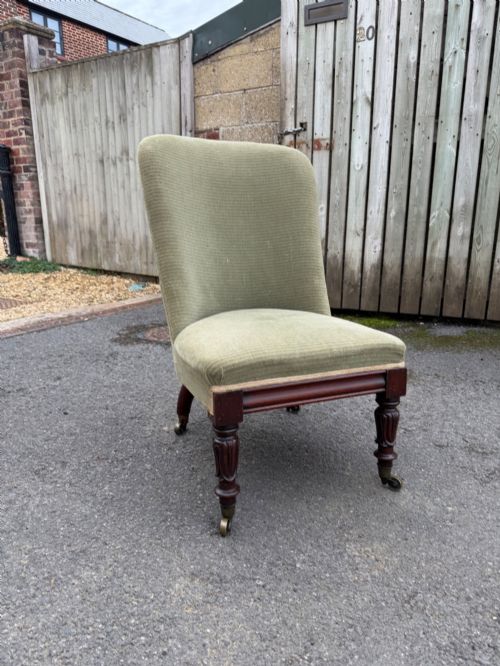
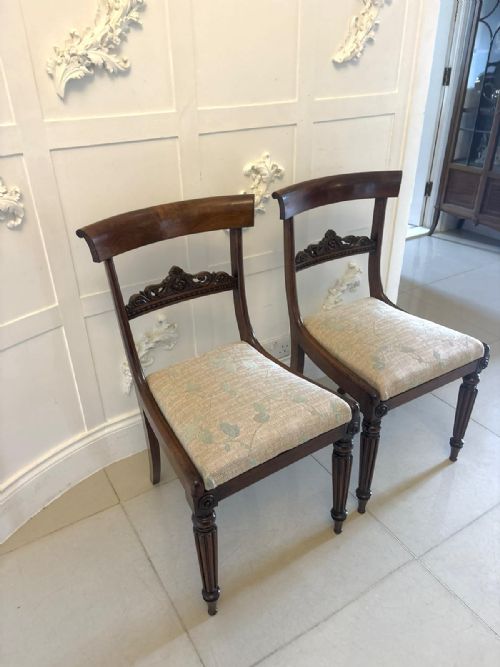
When buyers search for regency bedroom chairs, they encounter seating spanning actual Regency periods alongside later revival interpretations. These pieces take various forms including side chairs, armchairs, slipper chairs, and occasional seats designed for private chambers.
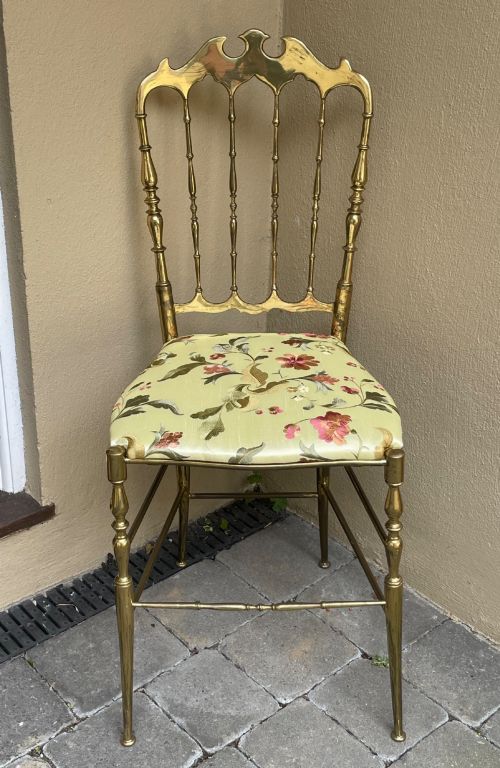
The selection on this page demonstrates how domestic seating evolved from the early nineteenth century through later revival eras. Buyers will find both authentic period examples and pieces created during subsequent decades drawing on the same neoclassical vocabulary.
Materials and Construction
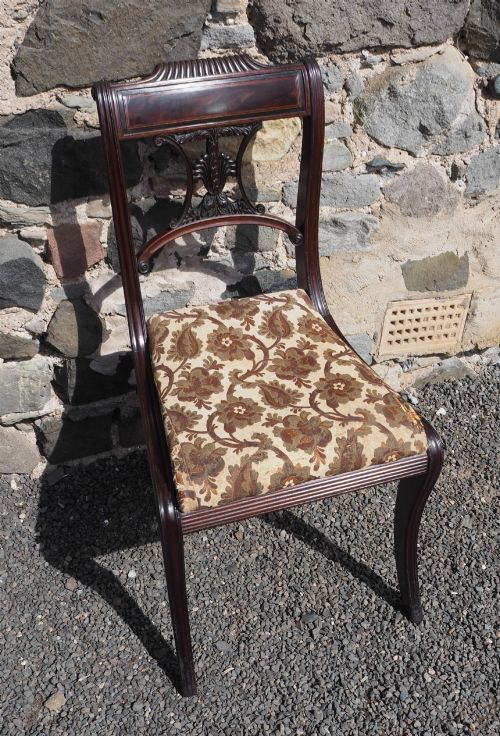
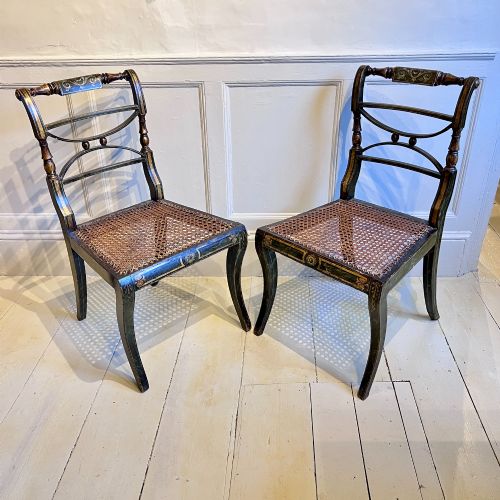
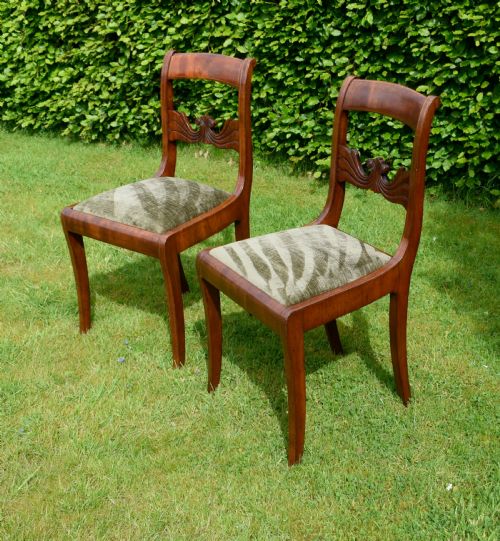
Cabinetmakers utilised robust timbers such as mahogany, rosewood, and walnut, frequently enhancing plainer woods with painted, ebonised, or simulated rosewood finishes. Structural detailing often incorporated brass mounts, gilding, and intricate inlay work to catch the eye.
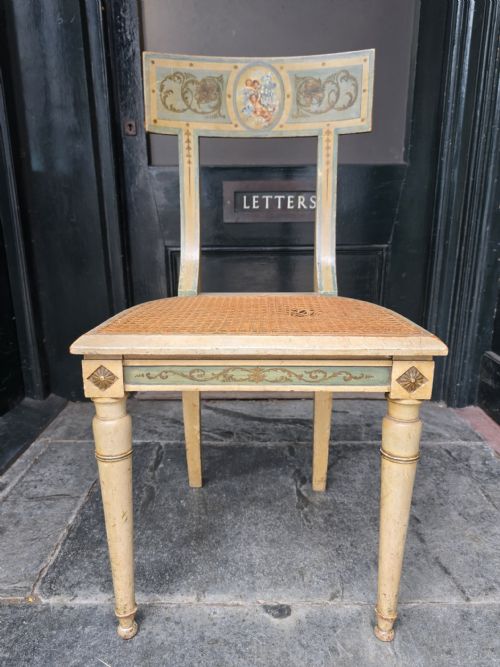
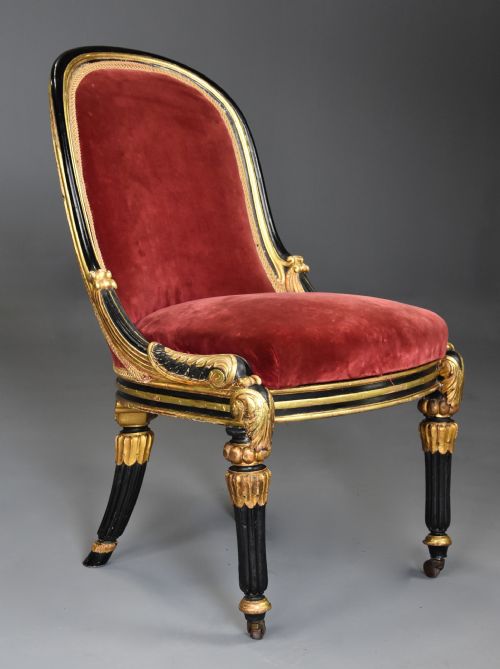
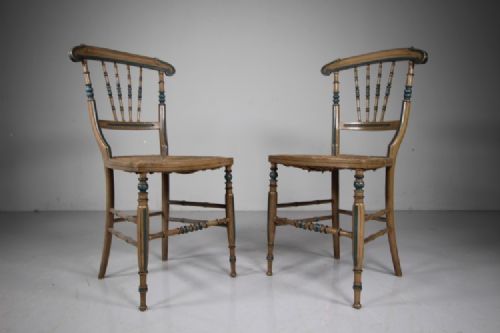
Seating surfaces relied on traditional methods, pairing wooden frames with woven cane, rush, or upholstered pads finished in velvet, needlepoint, and various textiles. Turned elements and sabre legs provided structural support without sacrificing the light, graceful proportions characteristic of the style.
Regency Bedroom Chairs Retail Price Guide 2026
Typical asking prices for regency bedroom chairs among the pieces listed under this phrase on Sellingantiques today, from the lower quarter to the upper quarter. They describe what is for sale here now, not the wider market.
Current listings feature robust materials including mahogany, rosewood, walnut, ebonised wood, and painted pine alongside cane, rush, and textile upholstery.
Factors of Quality
Quality rests upon the crispness of carved details, the integrity of joined frames, and the survival of original decorative finishes such as paintwork or gilding. Pieces showing careful attention to proportion and refined timber selection stand apart from heavier or more utilitarian items.
Miles and Edward·Gillows
The Regency Bedroom Chairs Glossary
- Sabre leg
- A curving, outward-tapering leg that emulates the shape of a cavalry sword, commonly found on seating from the Regency period.
- Lyre back
- A chair back featuring an open splat shaped in the exact contour of a classical stringed musical instrument.
- Cane seat
- A seating surface woven from peeled rattan strips, offering a lightweight and flexible alternative to solid wood or upholstery.
- Bergere
- An enclosed upholstered armchair featuring exposed wooden framing and woven cane panels on the sides and back.
- Ebonised wood
- Timber treated with chemical finishes or dark stains to achieve the dense, polished appearance of genuine ebony.
Regency Bedroom Chairs: Frequently Asked Questions
Are these chairs comfortable for daily sitting?
These pieces were designed for drawing rooms and dressing chambers rather than long hours of modern lounging. Their upright proportions encourage a formal posture.
Many examples feature supportive cane panels or upholstered pads that provide adequate comfort for brief periods at a vanity or desk.
How do I distinguish genuine Regency from revival pieces?
Authentic period pieces display construction techniques, timber ageing, and hand-applied finishes consistent with early nineteenth-century cabinetmaking. Subtle tool marks and period-appropriate wear patterns offer key clues.
Revival pieces often utilise standardised machine methods or distinct secondary woods that point to manufacture during the later nineteenth or twentieth centuries.
Can I use a bedroom chair in other rooms?
Their compact scale and decorative presence make these seats adaptable additions to hallways, studies, and drawing rooms. An occasional chair or slipper chair fits easily into narrow spaces.
Placing them outside the bedroom allows their neoclassical lines and painted or mahogany finishes to function as striking accent pieces.
How should I care for original painted surfaces?
Original painted and decorated finishes require gentle dusting with a dry, soft cloth to prevent abrasion. Avoid liquid cleaners and modern chemical polishes entirely.
Keep the timber away from direct sunlight and steady heat sources to protect the underlying gesso and delicate pigments from cracking.