
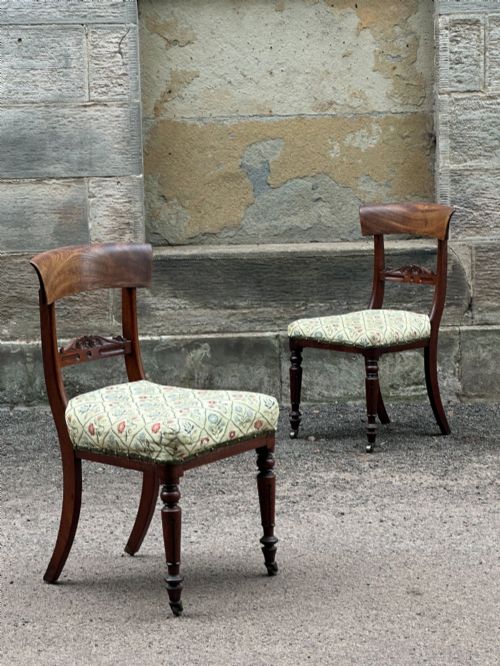
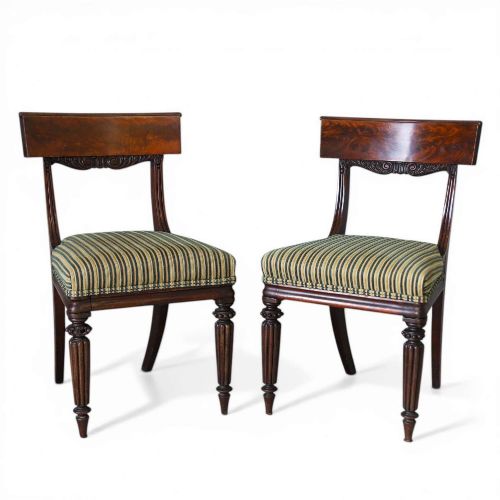
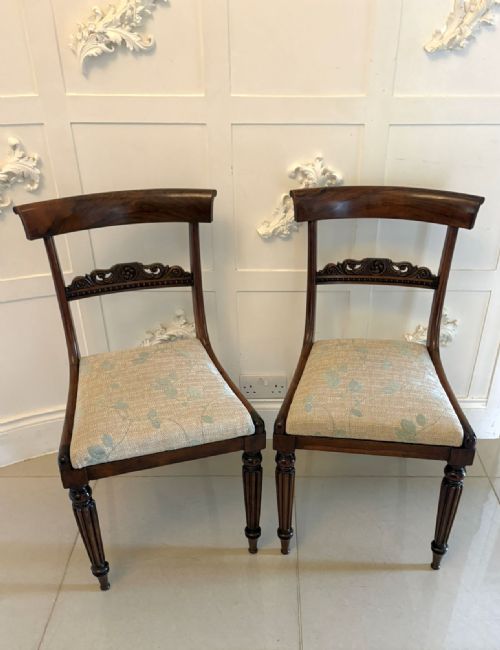
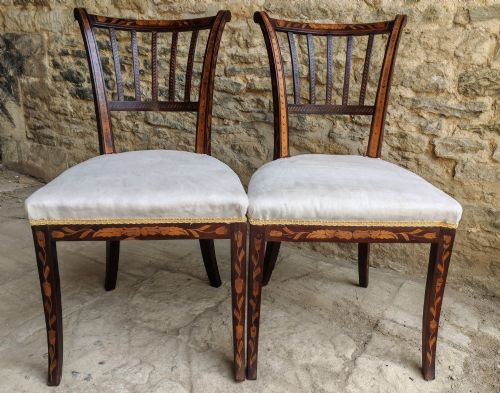
Pair Regency Side Chairs
These pair regency side chairs bring sculptural elegance and refined classical form to any room.
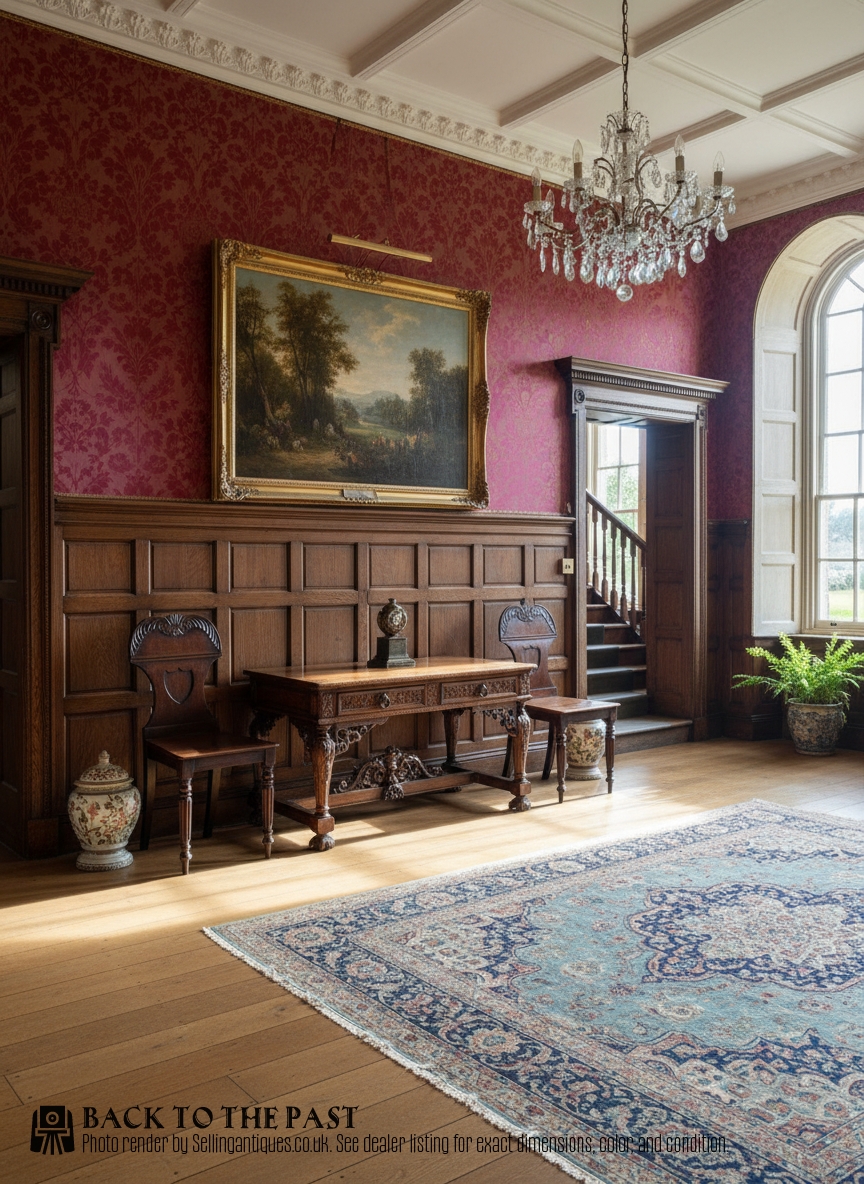
Identifying pair regency side chairs
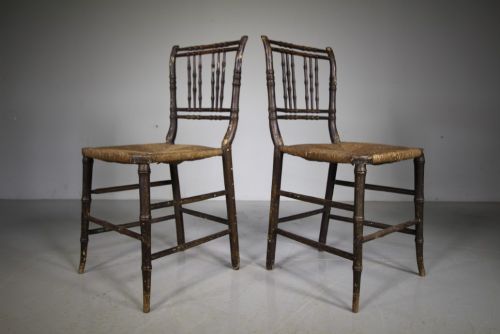
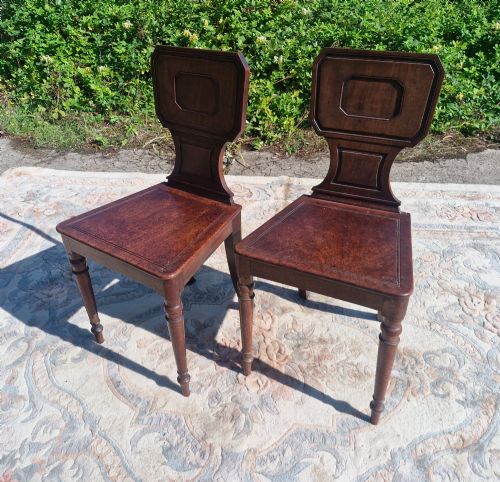
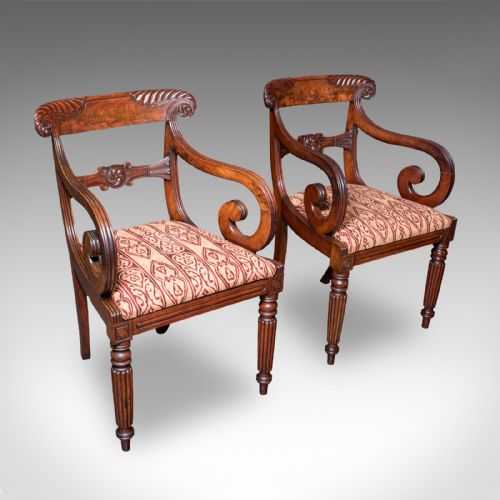
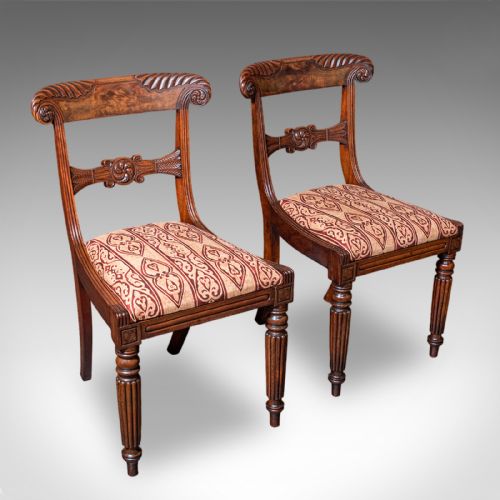
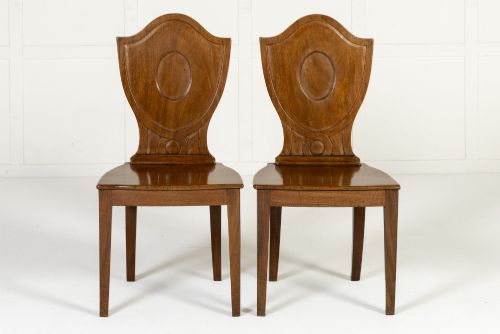
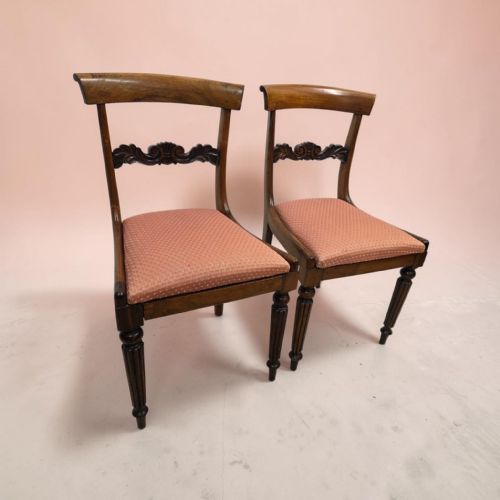
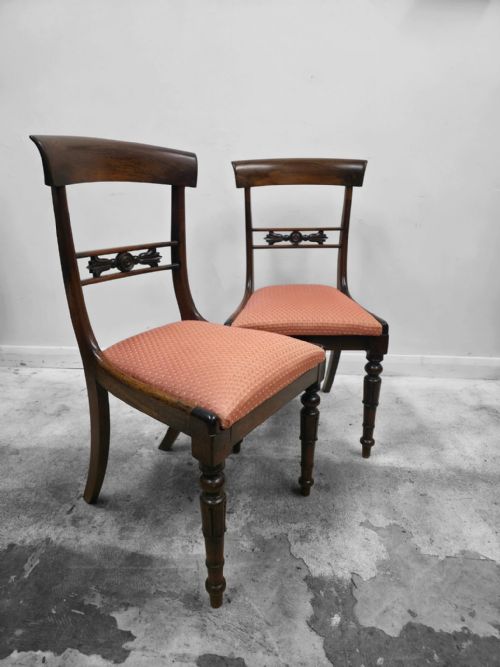
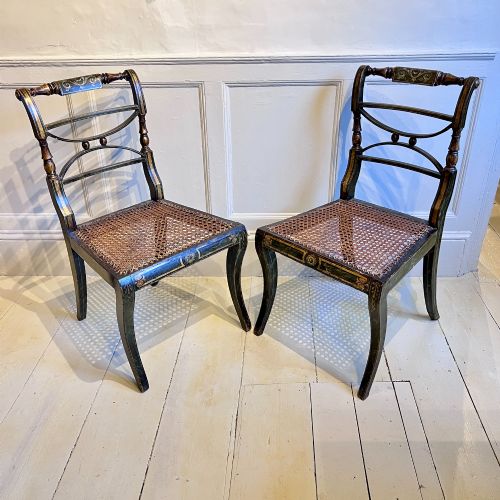
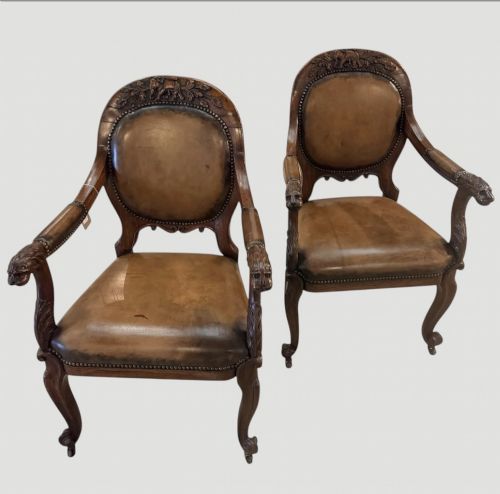
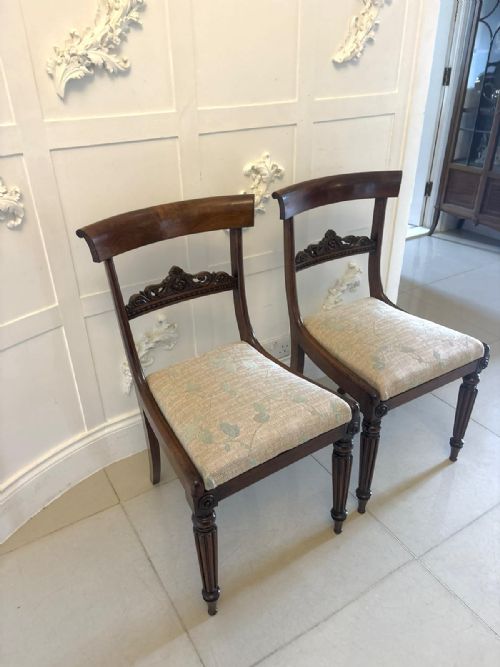
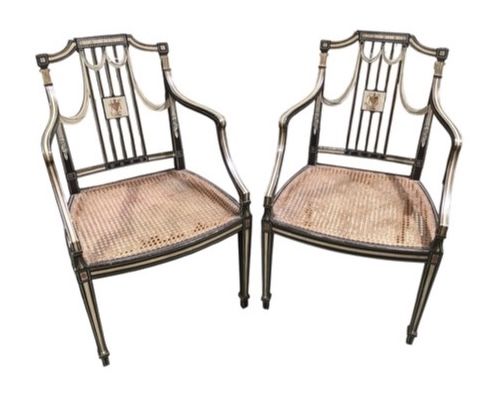
Pair regency side chairs embody the classical restraint and archaeological inspiration of the early nineteenth century, serving primarily as dining, hall or bedroom seating. The evidence shows these pieces appear predominantly in solid mahogany, rosewood and painted finishes, often featuring turned or sabre legs.
The form adapts to various domestic settings, ranging from formal dining spaces to hallways where a striking silhouette makes an immediate impression. Most examples encountered here belong to the Regency period proper, though nineteenth-century interpretations also arise.
Makers of the era drew heavily on Greek and Roman archetypes, creating forms such as the klismos chair and the X-frame seat. Buyers encounter variations in wood choice, decorative inlay and the presence of carved details like rope backs.
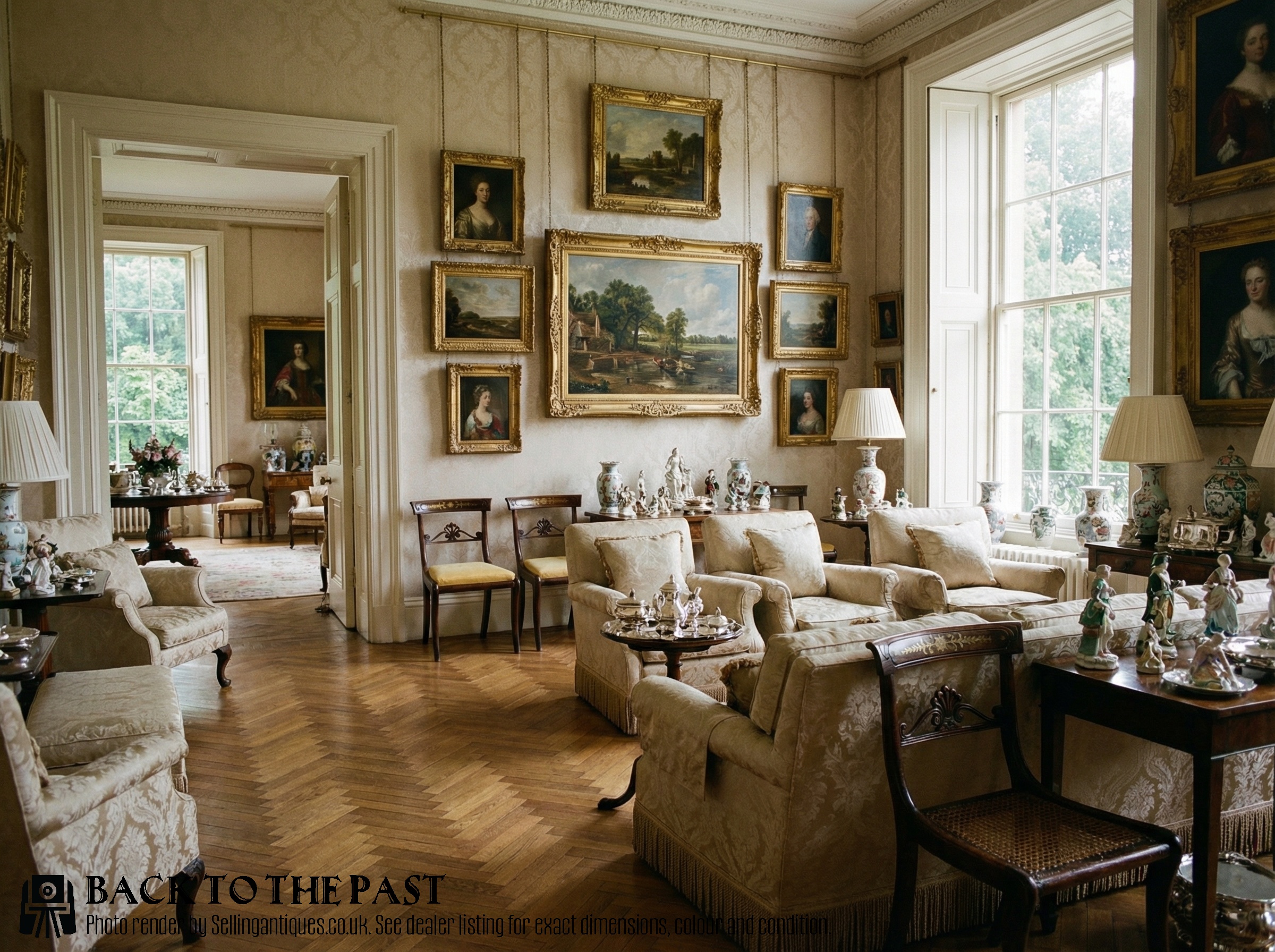
Materials and construction methods
Cabinetmakers utilised dense hardwoods such as mahogany and rosewood, alongside secondary timbers like pine, to build durable frames that withstand centuries of use. Turnery and hand-carving define the structural woodwork, complemented by applied brass inlay, gilding or painted decoration.
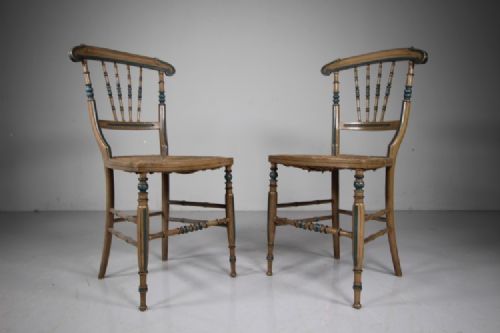
Surface treatments range from simulated rosewood and faux bamboo paintwork to ebonised finishes that mimic more expensive materials. Seats integrate cane, rush or traditional upholstery to provide support within the light, open frames characteristic of the period.
Retail Price Guide 2026
Typical UK retail prices for pair regency side chairs, calculated from the Sellingantiques database of over a million retail prices indexed since 2003. This retail price guide relies exclusively on Sellingantiques data; no external sources or auction records are used, so the figures do not describe the wider market.
Early nineteenth-century makers occasionally turned to paint pots to satisfy the fashion for exotic woods, creating convincing rosewood out of humble pine.
Assessing craftsmanship and design
Quality rests upon the selection of timber and the crispness of execution in carved or inlaid details. Figured mahogany, precise brass marquetry and finely turned sabre legs distinguish superior examples from plain utility pieces.
Structural integrity depends on the original joinery, where tight joints and uncompromised timber frames maintain stability. The refinement of the silhouette, such as the sweeping curve of a klismos back or the balance of parcel-gilt highlights, elevates certain pairs above standard production.
George Smith·Edward Garratt
The Pair Regency Side Chairs Glossary
- Klismos
- An ancient Greek chair shape revived during the Regency period, characterised by a concave curved backrest and sabre legs. This form offers ergonomic comfort alongside classical proportion.
- Sabre leg
- A chair leg that curves outward and backward in a concave sweep, resembling a cavalry sabre. This design provides structural strength while contributing to a lighter aesthetic.
- Ebonised
- Wood finished with a dark stain or black paint to imitate expensive ebony. Makers frequently utilised this technique on beech or fruitwood frames.
- Parcel gilt
- Wood or metal decoration partially covered with gold leaf. This method highlights specific carved details against a contrasting dark or painted background.
- Simulated rosewood
- Paintwork applied to a cheaper timber to mimic the rich grain and colour of genuine rosewood. Artisans used fine brushes to replicate natural figuring.
Frequently Asked Questions
Where should I place pair regency side chairs?
These chairs suit hallways, bedrooms or dining tables where their slender proportions and decorative backs remain fully visible. They function well as accent pieces that introduce historical character without dominating a smaller space.
Because the frames are relatively lightweight compared to heavier Victorian seating, they move easily between rooms depending on hosting needs.
How do I care for antique wood and upholstery?
Maintain timber surfaces by applying appropriate wax sparingly and keeping the furniture away from direct heat sources and sunlight. This preserves the patina of rosewood, mahogany and painted finishes over time.
Upholstered or cane seats require gentle cleaning and protection from sharp objects or excessive weight to maintain their structural integrity.
How do I tell original Regency from later pieces?
Examine the timber species, joinery construction and hand-tool marks underneath the seat rails to understand the period of manufacture. Original Regency examples display construction techniques consistent with the early nineteenth century.
Later nineteenth-century interpretations often utilise slightly different secondary woods or machine-assisted joinery methods that distinguish them from earlier work.
What is the difference between dining and hall chairs?
Hall chairs typically feature solid wooden seats and bold carved backs designed for occasional seating rather than prolonged dining comfort. Dining side chairs often incorporate upholstered, caned or rushed seats built for extended sitting.
Both types share the classical vocabulary of the era but serve distinct functional roles within a historic interior.