




Antique Brass Inlaid Seating
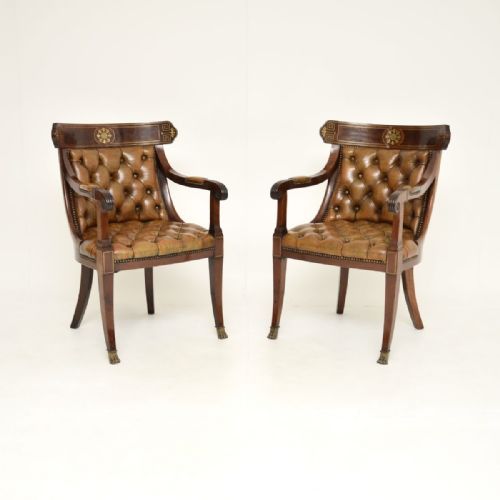
Antique brass inlaid seating brings together rich cabinet timbers and bright metal line work to create striking chairs and stools for formal rooms.
Antique Brass Inlaid Seating
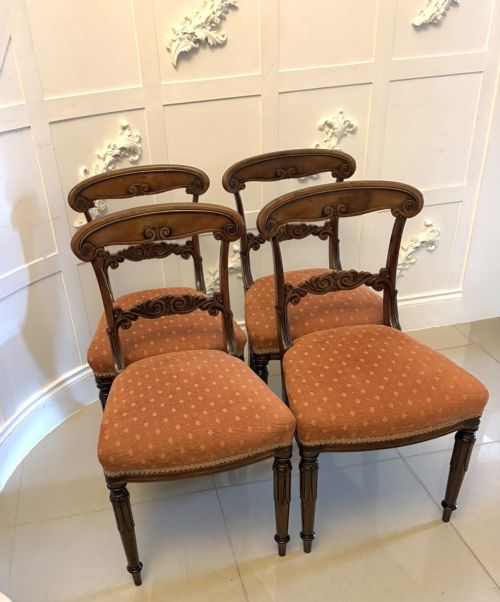
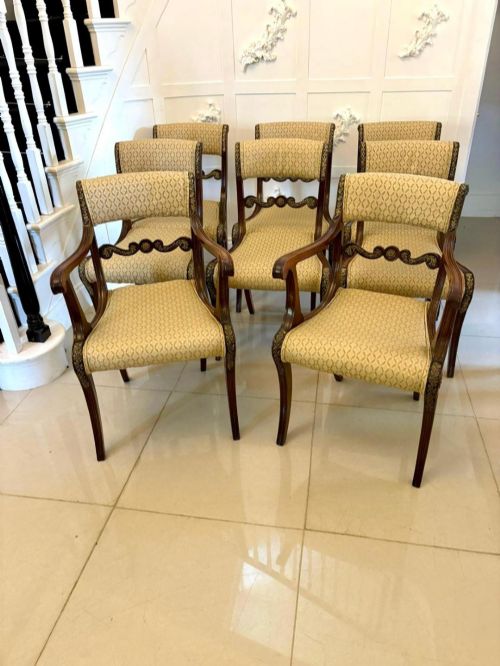
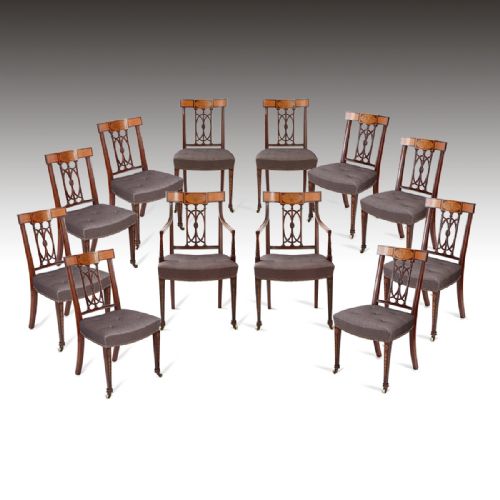
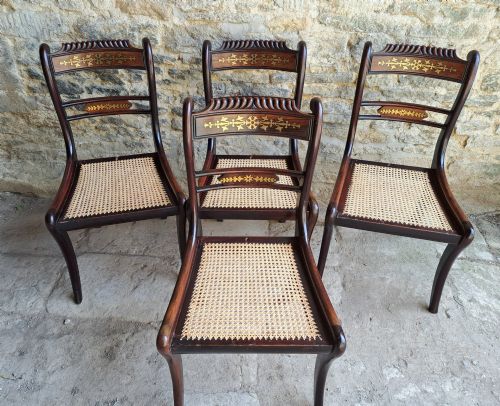
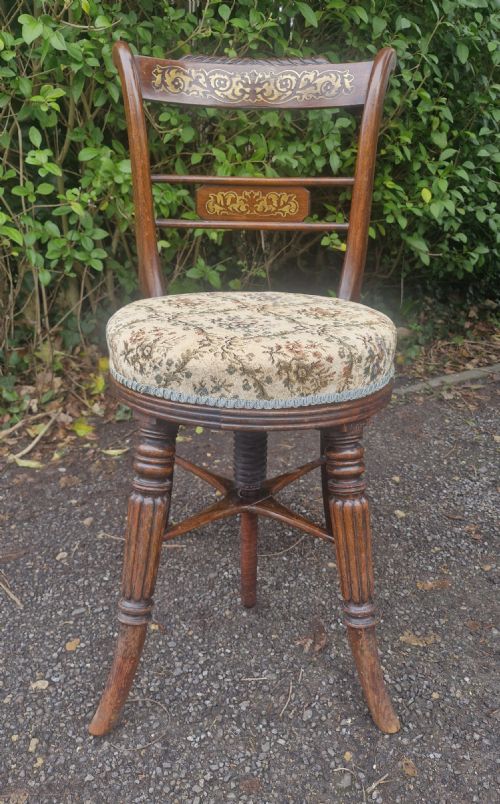
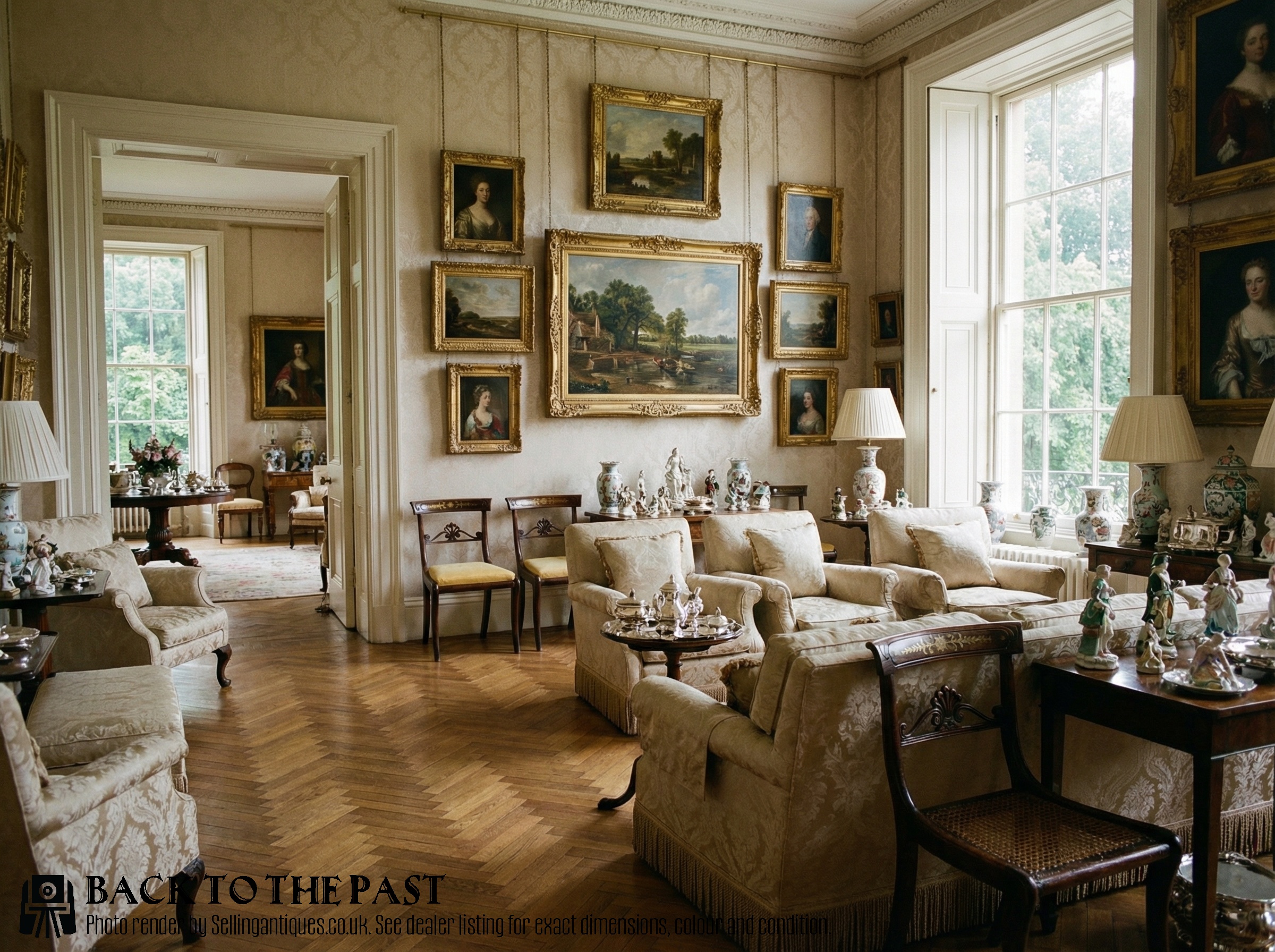
When you search for antique brass inlaid seating, you encounter formal dining chairs, armchairs, and library seating predominantly from the Regency and Georgian periods. Sets of dining chairs emerge frequently alongside individual library armchairs, hall chairs, and music stools.
The regional origins span English Regency workshops alongside Chinese Qing Dynasty, Sino-Tibetan, and Anglo Indian variants. English examples tend to utilise mahogany, rosewood, and satinwood, whereas other pieces incorporate hardwood and gilt metal figures.

Evaluating craftsmanship and survival
Quality separates along the precision of the metal inlay and the selection of the timber grain. Tighter brass joints and deeply figured mahogany or rosewood indicate higher workshop standards.
The original integrity of the timber frame and the completeness of the brass lines dictate the standing of a piece. Finer examples retain their structural stability and crisp metalwork across large sets of matching chairs.
Antique Brass Inlaid Seating Retail Price Guide 2026
Typical asking prices for brass inlaid seating among the pieces listed under this phrase on Sellingantiques today, from the lower quarter to the upper quarter. They describe what is for sale here now, not the wider market.
A solitary Buddha statue sits quietly among the dining chairs and library stools, proving that brass inlay knows no boundaries.
John Gee
The Antique Brass Inlaid Seating Glossary
- Regency
- A British design period spanning the early 19th century, known for classical restraint and classical revival motifs. This era produced the majority of brass inlaid dining chairs.
- Faux rosewood
- A painted or stained finish mimicking the rich figuring of genuine rosewood timber. Makers utilised this technique on secondary hardwoods.
- Satinwood
- A lustrous, pale yellowish-brown timber from tropical trees, prized for contrasting stringing and inlay. It creates a bright counterbalance against darker mahogany frames.
- Music stool
- An adjustable seat designed for piano or keyboard players, often featuring a revolving top. These stools frequently incorporated brass inlay on their structural bands.
Antique Brass Inlaid Seating: Frequently Asked Questions
How do I date antique brass inlaid seating?
Dating relies primarily on the structural proportions, timber choice, and the profile of the brass ornamentation. Pieces from the Regency and Georgian eras typically display classical curves and precise brass line work.
Later 19th-century and Edwardian examples often adopt heavier proportions or shift toward Anglo Indian and Chinese regional forms. Comparing the joinery methods and secondary woods helps confirm the decade of manufacture.
Were these chairs meant for dining?
Many examples function as dining chairs, particularly when found in matched sets of four, six, eight, or twelve. Their formal appearance suited grand dining rooms of the 19th century.
Other forms serve distinct purposes, including library armchairs, hall chairs, music stools, and storage benches. Each seating type adapted the brass inlay technique to its specific domestic role.
How do I care for brass inlaid wood?
Preserving these pieces requires stable indoor humidity and temperature to prevent the timber from expanding or contracting. Fluctuations cause the wood to shift and can force the brass inlay to lift from its channels.
Cleaning should involve soft, dry cloths without harsh polishes that might accumulate around the metal strips. Care must be taken around the flush edges where the brass meets the wood grain.
What is simulated rosewood?
Simulated rosewood is a painted or stained surface treatment applied to a less expensive hardwood base. Cabinetmakers used this method to achieve the dramatic dark grain of rosewood without using the solid timber.
When combined with brass inlay, simulated rosewood provided a high-style appearance for discerning buyers on a moderate budget. These pieces wear their painted grain as a distinct decorative feature of the period.