
Painted Wooden Chairs
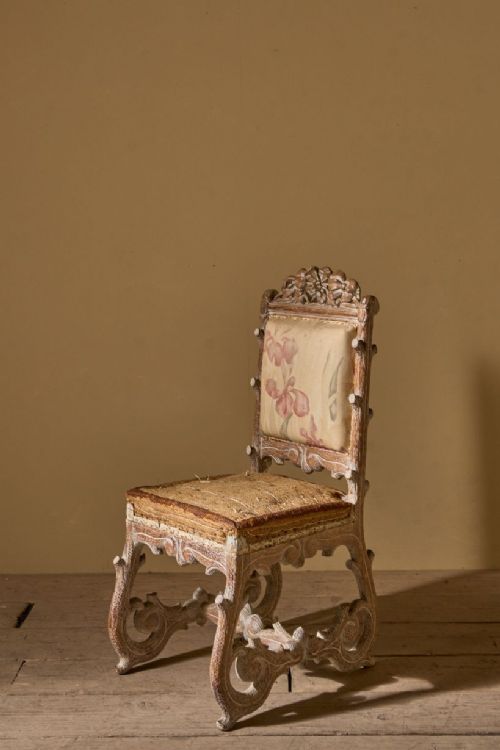
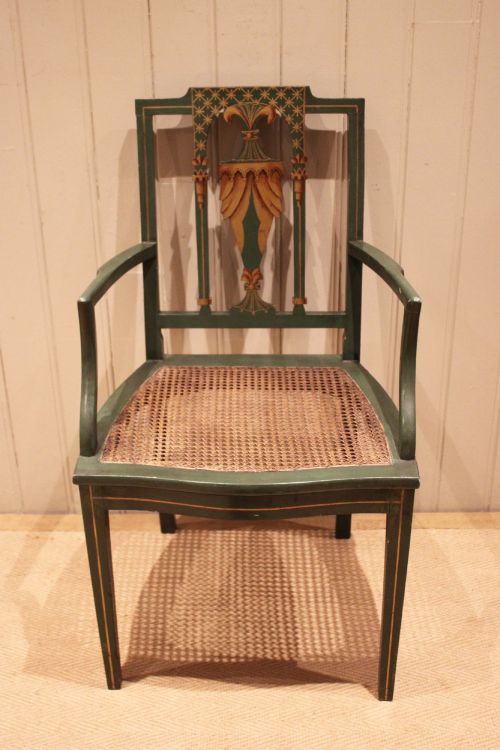
Painted wooden chairs bring immediate character to a room, offering surface decoration alongside centuries of joinery.
Painted Wooden Chairs
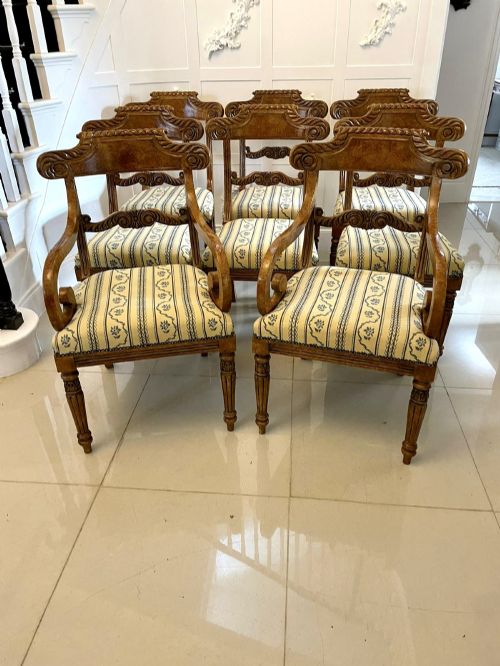
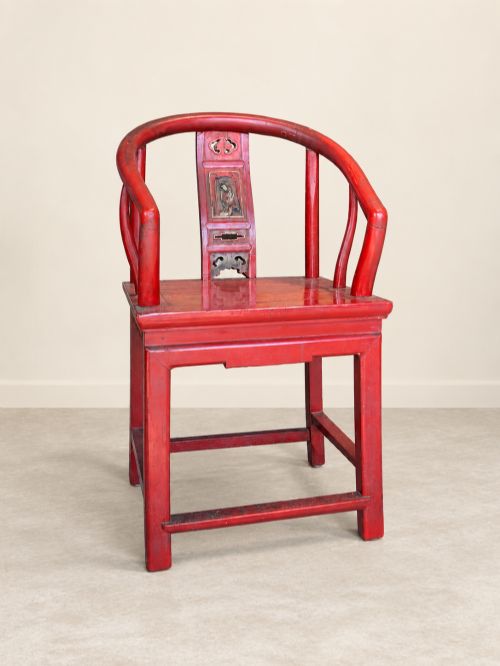
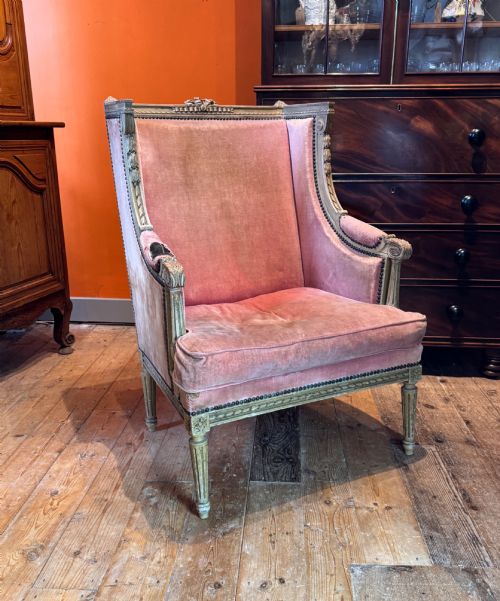
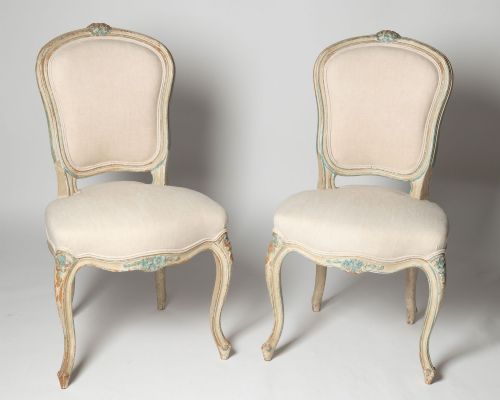
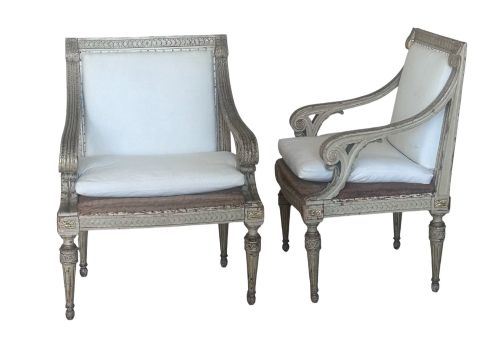
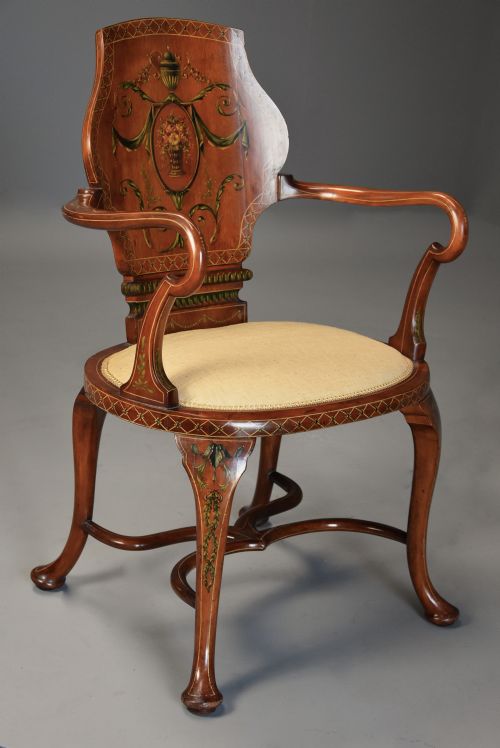
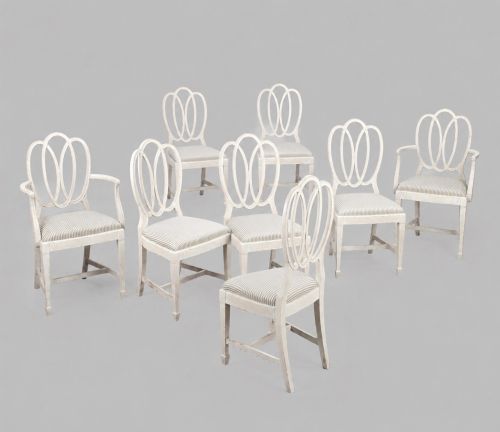
When you search for painted wooden chairs, you encounter seating spanning from the eighteenth century through the Edwardian period, encompassing diverse regional traditions and formal court styles alike. Dining chairs, armchairs, and hall chairs form the core of what you see here, often appearing in sets or pairs.
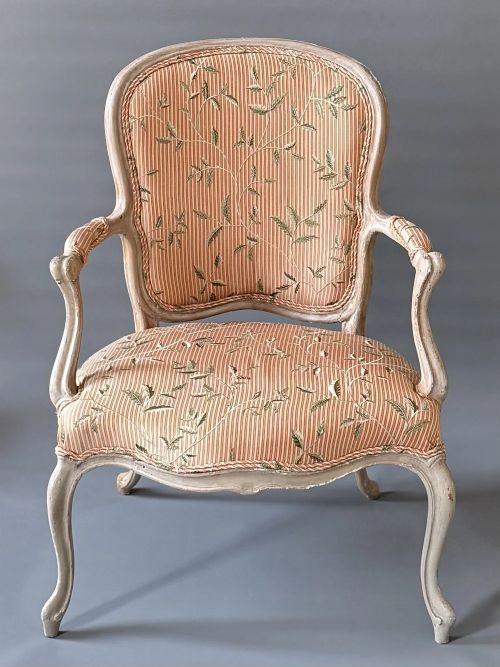
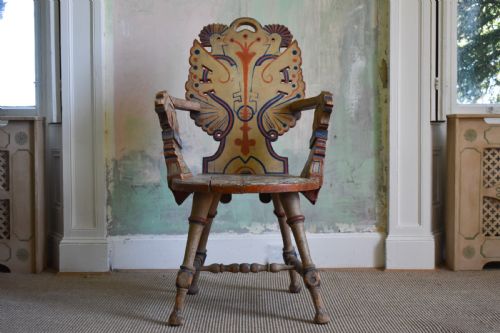
The selection on this page ranges from rustic country windsor and ladder back chairs to sophisticated satinwood and faux birds eye maple dining chairs. European traditions are strongly represented through Swedish folk art pieces, French armchairs, and Italian seating.
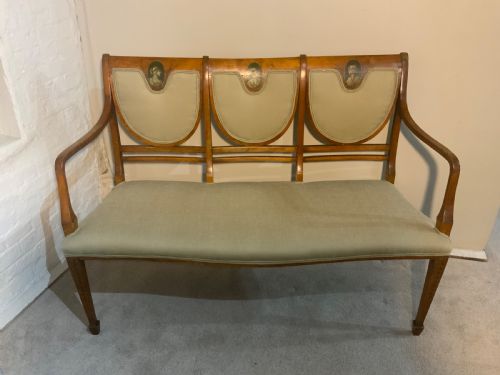
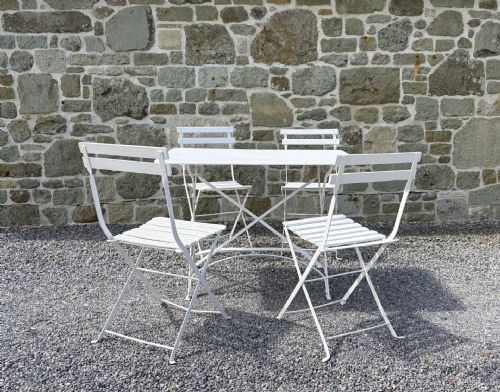
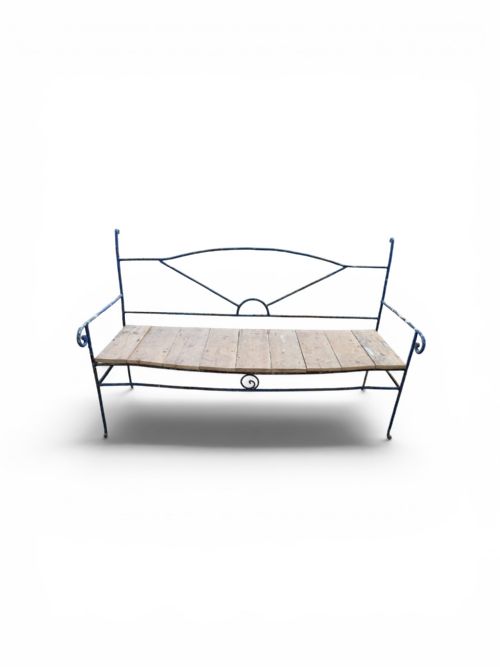
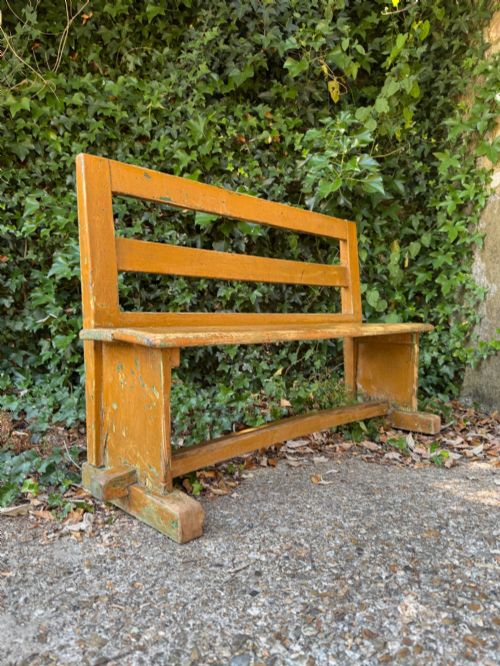
You also discover benches, settees, and garden furniture alongside standard seating forms, many retaining original decorative paint surfaces. These pieces demonstrate how paint was utilised across different social strata, from humble pine benches to grand country house hall chairs.
How they were made
Craftsmen built these pieces from woods such as oak, pine, ash, beech, and elm, selecting each timber for its structural suitability. Rush, cane, and fabric were integrated into seats to provide comfort and texture alongside the wooden frames.
Surface finishes relied on layers of paint applied over prepared timber, sometimes imitating exotic materials like faux birds eye maple or faux bois. Original painted surfaces often preserve brush marks and decorative motifs characteristic of their period of origin.
Listings feature eighteenth and nineteenth-century pieces alongside Edwardian examples, utilising materials including beech, pine, ash, and iron.
What varies in quality
The preservation of original paint surfaces dictates much of the distinction between ordinary pieces and superior examples. Surviving decorative schemes, whether floral motifs or faux finishes, hold greater merit when undisturbed by later repainting.
Joinery execution and the integrity of the underlying timber structure distinguish workshop standards. Finer pieces demonstrate careful attention to turning, carving, and proportion, particularly in chair backs and legs.
The Painted Wooden Chairs Glossary
- Faux bois
- Imitation wood grain painted onto a surface to simulate a more expensive timber. This decorative technique was popular during the nineteenth century.
- Shield back
- A chair back shaped in the outline of a heraldic shield, commonly found in Hepplewhite and late eighteenth-century designs. It often incorporates carved splats and painted details.
- Windsor chair
- A chair built with a solid wooden seat into which the legs and back spindles are tenoned directly. Traditional versions feature hoop backs or comb backs.
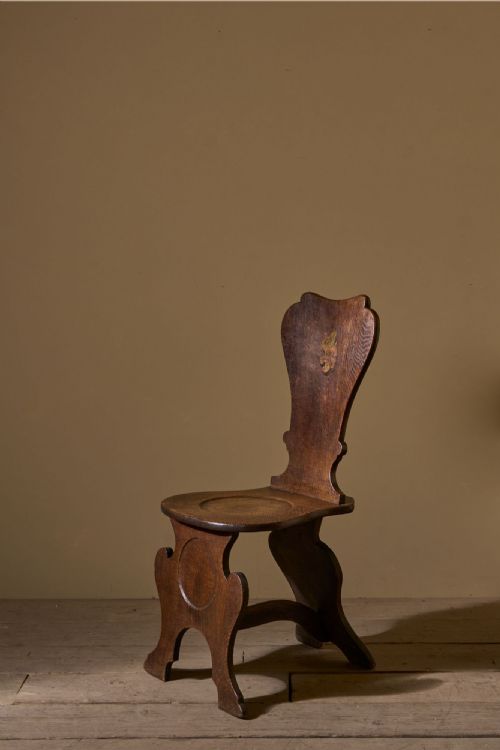
- Sgabello
- A Renaissance-style hall chair featuring solid trestle supports rather than four legs, frequently embellished with carved or painted ornamentation.
- Cockpen chair
- An open armchair featuring Chinese Chippendale style fretwork lattice in the back. These pieces date primarily to the eighteenth and early twentieth centuries.
Painted Wooden Chairs: Frequently Asked Questions
How do I clean painted wooden chairs?
Dust surfaces regularly with a soft, dry cloth to prevent dirt accumulation on fragile paint layers. Avoid modern chemical sprays or excessive moisture which can lift historic finishes.
Test any cleaning method on an inconspicuous area first. Preserving the original paint layer requires gentle, minimal intervention over time.
Are these chairs suitable for daily dining?
Many dining chairs and sets listed remain structurally sound for regular household use. Checking the stability of joints and seat webbing ensures safe daily seating.
Sturdier forms like ladder backs and beech dining chairs handle daily wear effectively. Lighter decorative armchairs benefit from more careful placement in low-traffic rooms.
How do I identify original paint?
Original paint typically shows subtle wear patterns, craquelure, and microscopic accumulation of age beneath subsequent layers. Under magnification, the transition between paint and timber reveals historic preparation methods.
Later overpainting often obscures the crisp edges of earlier decoration. Consulting the underlying wood beneath joins helps confirm the age of the surface finish.
What is a faux finish?
A faux finish is a decorative paint technique used to imitate more costly materials such as satinwood, mahogany, or birds eye maple. Artisans applied pigments and glazes over a base coat to create simulated grain patterns.
This practice allowed makers to achieve fashionable aesthetics using more accessible domestic timbers like pine or beech. Such finishes form a distinct category within antique painted seating.