
Georgian Painted Chairs
Georgian painted chairs bring colour and character to a room through traditional forms finished with decorative pigment.
Georgian Painted Chairs
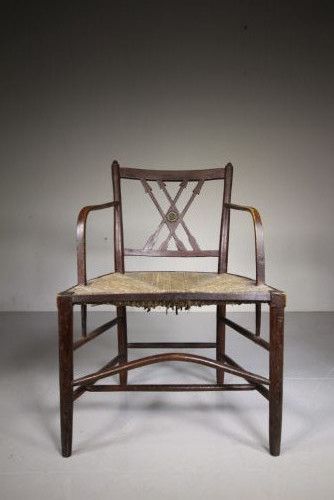
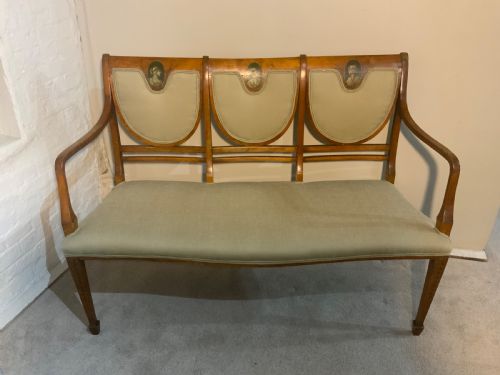
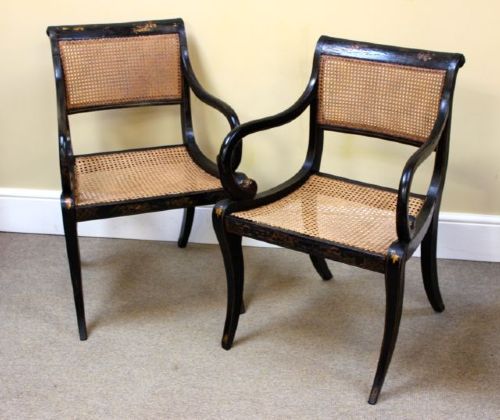
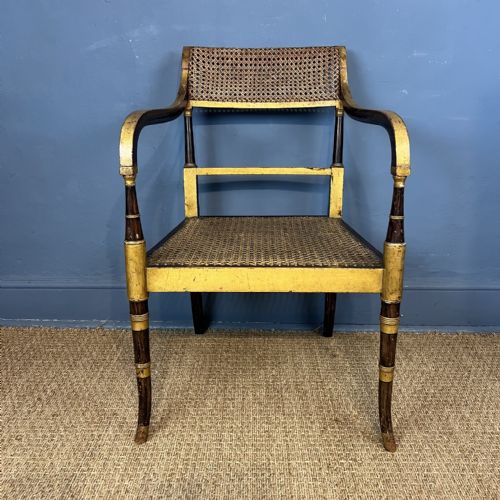
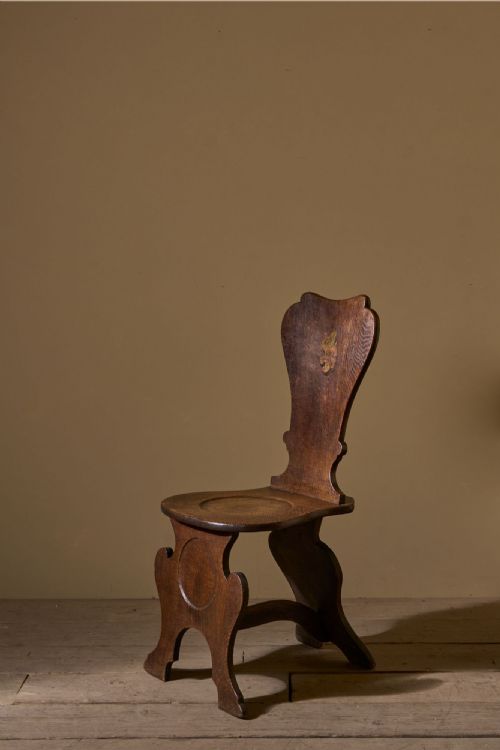
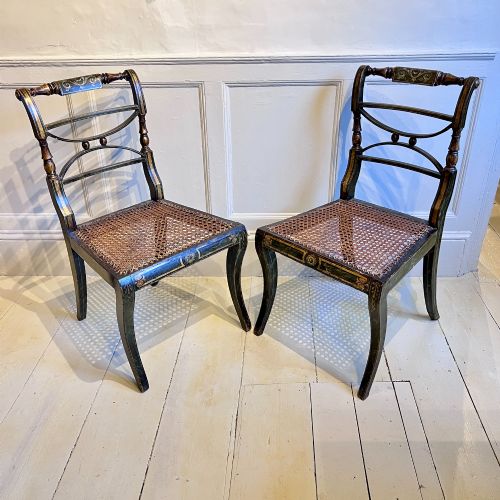
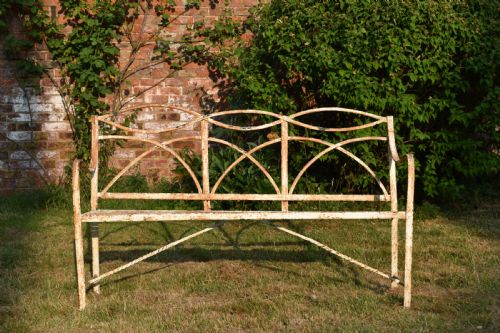
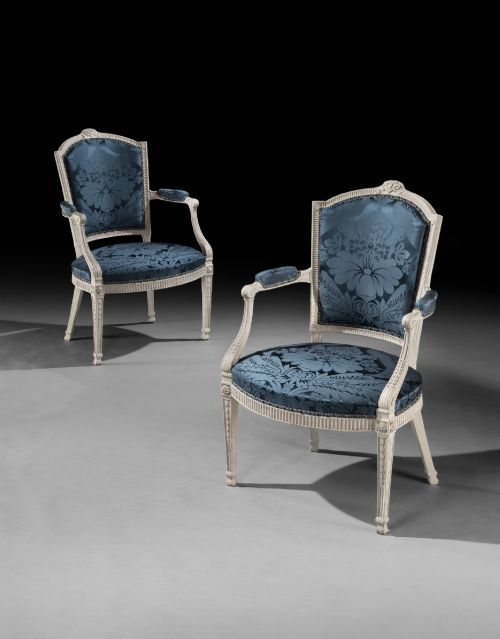
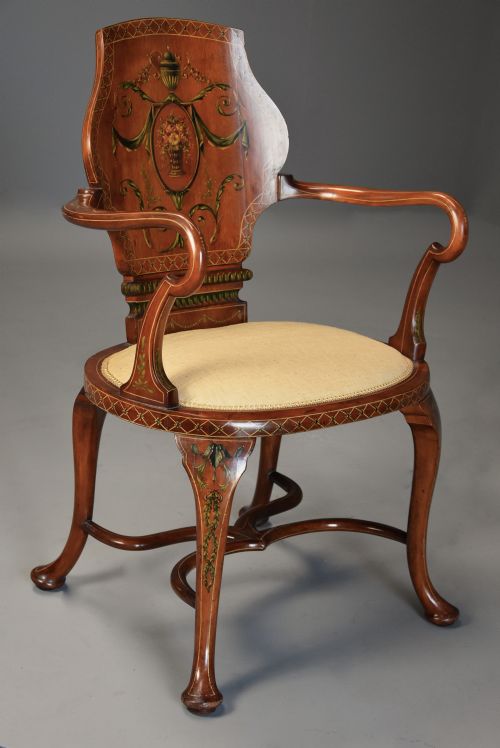
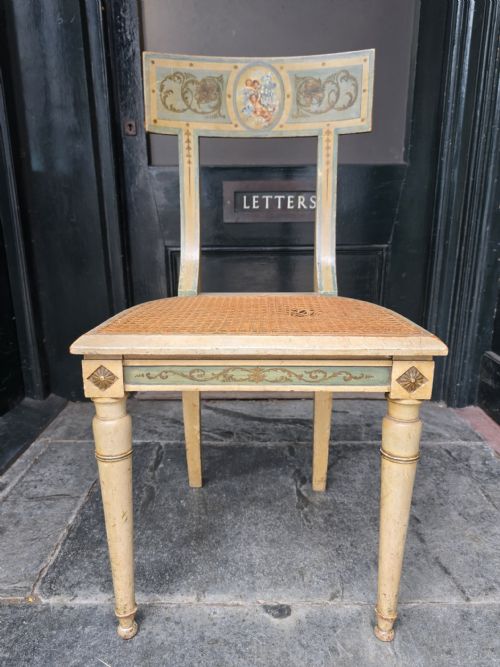
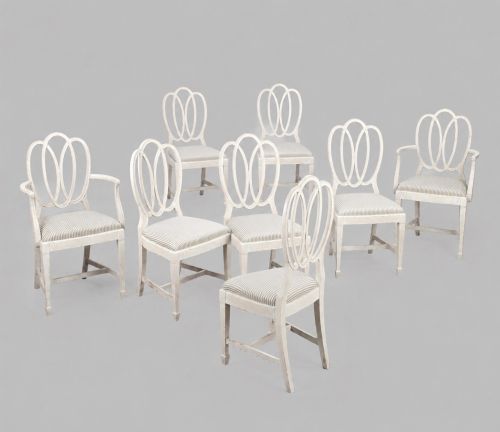
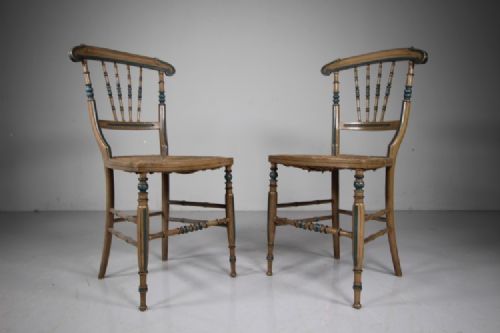
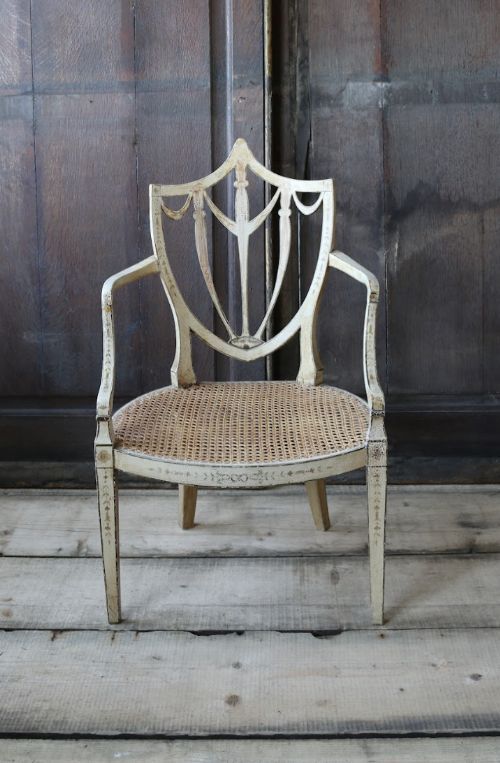
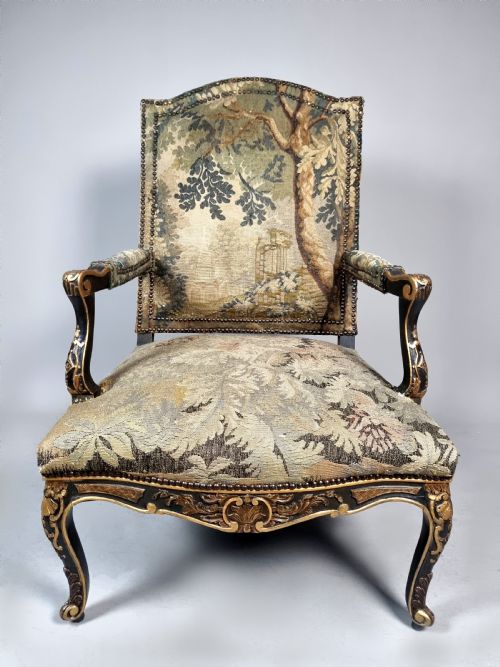
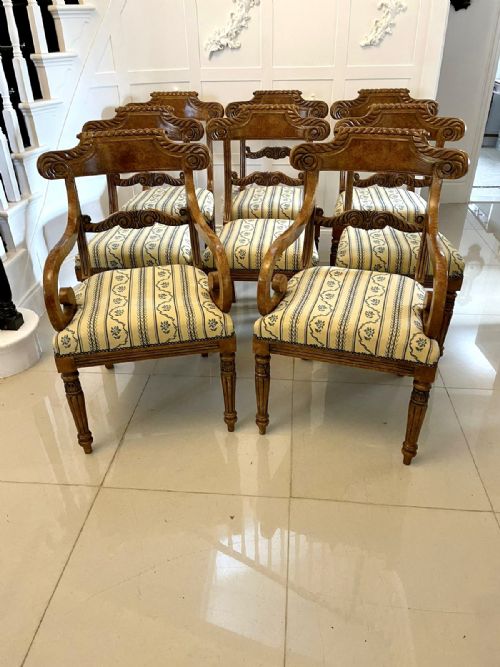
When searching for georgian painted chairs, buyers look at seating spanning the eighteenth and nineteenth centuries, including the Regency and George III periods. These items encompass various forms such as armchairs, side chairs, hall chairs, settees, and garden benches.
The selections on this page feature regional variations like Georgian Country and vernacular designs alongside refined neoclassical examples. Forms range from shield-back and hoop-back Windsor chairs to bamboo-turned frames and settee configurations.
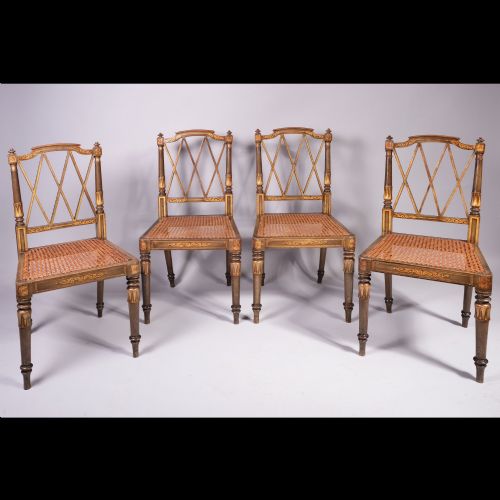
Makers utilised woods such as mahogany, ash, oak, and pine beneath surface decoration that includes satinwood and faux finishes. Seating surfaces often incorporate fabric, cane, or rush inserts within the overall structure.
How they were made
Carpenters and joiners constructed the frames using native and imported timbers, employing traditional joints for stability in armchairs and dining sets. Carved details appeared on mahogany and ash structures before the application of decorative surface treatments.
Finishers applied layers of paint, parcel gilt, or faux graining to imitate exotic woods like rosewood and birds-eye maple. Caning, rush, and upholstered pads provided the seating foundations across different regional and formal workshops.
The documented periods span the eighteenth and nineteenth centuries, incorporating George III, Regency, and Edwardian examples.
What varies in quality
The distinction between tiers rests upon the preservation of original surface decoration and the crispness of carved wooden details beneath the pigment. Pieces retaining their early paint schemes command greater attention from collectors than later repainted surfaces.
Structural integrity through solid joinery and matching sets rather than assembled groupings determines the standing of dining chairs and armchairs. The sophistication of the decorative program, from simple strapwork to detailed Chinoiserie motifs, sets individual examples apart.
Gillows
The Georgian Painted Chairs Glossary
- Faux bamboo
- Wood turned and painted to imitate natural bamboo stalks, frequently seen on Regency seating. Makers utilised this technique to achieve an exotic aesthetic using domestic timber.
- Parcel gilt
- Wood decorated with partial gilding applied over paint or polished surfaces to highlight specific carved details. This treatment catches the light on formal armchairs and settees.
- Rush seat
- A seating platform woven from dried marsh grasses, common in vernacular and country chairs. This traditional method provides a flexible and durable support.
- Strapwork
- Interlaced bands forming geometric patterns on furniture frames and garden benches. The design derives from leatherwork strap ornamentation adapted for wood.
Georgian Painted Chairs: Frequently Asked Questions
How do I identify a genuine period piece?
Examine the timber construction beneath the pigment and check for wear patterns consistent with age. Tool marks and traditional joinery methods indicate period manufacturing.
Compare the decorative motifs and proportions with documented examples from the eighteenth and nineteenth centuries. Original paint layers often show craquelure and subtle fading that modern finishes cannot replicate.
Can I use these chairs for daily dining?
Many dining chairs and sets remain structurally sound for regular seating if the joints and rush or cane panels are secure. Timbers such as mahogany and ash provide strong frames for everyday use.
Consider the weight capacity and seat height relative to modern tables before daily deployment. Professional conservation helps stabilise antique frames without losing their original character.
How should I care for painted wooden surfaces?
Keep the furniture away from direct sunlight and steady heat sources to prevent the wood and paint from drying out. Dust gently with a dry microfibre cloth without applying modern liquid polishes.
Maintain stable indoor humidity levels to protect both the timber substrate and the delicate surface pigment. Consult a conservator if paint flaking or structural movement occurs.