

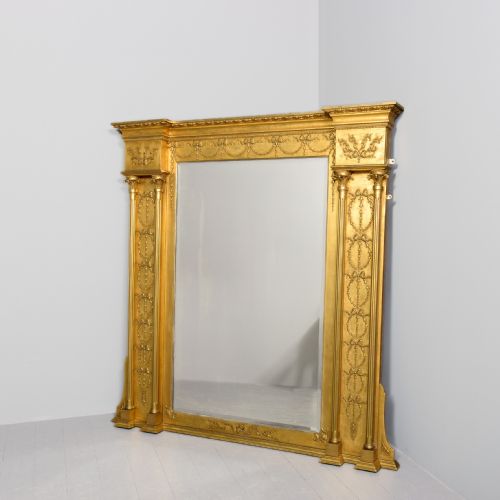


Regency Architectural Mirror Frame
These regency architectural mirror frame examples bring classical lines and gilded presence into a room, offering the proportion and detail that collectors value.
Regency Architectural Mirror Frame
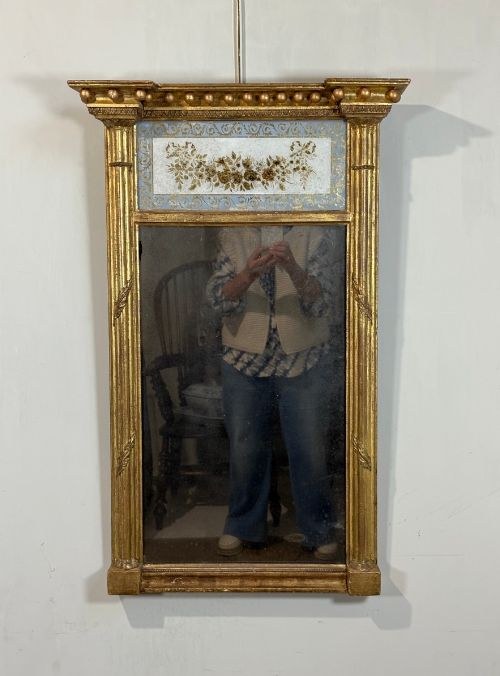
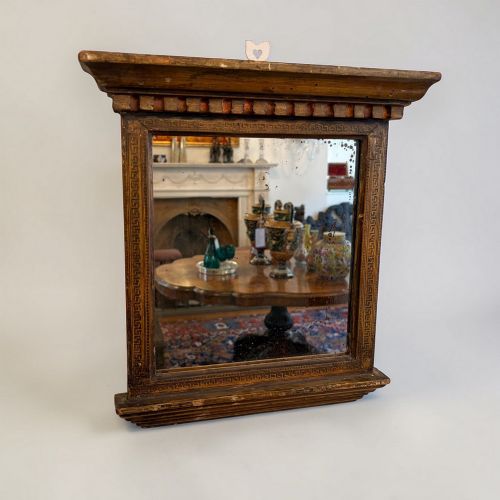
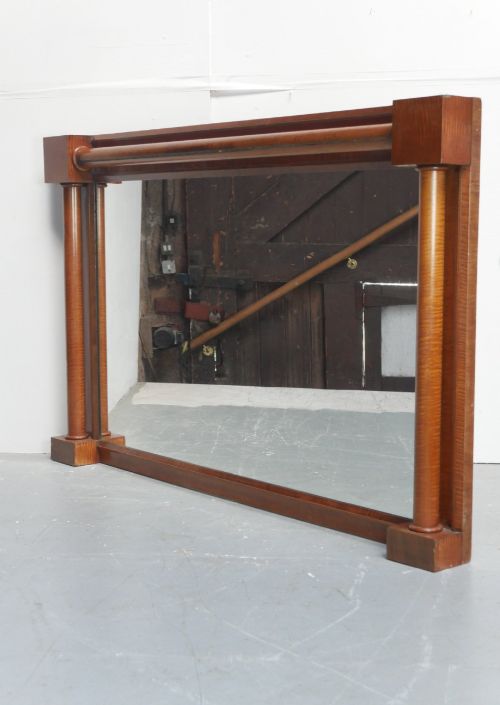
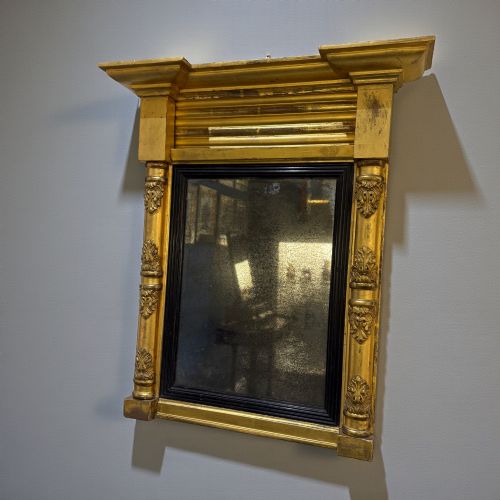
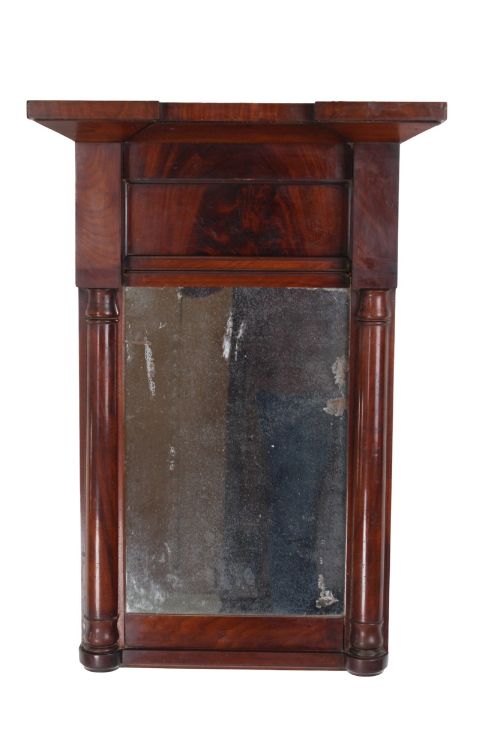
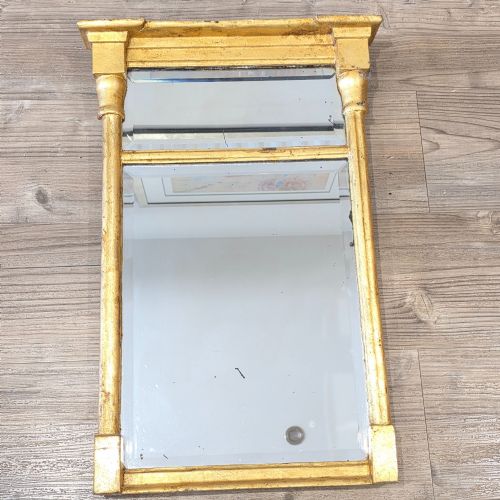
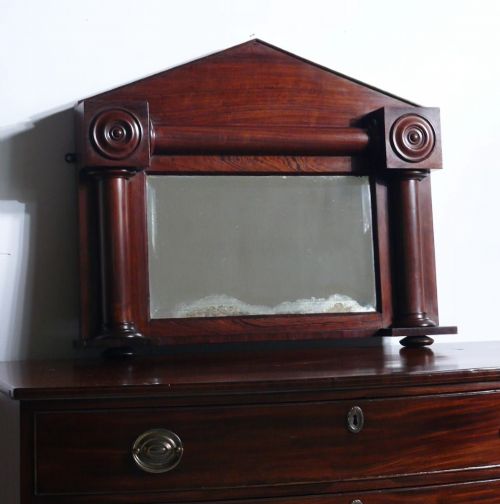
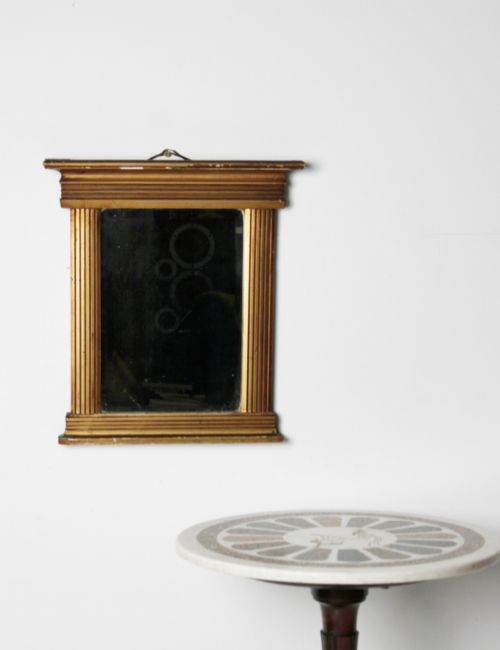
When you search for a regency architectural mirror frame, you are looking at substantial wall furniture shaped by classical building design, including pier mirrors and overmantel mirrors. The pieces you meet on this page span the nineteenth century, including Edwardian and Victorian revivals alongside original Regency and eighteen-hundreds examples.
The dominant forms are wall mirrors designed to hang between windows or above fireplaces, utilising timber and gilded surfaces to catch the light. You will find rectangular oblong formats, leaner formats, and large overmantels bearing neoclassical and Egyptian revival decorations.
Materials and construction
The frames rely on timber foundations such as mahogany, flame mahogany veneer, satin birch, rosewood, and walnut, often paired with applied composition ornaments and gesso. Carved wooden structures are frequently coated in gold leaf to create the characteristic giltwood finish seen across the period.
Makers shaped these woods with reeded mouldings and architectural motifs, sometimes incorporating parcel gilding to highlight specific carved details against the dark timber ground. Original glass plates are held within these substantial wooden and composition carcases.
Regency Architectural Mirror Frame Retail Price Guide 2026
Typical asking prices for regency architectural mirror frame among the pieces listed under this phrase on Sellingantiques today, from the lower quarter to the upper quarter. They describe what is for sale here now, not the wider market.
Some mirrors lean so grandly against the wall they practically demand you practise your most imperious nineteenth-century expression before walking past them.
Distinctions in quality
The distinction between ordinary and superior examples lies in the crispness of the architectural ornament and the depth of the gilding on the gesso and wood. Better pieces display finely executed neoclassical decorations and sharp reeding that hold the eye from across the room.
Material selection also dictates standing, with rich flame mahogany veneers and genuine giltwood frames holding more presence than painted or simpler walnut alternatives. The survival of an original mirror plate further elevates the integrity of the piece.
The Regency Architectural Mirror Frame Glossary
- Pier mirror
- A tall wall mirror specifically designed to hang on the wall space between two windows. These pieces often feature architectural cornices and gilded frames.
- Overmantel mirror
- A wide mirror made to sit directly above a fireplace mantelpiece. They frequently span the width of the fireplace and incorporate classical decorations.
- Giltwood
- Wood carved as a base and covered with thin sheets of gold leaf. This surface treatment defines the bright appearance of classical frames.
- Gesso
- A plaster mixture applied to wood frames to create a smooth surface for gilding or moulding. It allows intricate low-relief decorative details to be formed.
- Retour d'Egypte
- A design taste inspired by Napoleon's campaign in Egypt. It introduces specific pharaonic motifs into Regency decorative arts.
Regency Architectural Mirror Frame: Frequently Asked Questions
Where should I hang an overmantel mirror?
These large mirrors traditionally hang directly above a fireplace mantelpiece to reflect light and anchor the room's proportions.
They also work effectively on substantial plain walls where their architectural framing can act as the main focal point.
How do I spot a Regency revival piece?
Revival pieces, such as those from the Edwardian or Victorian eras, copy the classical lines and gilt finishes of earlier nineteenth-century work.
Closer inspection of the timber construction, backing boards, and ageing of the gilt surface helps distinguish a later copy from an original period piece.
What is a pier mirror used for?
Pier mirrors were originally placed on the narrow strip of wall between two windows to bounce daylight back into dark rooms.
Their vertical proportions and architectural frames make them well suited for narrower wall spaces in hallways or living areas.
What does architectural inspiration mean for a mirror?
It means the frame borrows structural elements from classical buildings, such as cornices, columns, pilasters, and friezes.
These elements give the mirror the presence of a scaled-down classical facade rather than a simple picture frame.