

Red Wool Trappings
Red wool trappings are tribal textiles created for horses, camels, and domestic use by nomadic groups across Central Asia and Persia.
Red Wool Trappings
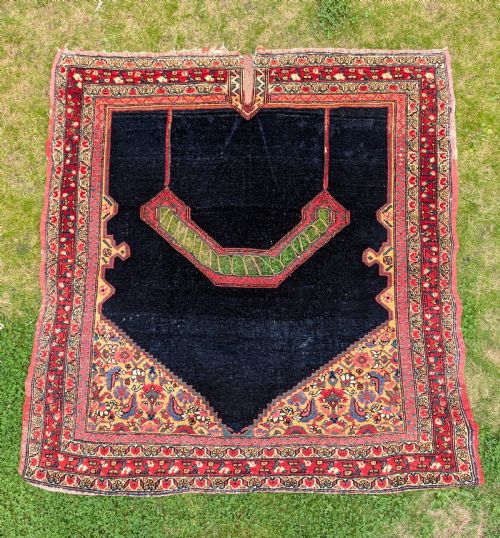
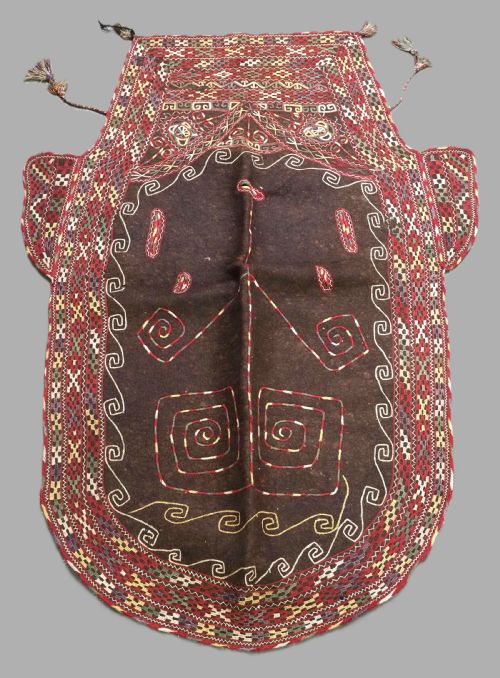
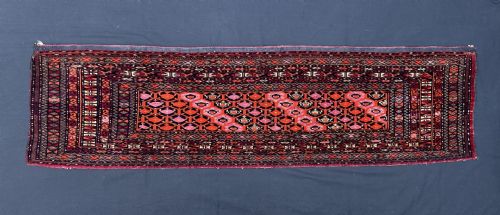
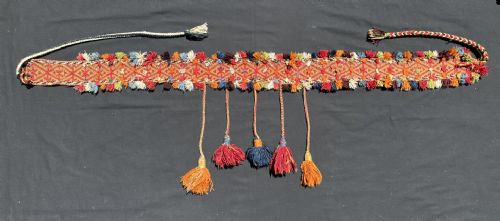
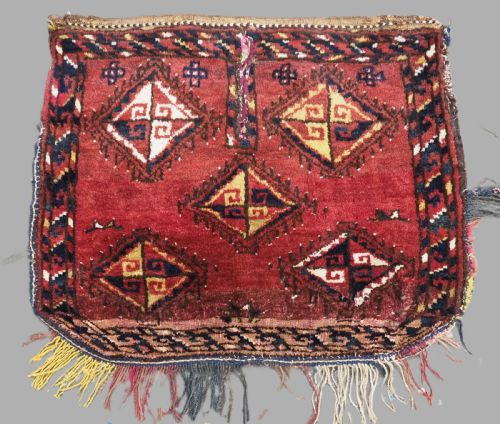
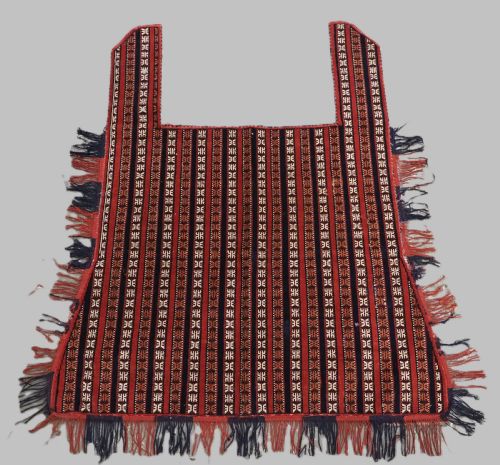
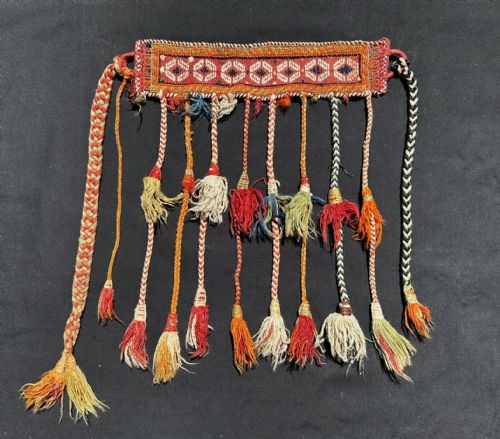
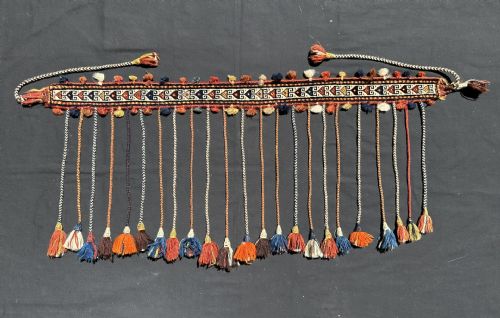
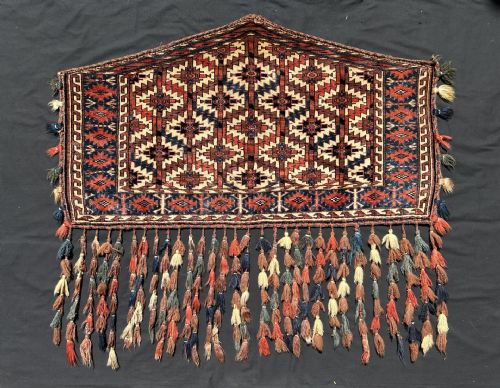
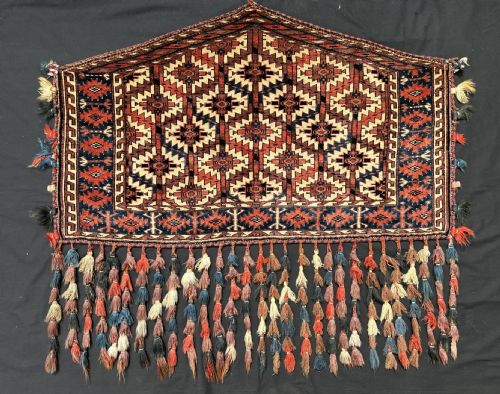
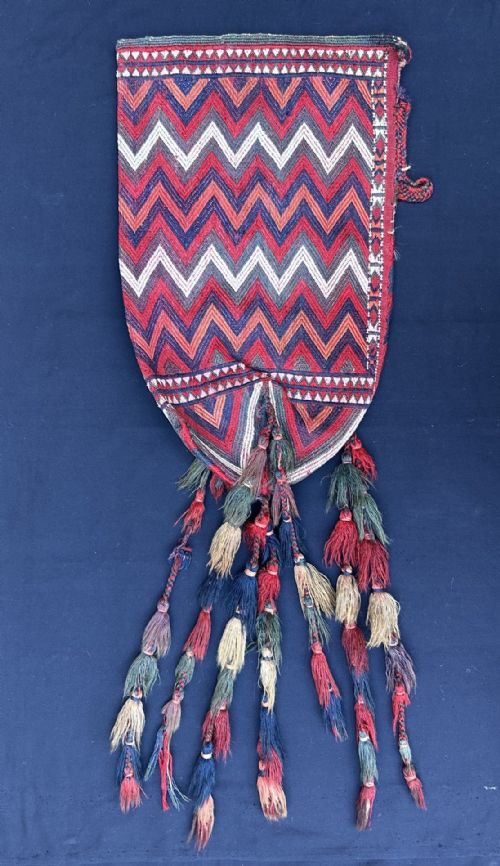
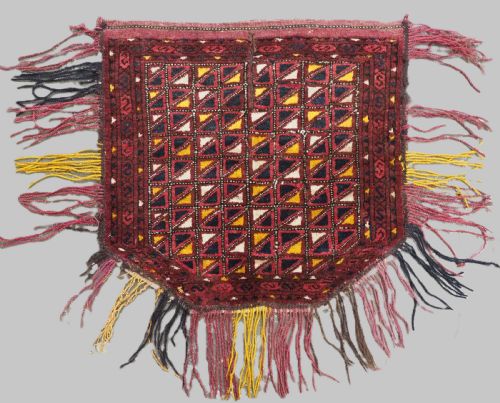
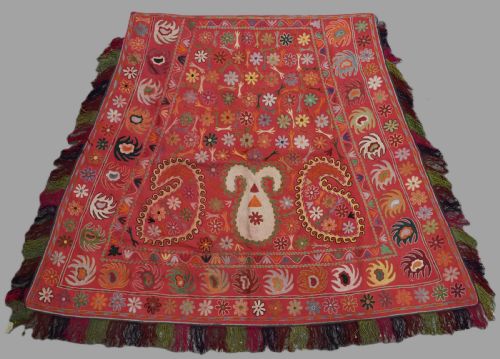
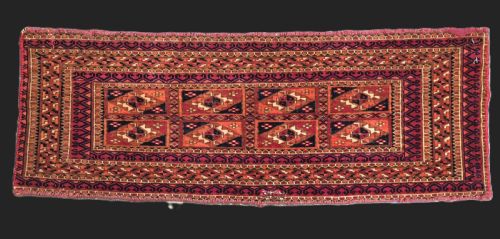
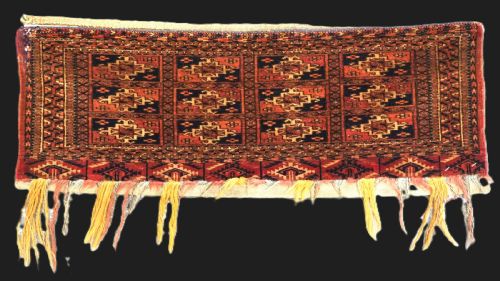
When searching for red wool trappings, buyers encounter a specialised selection of nineteenth and early twentieth-century nomadic artefacts originating from Turkmen, Qashqa'i, and other tribal groups. The most frequent pieces on this page are saddle covers, horse blankets, and torbas used for nomadic transport and ceremonial occasions.
These items include asmalyks, jollars, and animal decorations woven or embroidered in wool and felted wool. Collectors also find smaller utility bags and wall hangings displaying traditional tribal motifs associated with specific regional weaving traditions.
Materials and Construction Techniques
The primary material across these pieces is wool, often combined with natural dyes, cotton, and silk thread for decorative highlights. Artisans utilised felted wool for durable horse blankets and employed cotton thread or silk thread for intricate embroidery work.
Structural elements frequently incorporate leather and cotton backing to reinforce heavy-use items such as saddle rugs and ceremonial horse covers. The integration of these organic textiles reflects the practical requirements of pastoral nomadic life.
Materials documented across the inventory include wool, natural dyes, cotton, silk, felted wool, and leather.
Evaluating Quality and Execution
Quality in these textiles rests upon the density of the weave, the clarity of the design motifs, and the preservation of natural dyes. Pieces with exceptionally fine weaves and complete original elements like tassels or backs command greater attention from collectors.
The precision of tribal pattern execution and the depth of the red wool ground distinguish standard utilitarian objects from scarce ceremonial examples. Artisanal skill appears in the complexity of regional guls and the harmony of secondary contrasting hues.
The Red Wool Trappings Glossary
- Torba
- A small utilitarian bag or storage sack produced by Turkmen and other tribal groups. These items were typically hung inside nomadic tents for household storage.
- Asmalyk
- A large, pentagonal trapping traditionally mounted on the flanks of a camel during wedding processions. Yomut and other Turkmen tribes wove these ceremonial pieces for special rites.
- Gul
- A repeating primary medallion or octagonal motif characteristic of Turkmen carpet and textile design. Each tribal subgroup utilised distinct variations to signal identity.
- Jollar
- A long, narrow storage bag used within nomadic dwellings or for animal transport. They feature characteristic repeating patterns across the wool ground.
- Mafrash
- A rectangular storage chest face or panel utilised for bedding and household goods during seasonal migrations. These woven panels often display detailed geometric layouts.
Red Wool Trappings: Frequently Asked Questions
What were red wool trappings originally used for?
These textiles served practical and ceremonial roles within nomadic communities across Central Asia and Persia. They functioned as protective horse blankets, saddle covers, and decorative adornments for pack animals during migrations and weddings.
Nomadic families also utilised smaller iterations, such as torbas and storage bags, inside their tents for domestic organisation. Every piece combined utility with tribal identity expressed through traditional regional motifs.
How do I identify a Yomut Turkmen trapping?
Yomut trappings typically feature specific tribal güls, such as the aishk gül, set against a characteristic red wool ground. Artisans from the Trans-Caspian steppes often incorporated distinctive border arrangements and precise geometric structures.
Examining the weave density and the specific shade of the natural red dye helps separate Yomut examples from neighbouring Tekke or Ersari pieces. Surviving structural details like original tassels or felt construction further confirm the regional origin.
Where did Qashqa'i animal trappings originate?
Qashqa'i trappings originate from nomadic confederacies operating within the Fars province of south-west Persia. These pieces reflect the weaving traditions of groups such as the Darrehshuri and Kashkuli tayefeh.
Makers utilised locally sourced wool and natural dyes to produce animal decorations, vanity bags, and cradle covers. The decorative vocabulary relies on regional tribal symbols distinct from those found in Central Asian workshops.
How should I care for antique wool textiles?
Antique wool and felt require protection from direct sunlight to prevent natural dye fading. Gentle vacuuming through a mesh screen removes accumulated dust without disturbing fragile fibres or silk highlights.
Items intended for wall display need secure, even weight distribution across the textile rather than suspension from isolated points. Professional conservation advice ensures that structural repairs respect the original materials.