


Nomad Tribal Carpet
A nomad tribal carpet brings hand-spun wool and natural dyes from nineteenth-century weaving traditions straight into a modern room.
Nomad Tribal Carpet
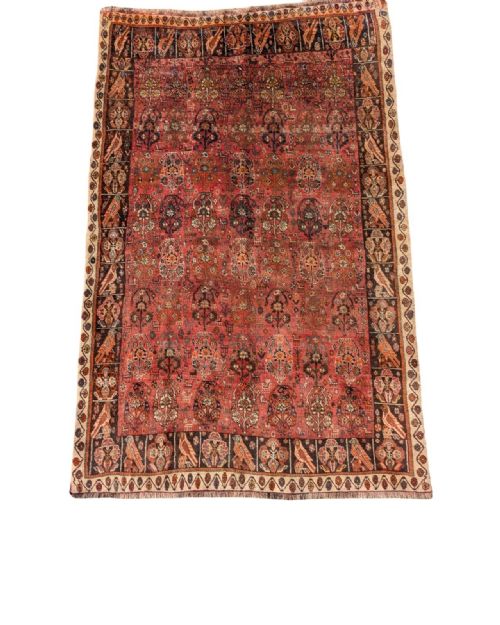
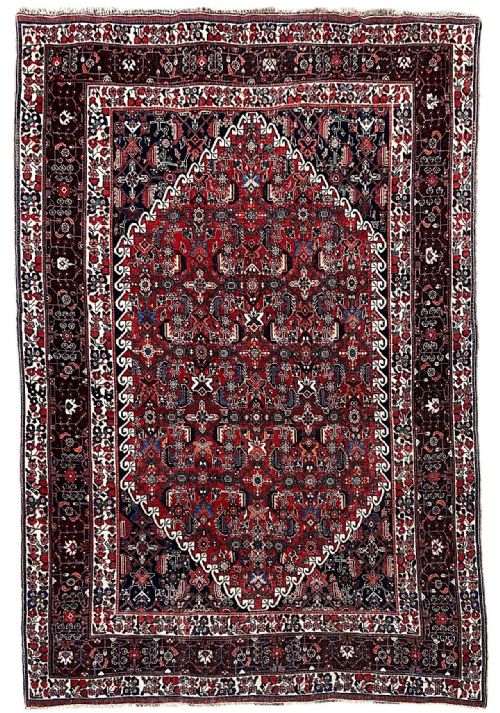
When a buyer searches for a nomad tribal carpet, they are looking at floor coverings and smaller textiles produced by nomadic and village groups across Persia, Central Asia, and the Caucasus. These pieces include long rugs, prayer rugs, kilims, and utilitarian bags made for daily nomadic existence.
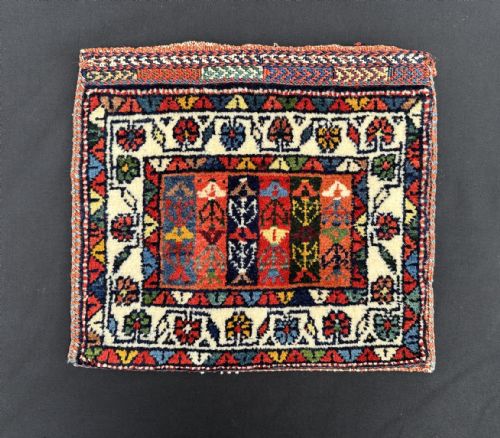
The most common examples on this page date from the nineteenth century up to the 1930s, originating from specific tribal groups such as the Qashqai, Afshar, Shahsevan, and various Turkmen tribes. They range from small bag faces and torbas to room-sized rugs and carpets.
Each piece reflects the visual vocabulary of its makers, often employing geometric guls, animal motifs, and compartment designs. They function simultaneously as practical floor coverings and as expressions of regional identity.
Materials and Construction
Weavers relied primarily on hand-spun wool, cotton, goat hair, and camel wool to construct these textiles, spinning the fibres by hand to create durable foundation threads and pile yarns. Natural dyes provided the deep reds, blues, and ivory grounds characteristic of the period.
Nomadic weavers utilised portable vertical or horizontal looms to produce flatweaves or pile rugs, often combining techniques within a single piece. The inclusion of goat hair along the selvedges or camel wool in the pile provided structural strength for practical transport and use.
Several bags retain their original function as salt containers, bird carriers, or half-saddlebags woven for life on the move.
Quality and Execution
The distinction between standard examples and the finest pieces lies in the precision of the knotting, the handling of the wool, and the depth of the natural dyes. Superior pieces demonstrate tightly packed foundations and well-balanced palettes that age gracefully over time.
Compositional balance and clarity in traditional motifs, such as guls or animal figures, separate ordinary production from exceptional tribal weaving. The integrity of the original edges and the overall handle of the textile also signal the care taken during production.
The Nomad Tribal Carpet Glossary
- Gul
- A primary medallion or octagonal motif repeated across Turkmen carpets and related tribal textiles. These designs often identify the specific clan or tribe of the weaver.
- Torba
- A small tent bag or wall hanging traditionally used for storage within nomadic households. These functional pieces frequently display intricate weaving and design work.
- Kilim
- A flatwoven textile produced without a pile by tightly interweaving warp and weft threads. This technique creates lightweight rugs and utility covers with geometric patterns.
- Warp
- The vertical threads stretched tightly on the loom before weaving begins. The pile and weft yarns are knotted or passed through these stationary foundation threads.
- Weft
- The horizontal threads passed back and forth across the warp to secure the knots and bind the structure of the rug. They contribute to the handle and flexibility of the textile.
Nomad Tribal Carpet: Frequently Asked Questions
What is a nomad tribal carpet?
A nomad tribal carpet is a hand-woven textile produced by nomadic or semi-nomadic groups for domestic use or transport. They utilise traditional materials like hand-spun wool and natural dyes to create durable, patterned floor coverings.
These pieces reflect the distinct cultural styles and knotting techniques of regions such as Persia, Central Asia, and the Caucasus. Their designs range from geometric guls to pictorial pillars and dragon motifs.
How were these rugs used originally?
Nomadic weavers created these textiles to serve practical purposes within tents and seasonal camps, including ground cover, bedding, and storage bags for household possessions. Smaller bags, such as torbas and salt bags, held provisions or personal items during migrations.
Over time, many of these utilitarian objects transitioned into decorative roles as floor rugs or wall hangings. Their construction accommodated the rigorous demands of a mobile lifestyle.
How do I care for an antique rug?
Antique wool rugs require gentle maintenance, beginning with regular, careful vacuuming without a rotating brush roll to protect the pile and fringes. Keeping them out of direct sunlight prevents the natural dyes from fading over the years.
Professional cleaning tailored to antique textiles helps maintain the integrity of the wool and cotton foundations. Spot cleaning should be approached cautiously to avoid water damage or dye bleeding.
How do I identify different tribal styles?
Identifying tribal styles involves examining the specific motifs, colour combinations, and structural characteristics unique to each weaving group. For instance, Tekke and Ersari pieces often feature distinct guls, while Qashqai rugs frequently incorporate medallion designs and rich wool.
Regional differences in materials, such as the use of camel wool or goat hair in specific borders, also offer clues to origin. Comparing the palette and weave structure helps distinguish between groups like the Afshar, Baluch, and Shahsevan.