
Red Pottery Vase
When you search for a red pottery vase, you are looking at ceramic vessels that range from the robust earthenware of the nineteenth century to the experimental glaze works of the Edwardian era.
Red Pottery Vase
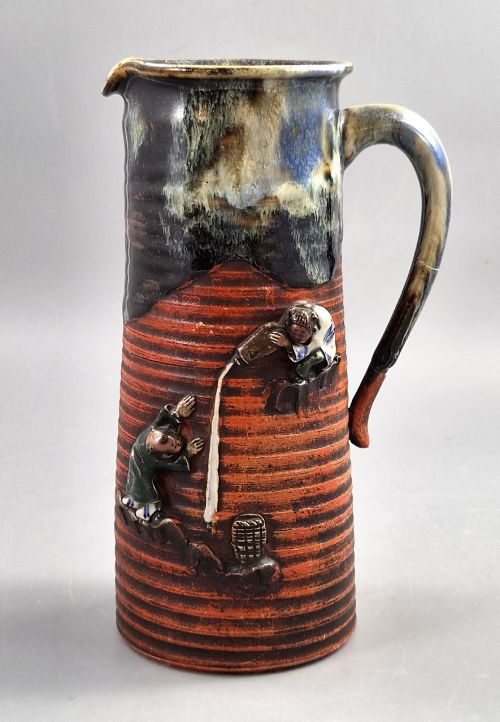
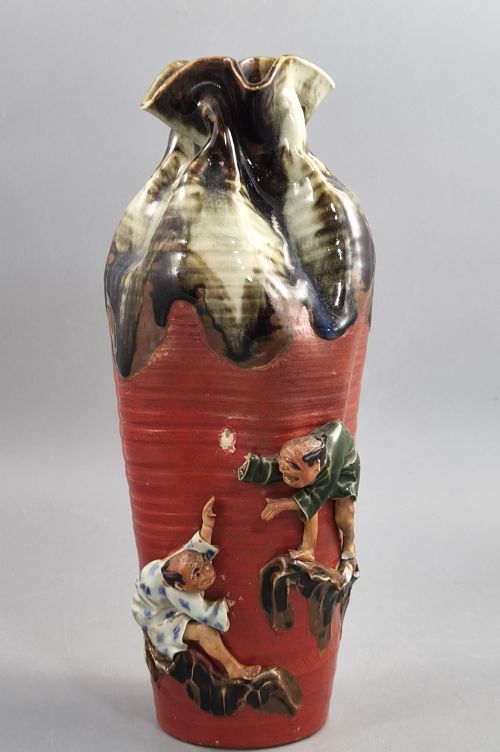
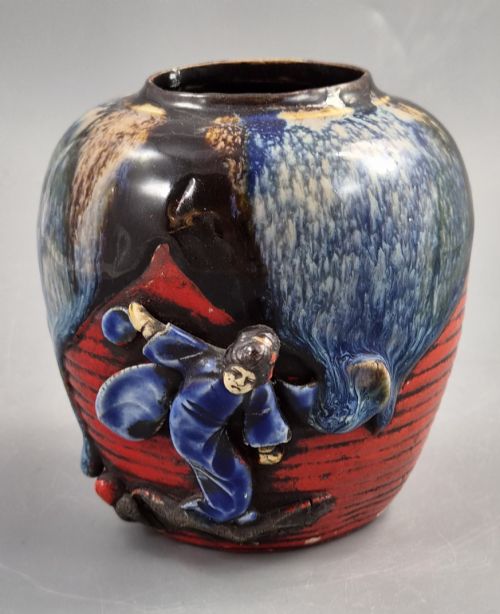
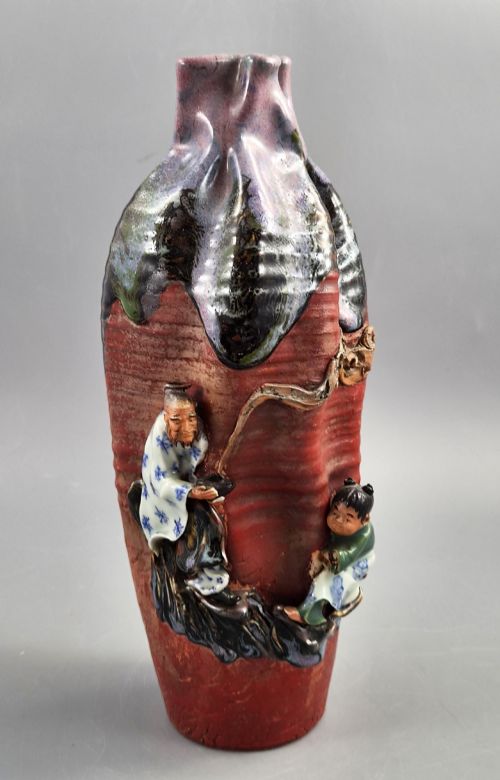
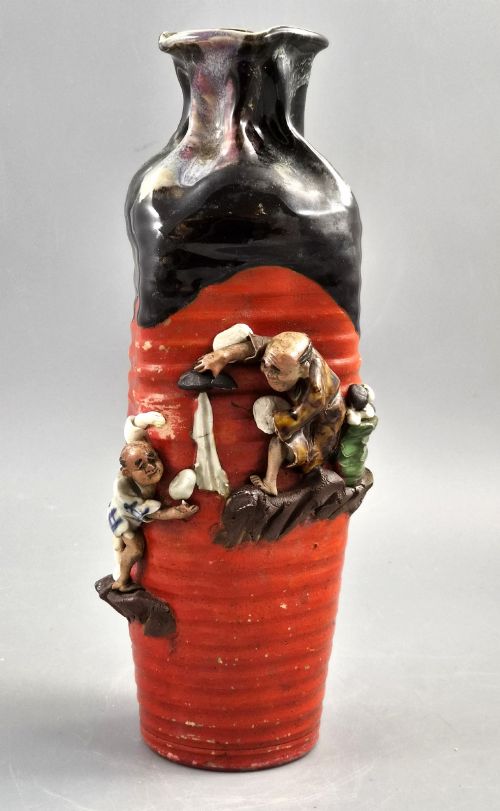
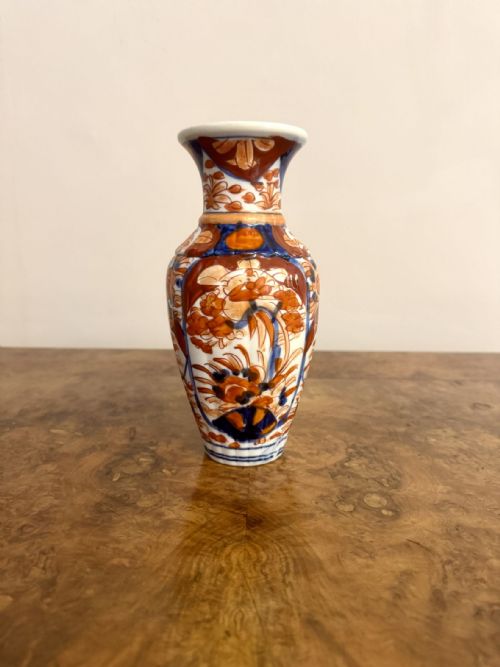
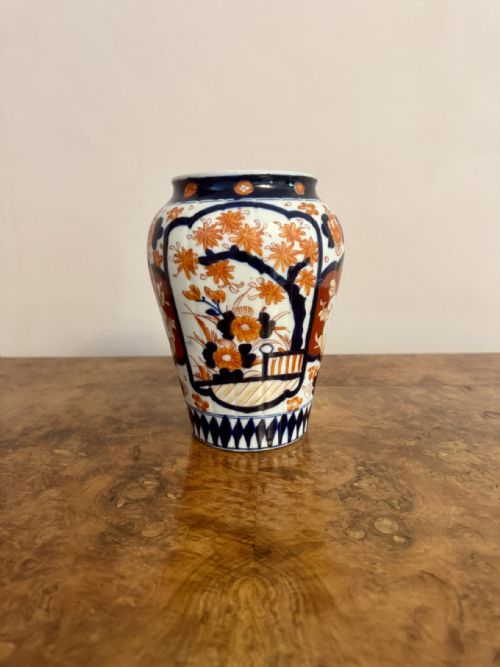
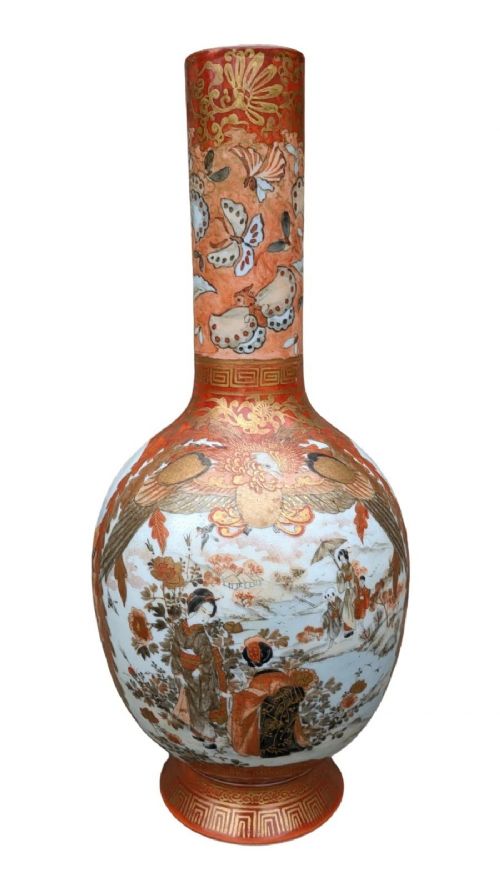
A red pottery vase encompasses a diverse group of ceramic and earthenware vessels originating from British, European, and East Asian workshops during the nineteenth and early twentieth centuries. The selection on this page leans heavily toward Japanese studio ceramics, specifically the sculptural styles of Sumida Gawa and Kutani wares produced during the Meiji and Taishō periods.
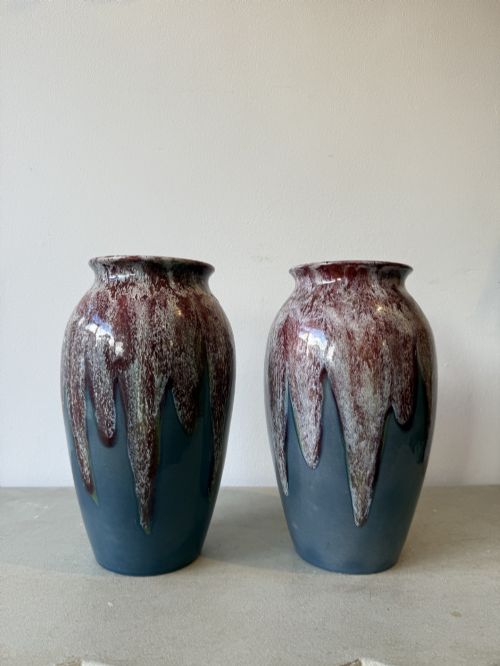
Beyond East Asian ceramics, buyers will encounter British art pottery and continental European pieces spanning the Victorian and Edwardian eras. These objects take various forms, from baluster jars and pitchers to slender neck vases and highly decorated ornamental urns.
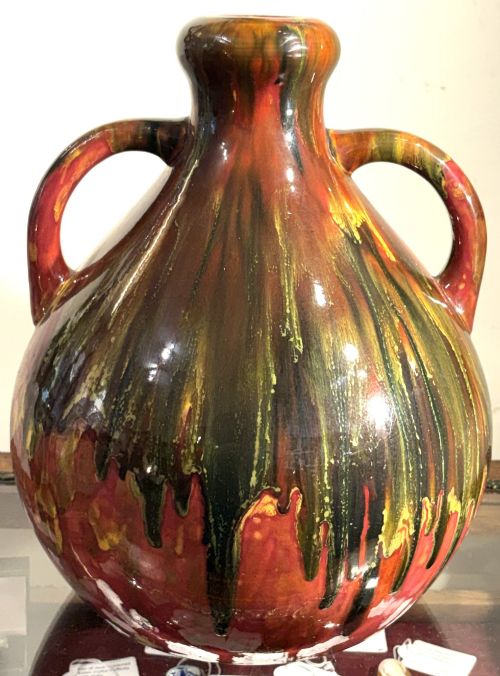
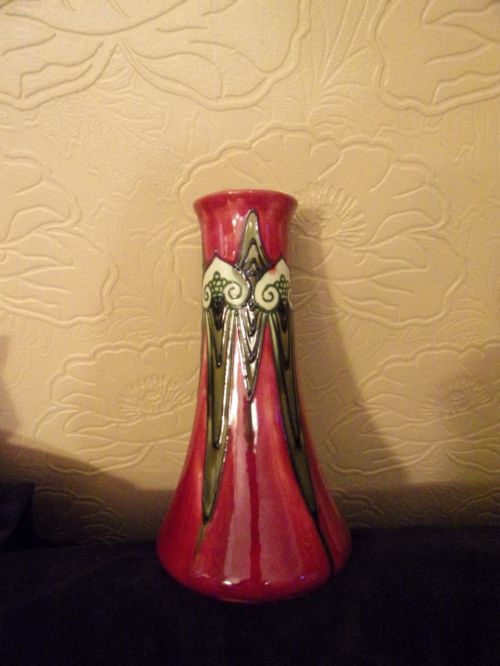
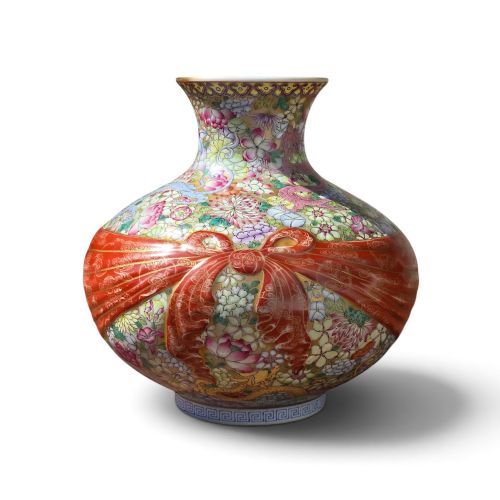
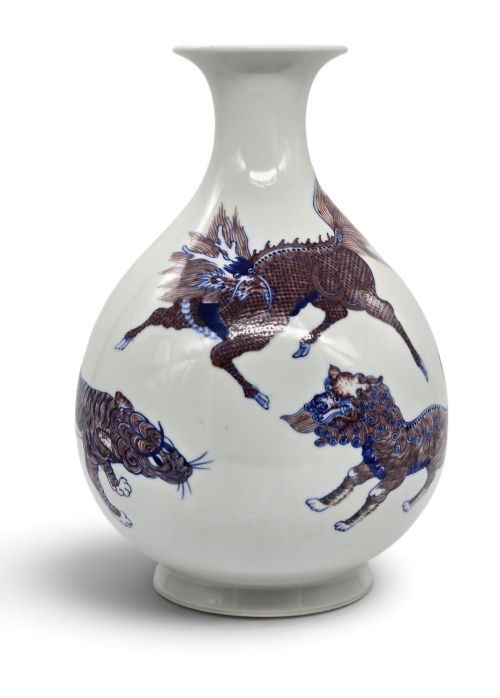
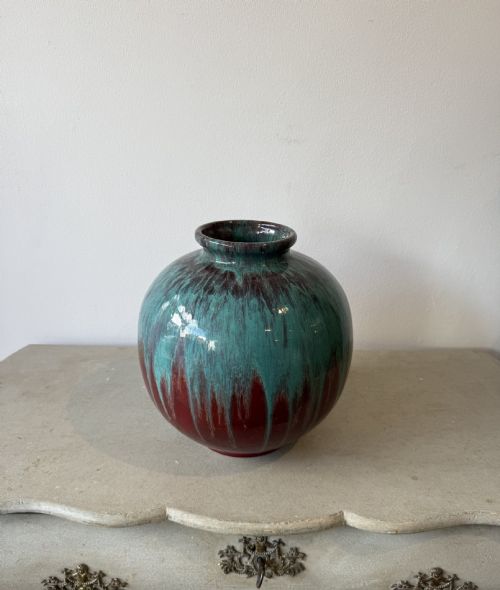
The assortment includes specialised techniques such as tube-lined earthenware, flambe glazes, and detailed hand-painted iron-red motifs. Each piece reflects the aesthetic movements of its origin, bridging traditional craftsmanship with turn-of-the-century design.
How they were made
Makers utilised various foundational bodies including terracotta, earthenware, stoneware, and porcelain, shaped either by hand on a wheel or cast in moulds. Artisans then applied intricate surface treatments such as enamel paints, gold leaf accents, and specialised chemical glazes.
Firing techniques played a central role in the final appearance, particularly in the creation of flambe effects and high-fired stonewares where kiln temperatures altered the iron-rich pigments. Additional depth was achieved through techniques like tube-lining, where raised lines of clay created compartments for coloured enamels.
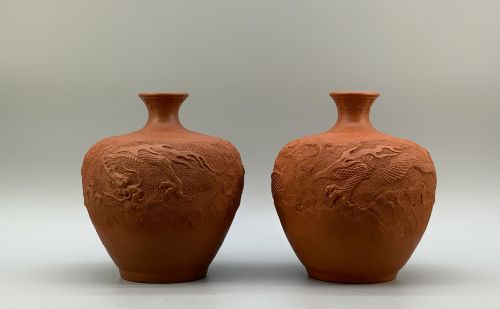
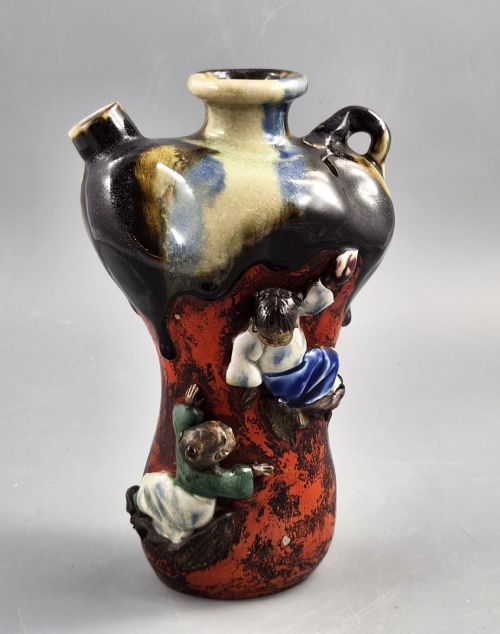
Many Japanese pieces incorporate applied sculptural elements, where figures and natural motifs were modelled separately and attached to the vessel body prior to the final glaze firing.
Several vases feature tiny, determined clay figures caught mid-climb, refusing to let a mere glaze ruin their mountain hike.
What varies in quality
Quality in these ceramics rests on the precision of the modelling and the depth of the glaze chemistry. Pieces featuring hand-modelled sculptural figures display a higher degree of artisan skill than those relying solely on standard cast decoration.
The control shown during high-temperature kiln firings determines the success of flambe and copper-red effects, separating standard production wares from superior studio outputs. Furthermore, the crispness of underglaze painting and the retention of delicate enamel and gold leaf details indicate the original standing of the workshop.
Minton·Ruskin Pottery·Inoue Ryosai
The Red Pottery Vase Glossary
- Flambe glaze
- A streaked or mottled glaze produced by high-temperature reduction firing, creating rich transitions of colour. This technique was favoured by various art pottery kilns in the early twentieth century.
- Moriage
- A Japanese ceramic decorating technique using slip applied from a tube to build up raised decorative patterns. It often frames hand-painted panels on Kutani and Satsuma wares.
- Tube-lined
- A method of applying outlines of liquid clay onto a pottery body from a nozzle before glazing. This creates raised barriers that hold distinct pools of coloured enamel.
- Earthenware
- Porous pottery fired at lower temperatures than stoneware or porcelain, requiring a glaze to achieve water resistance. It forms the base body for many Victorian and Edwardian decorative pieces.
- Baluster
- A vase form characterised by a rounded lower body that tapers toward the neck, resembling a traditional architectural baluster. This shape provides a stable base for heavy surface decoration.
Red Pottery Vase: Frequently Asked Questions
How do I care for antique pottery?
Display your ceramics away from direct sunlight to protect enamel pigments and gold leaf details from fading over time. Dust gently with a dry, soft cloth and avoid submerging pieces with applied sculptural elements or unglazed porous bodies in water.
Handle vessels by the body rather than the rim or handles, as applied figures and delicate necks are vulnerable to stress fractures. Regular inspection of display surfaces ensures the base remains stable and protected from friction.
What is Sumida Gawa pottery?
Sumida Gawa pottery originates from the banks of the Sumida River in Tokyo during the late nineteenth and early twentieth centuries. These wares are distinguished by their heavy, dribbled flambe glazes and animated, hand-modelled figures climbing across the exterior.
The style breaks away from traditional formal perfection in favour of a sculptural, expressive aesthetic. Collectors value these pieces for their narrative scenes and individualistic artistic execution.
How can I tell the period?
Dating relies on a combination of material composition, glaze characteristics, and base markings. Late nineteenth-century pieces often reflect export-driven aesthetic movements, while Edwardian and Taisho era items lean toward experimental studio glazes.
Examining the foot ring, crazing patterns, and signature styles provides further clues to the manufacturing decade. Comparing the piece against documented workshop signatures helps narrow down the origin.
Were these vases used or decorative?
Many larger examples served strictly as decorative focal points in Victorian and Edwardian drawing rooms, often displayed on dedicated stands. Smaller pitchers and jars frequently combined ornamental appeal with functional utility for serving or holding dried botanicals.
The presence of interior wear or staining often indicates practical use, whereas pristine interiors suggest purely ornamental display from manufacture.