






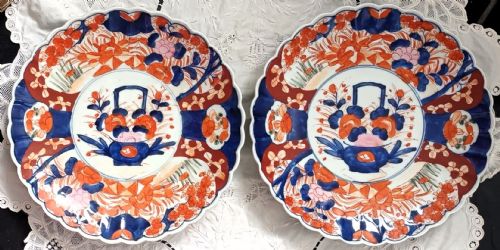
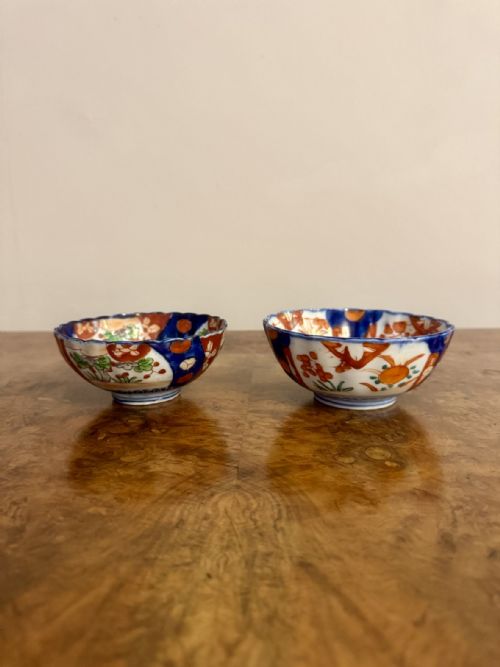
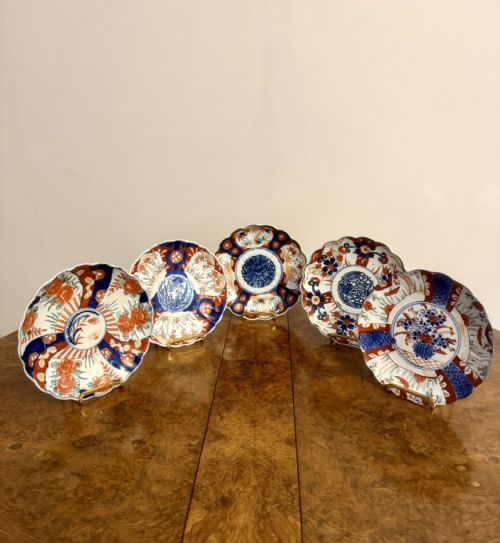
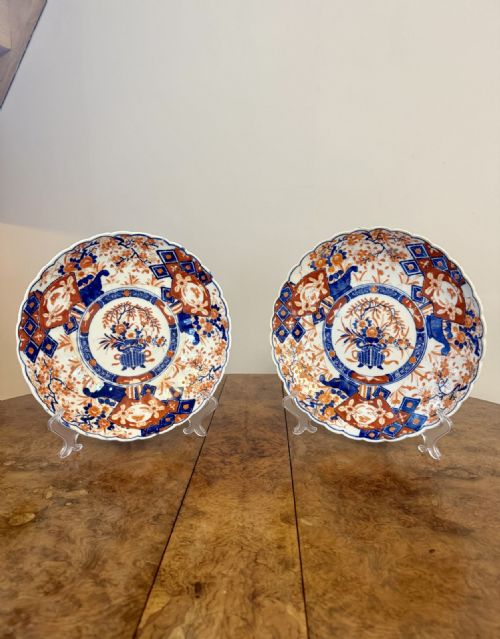
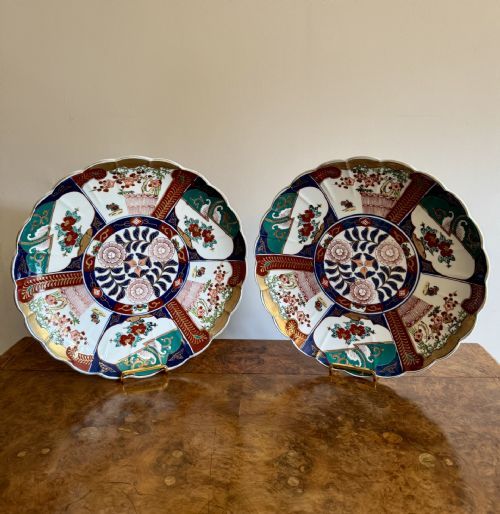

Red Porcelain Decorative Dish
These red porcelain decorative dish pieces bring vibrant colour and intricate hand-painted detail to any room.
Red Porcelain Decorative Dish
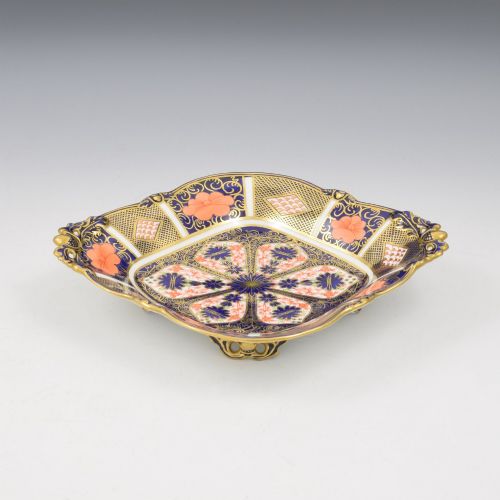
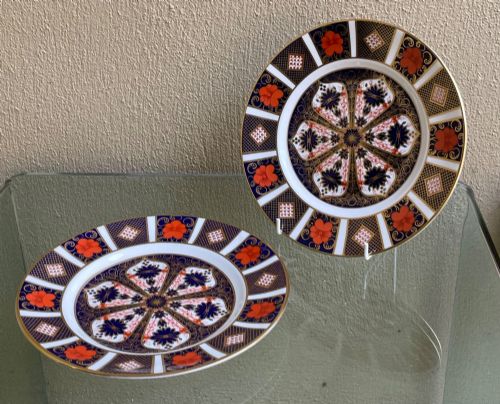
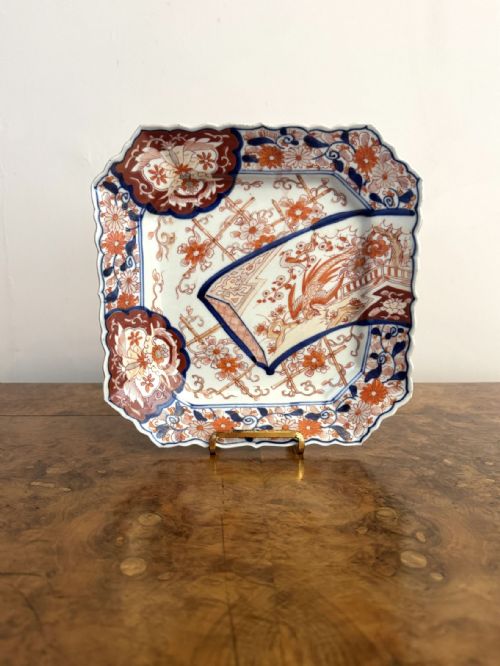
A red porcelain decorative dish encompasses chargers, plates, bowls, and trays shaped with scallop edges, square forms, or hexagonal profiles. Buyers searching this phrase meet pieces originating from various periods, including the eighteenth, nineteenth, and twentieth centuries.
The selections span distinct cultural traditions, notably Japanese Imari, Chinese export porcelain, and English bone china. Many examples employ iron-red pigments combined with cobalt underglaze and gold leaf to create striking visual contrasts.
Materials and production techniques
Potters shaped ceramic clay and bone china before applying cobalt underglaze, enamel, and iron-red pigments by hand. Kiln firing vitrified the porcelain, producing a durable, impermeable body suitable for intricate painted motifs.
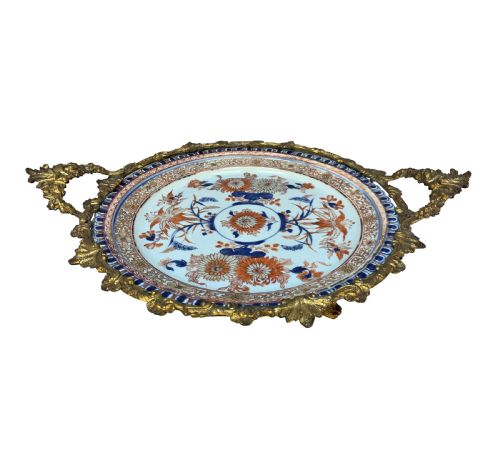
Gilt, gold leaf, and occasionally ormolu mounts were applied to accent rims, floral patterns, and pictorial scenes. These metallic details required careful secondary firing to bond securely with the glaze surface.
Listings feature porcelain pieces spanning from the eighteenth century through to the mid twentieth century, incorporating ceramic, enamel, and gold leaf.
Factors determining quality
The precision of hand-painted floral and bird designs dictates the visual appeal of each plate or charger. Finer pieces demonstrate steady brushwork, controlled pigment saturation, and harmonious alignment between iron-red and cobalt underglaze details.
Forming techniques also separate standard items from superior examples, such as crisply moulded scalloped edges, precise hexagonal or square symmetry, and well-balanced ormolu mounts.
Royal Crown Derby
The Red Porcelain Decorative Dish Glossary
- Imari
- A style of Japanese porcelain featuring a distinctive palette of iron-red, cobalt blue, and gold leaf over a white ceramic body. The tradition originated in Arita and gained popularity across Europe.
- Charger
- A large decorative plate traditionally used for formal display rather than serving food. These pieces often measure significantly wider than standard dining plates.
- Or movilidad
- Cast and gilt-bronze mounts applied to decorative porcelain objects, primarily seen on European and export pieces. This metalwork provides structural framing and ornamental handles or bases.
- Cobalt Underglaze
- A blue pigment applied to ceramic pieces before the final glaze and firing. This technique protects the colour beneath a glassy protective layer.
- Bone China
- A type of porcelain containing bone ash, producing a durable, milky-white ceramic body. English makers utilised this material extensively for patterned plates and serving trays.
Red Porcelain Decorative Dish: Frequently Asked Questions
How do I display a large charger plate?
Large chargers and display dishes mount securely on sturdy wall brackets or rest safely on cabinet plate stands.
Position them away from direct sunlight to preserve the vibrancy of the iron-red enamel and gold leaf highlights.
Are these dishes safe for serving food?
Historic decorative plates and chargers serve primarily as display items or decorative trays rather than everyday tableware.
Older glazes and hand-painted surface enamels warrant gentle handling and manual cleaning rather than machine washing.
How can I tell Japanese Imari from English Imari?
Japanese Imari pieces typically feature traditional motifs like landscapes, birds, and floral arrangements on dense porcelain bodies dating from the Edo or Meiji periods.
English interpretations, such as those by Royal Crown Derby, utilise bone china and often display specific pattern numbers.
What does the term Meiji period mean?
The Meiji period spans late nineteenth and early twentieth century Japanese history, marking a prolific era for porcelain export.
Items from this time often exhibit detailed hand-painted floral and pictorial designs.