






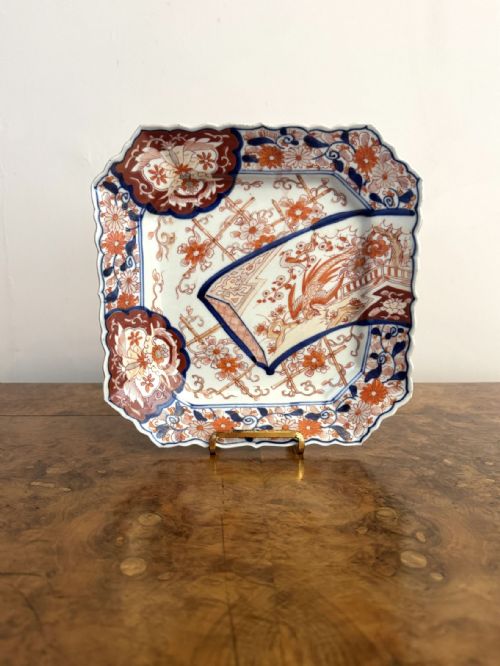
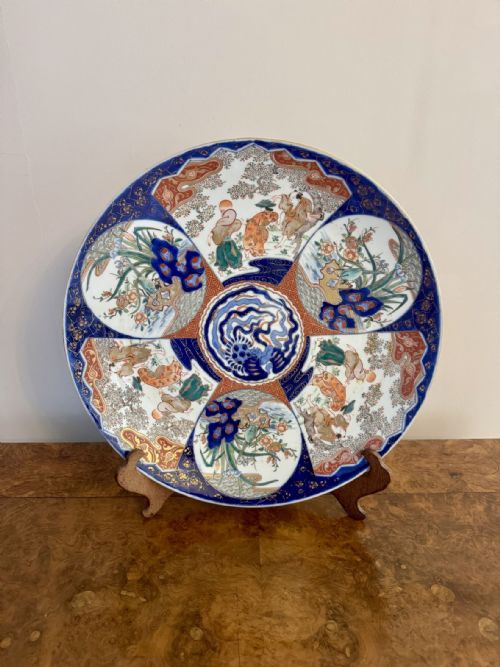
Red Porcelain Charger
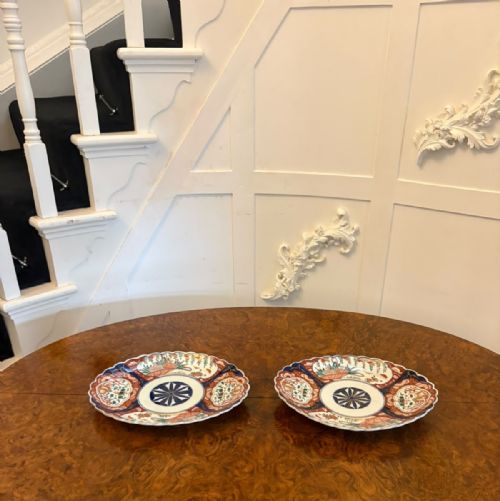
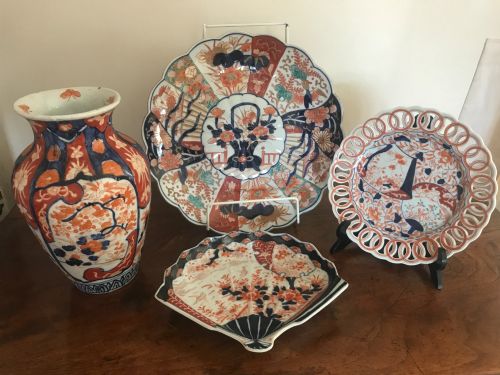
These red porcelain charger pieces are ornate decorative plates and dishes that bring rich traditional palette work and historical ceramic craft into a room.
Red Porcelain Charger
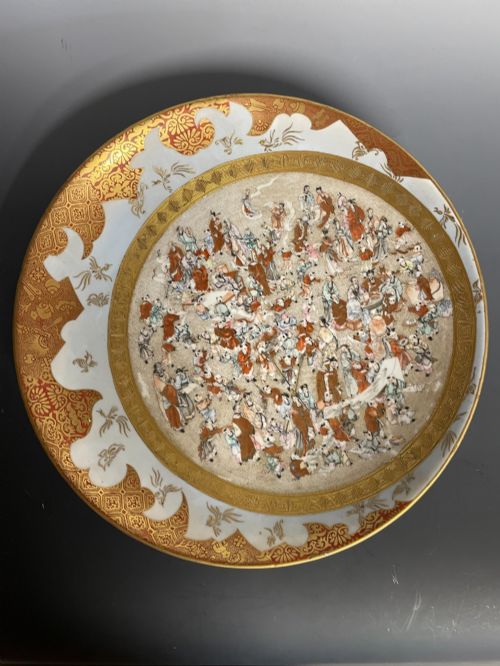
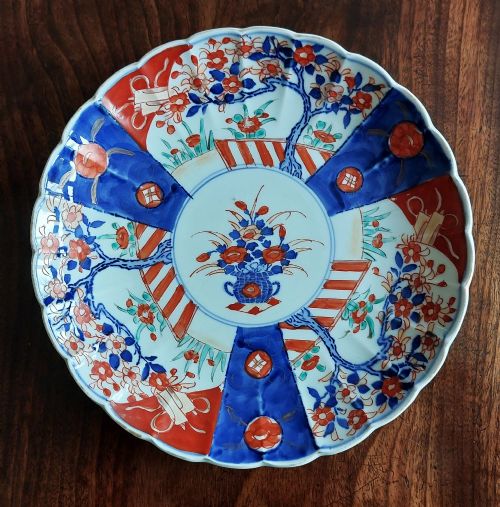
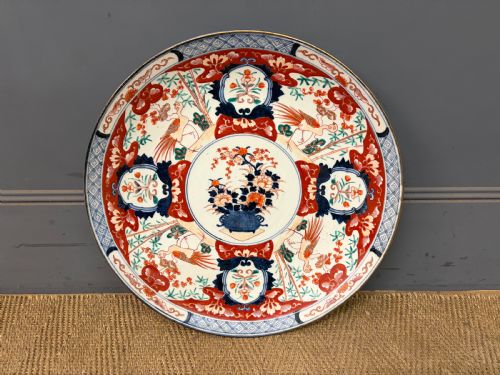
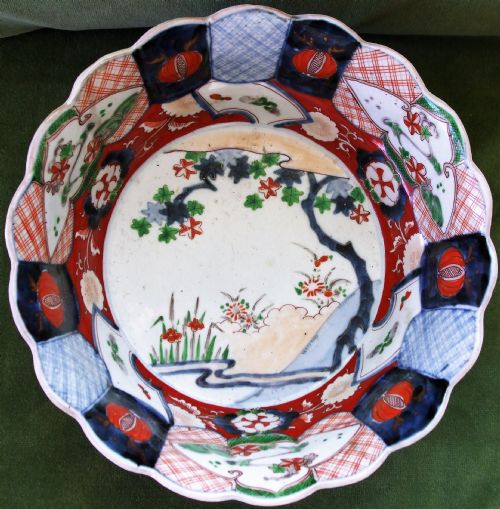
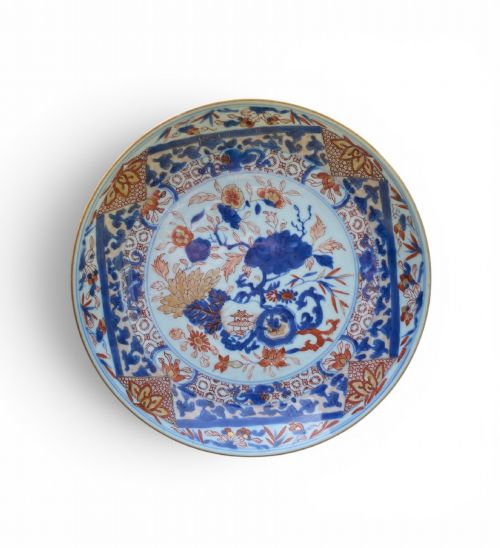
When you search for a red porcelain charger, you encounter striking decorative dishes and chargers spanning the eighteenth to the twentieth century. These pieces predominantly originate from Japanese Imari workshops and Chinese export traditions, showcasing detailed hand-painted floral and bird designs.
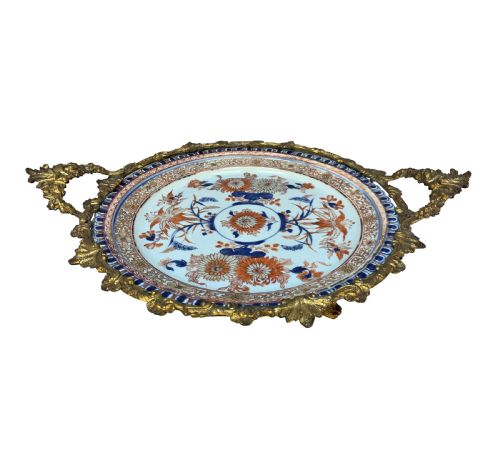
The selection on this page relies heavily on nineteenth-century Japanese Imari productions alongside eighteenth-century Chinese export examples. Forms range from standard circular chargers to scalloped edges, hexagonal plates, and square shapes intended for display.
Makers and artisans utilised specific glazing techniques to combine deep iron-red pigments with rich cobalt blue and gold leaf highlights. This distinctive combination defines the visual character of the objects gathered here.
How they were made
Potters shaped ceramic clay into plates, bowls, and chargers before applying underglaze blue and overglaze enamel colours. Iron-red pigments provided the vibrant warmth characteristic of these decorative dishes.
Gilding and gold leaf were frequently added during secondary firings to enhance specific motifs and borders. Certain examples also integrated ormolu mounts to elevate the status of the porcelain for European markets.
Listings span multiple eras from the eighteenth to the twentieth century, featuring porcelain, ceramic, enamel, gold leaf, glaze, gilt, gilding, and ormolu.
What varies in quality
The precision of the hand-painted brushwork separates standard production items from exceptional artistic achievements. Fine examples display crisp detailing in the floral, bird, and geometric patterns without blurring or smudging.
The application and preservation of gilding and enamel colours also determine the visual standing of a piece. Well-fired surfaces retain their lustre and depth across centuries of handling and display.
The Red Porcelain Charger Glossary
- Charger
- A large decorative plate or dish traditionally used for display rather than dining. These substantial pieces anchor a cabinet or wall arrangement.
- Imari
- A style of Japanese porcelain exported from the port of Imari, known for a palette of iron-red, cobalt blue, and gold. Artisans produced these for both domestic and international markets.
- Ormolu
- Cast brass that has been finished with a gold-coloured mercury gilding technique. Makers used these metallic mounts to frame and support select Chinese porcelain plates.
- Enamel
- Opaque glass-like material fused to the ceramic surface during firing. This technique allowed makers to introduce vibrant reds and greens over the base glaze.
- Qing Dynasty
- The final imperial dynasty of China, lasting from sixteen forty-four to nineteen twelve. Pieces from this era often bear precise reign marks and sophisticated decorative schemes.
Red Porcelain Charger: Frequently Asked Questions
What is a porcelain charger?
A porcelain charger is an oversized decorative plate created primarily for visual display on walls, cabinets, or sideboards. These large vessels served as centrepieces in traditional room decoration.
Craftsmen decorated the surfaces with elaborate motifs, combining rich pigments and gold leaf to catch the light within a room.
How do I display a charger safely?
Displaying a charger safely involves using specialised wall hangers designed to distribute weight evenly across the ceramic rim. Alternatively, sturdy plate stands support heavier pieces securely on flat surfaces.
Placement should avoid areas of direct sunlight and heavy foot traffic to protect the enamel and gilding from accidental damage.
How do I date a porcelain charger?
Dating a porcelain charger requires examining the characteristics of the glaze, the style of the hand-painted motifs, and any factory or reign marks present on the base. Different periods favoured distinct colour combinations and potting techniques.
Comparing the potting weight and foot ring construction with documented examples helps establish the likely era of manufacture.
Where were these pieces made?
These pieces were made primarily in East Asian ceramic centres, notably in Japan and China, for both domestic use and export to Western markets. Japanese kilns around Arita produced significant quantities of Imari ware.
Chinese export workshops also manufactured specialised plates and chargers tailored to European aesthetic preferences during the Qing Dynasty.