



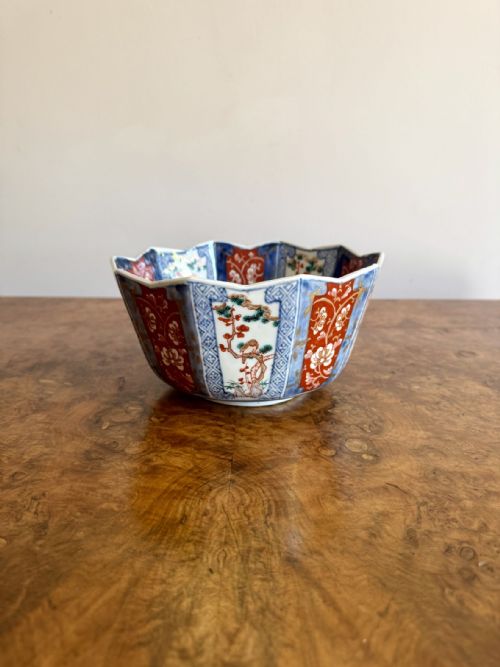
Red Porcelain Bowl
A red porcelain bowl brings together rich iron-red pigments and ceramic craftsmanship from various historical periods and Asian and European traditions.
Red Porcelain Bowl
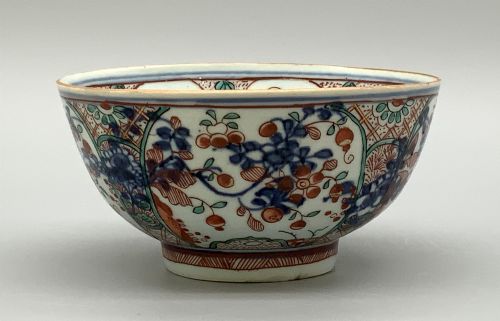
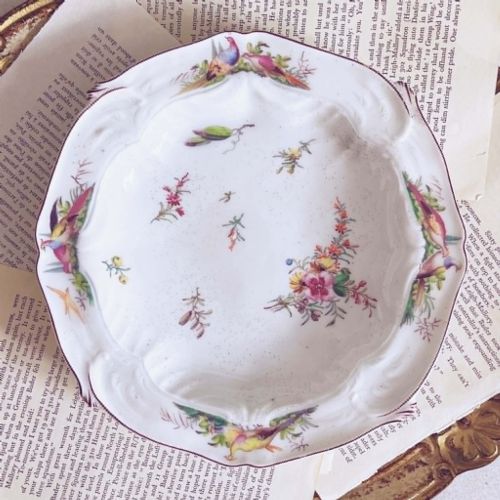
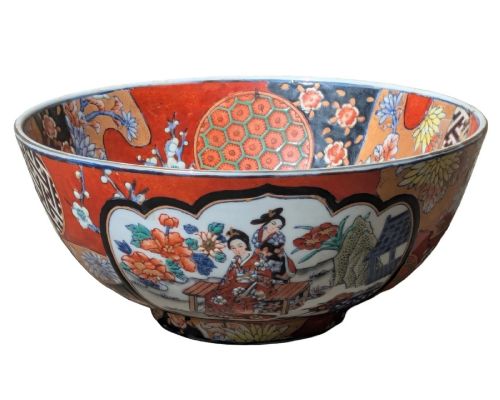
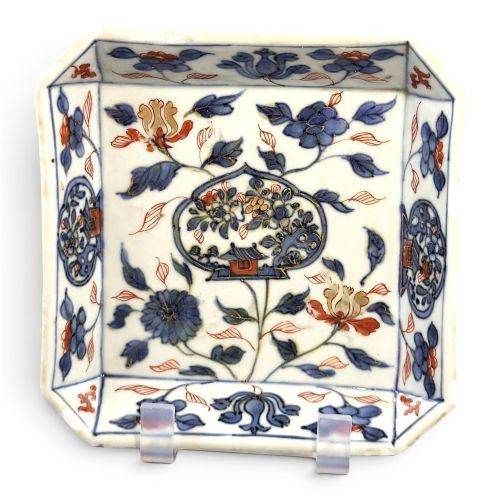
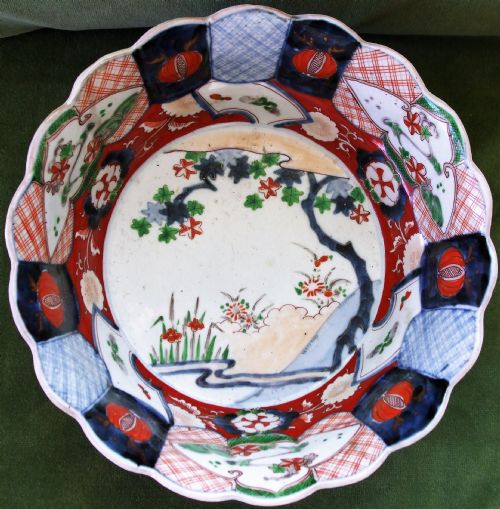
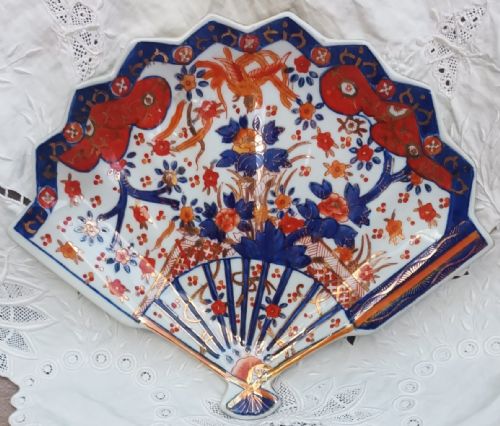
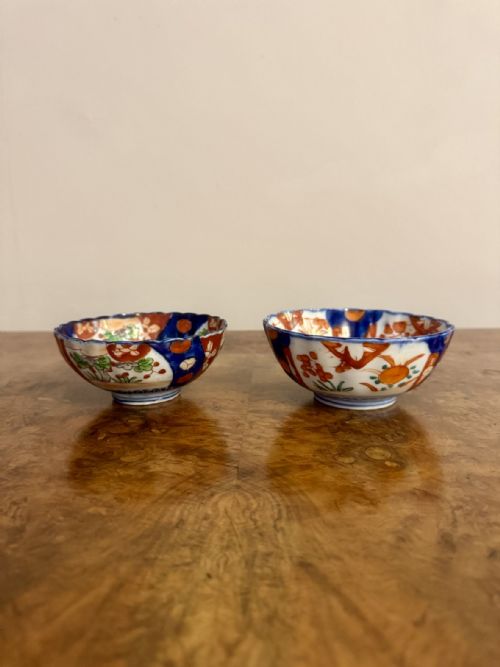
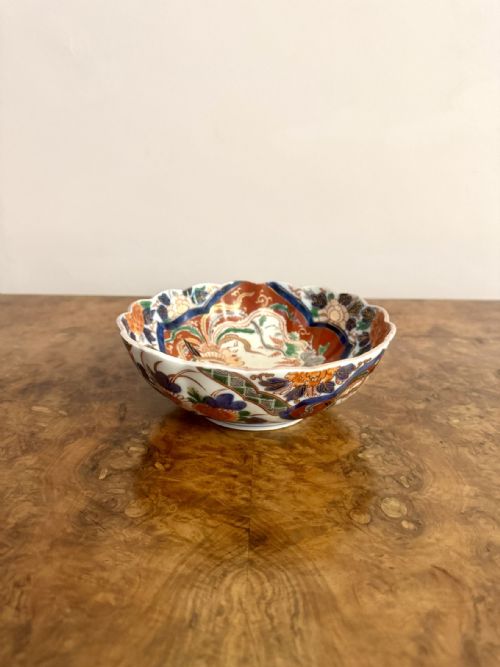
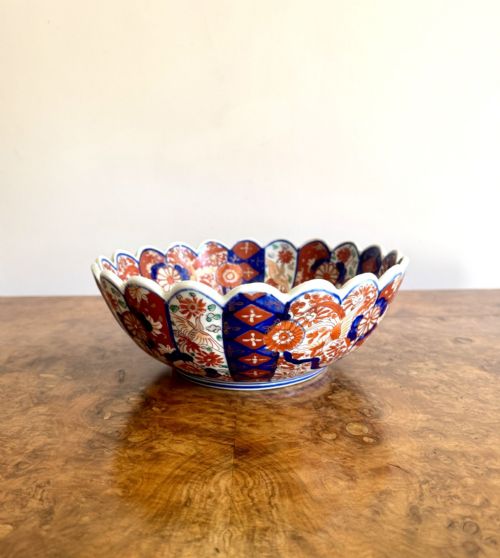
A red porcelain bowl embodies centuries of ceramic traditions, ranging from 17th-century Japanese Arita wares to 19th-century Imari and Chinese export pieces. Buyers searching for a red porcelain bowl encounter diverse forms, including large scalloped display dishes, hexagonal vessels, and smaller decorative bowls.
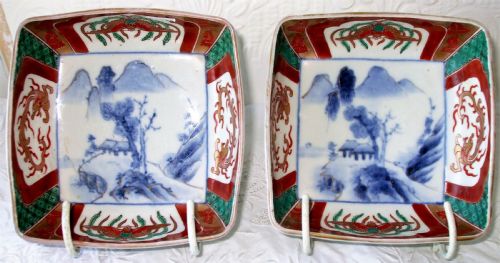
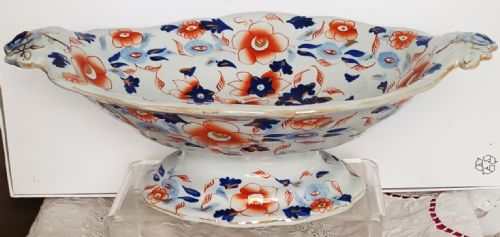
The pieces on this page span several eras, notably the 18th century, the Meiji period, and the 19th century, reflecting global trade and aesthetic shifts. Forms vary from deep functional bowls to ornamental comports and jardinières, displaying the enduring appeal of iron-red and polychrome palettes.
Originating from workshops in Japan, China, and European factories like Chelsea and Royal Worcester, these vessels showcase distinct regional interpretations of red pigments and glaze. Selecting a red porcelain bowl involves appreciating these diverse cultural lineages and the specific historical contexts of their manufacture.
Materials and Techniques
Makers utilised high-fired ceramic and porcelain bodies, applying underglaze cobalt and iron-red enamel pigments often highlighted with gold leaf or gilding. This combination required precise kiln temperature control to achieve the characteristic rich red tones alongside contrasting polychrome details.
Surface decoration frequently involved handpainted motifs, moulded earthenware contours, and scalloped or chamfered edges shaped before final glazing. Techniques ranged from the detailed brushwork seen on Chinese Kangxi and Japanese Imari pieces to the distinctive iron-red and gilt accents of later periods.
Some miniature bowls come with climbing figures, proving that small vessels can contain remarkably ambitious climbers.
Assessing Quality and Execution
The refinement of the handpainted brushwork and the precision of the iron-red enamel application distinguish finer examples from standard production pieces. Superior items display crisp definition in complex motifs, careful alignment of gilt highlights, and well-balanced forms such as cleanly executed scalloped rims.
The clarity of the porcelain body and the evenness of the glaze further separate top-tier vessels from simpler wares. Variations in the depth of the red pigments and the execution of intricate decorative elements reflect the skill of the individual workshop or potter.
Chelsea·Royal Worcester·Wedgwood·Lowestoft·Royal Davenport
The Red Porcelain Bowl Glossary
- Imari
- A style of Japanese porcelain featuring a distinctive palette of iron-red, cobalt blue, and gold, produced in Arita and exported widely to the West. These pieces often display intricate panel designs and floral motifs.
- Porcelain
- A ceramic material made by heating raw materials, generally including clay in the form of kaolin, in a kiln to a high temperature. It is valued for its vitrified, non-porous body and translucent qualities.
- Comport
- A decorative footed dish or bowl raised on a pedestal, traditionally used for serving fruit or displaying centrepieces on a dining table.
- Gilding
- The application of gold leaf or gold dust to a solid surface such as porcelain to provide metallic accents and enrich the decorative scheme.
Red Porcelain Bowl: Frequently Asked Questions
How do I identify an antique Imari bowl?
Antique Imari bowls are primarily recognised by their distinctive colour palette, which combines iron-red and cobalt blue, frequently enhanced with gold leaf. Examining the foot ring and the quality of the handpainted glaze provides further clues to their period.
Most traditional Imari pieces originate from Japan, specifically the Arita kilns, dating from the Edo period through the Meiji era and into the early 20th century.
How were decorative porcelain bowls used historically?
Historically, porcelain bowls served both functional dining purposes and as ornamental display pieces in affluent households. Large scalloped bowls and comports were often placed on tables or sideboards to showcase wealth and taste.
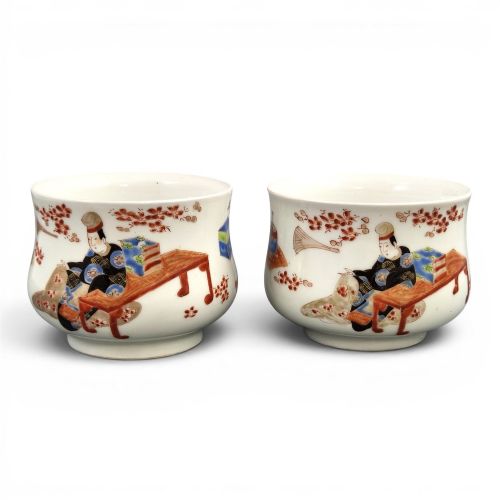
Smaller vessels were utilised for tea service or as brush washers, reflecting the refined domestic and scholarly habits of their respective periods.
Can I use an antique porcelain bowl for food?
Using antique porcelain bowls for food is generally discouraged by collectors due to potential wear on delicate historic glazes and enamels. Modern cleaning methods and dishwashers can permanently damage fragile handpainted surfaces and gilding.
Instead, these pieces are best preserved for display, decorative storage, or gentle handling to maintain their physical condition.