
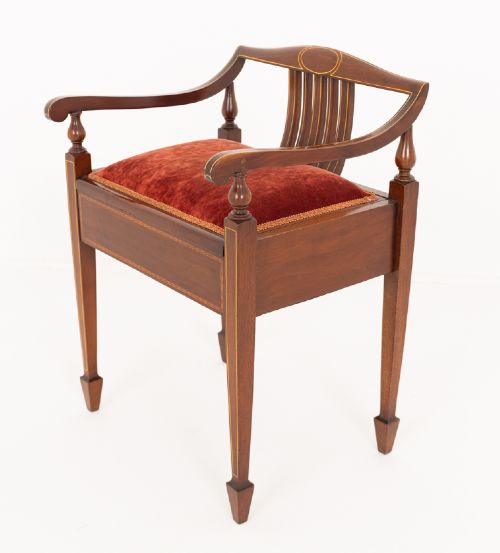
Red Mahogany Armchair
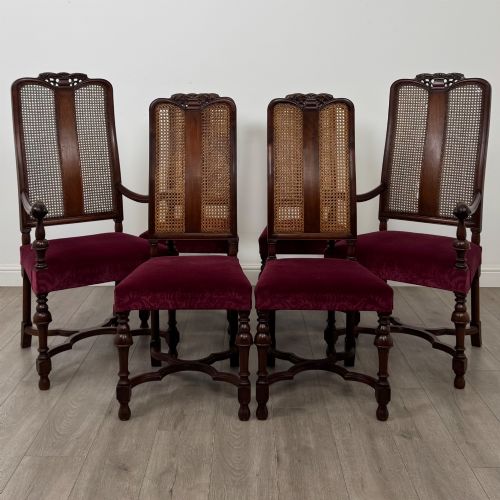
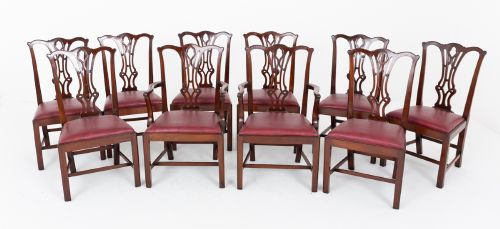
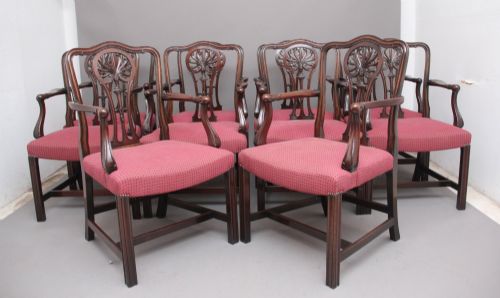
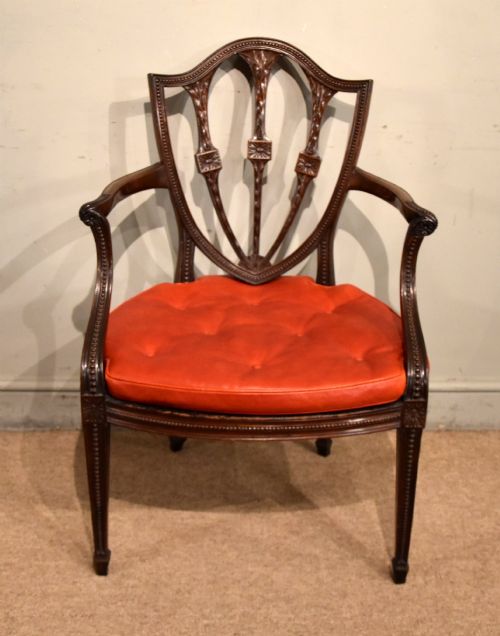
When you select a red mahogany armchair, you bring home a piece of seating history defined by dark timber and traditional upholstery.
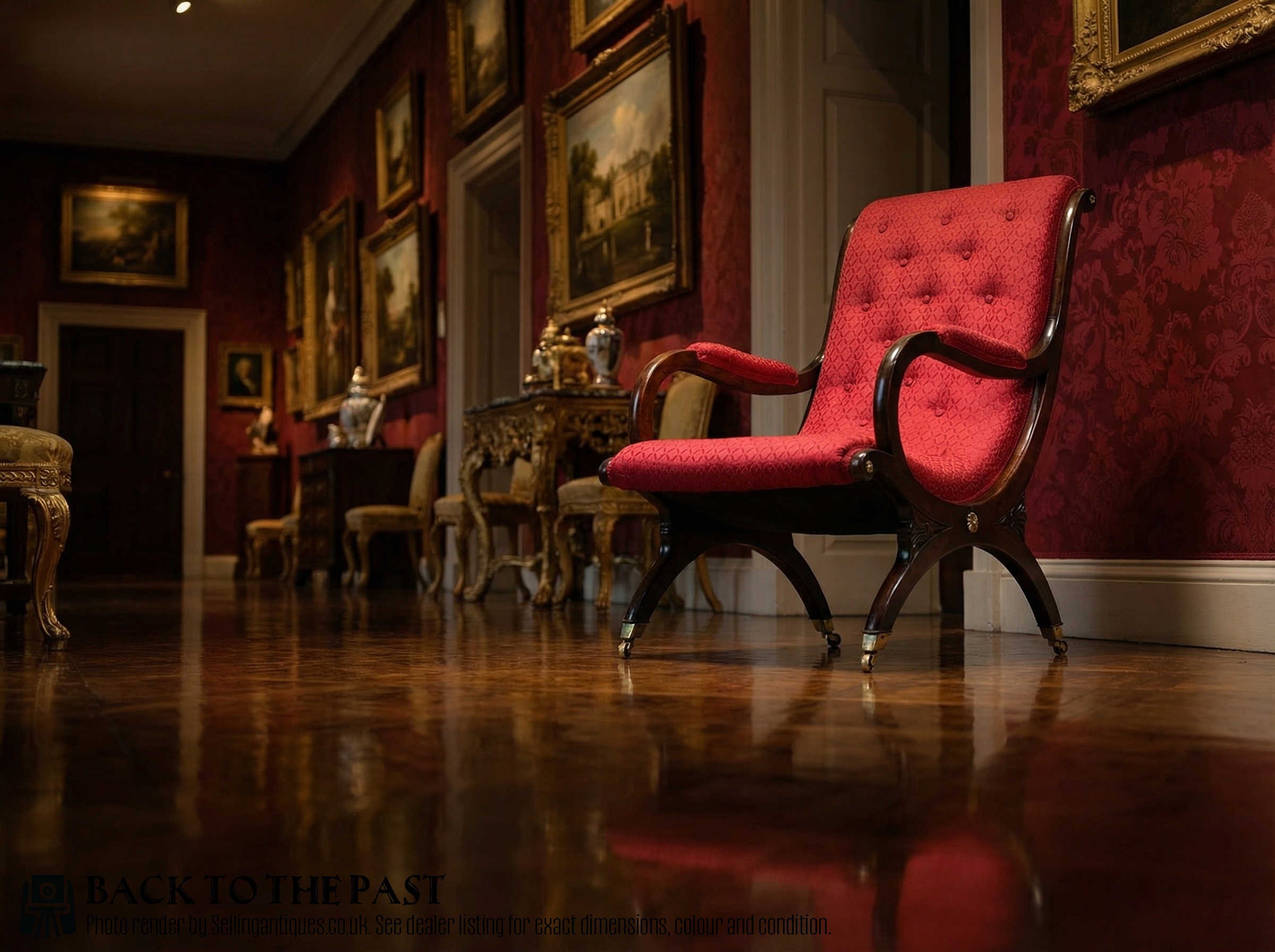
Red Mahogany Armchair
The selections span distinct periods including Georgian, Regency, and Victorian eras, alongside later revival pieces. Library armchairs and Gainsborough chairs form a prominent part of the available selection.
Makers and workshops utilised dense wood to create robust frames designed for domestic comfort. These seats served in studies, parlours, and country house reception rooms.
Materials and construction methods
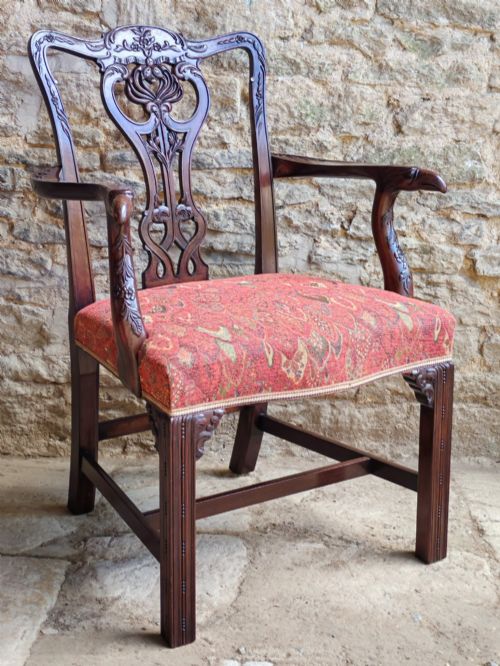
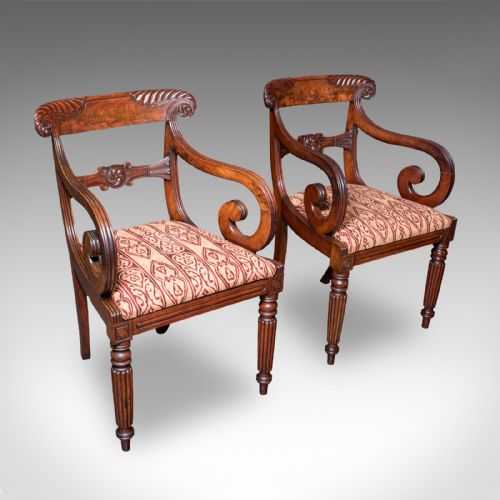
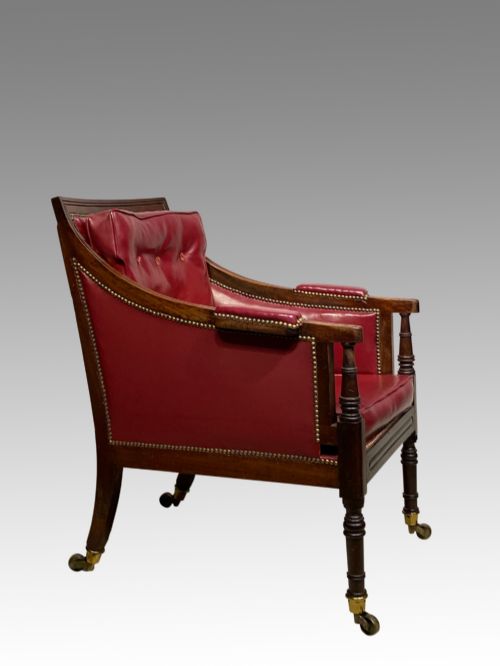
Cabinet makers utilised solid mahogany timber for structural frames, sometimes adding carved details such as ball and claw feet or scroll arms. Brass castors frequently appeared on the feet of library and desk chairs to assist movement.
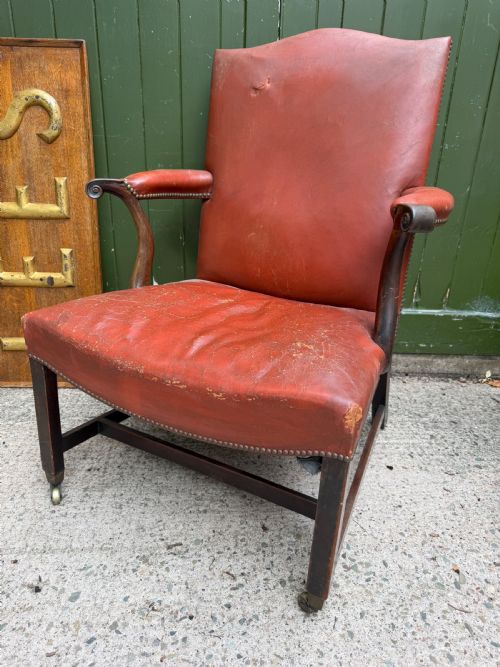
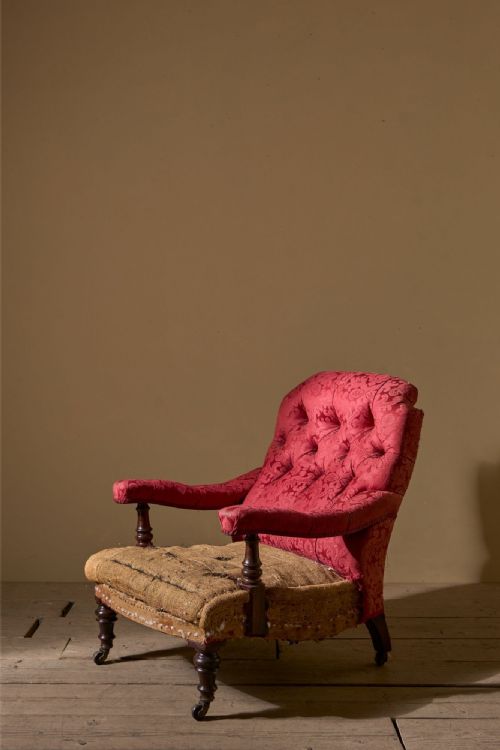
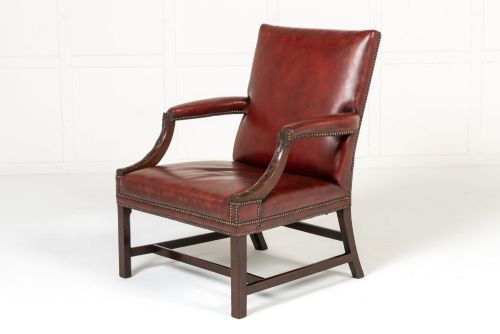
Upholstery involved traditional stuffing techniques secured beneath leather, velvet, or fabric coverings. Brass nails often secured the hide margins on library and Gainsborough models.
Joinery relied on traditional mortise and tenon methods to ensure the stability of the chair frame under daily use.
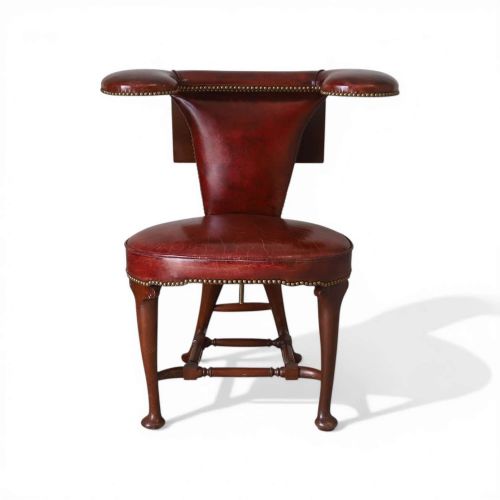
Several armchairs come equipped with discreet brass castors designed to help Victorian readers chase the vanishing sunlight across the library floor.
Distinctions in quality and finish
The refinement of the timber carving and the crispness of the moulded details distinguish standard utility seating from master cabinet work. Proportions and timber selection play a primary role in the standing of an armchair.
The depth of the grain and the patina accumulated over decades affect the visual weight of the mahogany. Original surface finishes reveal the natural warmth of the wood better than later stripped surfaces.
The integrity of the internal joinery and the retention of original brass hardware, such as marked castors, elevate the historical standing of the piece.
Howard and Sons·Alfred Allen of Birmingham·Cope and Collinson·Gillows
The Red Mahogany Armchair Glossary
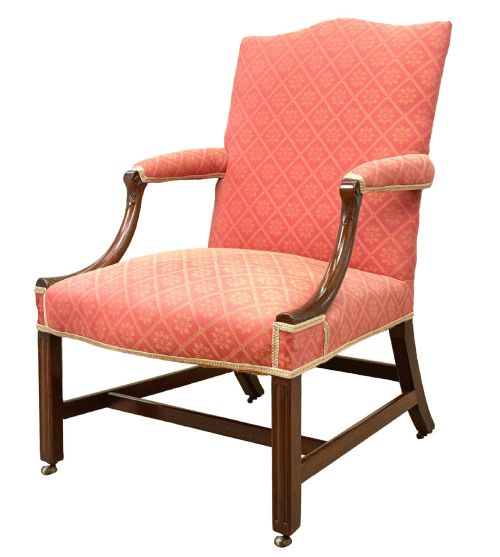
- Gainsborough chair
- A type of open-armed library armchair with a high padded back and upholstered seat, popular during the eighteenth century. These chairs typically feature straight legs.
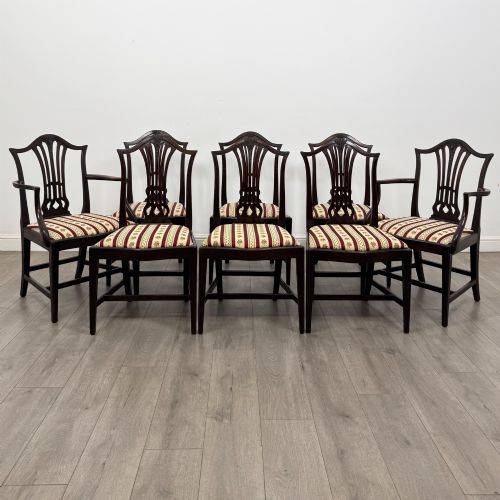
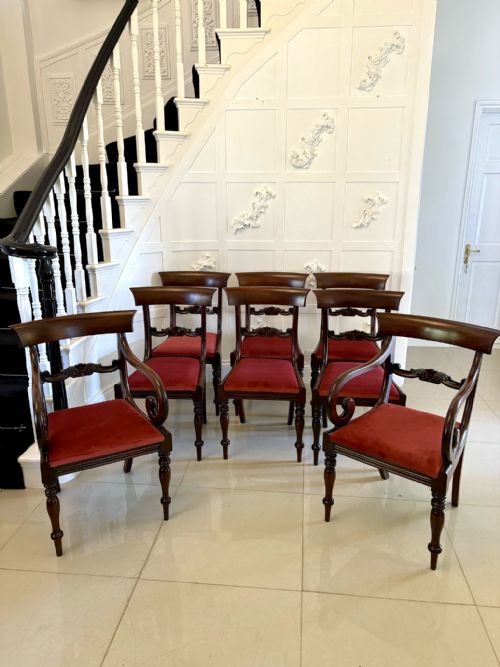
- Carver chair
- An armchair designed to match a set of dining chairs, usually placed at the head of a table. The term often denotes an open-framed wooden seat with upholstered elements.
- Tub chair
- A rounded armchair where the back and arms form a single continuous curved rail. This shape offers enclosed comfort.
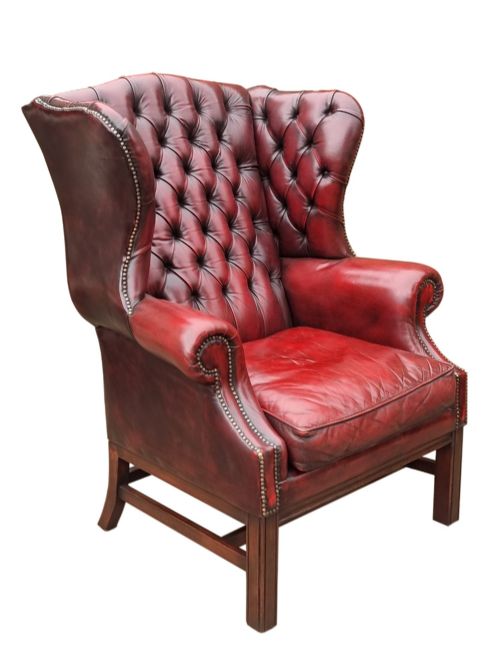
- Wingback
- An armchair with side panels or wings attached to the back frame, originally designed to shield the sitter from draughts. These seats frequently incorporate leather upholstery.
- Castor
- A small wheel fitted to the foot of a chair leg to allow easy movement across carpets and flooring. Brass variants are common on nineteenth-century library seating.
Red Mahogany Armchair: Frequently Asked Questions
How do I identify a Georgian armchair?
Georgian armchairs often display restrained proportions, straight or cabriole legs, and dense mahogany frames. The carving work tends to reflect Chippendale or Sheraton influences.
Examine the underside of the frame and the joinery methods to assess the period characteristics. Older frames show hand tool marks and traditional pegging.
Where should I place a library armchair?
Library armchairs suit studies, home offices, and living rooms where comfortable reading seating is desired. Their substantial timber frames anchor the layout of a traditional room.
Ensure adequate clearance around the chair so the arms and castors remain unobstructed. Pairing the seat with a reading table creates a functional historical corner.
Are these chairs suitable for daily use?
Mahogany chair frames possess inherent strength and durability suitable for regular seating. Solid timber construction allows these pieces to withstand everyday domestic environments.
Check the stability of the joints and the condition of the upholstery support before heavy use. Professional conservation can reinforce internal webbing without altering the exterior appearance.
What is the difference between a carver and a library chair?
A carver chair generally functions as part of a dining set, featuring a lighter frame designed to slide beneath a table. Library chairs are built wider and deeper for prolonged comfort.
Library models frequently incorporate leather upholstery and brass castors for repositioning. Carver chairs rely on simpler wooden seats or modest drop-in pads.