



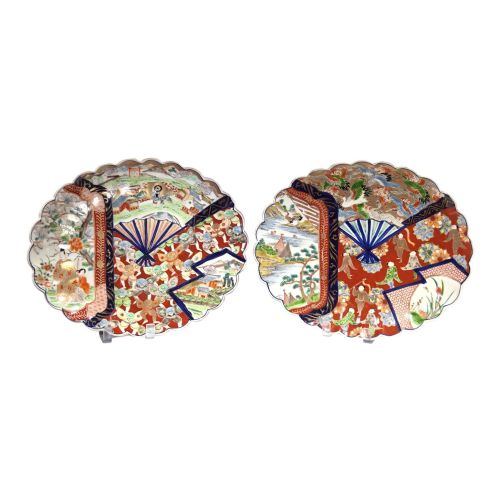


Red Cobalt Ceramic Platter
A red cobalt ceramic platter brings the bold palette of Imari porcelain into any room.

Red Cobalt Ceramic Platter
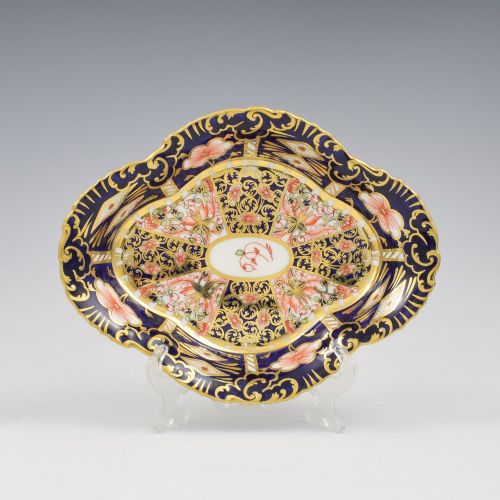
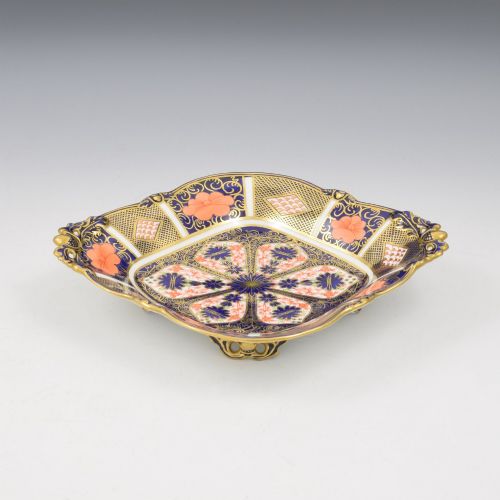
When searching for a red cobalt ceramic platter, collectors encounter large decorative chargers, scalloped plates, and serving dishes spanning the nineteenth and early twentieth centuries. These pieces originate predominantly from Japanese workshops of the Meiji period, alongside English interpretations produced by factories such as Mintons and Royal Crown Derby.
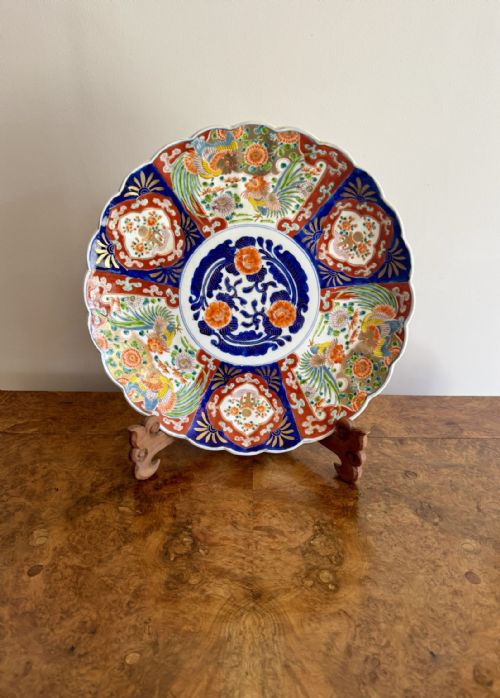
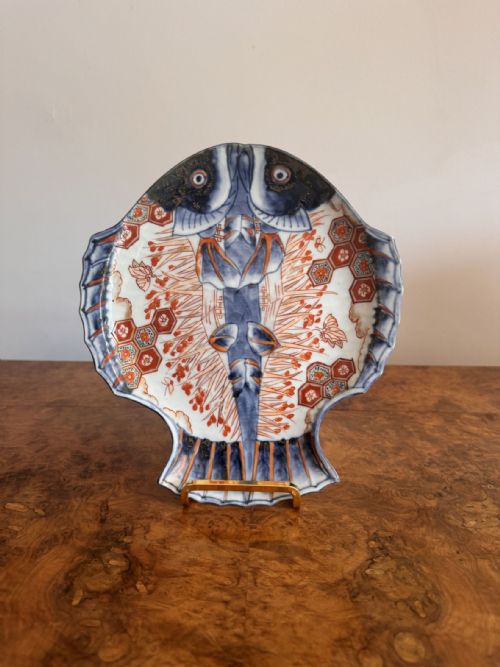
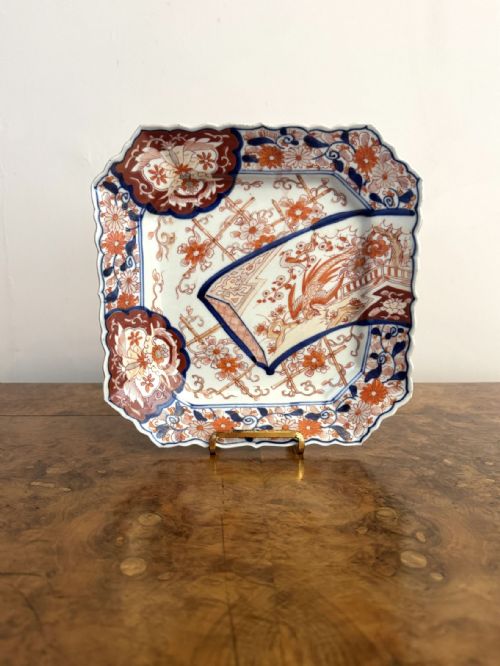
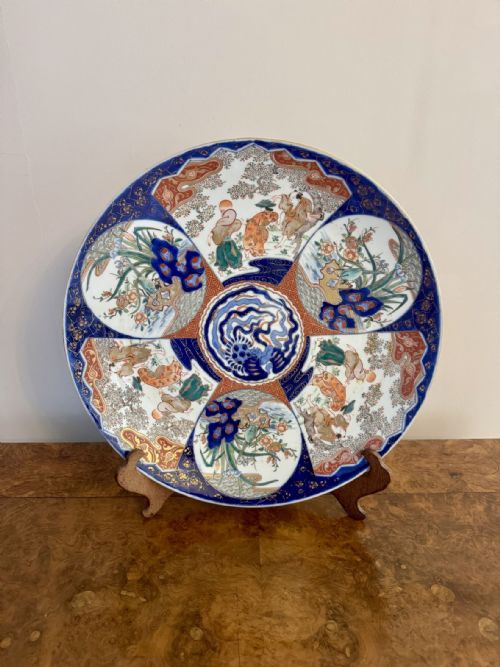
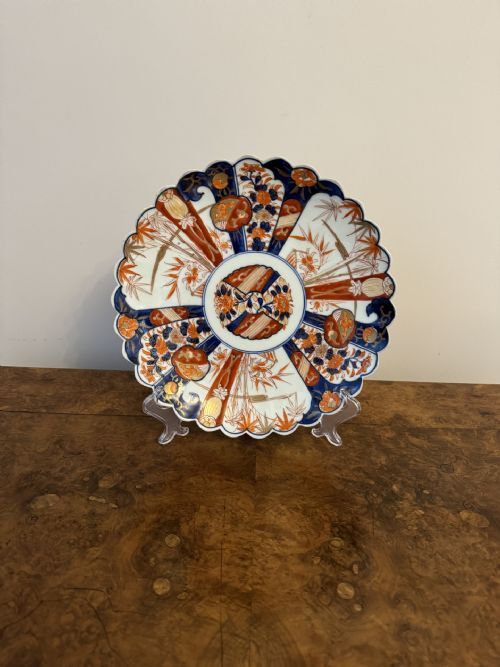
The form most frequently met on this page is the large round or square Imari charger, alongside shallow bowls and fish-shaped dishes. Dating ranges from the Victorian and Edwardian eras back to the late nineteenth century, capturing a period of intense cross-cultural design exchange between Europe and Japan.
Materials and construction
Makers utilised hard-paste porcelain, ceramic, and bone china as the foundation for these platters, applying cobalt underglaze to achieve deep blue tones before introducing vibrant red enamel and gilt highlights. Skilled hands painted intricate motifs directly onto the biscuit or glazed surface prior to a final high-temperature firing.
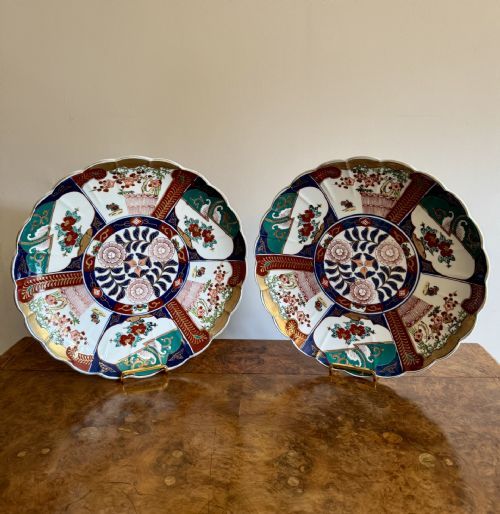
Certain English examples incorporate additional decorative elements such as gold leaf and moulded piercing along the rim, while Japanese pieces rely on hand-painted cobalt underglaze combined with rich iron-red enamel to define panels of flora, fauna, and traditional figures.
Listings feature periods spanning from eighteen eighty through the nineteen twenties, including Victorian and Edwardian examples.
Evaluating craftsmanship and detail
Quality rests upon the precision of the hand-painted brushwork and the depth of the cobalt underglaze. Superior examples display crisp definition within the red enamel and gold detailing, avoiding muddy borders or misaligned pattern registers.
The complexity of the form also dictates distinction, moving from standard round plates to unusual square shapes, scalloped edges, or figural forms such as fish and fan designs. Pieces featuring complex narrative scenes, such as depictions of the Seven Lucky Gods, represent the higher end of the range.
Royal Crown Derby·Mintons
The Red Cobalt Ceramic Platter Glossary
- Imari
- A style of Japanese porcelain featuring a distinct palette of cobalt blue, iron-red, and gold. This decorative tradition heavily influenced European ceramics during the nineteenth century.
- Charger
- A large decorative plate or platter traditionally utilised for ceremonial display rather than daily dining. These substantial pieces measure significantly wider than standard dinner plates.
- Cobalt Underglaze
- A metallic pigment applied to the ceramic body before glazing and firing. This technique protects the deep blue colour from subsequent wear.
- Meiji Period
- The era of Japanese history spanning from eighteen sixty-eight to nineteen twelve. Ceramics from this time often combine traditional local techniques with western export demands.
- Enamel
- A glass-like substance fused to the surface of fired ceramic in a secondary low-temperature kiln. It provides the vibrant red tones characteristic of these platters.
Red Cobalt Ceramic Platter: Frequently Asked Questions
How were these large platters originally used?
These large plates and chargers served primarily as decorative display items on sideboards and walls rather than for serving food at the table. Their robust ceramic construction allowed them to occupy prominent positions in Victorian and Edwardian interiors.
Over time, households transitioned these platters into fruit display dishes or centrepiece accents. Their striking colour palettes made them focal points in formal reception rooms.
How do I distinguish between Japanese and English Imari?
Japanese pieces from the Meiji period generally exhibit lighter, more porous ceramic bodies and hand-painted motifs that reflect traditional Edo aesthetics. English interpretations by factories like Mintons feature precise factory date marks and heavier earthenware or porcelain bodies.
Examining the underside of the platter often reveals kiln marks or stamps that clarify the geographic origin. English examples tend to follow strict Victorian shape registrations.
Can these ceramic platters be hung on walls?
Many large chargers and platters from this era were manufactured with display in mind, though period pieces rarely feature built-in hanging wire. Modern display requires coated wire hangers that secure the rim safely without exerting pressure on the ceramic body.
Weight distribution matters greatly with pieces exceeding twenty inches in diameter. Secure wall anchors ensure these heavy decorative items remain stable.
What does the Meiji period signify for ceramics?
The Meiji period marks an era of rapid modernization and international trade in Japan following centuries of isolation. Kilns produced large quantities of export ware tailored to European tastes while retaining traditional hand-painting techniques.
This cultural exchange resulted in vibrant decorative styles that combined Japanese motifs with Western display formats. Surviving pieces document this pivotal era of design history.