


Red and Navy Carpet
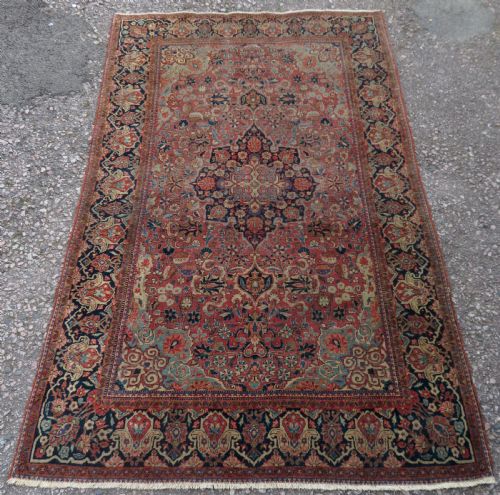
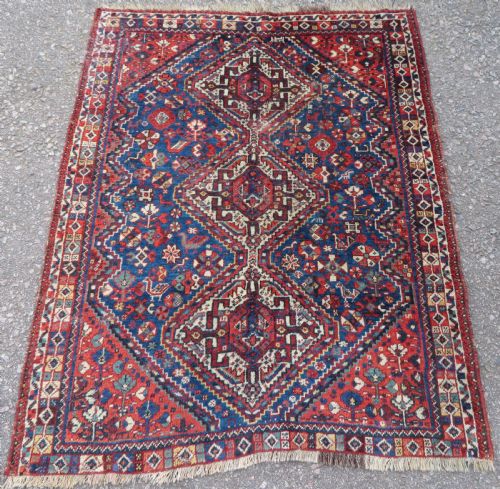
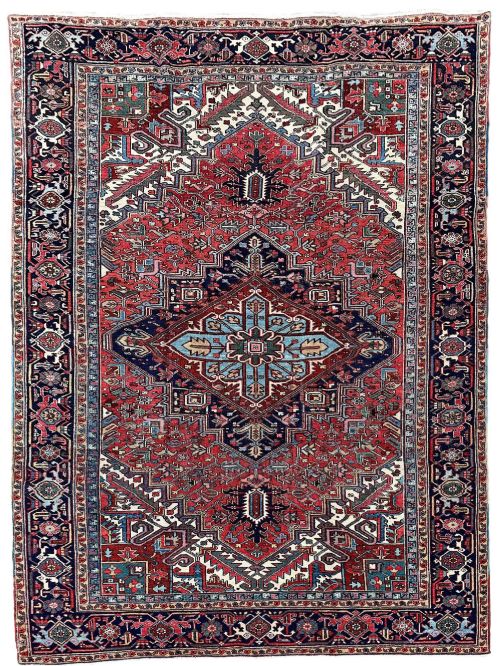
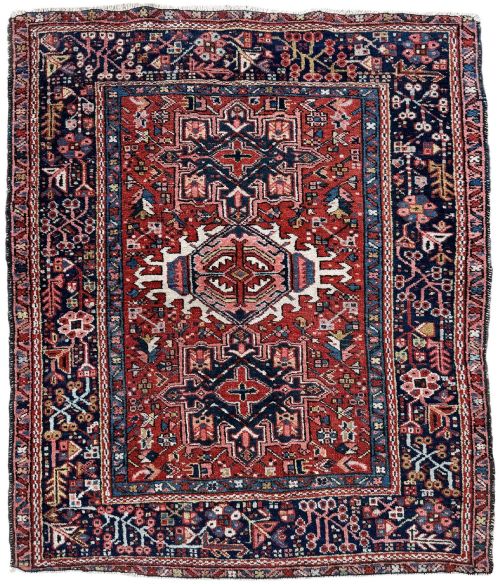
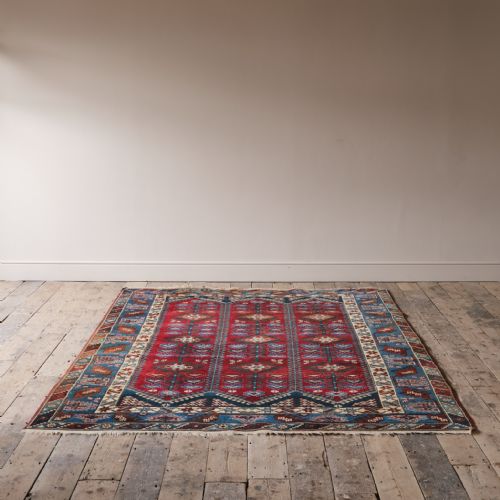
These red and navy carpet pieces bring enduring geometric and floral patterns to a room, offering tactile warmth and rich colour.
Red and Navy Carpet
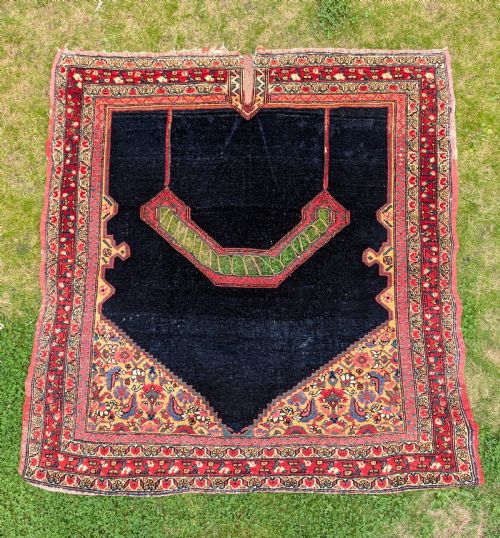
A red and navy carpet encompasses woven floor coverings originating mainly from Persian and Caucasian traditions. The selection includes full-size carpets, runners, smaller rugs, and related forms such as saddle covers and cushions.
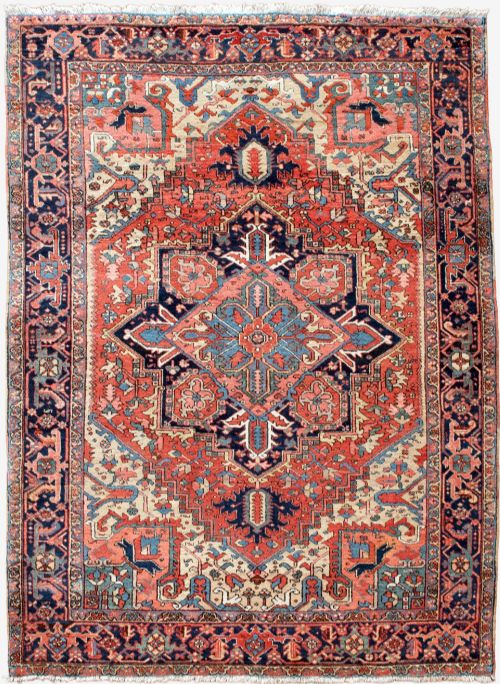
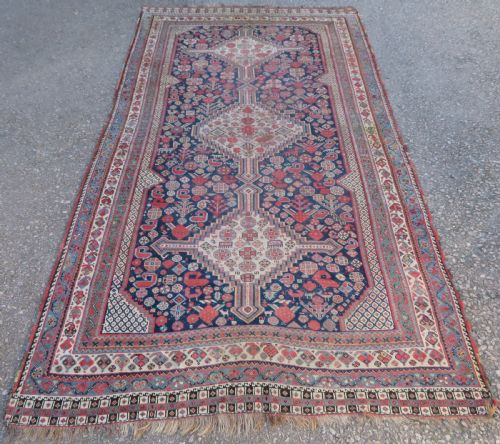
Most examples date from the nineteenth century through to the early decades of the twentieth century. These pieces showcase tribal and regional weaving styles, spanning Heriz, Bakhtiar, Afshar, and Khamseh traditions.
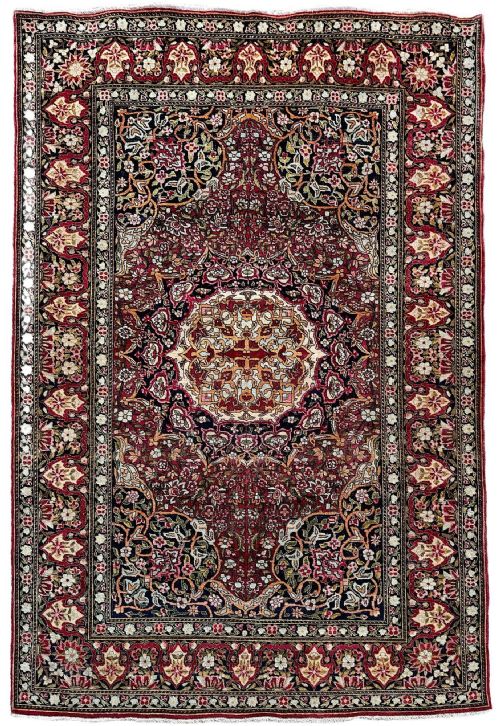
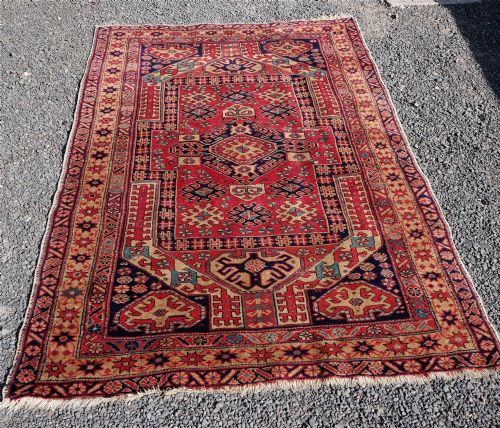
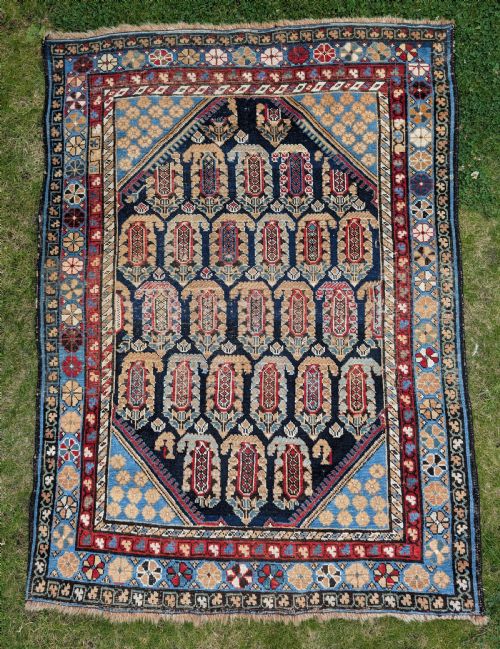
Buyers will encounter geometric medallions, tribal motifs, and intricate floral compositions across the inventory. The colour palette relies on deep indigo blues paired with terracotta, rust, and crimson reds.
Materials and construction
Hand-knotted construction defines these textiles, utilising resilient wool pile tied onto supportive foundations. Cotton and occasionally silk also appear within the material structure of specific regional pieces.
Weavers employed natural dyeing techniques to achieve durable tones of red and navy that mellow gracefully over time. Hand-spun wool yarns provide the dense, tactile texture characteristic of these traditional village and tribal workshops.
Materials recorded across these listings comprise wool, cotton, and silk, utilised across nineteenth and early twentieth-century village and tribal workshops.
Assessing quality and execution
Knot density and precision of execution dictate the refinement of the design work. Finer examples display crisp geometric lines and highly detailed botanical motifs.
The integrity of the foundation and the evenly balanced wear of the wool pile determine the structural longevity of the textile. Superior pieces maintain balanced proportions and harmonious saturation in the primary red and navy fields.
The Red and Navy Carpet Glossary
- Mihrab
- A niche design element often seen in prayer rugs, indicating the direction of prayer. This architectural motif appears frequently in Caucasian and Baluch pieces.
- Medallion
- A central ornamental design motif placed in the middle of the carpet field. Heriz and Fereghan carpets frequently centre their compositions around this feature.
- Runner
- A long, narrow carpet format designed for hallways, corridors, or staircases. Kurdish and Karaja workshops often produced these elongated dimensions.
- Pile
- The upright yarn surface of the carpet formed by knotted wool or silk fibres. The depth and density of this layer dictate the handle and weight of the textile.
- Kand
- An alternative term for hand-knotted village weaving traditions found across Persian regions.
Red and Navy Carpet: Frequently Asked Questions
How do I clean an antique rug?
Professional specialist cleaning is essential to preserve the natural wool fibres and traditional dyes. Regular gentle vacuuming without a beater bar removes surface dust safely.
Avoid household detergents or saturation with water, as these methods can cause bleeding in older red and navy dyes. Consult a textile conservator for specific maintenance advice.
Where should I place a runner?
Runners suit narrow spaces such as hallways, entryways, and corridors where foot traffic benefits from cushioned footing. They also work effectively alongside beds or in galley kitchens.
Ensure you use a breathable underlay to keep the piece stable on hard flooring and prevent unnecessary friction against the foundation.
How do I identify a tribal rug?
Tribal rugs typically exhibit asymmetrical geometric motifs, spontaneous colour variations, and repeating symbolic patterns woven from memory rather than strict cartoons. Village weavers in regions like Baluchistan, Afshar, and Khamseh produced these distinctive pieces.
Look for slightly irregular borders and robust wool structures that reflect nomadic or village working methods.
What causes colour variation in wool?
Natural dye baths absorb differently into distinct batches of hand-spun wool, creating subtle shifts in shade known as abrash. This characteristic indicates traditional dyeing methods using root and plant extracts.
Over decades of exposure to light and gentle washing, these tones soften further, adding depth to the red and navy fields.