

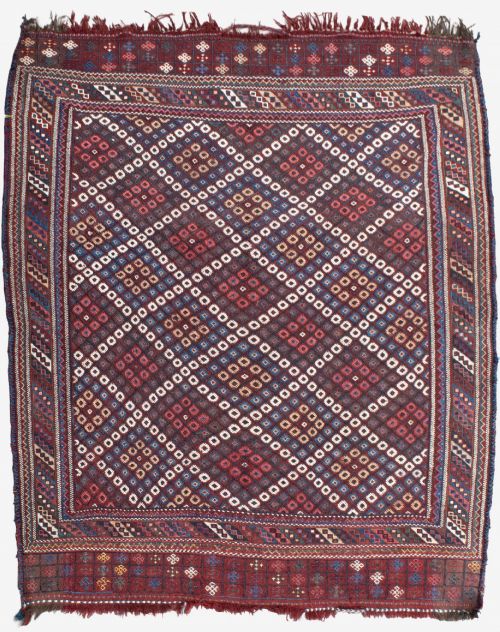
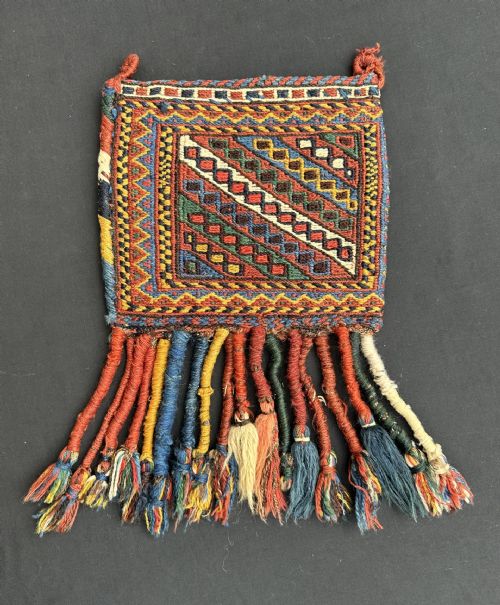


Afshar Woven Wool Rug
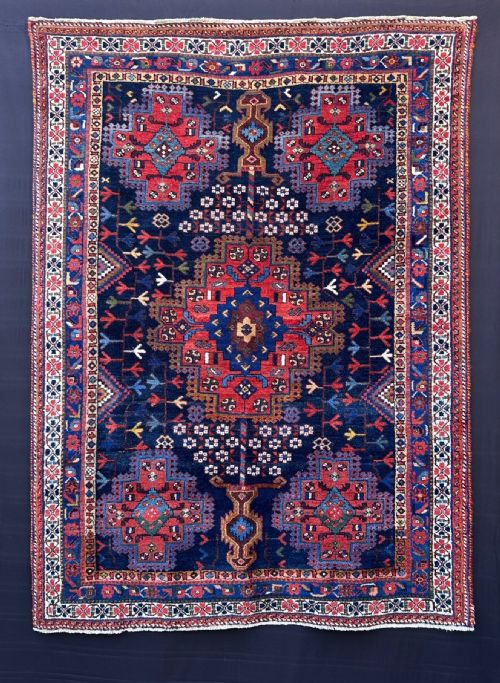
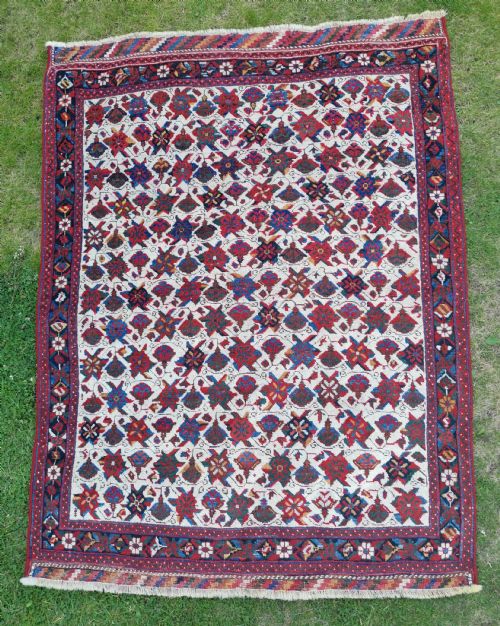
An afshar woven wool rug brings the bold geometry and rich vegetable hues of South Persian nomads directly into a modern room.
Afshar Woven Wool Rug
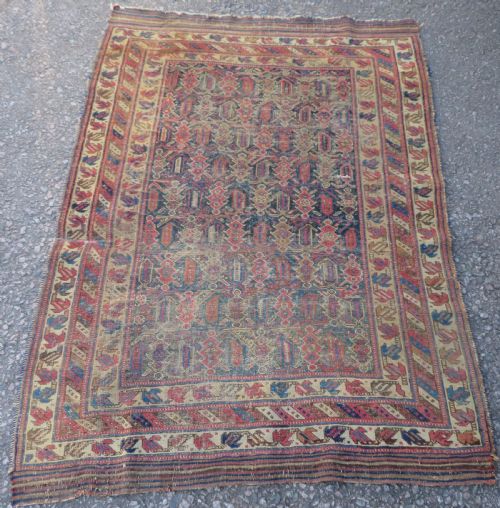
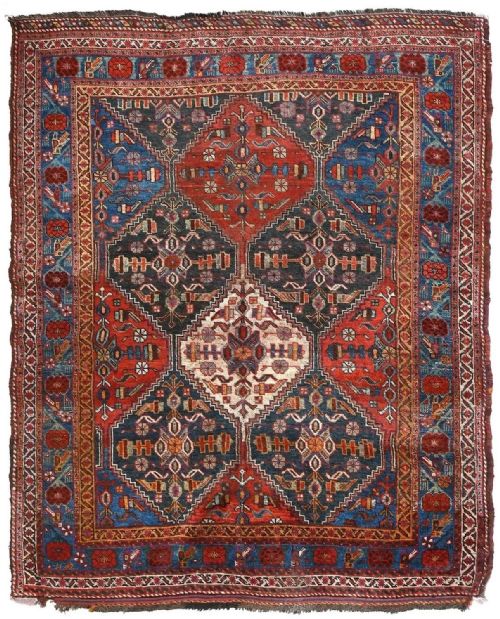
When searching for an afshar woven wool rug, collectors encounter a diverse range of tribal weaving traditions originating primarily from the Kerman province of South Persia. These pieces span from the late nineteenth century through the early decades of the twentieth century, reflecting the distinct handiwork of nomadic and village groups.
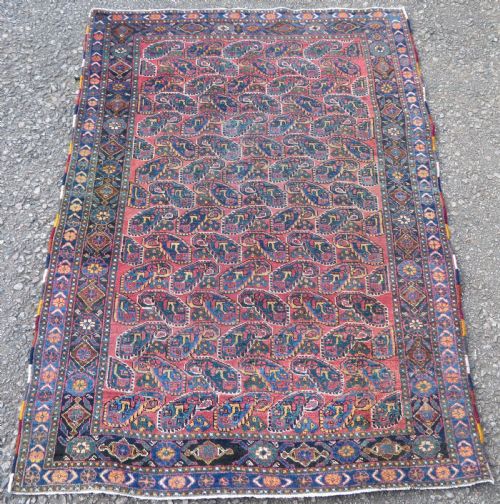
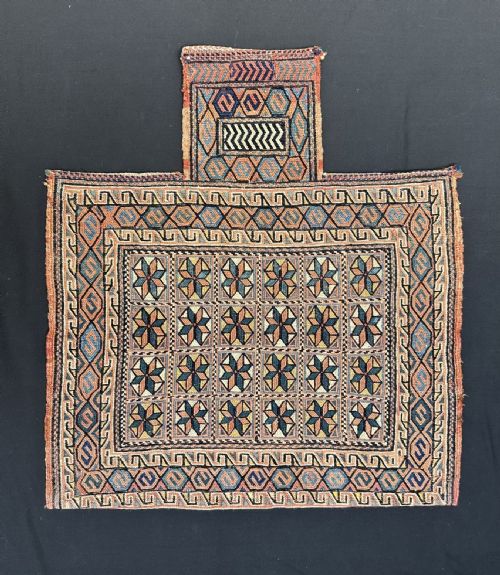
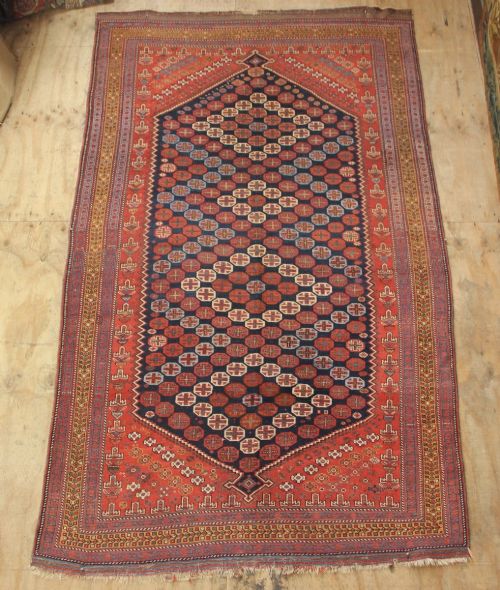
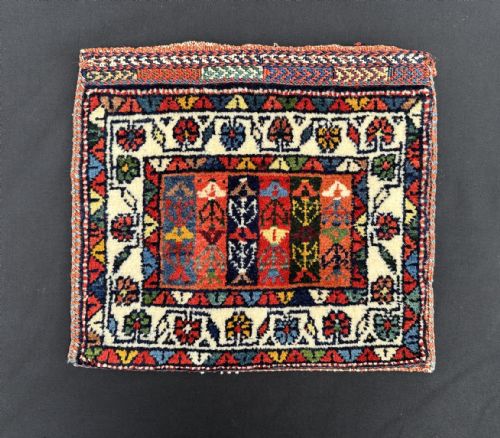
Beyond standard floor coverings, the selection encompasses functional tribal items such as salt bags, vanity bags, storage pouches, and larger dining or bread sofreh cloths. Floor rugs and runners appear alongside these utilitarian pieces, often displaying traditional Persian tribal and village motifs like the boteh, herati, and dragon designs upon wool foundations.
Materials and construction
Weavers constructed these textiles using hand-spun wool for the pile and foundation, often incorporating cotton for structural warps and wefts. Artisans utilised natural dyes to colour the wool, producing deep, luminous tones that mature distinctively over time.
Certain functional bags and utilitarian pouches employ soumak work, a complex flatweave technique that creates a durable and textured surface. Occasional embellishments, including cowrie shells, are integrated into specific tribal storage items and personal bags.
Listings span production dates from the mid-nineteenth century through the 1920s, with wool, cotton, and natural dyes forming the primary material palette.
Assessing quality and execution
Quality in these tribal textiles rests upon the fineness of the knotting and the density of the wool foundation. Pieces featuring exceptionally lustrous wool and crisp execution of intricate motifs demonstrate superior craftsmanship from the weaver.
The clarity and depth of the natural dyes significantly influence the visual impact of the piece. Well-preserved structures with complete original borders and sound flatweave backs represent the higher end of the surviving range.
The Afshar Woven Wool Rug Glossary
- Sofreh
- A flatwoven or piled cloth utilised for dining, processing bread dough, or domestic storage among nomadic tribes. These pieces frequently feature striking geometric field arrangements.
- Soumak
- A supplementary weft-wrapping technique that produces a durable, textured surface without a cut pile. It is commonly found on antique tribal bags and storage pouches.
- Boteh
- A traditional almond or pear-shaped motif representing a floral spray or cypress tree, frequently repeated across the field of South Persian weaving.
- Herati
- A recurring floral diaper pattern composed of a central rosette enclosed by curved leaves, balanced by small flanking fish motifs. It appears widely across village and tribal carpets.
- Chanteh
- A small personal bag or vanity pouch woven by nomads for carrying small possessions, characterised by fine knotting and expressive tribal design.
Afshar Woven Wool Rug: Frequently Asked Questions
How were these tribal bags originally used?
Nomadic groups utilised these woven pouches for practical domestic storage, transporting salt, bread, tobacco, pipes, and personal items during seasonal migrations.
Many of these functional pieces served specific daily purposes within the tribal tent, such as hanging storage or designated cloth surfaces for preparing meals.
How do I distinguish regional tribal designs?
Distinguishing the pieces relies on observing specific recurring motifs, such as large boteh patterns, shield designs, or dragon and phoenix iconography set upon ivory or dark grounds.
Structural details like soumak work or the inclusion of cowrie shells provide further clues regarding the specific tribal group and intended utilitarian function.
How should I care for an antique wool rug?
Protecting these historic textiles involves placing them in areas away from direct, continuous sunlight to prevent natural dye fading. Gentle, regular vacuuming without a rotating brush roll helps maintain the wool pile safely.
Consulting a professional rug specialist experienced in antique vegetable-dyed textiles ensures proper cleaning and maintenance over the years.