

Northwest Persian Wool Carpet
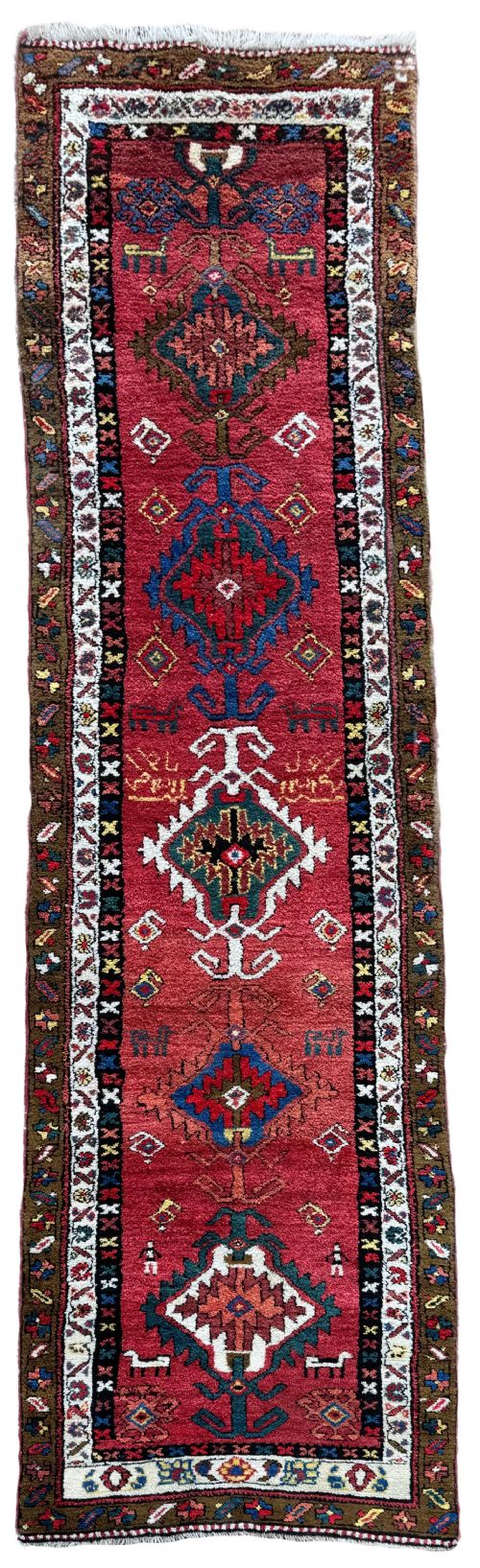
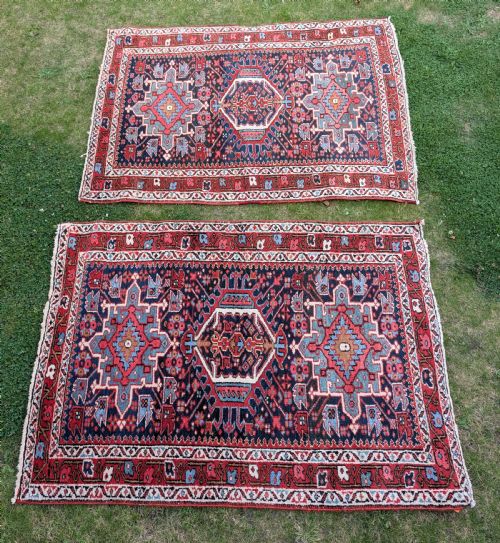
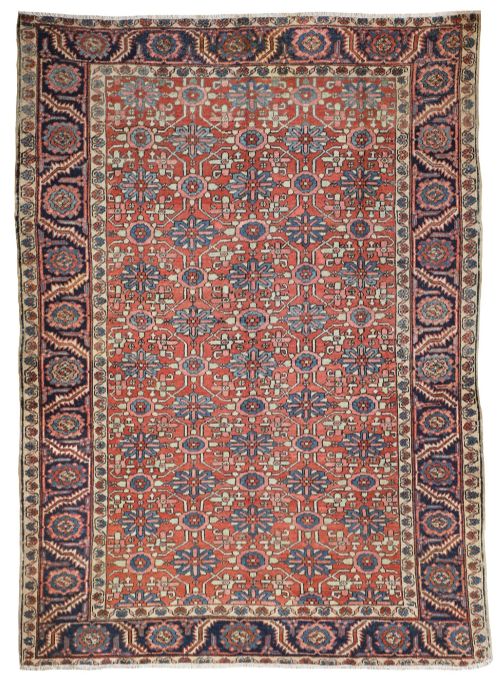
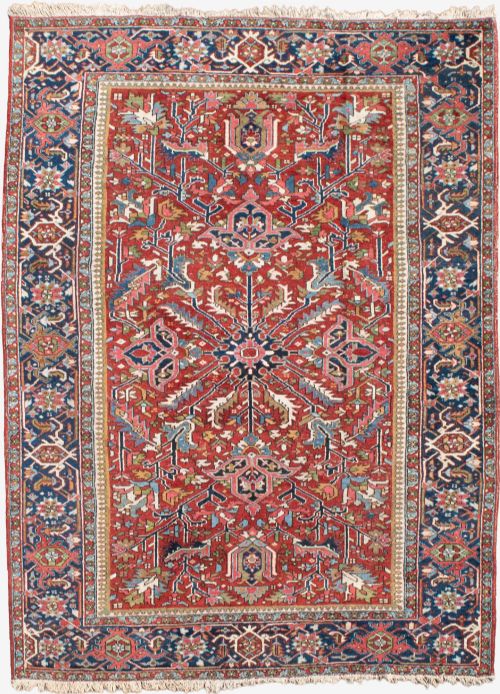
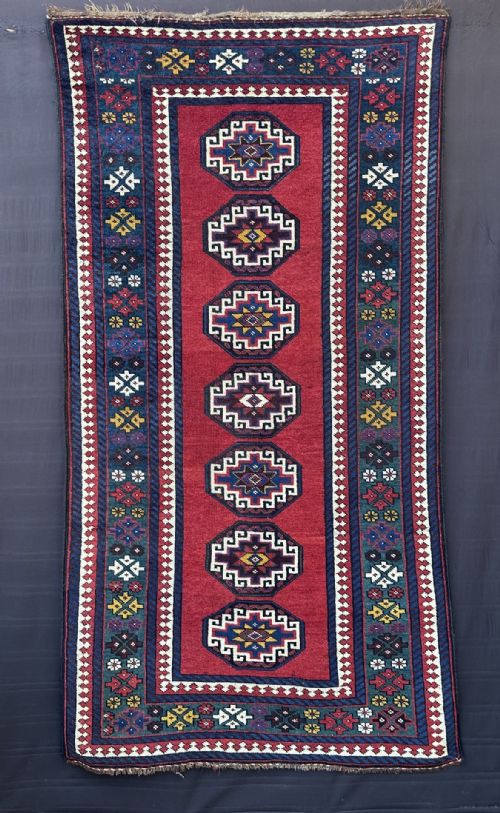
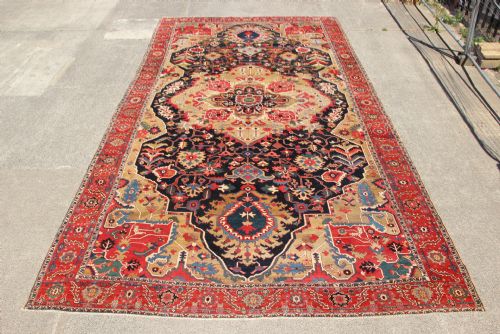
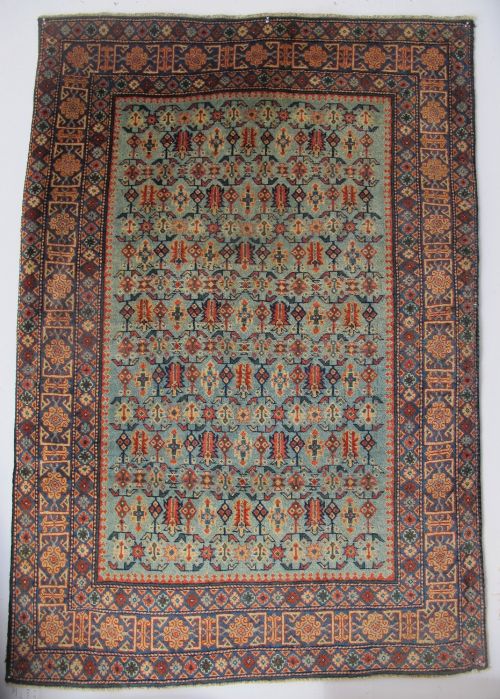
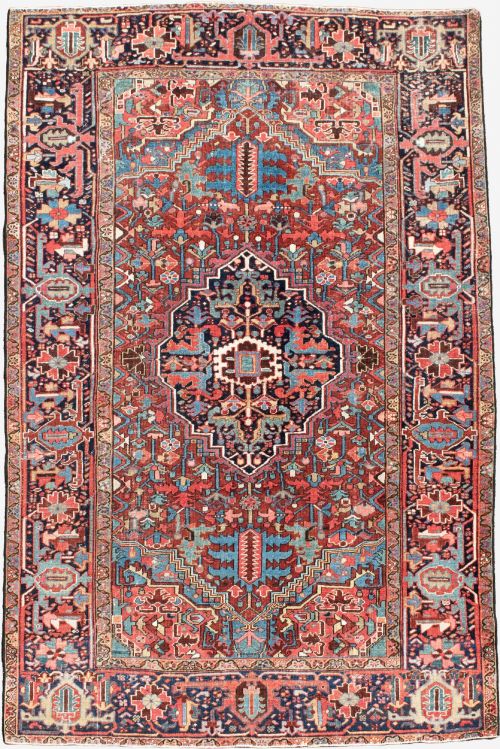
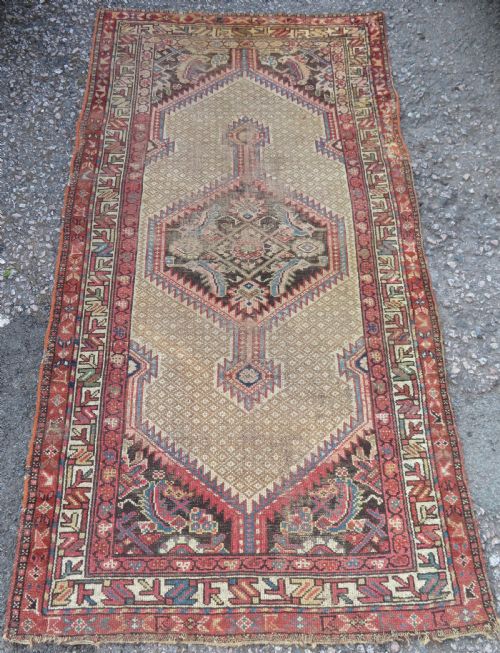
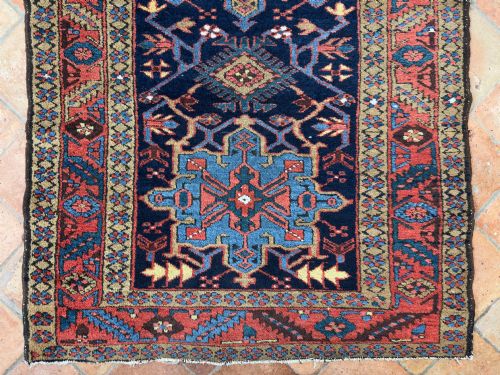
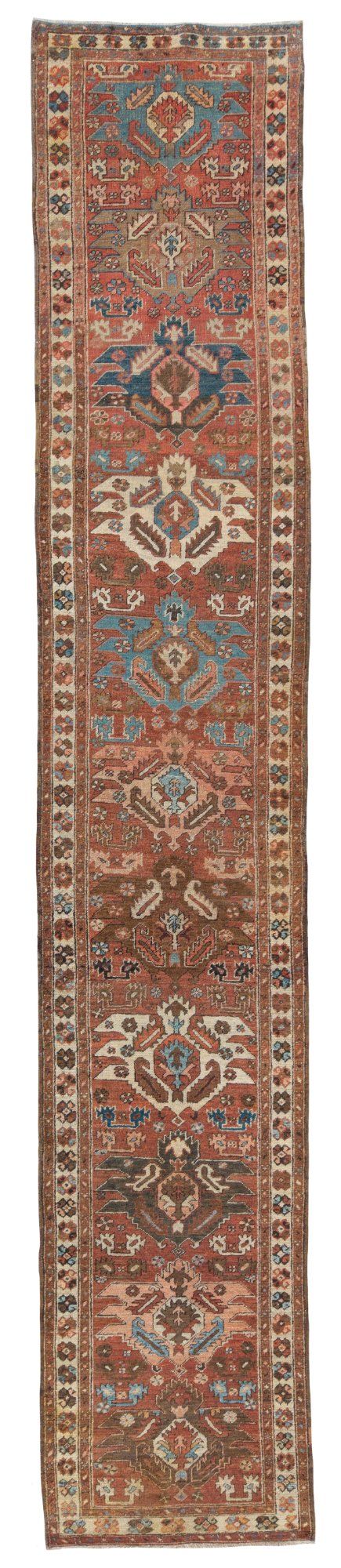
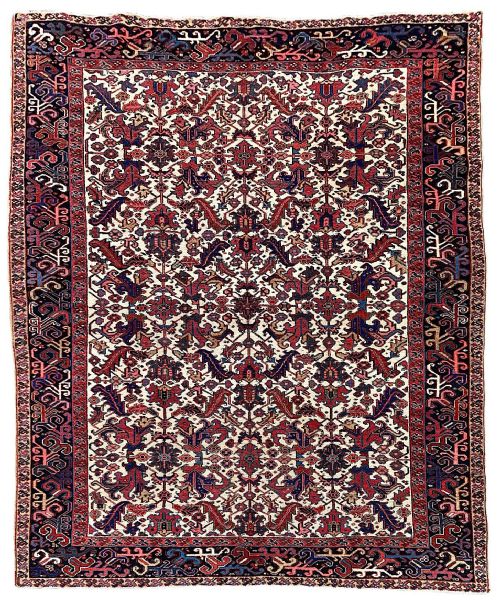
When you search for a northwest persian wool carpet, you uncover heavy geometric room-size floor coverings and long narrow runners woven across nineteenth and early twentieth-century Persian workshops.
Northwest Persian Wool Carpet
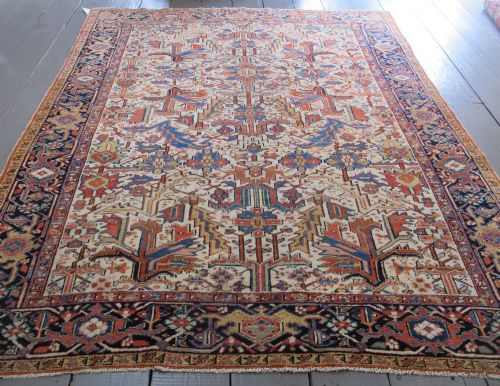
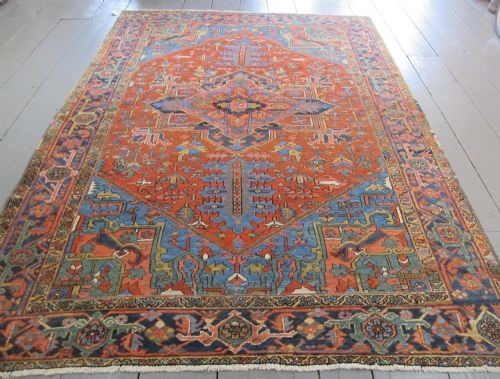
A northwest persian wool carpet comprises hand-knotted room-sized floor coverings, smaller scatter rugs, and narrow hallway runners originating from historic regions such as Heriz, Serapi, Karaja, Tabriz, Bakshaish, and Hamadan. These examples date primarily from the late nineteenth century through to the 1930s, representing nomadic, village, and town weaving traditions. Heriz and Karaja carpets dominate the selection on this page, offering distinct rectilinear medallion designs and robust formats.
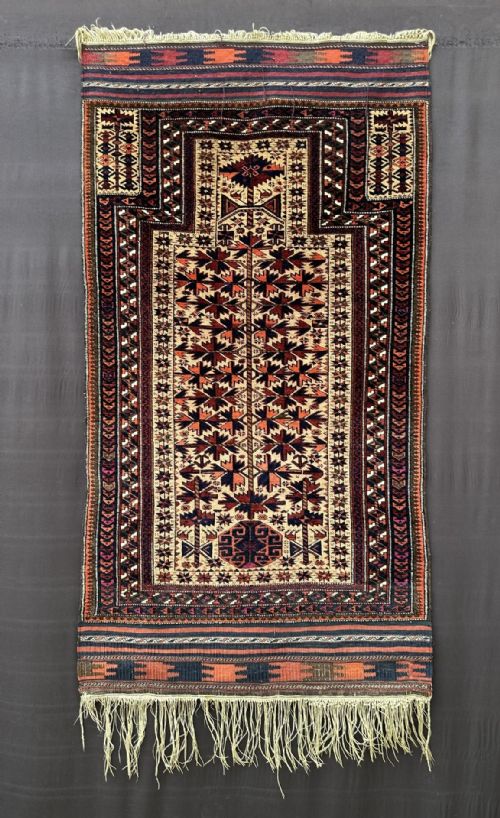
Buyers encounter substantial room carpets alongside long, narrow runners suited for hallways, as well as square format rugs and small prayer rugs. The palettes range from ivory ground colourways and saturated madder reds to softer earthy tones achieved through vegetable dyes. Each piece reflects the specific village or tribal aesthetic of north-west Persia during periods spanning from eighteen-fifty to nineteen-thirty.
How they were made
Weavers constructed these pieces using hand-spun wool pile knotted onto foundational warps and wefts of cotton, wool, or occasionally camel hair. The use of durable hand-spun wool gave the pile resilience against heavy daily wear, while cotton warps provided structural stability for large formats.
Dyeing relied on natural materials, notably madder root for reds and indigo for blues, producing complex tones that mellow gracefully over decades. The foundation knots varied in density depending on whether the piece originated from a commercial workshop in Tabriz or a village loom in Heriz.
What varies in quality
Quality rests upon the integrity of the wool, the clarity of the geometric drawing, and the retention of original border guards and fringe finishes. Finer knot densities and balanced, harmonious natural dye palettes separate exceptional town carpets from simpler village productions.
Structural preservation also determines standing, with intact side cord selvages and minimal pile wear commanding greater appreciation. Pieces maintaining their full original dimensions without heavy restoration reflect superior initial craftsmanship and subsequent preservation.
Benlian
The Northwest Persian Wool Carpet Glossary
- Warp
- The vertical threads stretched tightly on the loom that carry the tension and form the fringe at both ends.
- Weft
- The horizontal threads passed back and forth across the warps after each row of knots to lock the pile securely in place.
- Medallion
- The large central ornamental motif that dominates the field of many traditional Persian carpets.
- Selvage
- The reinforced finishing threads along the outer longitudinal edges of the carpet that prevent fraying.
- Madder
- A natural vegetable dye extracted from the roots of the Rubia plant, yielding deep reds and rust tones.
Northwest Persian Wool Carpet: Frequently Asked Questions
How do I clean an antique Persian rug?
Professional specialist washing remains essential for antique wool carpets to protect natural dyes and fragile cotton foundations. Regular gentle vacuuming without a rotating beater bar prevents dust accumulation within the pile.
Avoid chemical spot cleaners or household detergents, which strip natural lanolin from the wool and cause colours to bleed. Consult a conservator experienced in nineteenth-century textiles for any major maintenance.
Can I place these carpets in hallways?
Many surviving examples include long, narrow runners specifically produced for corridors, hallways, and staircases. The sturdy wool pile and robust cotton foundations withstand moderate foot traffic when paired with a quality underlay.
Positioning runners away from direct, continuous sunlight preserves the vegetable dyes against premature fading over time.
How do I distinguish Heriz from Serapi?
Serapi carpets generally represent an earlier, finer, and more spacious version of the classic Heriz geometry, typically dating from the nineteenth century. They feature larger central medallions and more open fields with delicate drawing.
Standard Heriz carpets tend to display denser, heavier rectilinear designs with bolder corner spandrels and robust structural weighting.
What underlay should I use underneath?
A breathable, mesh-style rug underlay prevents slipping on hardwood or stone floors while protecting the wool foundation from abrasive friction. This layer also provides a slight cushion that absorbs foot impact and reduces wear on the knots.
Ensure the chosen underlay is completely synthetic-free or approved for use with antique textiles to avoid chemical interaction with the wool.