

Queen Anne Side Desk
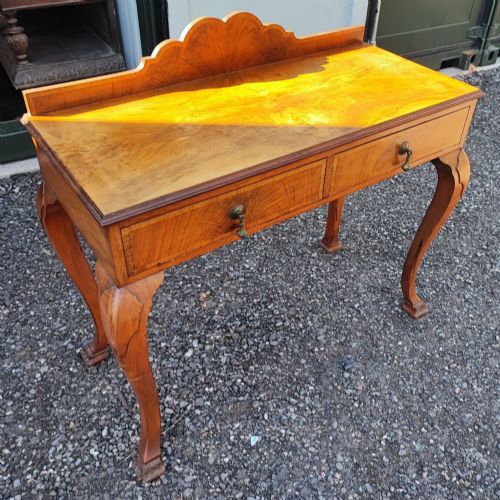
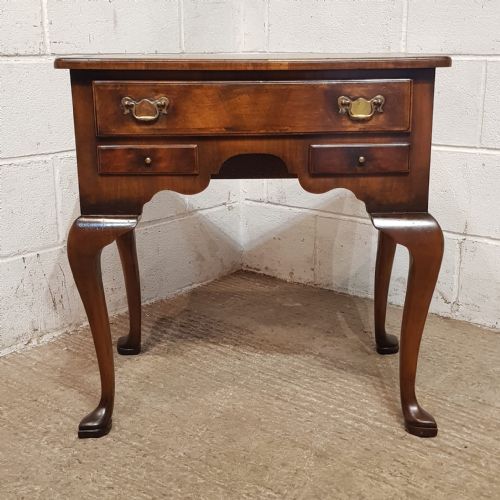
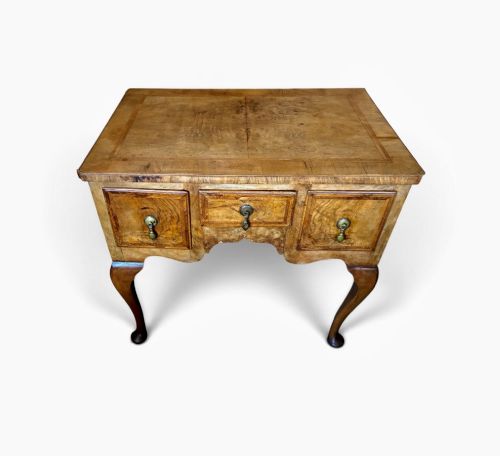
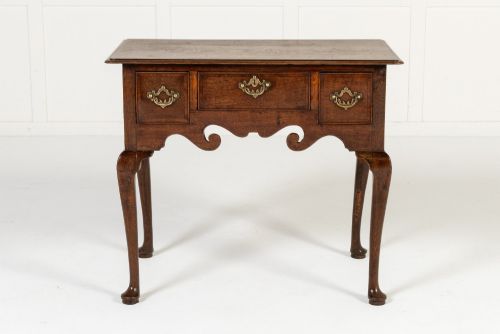
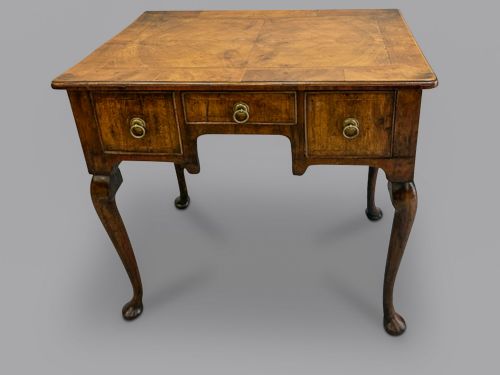
These pieces known as a queen anne side desk combine restrained domestic scale with figured timbers, offering a compact surface for writing or display.
Queen Anne Side Desk
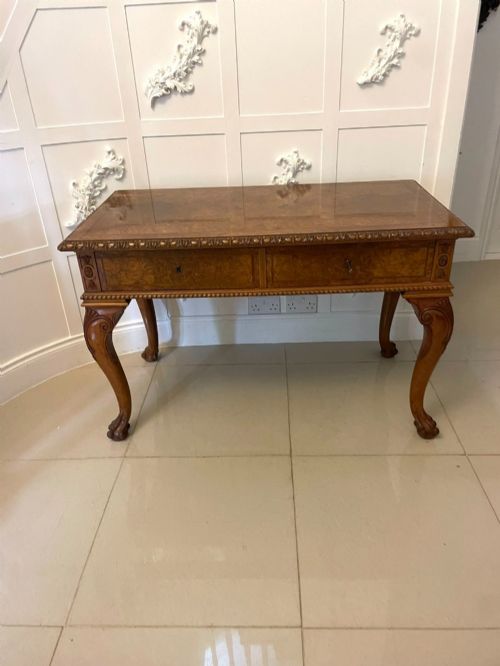
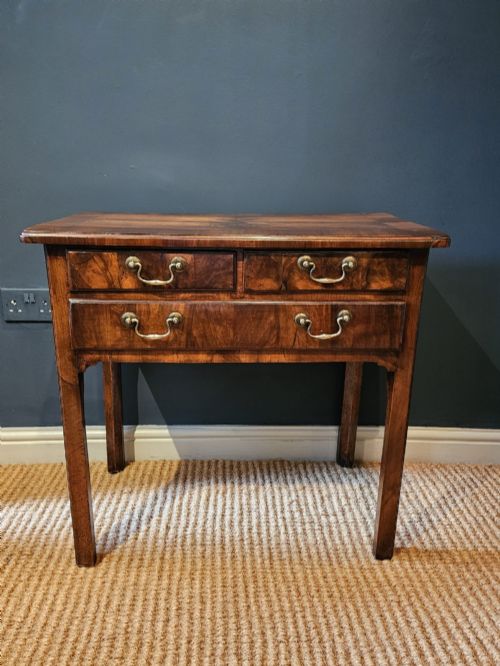
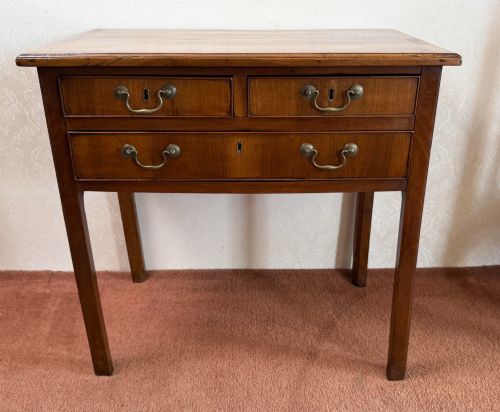
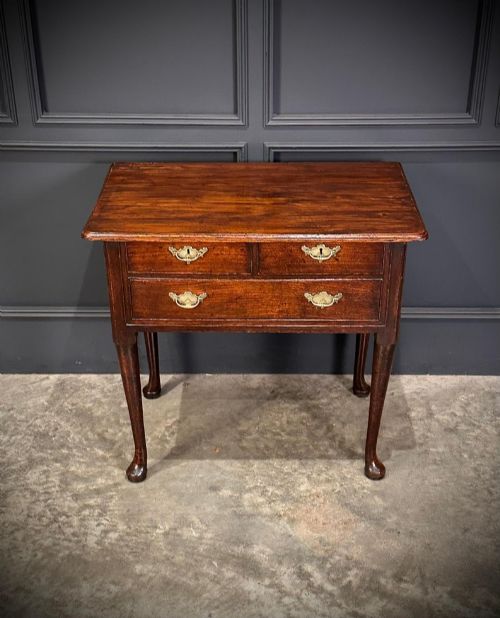
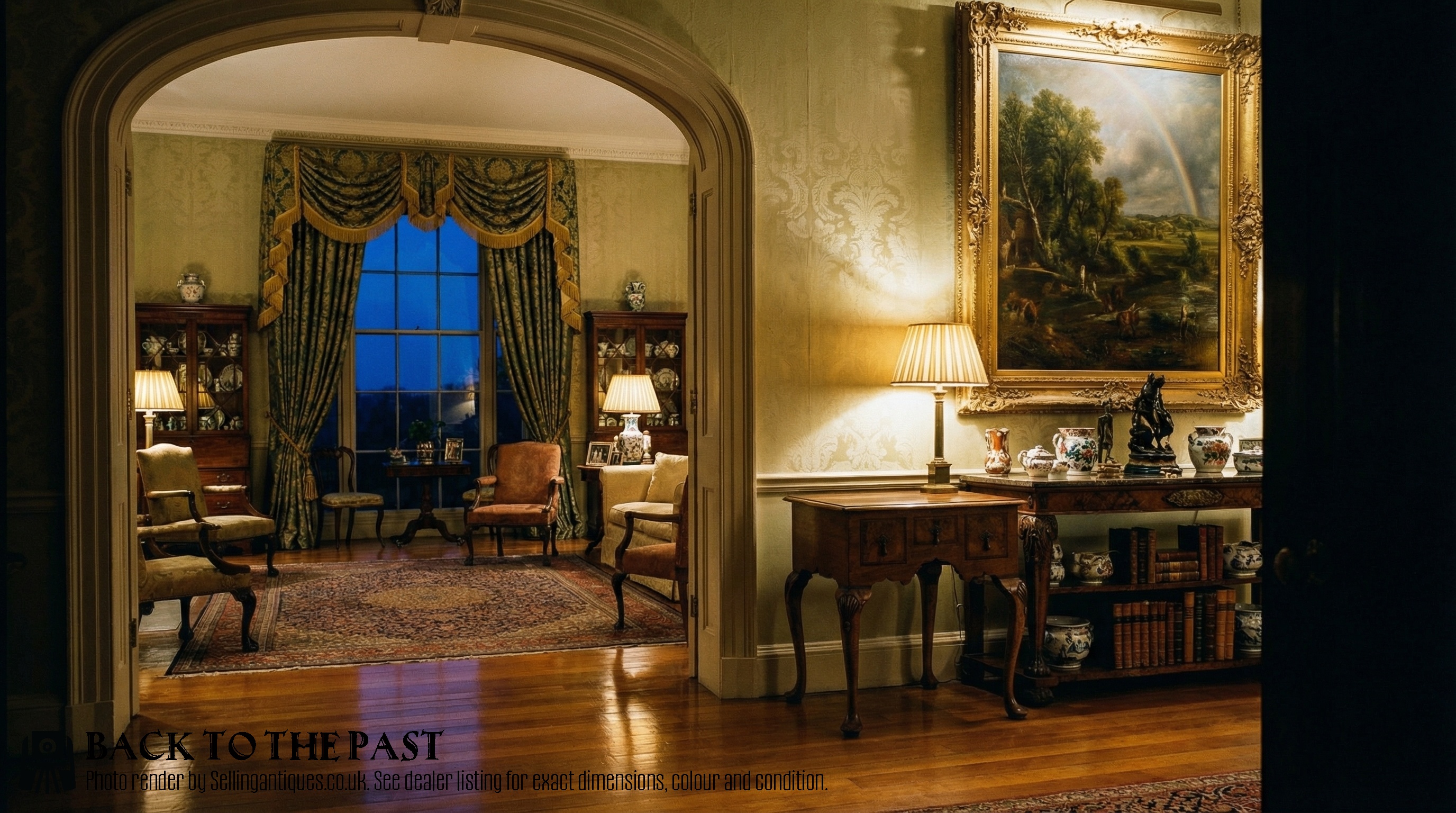
A queen anne side desk encompasses lowboys, writing tables, and side tables produced during the eighteenth century alongside revival interpretations from later periods. The forms typically feature a compact footprint with drawers fitted beneath a polished top.
The material palette spans native English oak and walnut, occasionally enhanced by marquetry or figured veneers. Surviving examples demonstrate the evolution of domestic furniture from the early Georgian era onwards.
How they were made
Cabinetmakers utilised solid timbers alongside finely figured veneers applied to secondary woods. Walnut and oak form the structural core of most examples, complemented by brass drawer pulls and escutcheons.
Construction techniques involve traditional jointing methods, including dovetails for drawer construction and tenons for frames. Timber surfaces received protective wax or polish finishes to highlight the natural grain patterns.
What varies in quality
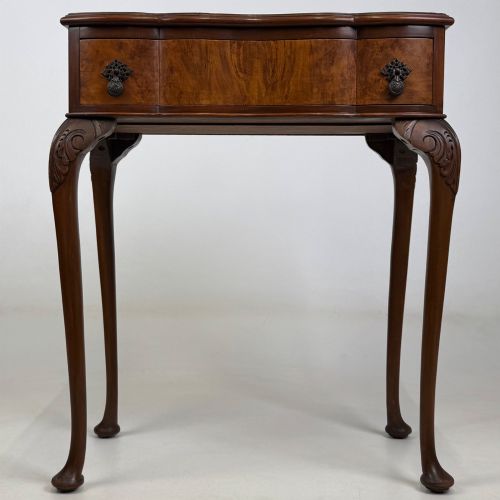
The choice of timber grain distinguishes standard production from superior pieces, particularly regarding the selection of figured burr walnut veneers. Master craftsmen arranged veneers symmetrically to create balanced patterns across the drawer fronts and top surfaces.
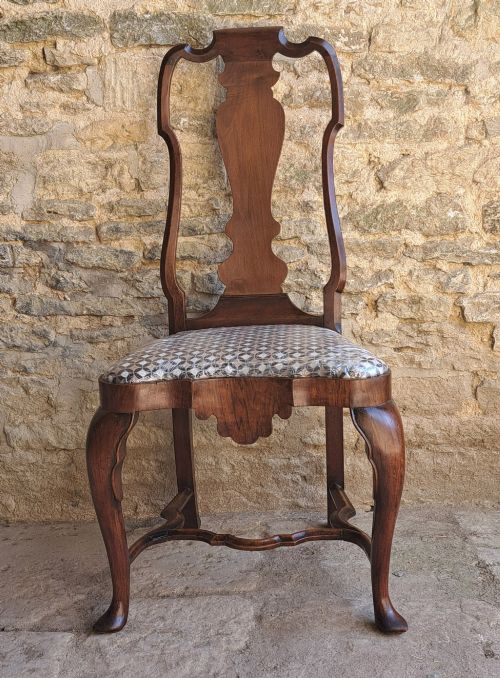
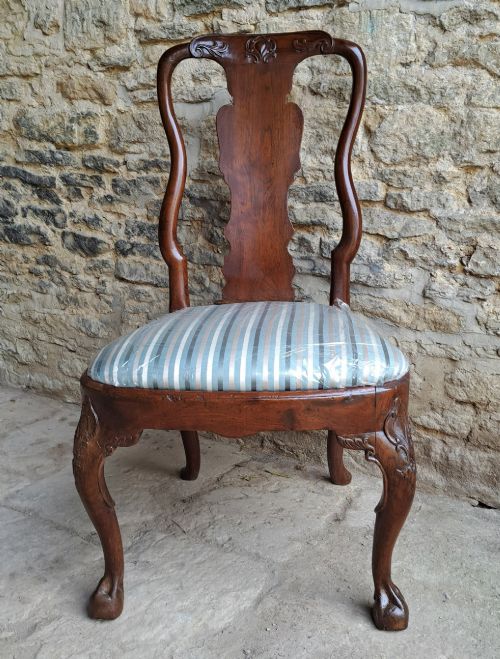
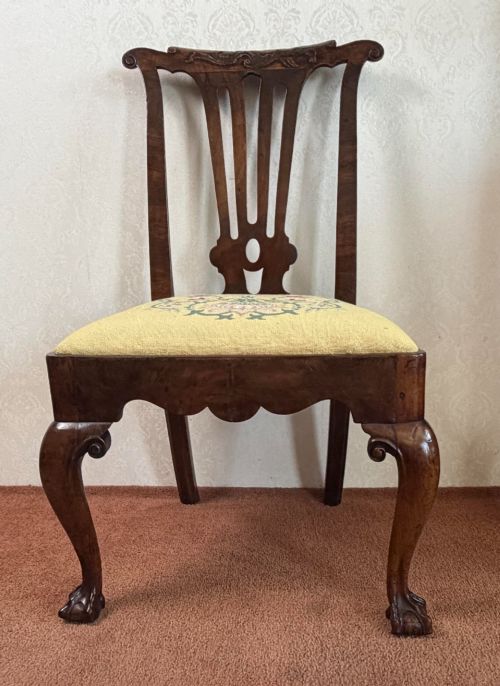
Proportion and leg contouring dictate aesthetic success, with well executed cabriole legs demonstrating graceful curves rather than heavy, static lines. The crispness of carved details, where present, reveals the competency of the original workshop.
Charles Tozer·Shoolbred and Co·Maple and Co
The Queen Anne Side Desk Glossary
- Cabriole leg
- A furniture leg that curves out and then in, resembling the leg of an animal. This form became characteristic of early eighteenth century design.
- Lowboy
- A small table with one or more drawers, often used as a dressing table or side table. These pieces sit on relatively tall legs.
- Burr walnut
- A specialised timber cut from walnut tree growths, producing intricate and swirling grain patterns. Cabinetmakers prize this material for decorative veneer work.
- Marquetry
- The art of applying pieces of veneer to a structure to form decorative patterns or pictures. Craftsmen utilise various contrasting woods for visual depth.
Queen Anne Side Desk: Frequently Asked Questions
What is a lowboy?
A lowboy is a small table equipped with drawers beneath the surface, designed for domestic tasks such as writing or grooming. These tables typically feature four legs and a compact rectangular top.
Historically placed in bedrooms or parlours, they offer functional storage without dominating the room space. Their proportions make them versatile for modern interiors.
How do I identify a revival piece?
Revival pieces mimic eighteenth century aesthetics but display manufacturing methods and timber conditioning typical of the nineteenth or twentieth century. Look at the interior secondary woods and construction marks for clues.
Makers working during the Edwardian era or later utilised machinery that left distinct tool traces compared to hand tools of the original period.
Are these desks suitable for daily use?
These tables provide sturdy writing surfaces and drawer storage that function well in modern home offices or living areas. Their modest scale suits laptops and paperwork.
Care should be taken to protect polished wooden surfaces from moisture and heat by utilising appropriate desk pads or coasters.