
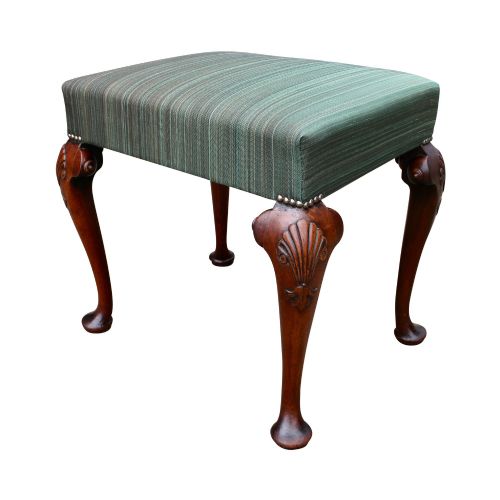
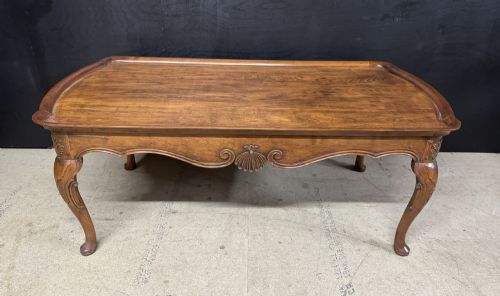
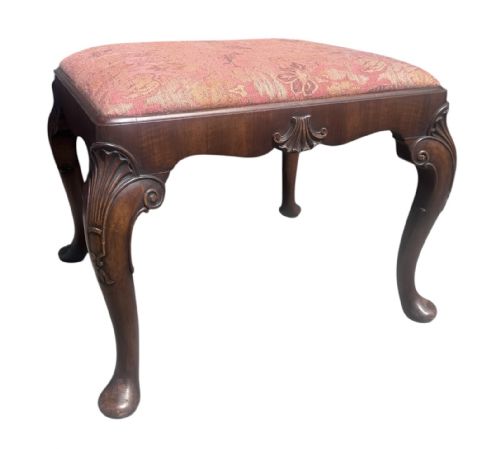


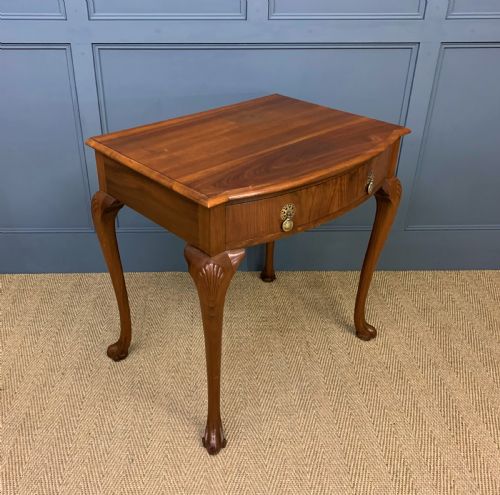


Shell Carved Walnut Table
These shell carved walnut table items span centuries of craftsmanship, offering timeless elegance and functional surface space for any traditional interior.
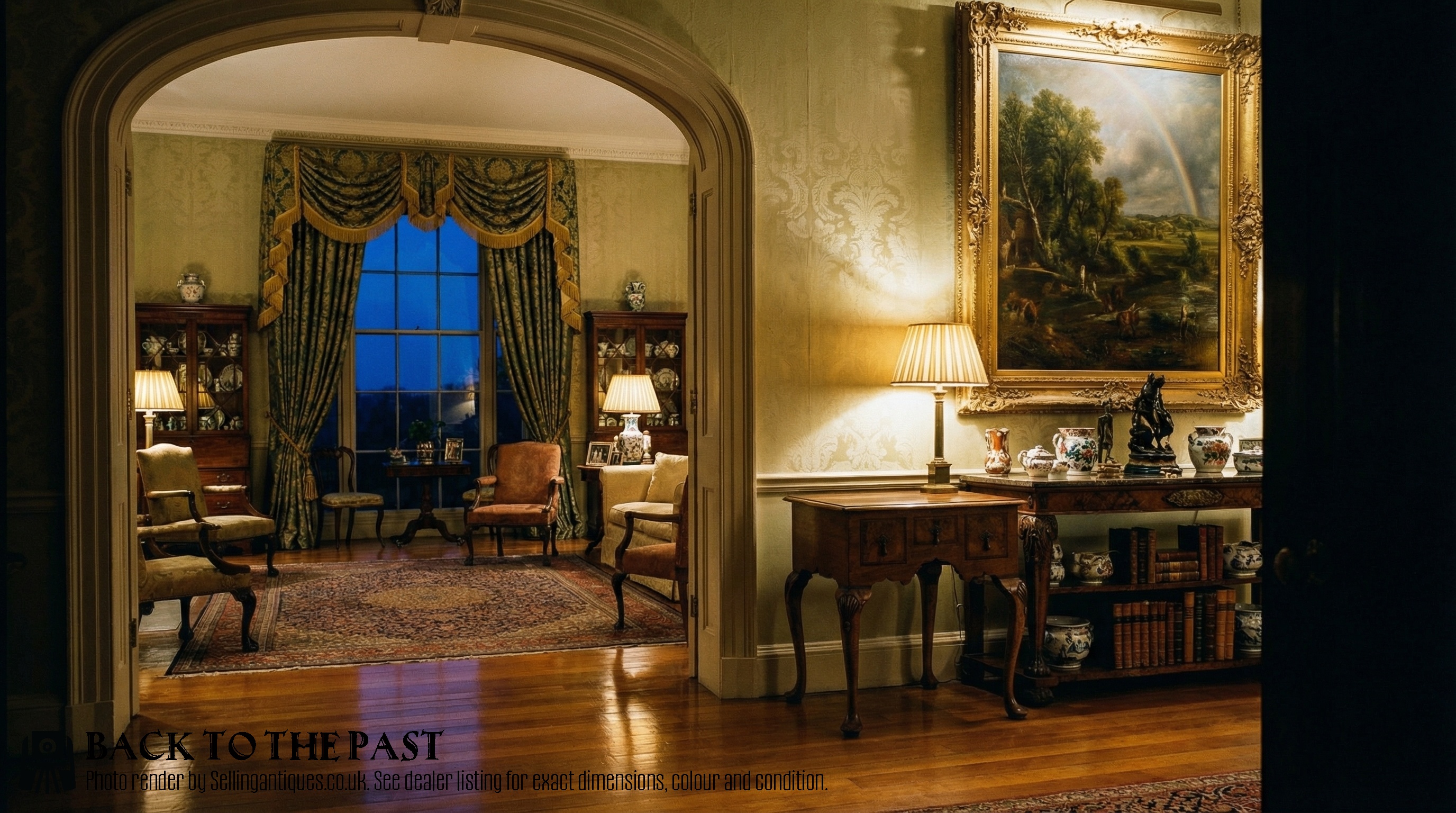
Shell Carved Walnut Table
Stools and footstools also appear frequently under this category, sharing the characteristic timber and decorative motifs. Originating across different decades, these items reflect enduring classical design traditions.
Materials and construction
Makers utilised solid walnut and figured burr walnut for these pieces, often combining the timber with brass handles, brass tacks, and textile upholstery. The surfaces display rich figuring, while structural joinery supports various configurations from folding card tables to lowboys and dresser bases.
Carving detail defines the decorative execution, particularly around knees and apron centres. The timber receives finishing treatments that highlight natural grain patterns.
Listings feature walnut timber alongside brass hardware, textile upholstery, and brass tacks across periods spanning the eighteenth to the twentieth century.
Judging quality in walnut furniture
Quality rests upon the selection of timber veneers and the crispness of the carved ornamentation. Burr walnut sections demonstrate superior figuring, while finely detailed shell motifs exhibit sharp relief and balanced proportions.
Construction integrity and the retention of original brass hardware or upholstery fabrics elevate individual examples. Pieces from established makers or distinct revival periods show superior execution in structural joints.
Maple and Co
The Shell Carved Walnut Table Glossary
- Burr walnut
- A highly figured timber veneer obtained from walnut tree growths. It provides intricate patterns across table tops and cabinet fronts.
- Queen Anne Style
- A design movement characterised by cabriole legs, pad feet, and graceful curved lines. It heavily influences eighteenth and nineteenth-century seating and tables.
- Lowboy
- A small low dressing table or side table featuring drawers. It typically rests on slender cabriole legs.
- Pie crust
- A raised, scalloped edge carved around the perimeter of a circular table top. This decorative feature appears on occasional and coffee tables.
Shell Carved Walnut Table: Frequently Asked Questions
What is a shell carved walnut table used for?
These tables serve multiple functions depending on their specific form, ranging from serving afternoon coffee to providing a surface for card games or general display.
Console and side tables work well against walls in hallways or living spaces, while lowboys and desks offer compact writing or storage surfaces.
How do I care for antique walnut furniture?
Maintain the timber by keeping pieces away from direct heat sources and strong sunlight to prevent the walnut veneer from drying out or fading.
Apply a traditional wax polish occasionally and buff gently with a soft cloth to preserve the natural lustre of the wood.
How can I tell the period of a walnut table?
Examine the construction methods, timber selection, and decorative hardware to determine the likely era of manufacture. Eighteenth-century originals show hand-cut joinery and aged patination, whereas nineteenth and twentieth-century revival pieces often incorporate machine-cut elements and specific stylistic revivals like George II or Queen Anne.
Reviewing the specific style descriptors helps distinguish between period pieces and later revival interpretations.
What is the difference between solid walnut and burr walnut?
Solid walnut uses regular timber planks for the primary structure of the table, showing consistent linear grain patterns. Burr walnut utilises decorative veneer sliced from tree burls, displaying swirling, highly figured patterns across surfaces.
Burr veneer is typically applied to table tops and drawer fronts for enhanced visual appeal.