



Light Wood Console Table
A light wood console table brings pale warmth and clean lines to a hallway or reception room.
Light Wood Console Table
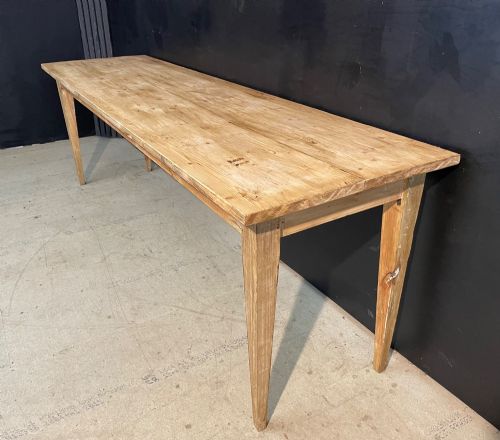
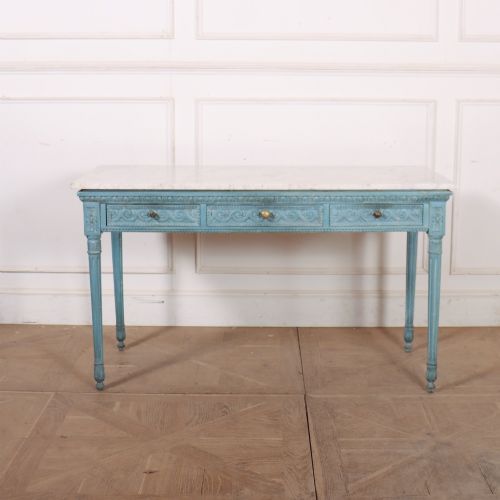
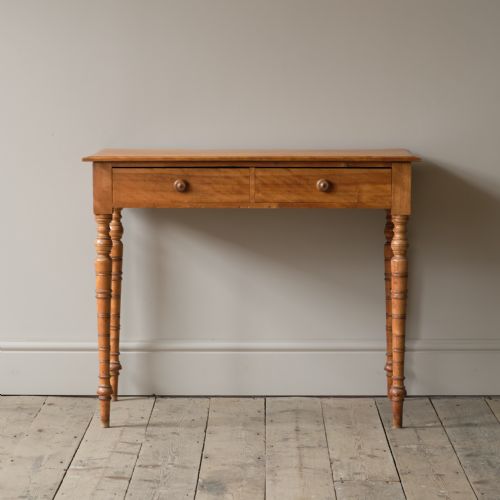
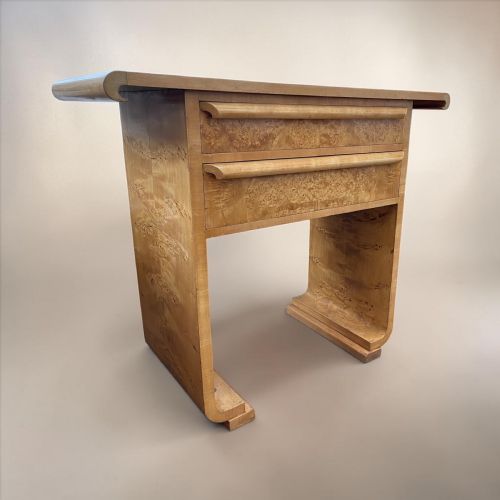
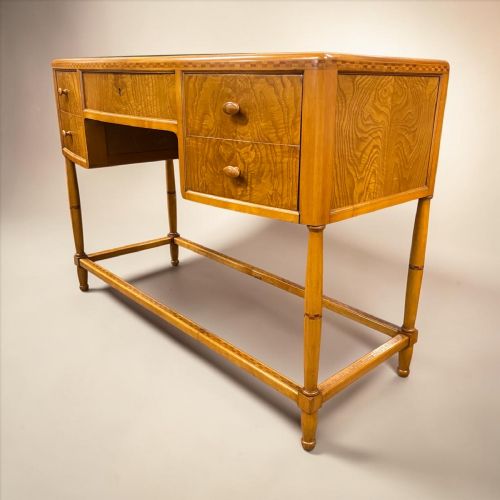
A light wood console table offers a shallow surface designed to stand against a wall in narrow spaces like hallways and landings. These pieces appear in forms ranging from narrow serving tables to writing desks and altar tables.
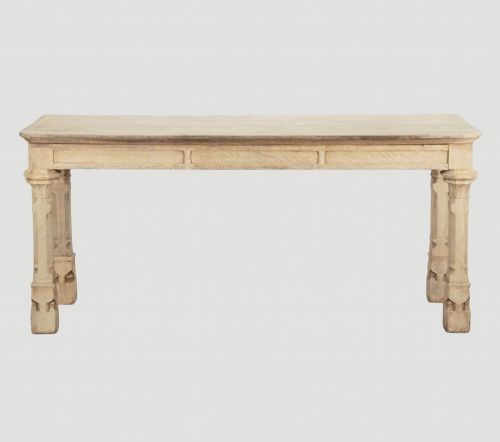
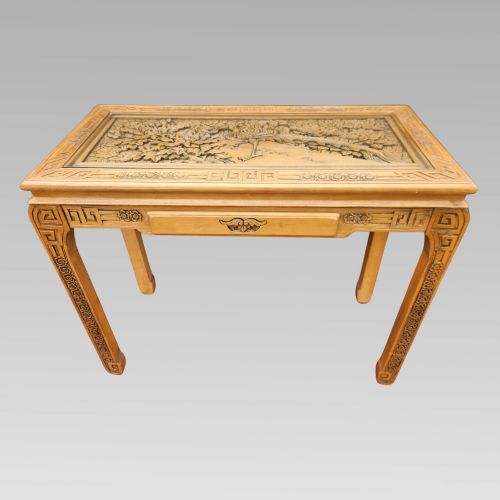
Buyers will find a diverse mix of regional styles, including French provincial trestles, Scandinavian designs, English country pieces, and Chinese elm furniture. This variety makes it simple to match a specific interior palette.
How they were made
Cabinet makers utilised solid timbers like oak, elm, and pine, often shaping tops and legs with hand tools. Joinery relies on traditional methods suited to supporting narrow surfaces against walls.
Many historical pieces achieve their pale appearance through modern or historic bleaching processes applied to darker woods like oak and walnut. Other examples utilise naturally light timbers such as maple, birch, and scrubbed sycamore.
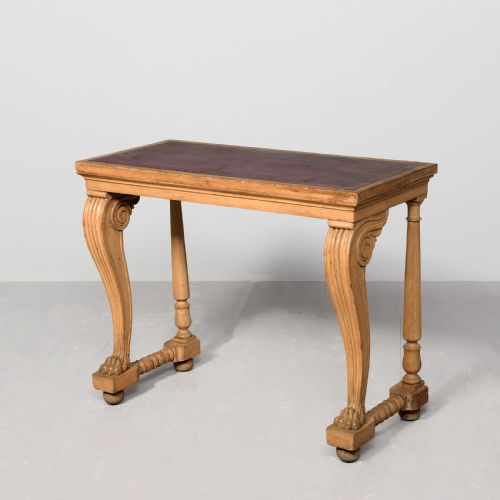
Surface ornamentation ranges from plain scrubbed boards to detailed hand-carving found on Italian and Oriental pieces. Structural support varies from sturdy trestle bases to slender tapering legs and potboards.
Light Wood Console Table Retail Price Guide 2026
Typical asking prices for light wood console table among the pieces listed under this phrase on Sellingantiques today, from the lower quarter to the upper quarter. They describe what is for sale here now, not the wider market.
Listings feature woods such as elm, oak, pine, birch, and maple across various nineteenth and twentieth-century periods.
What varies in quality
The distinction between ordinary and exceptional pieces lies in the choice of timber selection and the integrity of the original construction. Superior examples display carefully matched grain patterns and substantial timber thickness.
Proportion and execution define the visual success of each piece, particularly in carved details and leg profiles. Pieces by known makers or specific retail houses carry distinct design pedigree that elevates their standing.
Fortnum and Mason·James Mein of Kelso
The Light Wood Console Table Glossary
- Console table
- A table designed to stand flat against a wall, traditionally supported by wall brackets or decorative legs. These tables fit narrow spaces where standard furniture is too deep.
- Bleached oak
- Oak timber treated to remove its natural dark tannins, resulting in a pale, blonde finish. This technique gained popularity across nineteenth-century and twentieth-century European furniture.
- Trestle table
- A table featuring a horizontal beam supported by two vertical feet or frames at either end. This construction provides robust stability while allowing maximum legroom underneath.
- Satin birch
- A timber derived from birch species featuring a fine grain that catches the light with a satin-like sheen. Cabinet makers utilised this wood for refined nineteenth-century writing and side tables.
- Potboard
- An open lower shelf built into the base of a table or dresser, traditionally used for storing pottery and heavy kitchen utensils.
Light Wood Console Table: Frequently Asked Questions
Where should I place a light wood console table?
These narrow tables suit hallways, entryways, and landings where floor space is limited. They also serve as useful side surfaces in living rooms and dining spaces.
Because of their shallow depth, they sit neatly against walls without obstructing pathways through the home.
How do I care for bleached wood furniture?
Dust surfaces regularly with a soft, dry cloth to prevent grit buildup. Avoid using harsh chemical sprays or placing the table in direct sunlight to protect the pale finish.
Use coasters and placemats to guard against moisture rings and heat marks on the timber top.
Can these tables be used as writing desks?
Certain variations featuring drawers or deeper tops function well as writing desks or occasional workspaces. Check the height and knee clearance beneath the apron before using it for daily seated work.
Many nineteenth-century side and writing tables share similar proportions to console tables.
What periods do these console tables cover?
The selection spans from the Georgian era through the nineteenth century and into the Art Deco period of the 1930s. Each era brings distinct stylistic influences, from French provincial simplicity to Scandinavian modernism.
Stylistic cues and construction methods help distinguish earlier Georgian pieces from later nineteenth-century country furniture.