

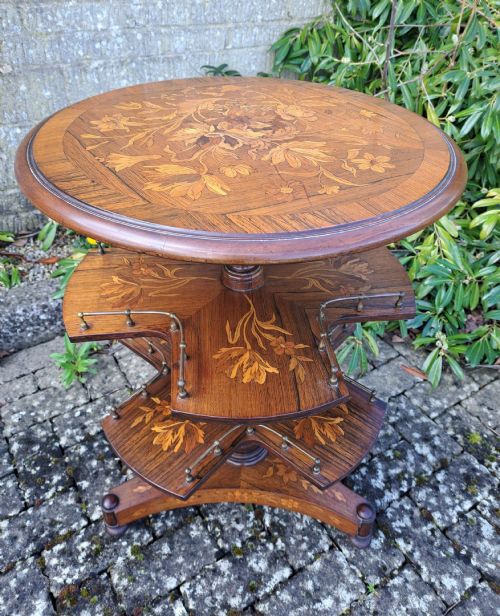


Circular Walnut Side Table
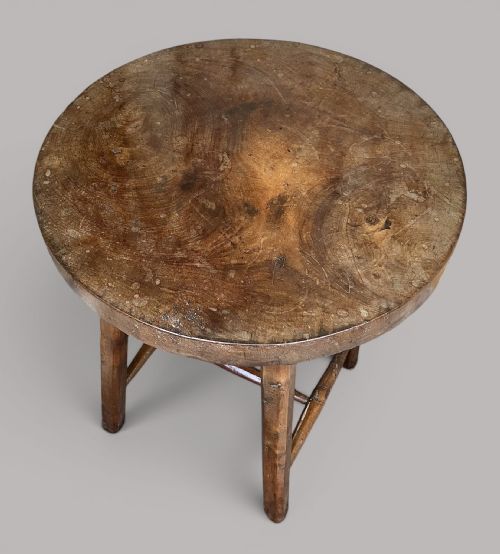
A circular walnut side table brings warmth and rich grain to a room, offering a compact surface that works beside any chair.
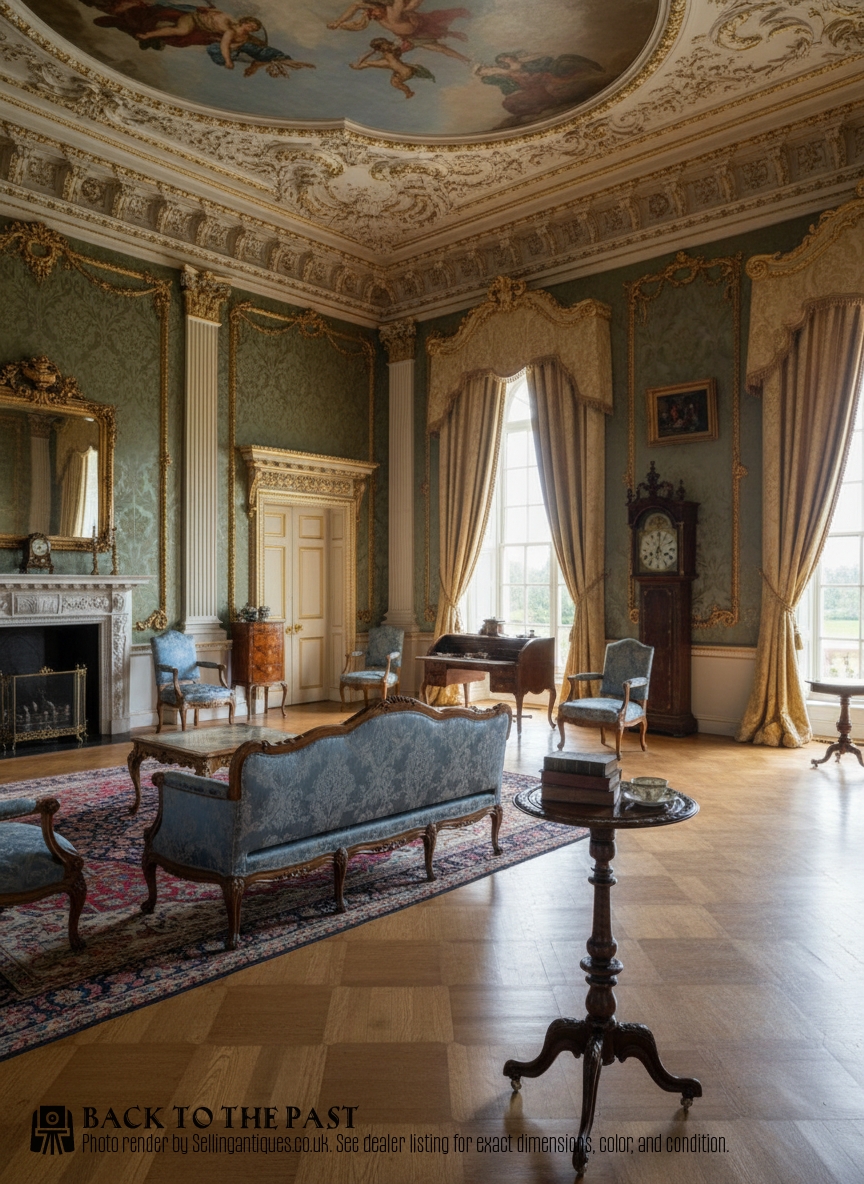
What these pieces are
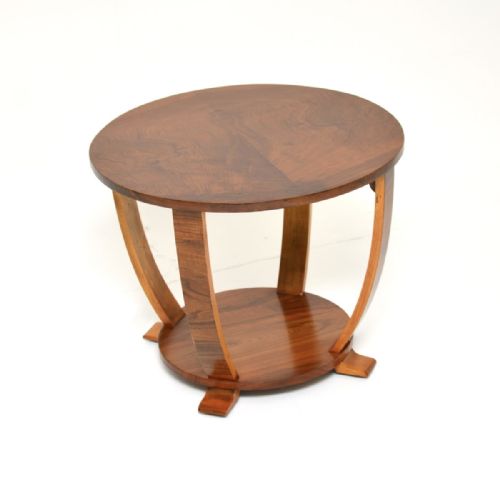
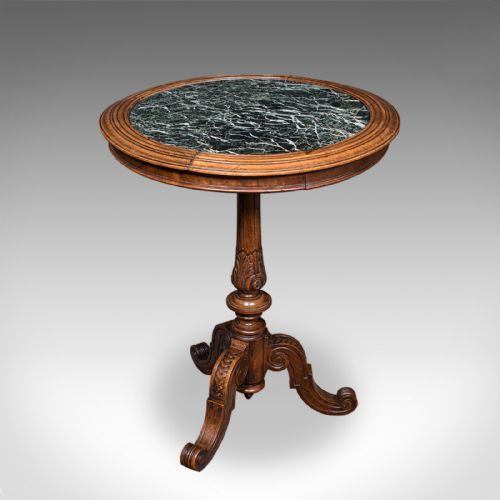
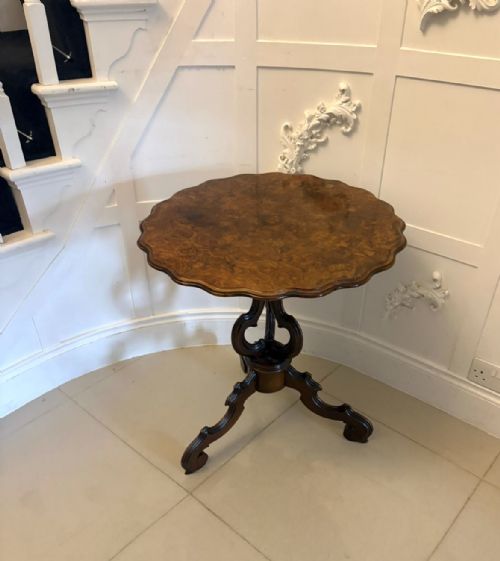
When you search for a circular walnut side table, you find a range of small round tables designed for everyday utility and display. The selection spans distinct eras, moving from Georgian and Victorian designs to English and French Art Deco examples.
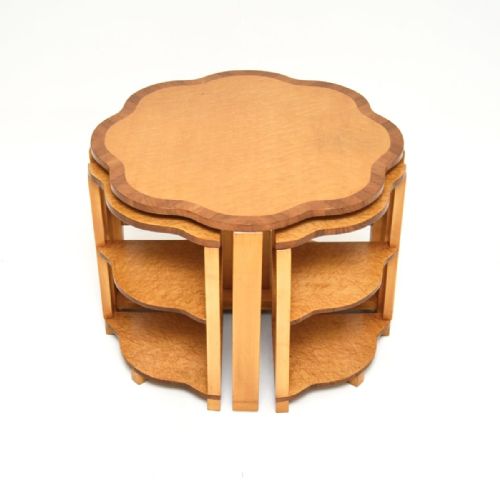
Most pieces on this page take the form of side tables, lamp tables, wine tables, or coffee tables. You also encounter occasional tables, snap top tripod tables, and occasionally specialised forms like double-sided card games tables.
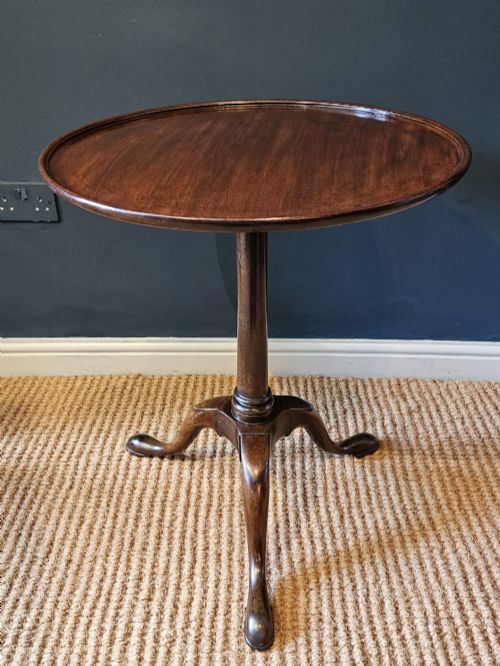
The periods represented include George II, Queen Anne style, Victorian examples from the nineteenth century, and twentieth-century pieces dating from the nineteen-thirties and nineteen-forties. These compact items suit numerous interior settings, functioning readily as bedside stands or centre tables.
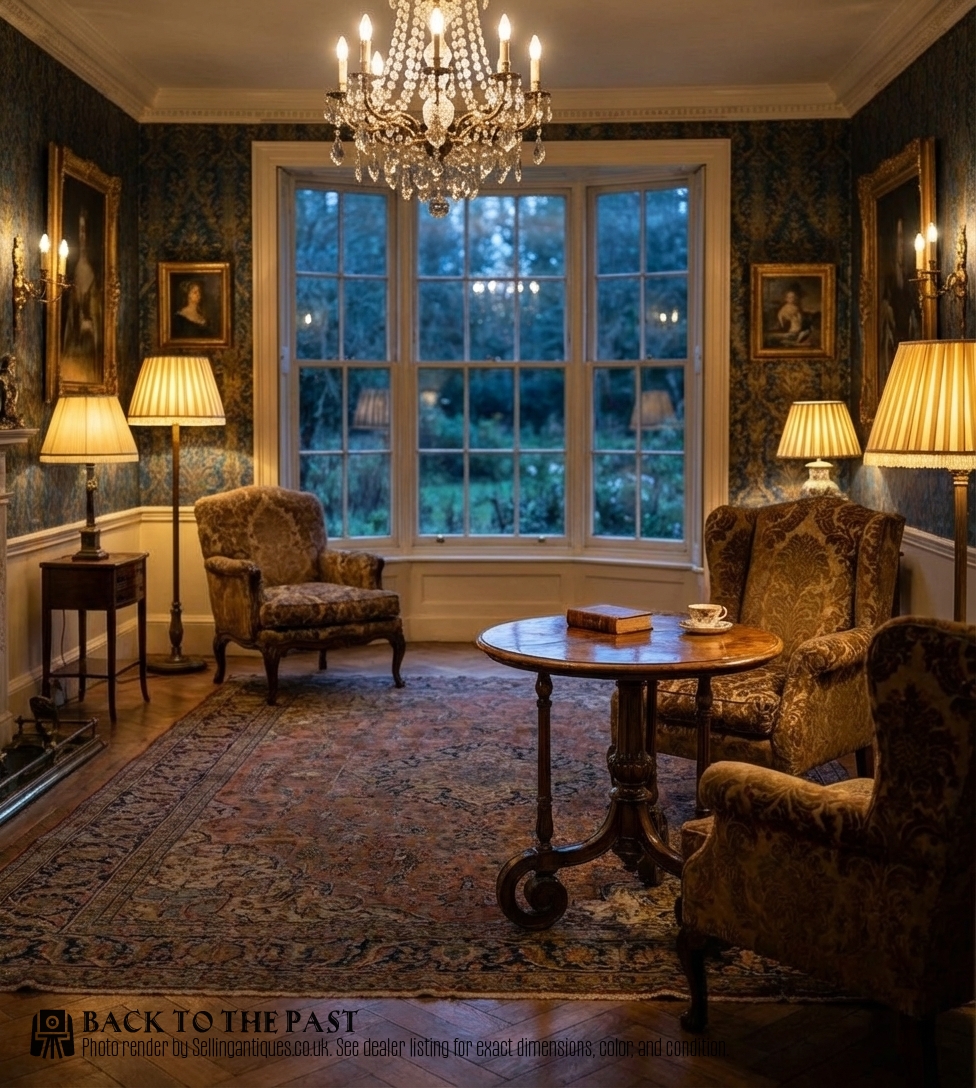
How they were made
The primary material across these pieces is walnut, appearing in standard plain stock alongside highly decorative veneers such as figured walnut and burr walnut. Certain examples also incorporate mahogany alongside the walnut construction.
Cabinet makers utilised distinct turning and carving techniques to shape pedestals, tripod bases, and snap top mechanisms. Surface finishing highlights the natural figuring of the wood, accentuating the circular tops of lamp, wine, and coffee tables.
Retail Price Guide 2026
Typical UK retail prices for circular walnut side table, calculated from the Sellingantiques database of over a million retail prices indexed since 2003. This retail price guide relies exclusively on Sellingantiques data; no external sources or auction records are used, so the figures do not describe the wider market.
What varies in quality
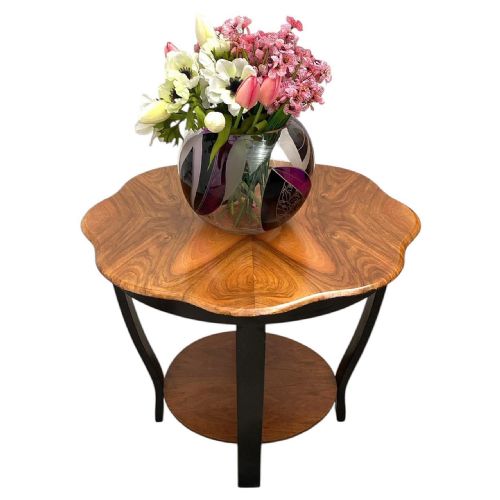
The visual impact of a circular walnut side table depends heavily on the choice of timber and the complexity of its grain. Figured and burr walnut veneers provide striking patterns that elevate a simple occasional table into a decorative focal point.
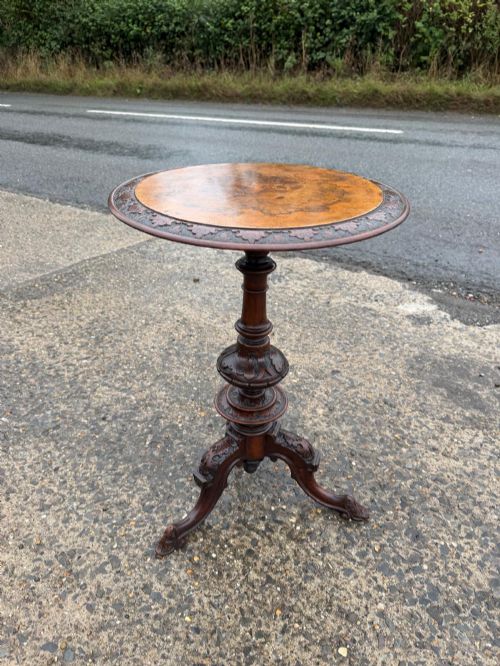
Construction nuance separates standard production from finer cabinet work, evident in the carving on Victorian lamp tables or the balanced proportions of George II tripod bases. The execution of mechanical elements, such as snap top mechanisms or spin tops, dictates the refinement of the piece.
The Circular Walnut Side Table Glossary
- Burr walnut
- A veneer taken from the growth growths or burls of a walnut tree, yielding a swirling, highly decorative grain pattern. This timber is frequently selected for the tops of Victorian lamp tables and wine tables.
- Snap top
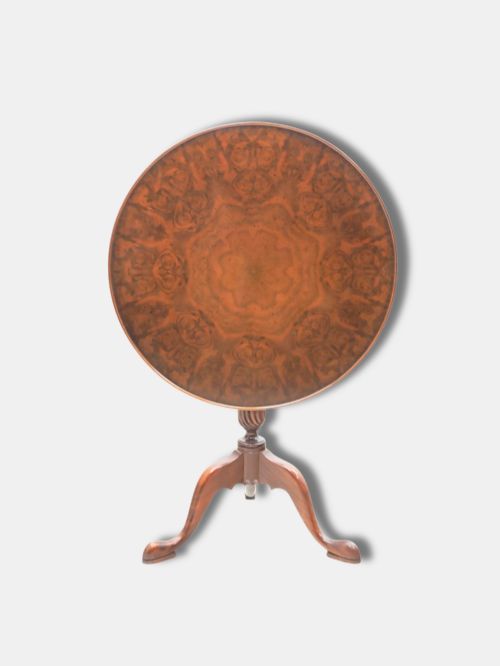
- A tabletop mounted on a hinge mechanism that tilts to a vertical position when not in use. This feature allows tripod tables to be stored flat against a wall.
- Tripod table
- A small freestanding table supported by a central pillar resting on three legs. The design provides stable placement on uneven floors.
- Figured walnut
- Timber exhibiting distinctive natural patterns and grain variations caused by branching or growth stress. It adds visual depth to Art Deco coffee tables and occasional pieces.
Frequently Asked Questions
Where should I place a circular walnut side table?
These compact tables fit easily beside armchairs, sofas, or beds where surface space is limited. Their rounded edges allow them to sit comfortably in corners or as freestanding centre tables.
They serve multiple functions across the home, acting as lamp tables, wine stands, or low coffee tables depending on their height and era.
How do I identify a Victorian walnut table?
Victorian examples often feature dark walnut timbers, turned pedestals, and carved details on the legs or column. The use of burr walnut veneer is particularly common on lamp and wine tables from the mid-nineteenth century.
Construction methods and hardware will also reflect nineteenth-century joinery practices, distinguishing them from earlier Georgian or later Art Deco pieces.
What is the difference between a wine table and a lamp table?
Wine tables traditionally offered a small surface to hold a glass and bottle, often featuring a snap top mechanism on a tripod base. Lamp tables share a similar compact circular footprint but were built specifically to support lighting.
In modern usage, these terms often overlap as buyers adapt the small round tables for general decorative and practical purposes.
How do Art Deco walnut tables differ from earlier styles?
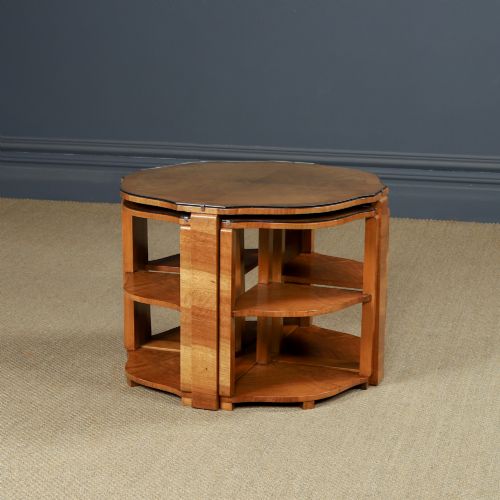
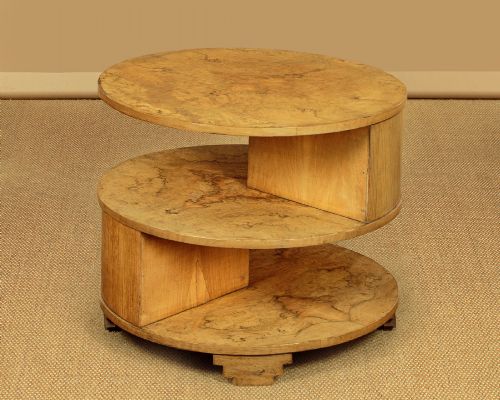
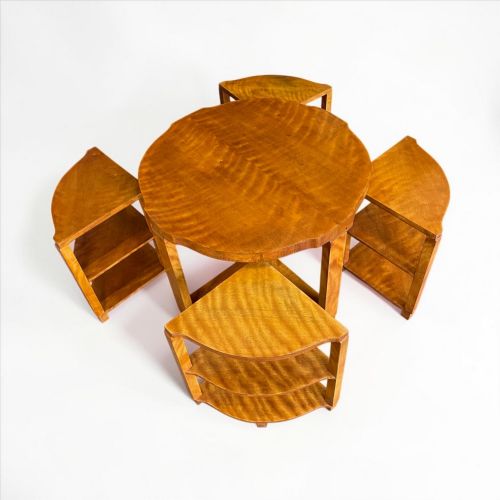
Art Deco pieces from the nineteen-thirties and nineteen-forties lean towards clean lines, geometric forms, and smooth figured walnut veneers. They frequently appear as low coffee tables or two-tier occasional tables rather than tall pedestal stands.
Earlier Georgian and Victorian pieces emphasise carved ornamentation, turned columns, and rich burr grains rather than the streamlined silhouettes of the twentieth century.