


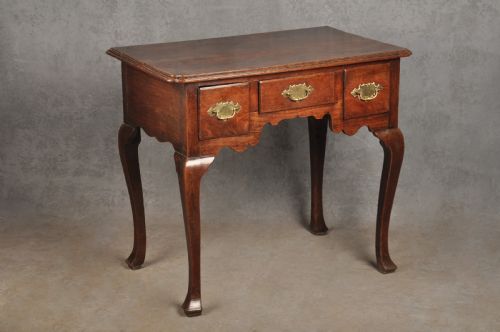


English Walnut Console
An English walnut console brings rich grain and warmth to a hallway or drawing room.
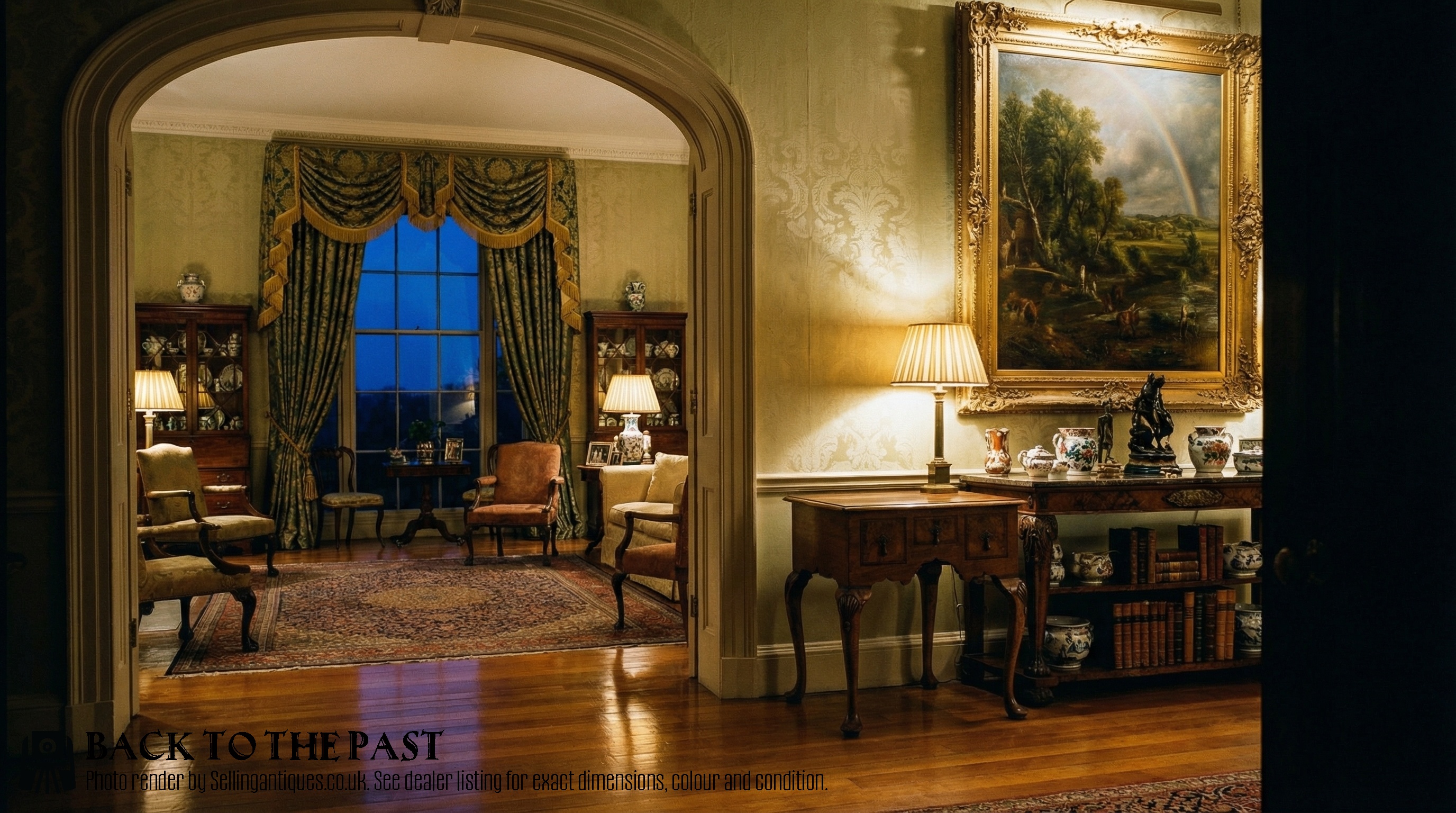
English Walnut Console
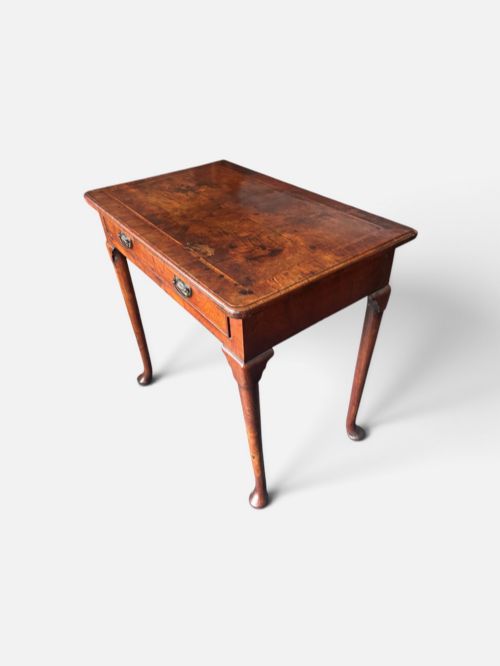
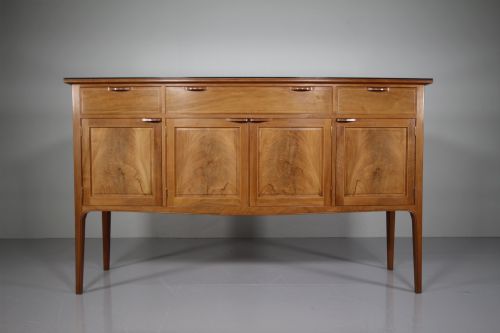
The pieces on this page span from the seventeenth century through the Georgian and Victorian eras into the twentieth century, including revival pieces and Art Deco designs.
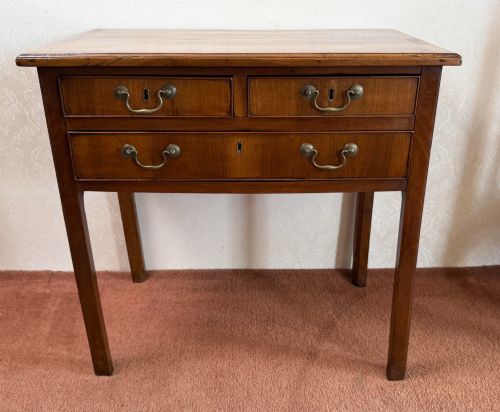
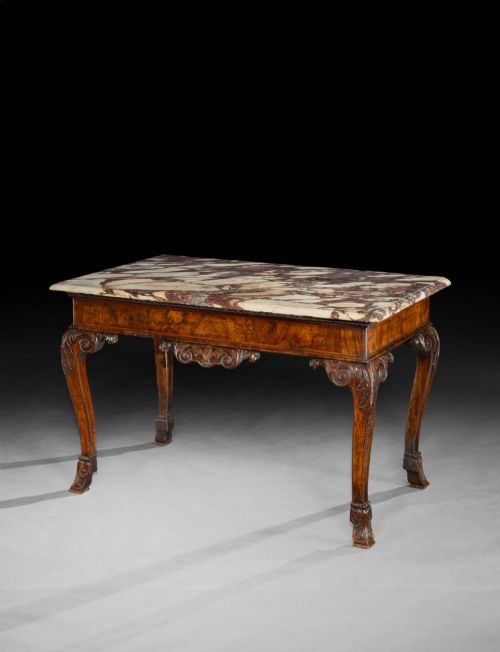
Lowboys and side tables predominate, alongside console tables and dressing room mirrors.
How they were made
Cabinet makers utilised solid walnut, burr walnut, and flame walnut veneers laid over secondary timbers to create patterned surfaces.
Brass handles and fittings complete the construction of drawers and folding mechanisms.
The listings here feature walnut, burr walnut, flame walnut, and ebonised wood across periods from the seventeenth century to the twentieth century.
What varies in quality
The crispness of carved details on legs and aprons distinguishes the finer examples from simpler workshops.
The selection and bookmatching of walnut veneer across table tops and drawer fronts dictate visual balance.
Edward Barnsley·Gillow and Co·Epstein
The English Walnut Console Glossary
- Lowboy
- A small table with drawers, typically raised on four legs, used historically for dressing or writing. It often functions as a side table in modern rooms.
- Burr walnut
- A wood harvested from the abnormal growth of a walnut tree, yielding intricate, swirling grain patterns. Cabinet makers prized it for decorative veneer work.
- Flame walnut
- A veneer figure resembling flickering flames, cut from the fork of the walnut tree where branches meet the trunk. This pattern appears prominently on select table tops.
- Ebonised wood
- Timber stained or painted black to imitate ebony. Makers used it to provide dark contrast against lighter walnut panels.
- Games table
- A folding or pivoting table designed for card playing, often featuring baize-lined surfaces and corner wells for counters.
English Walnut Console: Frequently Asked Questions
Where should I place an English walnut console?
These tables suit hallways, living rooms, and bedrooms as surface space for lamps or correspondence.
Their relatively shallow depth allows them to sit against walls without obstructing pathways.
How do I care for walnut furniture?
Keep the wood away from direct sunlight and heat sources to prevent the veneers from drying out.
Dust regularly with a dry cloth and apply a quality wax polish occasionally to nourish the grain.
What is the difference between a lowboy and a console table?
A lowboy is a low table featuring one or more rows of drawers, originating in the late seventeenth century.
A console table focuses primarily on surface display and architectural support against a wall.
How can I tell an eighteenth-century lowboy from a revival piece?
Examine the timber construction inside the drawers, the hand-cut dovetails, and the wear patterns on the feet.
Twentieth-century revival pieces often display machine-made joints and more uniform timber selection.