

Traditional Walnut Writing Table
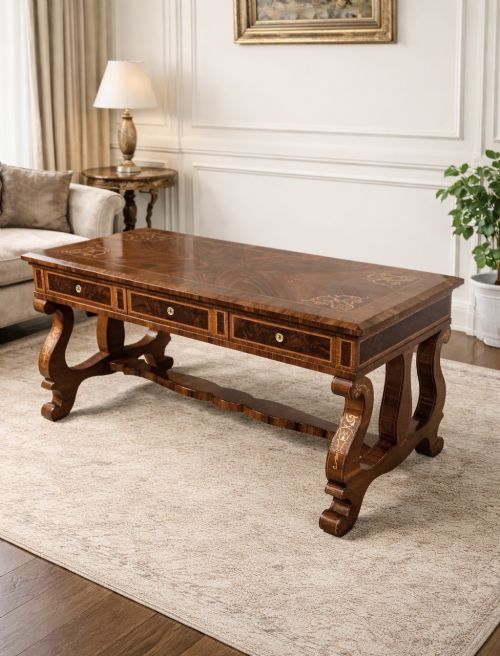
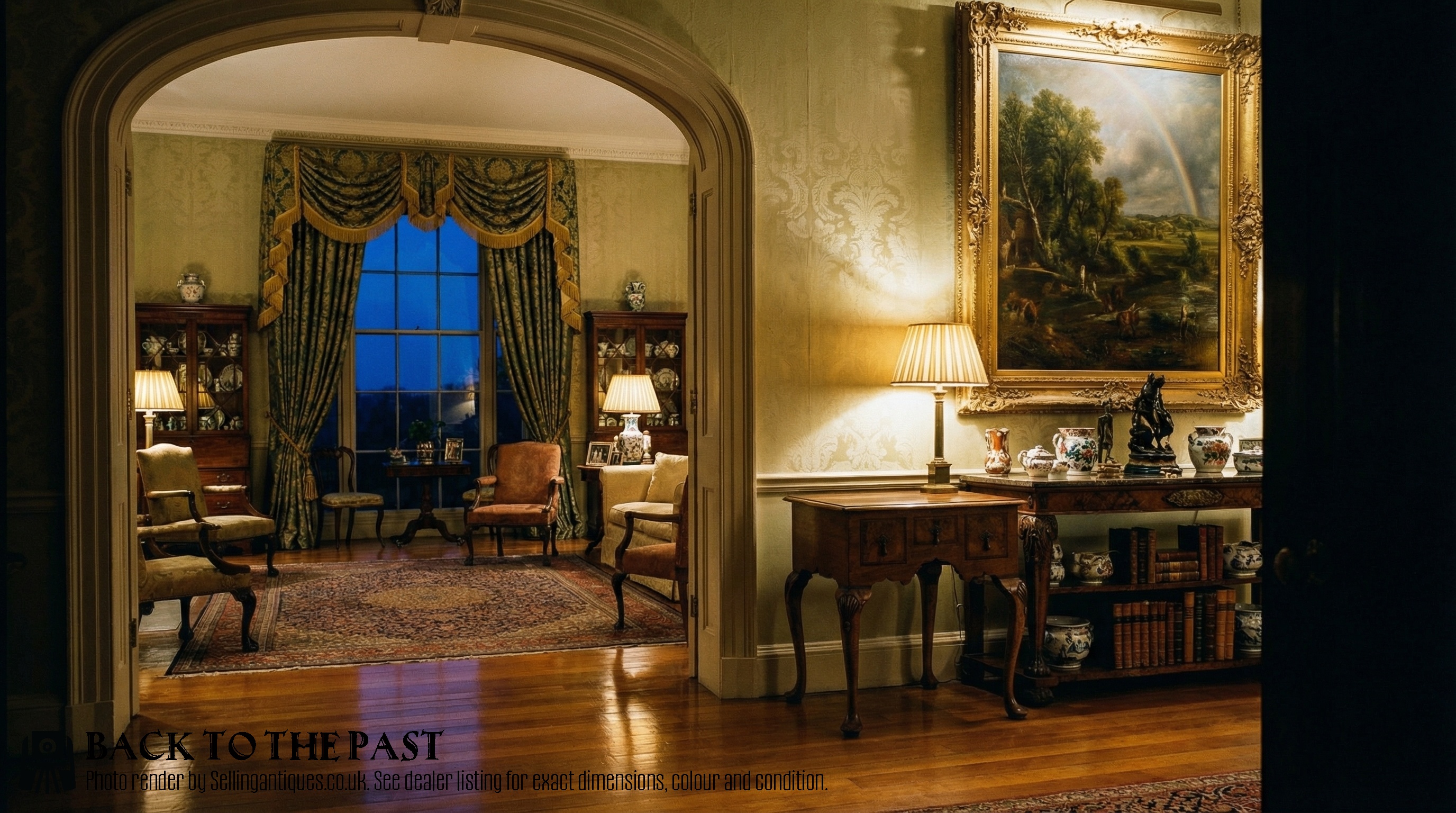
A traditional walnut writing table brings rich timber grain and classic form into a room, offering a functional workspace rooted in past centuries.
Traditional Walnut Writing Table
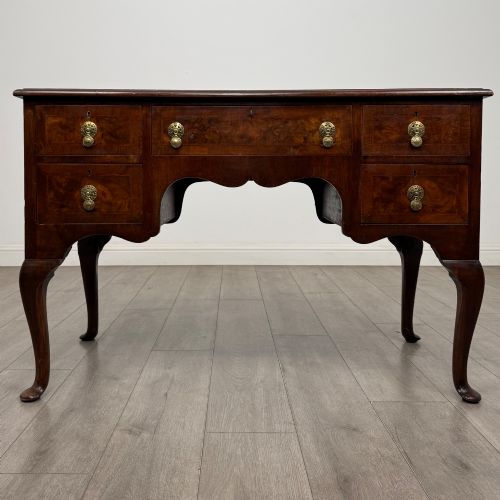
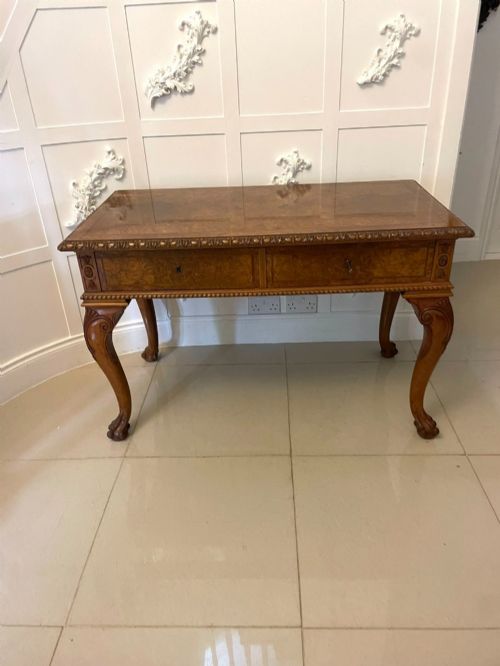
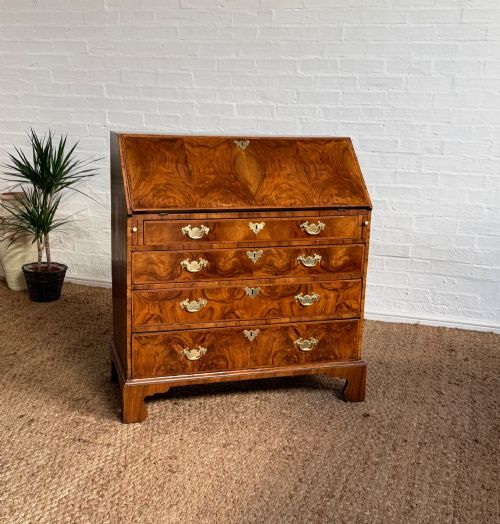
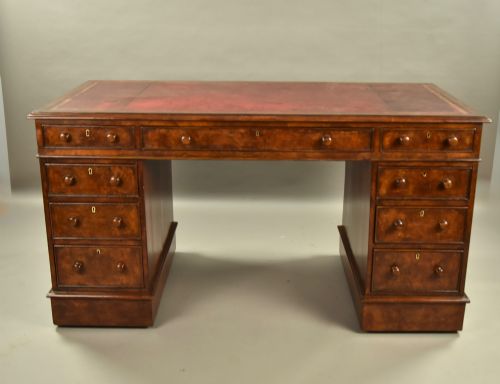
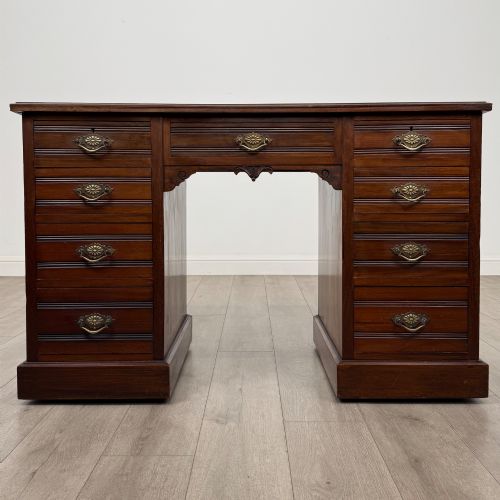
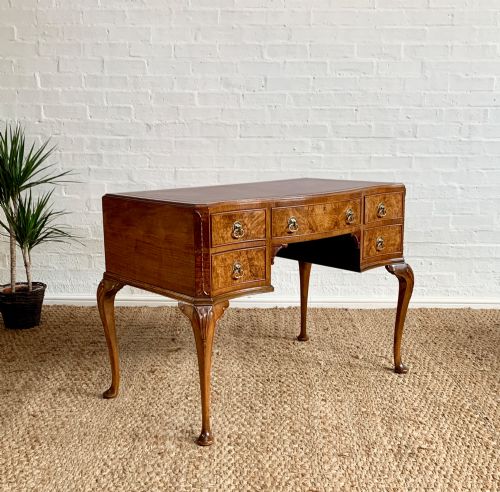
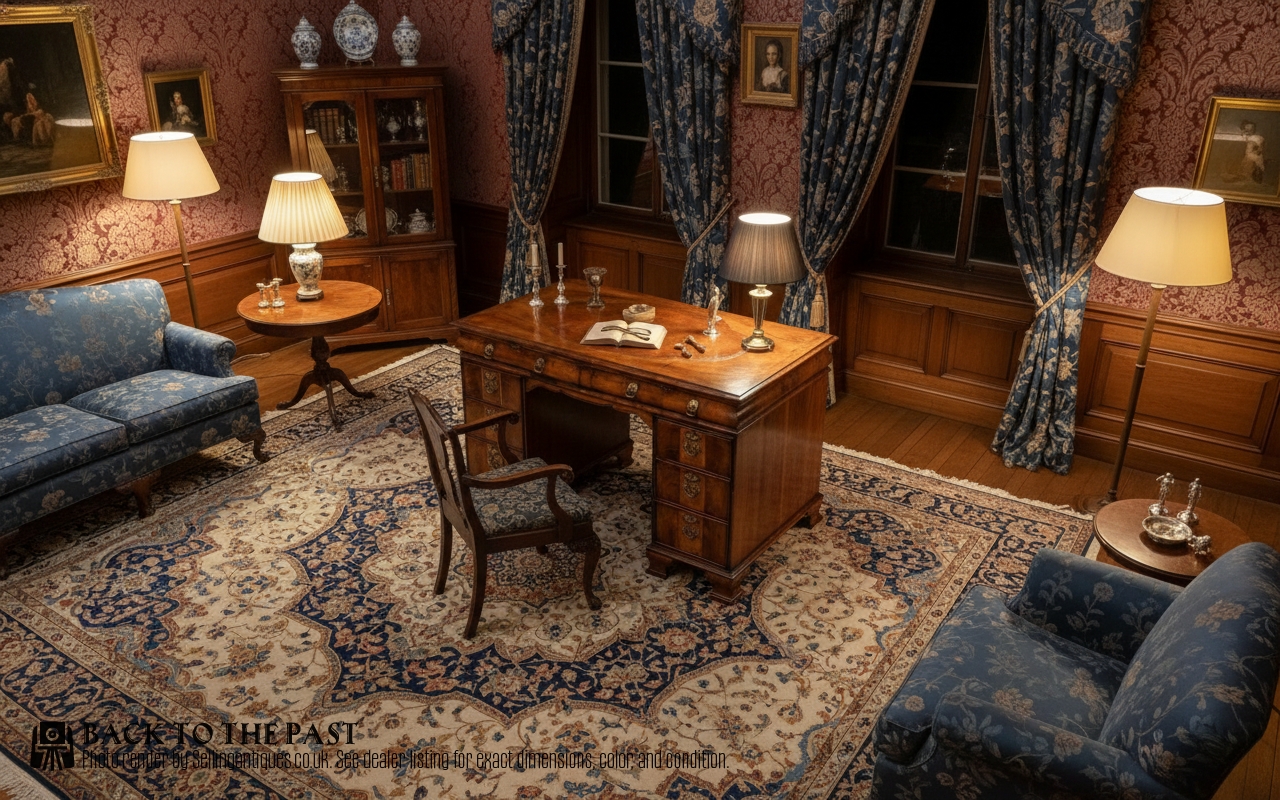
A traditional walnut writing table provides a dedicated surface for correspondence, drawing heavily on styles from the Victorian, Edwardian, and Georgian eras. When searching this phrase, buyers encounter various formats ranging from compact ladies writing desks to substantial twin pedestal desks and partners desks. These pieces showcase timber construction shaped by historical revivals, including Queen Anne style and Chippendale revival motifs.
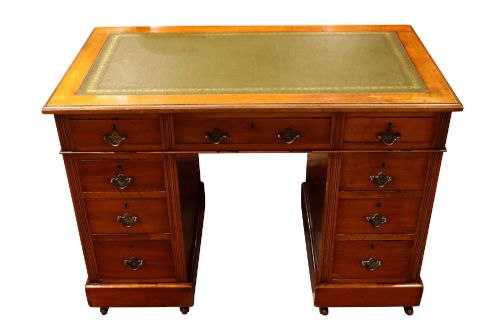
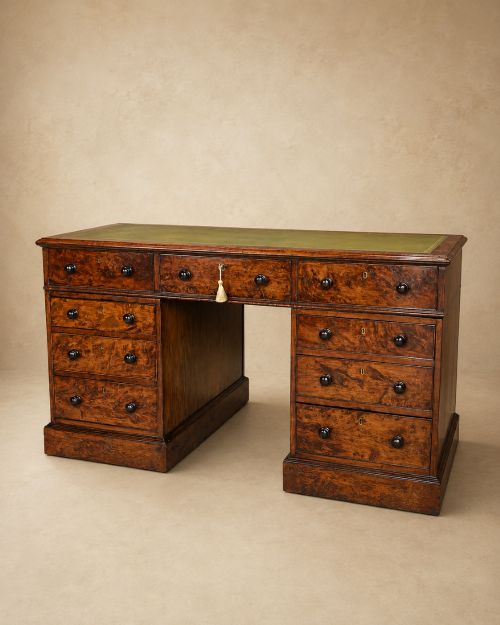
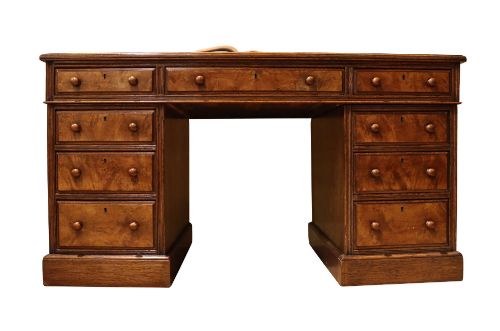
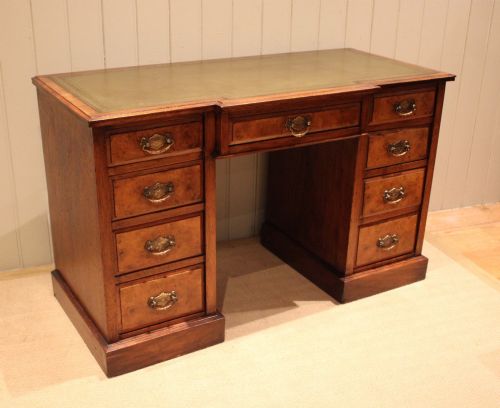
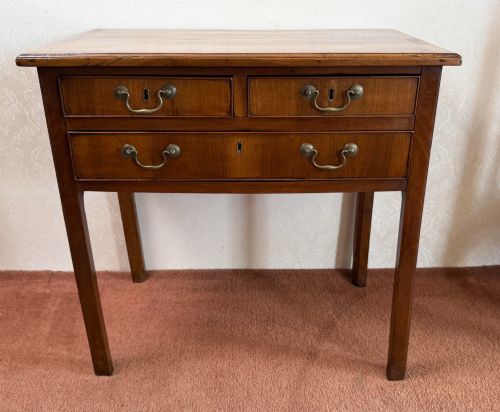
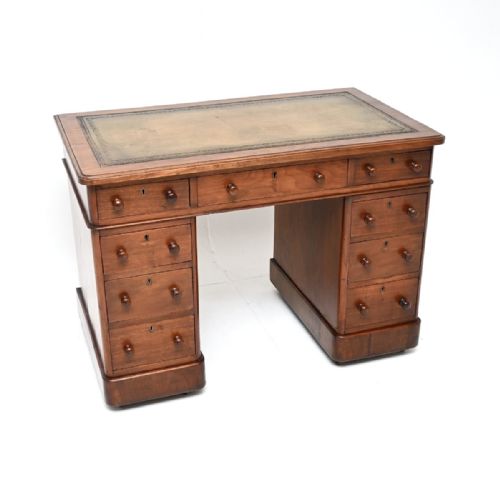
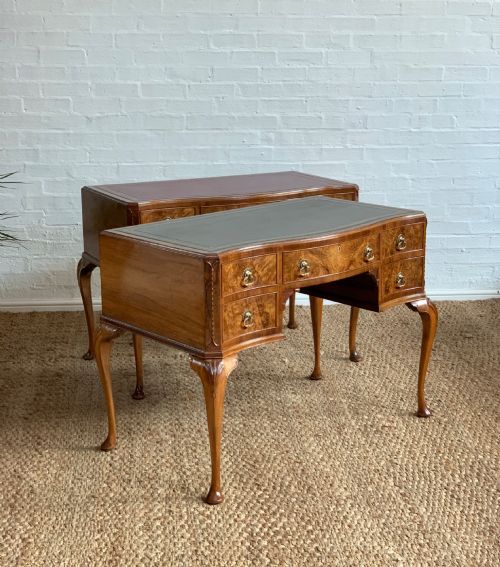
The selection encompasses multi-drawer pedestal desks, kneehole desks, and lowboys alongside simpler console tables and library tables. Many feature inset leather writing surfaces in shades of green or red, bordered by wood or inlay. Origins span from the nineteenth century through the early twentieth century, reflecting enduring preferences for figured and burr walnut timbers.
How they were made
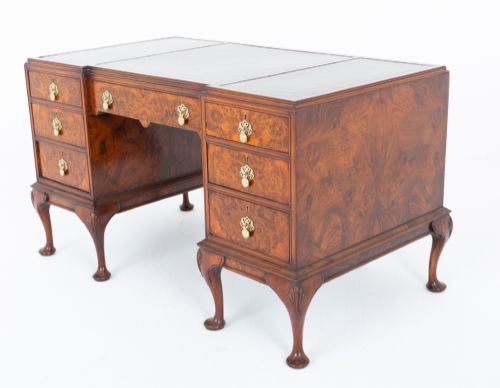
Craftsmen built these tables using solid walnut and applied burr walnut veneers to achieve complex, swirling grain patterns across the top surfaces and drawer fronts. Secondary timbers such as oak occasionally reinforced internal structures, while decorative details relied on marquetry and inlaid banding.
Writing surfaces incorporated panels of tooled leather, secured around the perimeter with brass tacks or blind tooling. Structural hardware included brass drawer pulls and handles, matching the period aesthetic of each desk.
Styles represented include Victorian, Edwardian, Georgian revival, and Queen Anne style desks, alongside lowboys and partners tables.
What varies in quality
The selection of timber grain drives distinction across the range, particularly the density and symmetry of burr walnut veneer used on primary surfaces. Finer examples display carefully matched grain patterns that flow evenly across drawer banks and table tops.
Execution of period revival details, such as carved cabriole legs on Queen Anne style pieces or precise inlay work, separates standard production from superior craftsmanship. The integration of high-grade tooled leather and substantial brass hardware also marks out finer execution.
Wylie & Lochhead Glasgow
The Traditional Walnut Writing Table Glossary
- Burr walnut
- A specialised timber cut from the abnormal growth or burl of a walnut tree, yielding highly decorative and swirling grain patterns. It is widely utilised for veneering prominent desk surfaces.
- Pedestal desk
- A freestanding desk comprising two supporting banks of drawers with a central recess for a chair. These units often feature inset leather writing surfaces.
- Partners desk
- A large double-sided desk designed for two people to work opposite one another, featuring banks of drawers on both sides. These frequently date from the nineteenth century.
- Lowboy
- A small side table or dressing table fitted with one or more rows of drawers beneath the top. Eighteenth and nineteenth-century examples often rest on slender cabriole legs.
- Marquetry
- Decorative veneer work forming pictorial or geometric patterns using various woods. This technique adorns the top and drawer surfaces of select desks.
Traditional Walnut Writing Table: Frequently Asked Questions
What is a partners desk?
A partners desk is a large, double-sided workspace featuring drawers and cupboards on both faces. It was designed so two individuals could sit and work opposite each other.
These pieces typically date from the Victorian or Edwardian periods and command a central position in a study or library.
How do I identify burr walnut?
Burr walnut is recognised by its distinctive, swirling grain formations caused by growth knots in the tree. It creates an organic, mottled pattern across the wood.
Cabinet makers applied this timber as a veneer to the top surfaces and drawer fronts of finer writing tables to create visual depth.
What is a lowboy used for?
A lowboy functions as a compact side table or dressing table featuring a low set of drawers beneath the main surface. Historically placed in bedrooms or parlours, it held small personal items.
Today, these tables serve well as accent furniture in hallways or living areas due to their shallow depth.
Are writing tables suitable for daily computer work?
Traditional writing tables provide ample surface area for modern laptops and paperwork, though historical drawer heights require careful measurement. Checking the kneehole clearance ensures comfortable seating.
Using a blotter or pad protects the antique leather or wood writing surface from daily wear.