


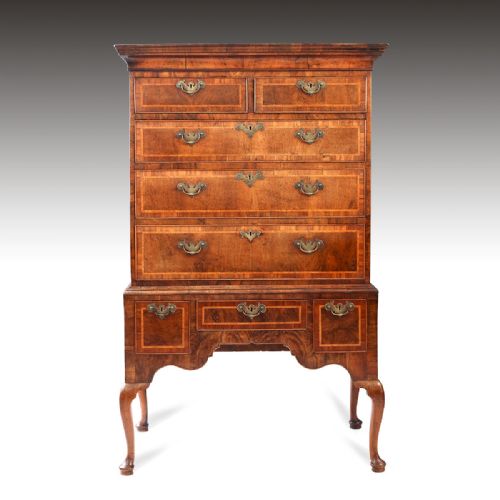
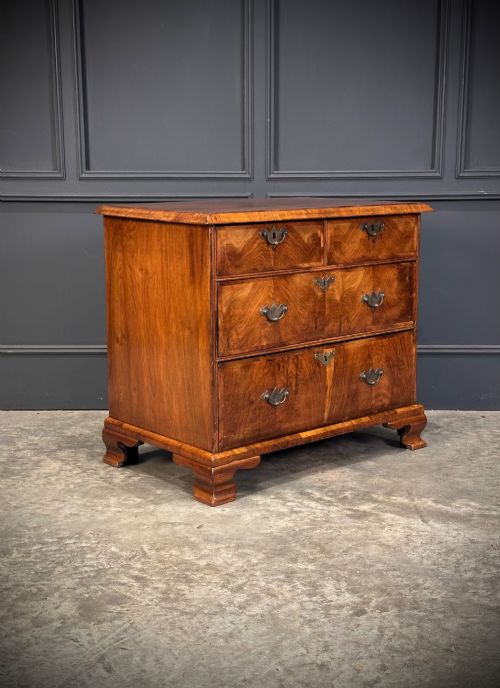
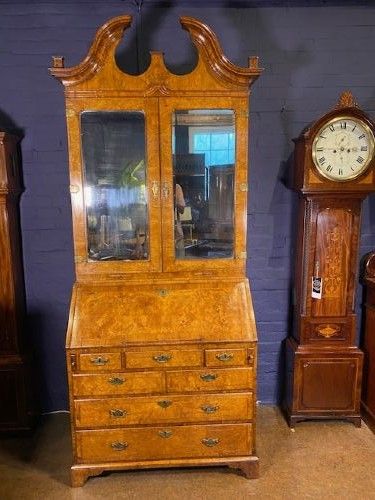
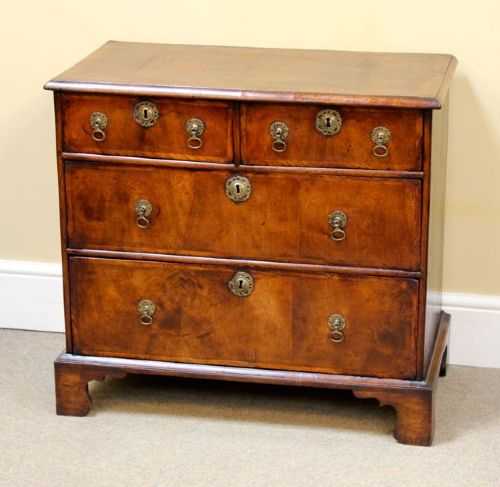
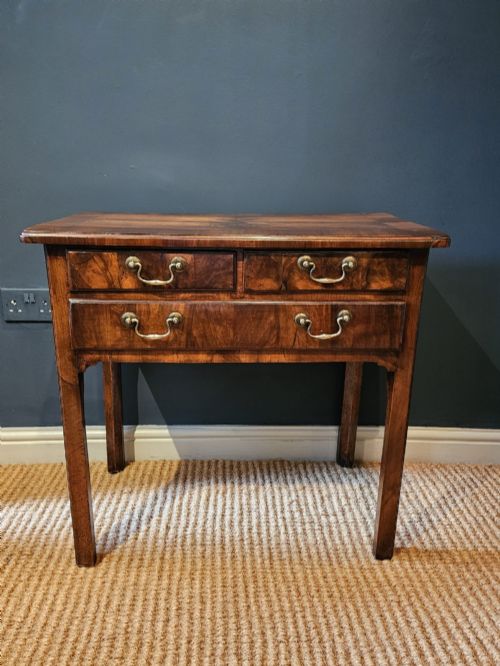
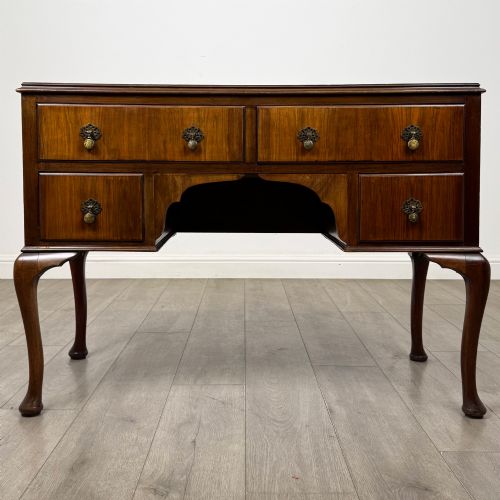
Queen Anne Drawers
When you search for queen anne drawers, you encounter sophisticated 18th century and revival storage pieces built for domestic elegance.
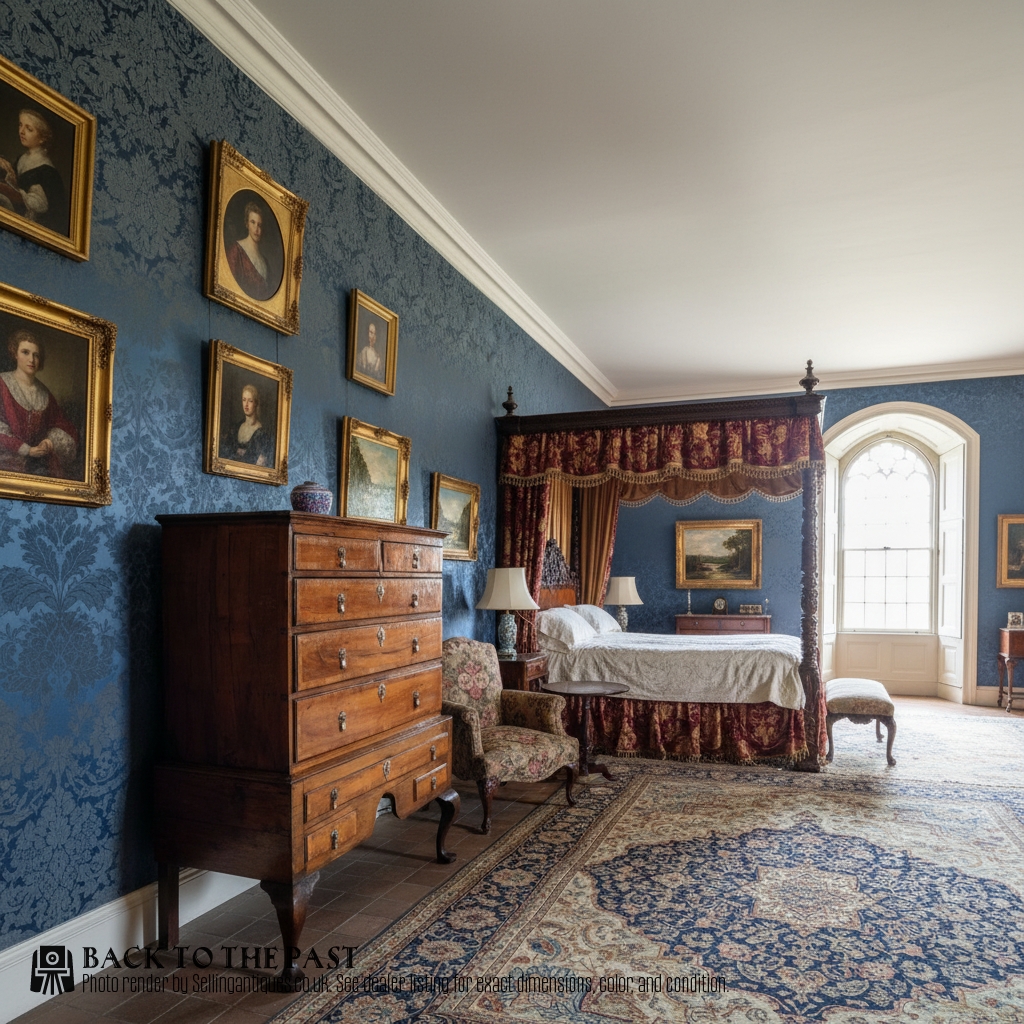
Queen Anne Drawers
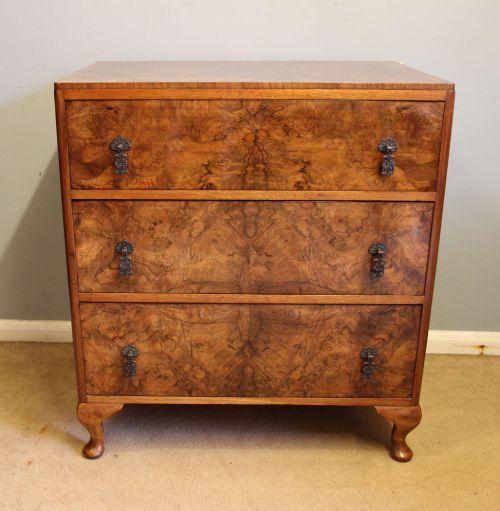
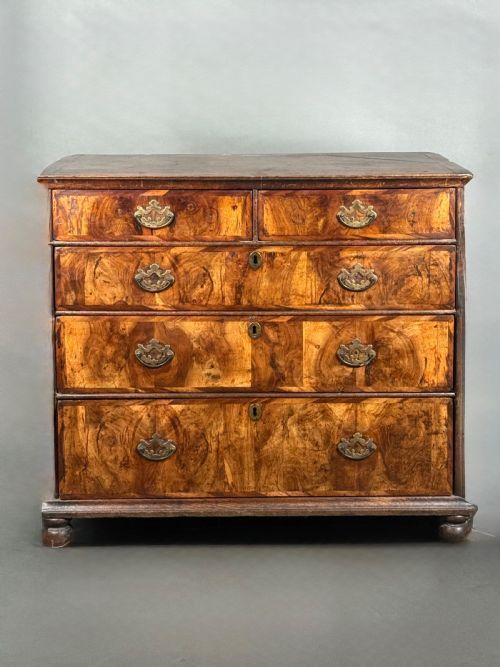
The queen anne drawers selection encompasses items from the 17th century, 18th century, and Georgian period alongside 20th century revivals from the Edwardian era through the 1930s.
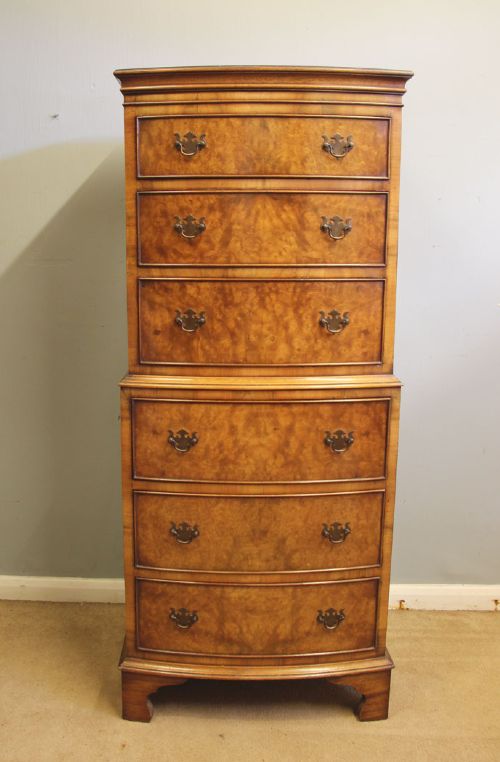
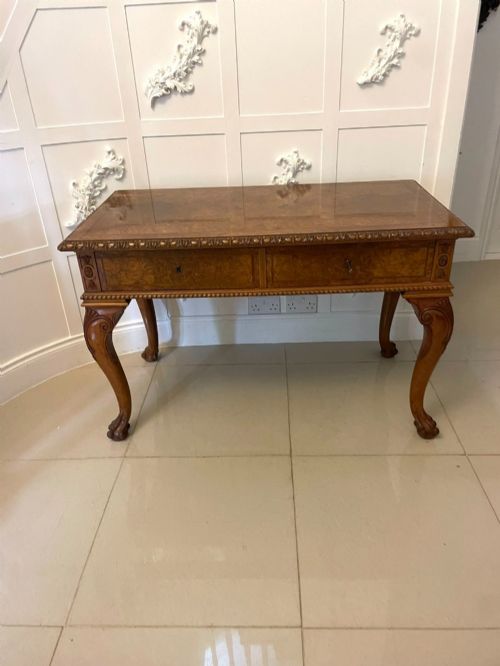
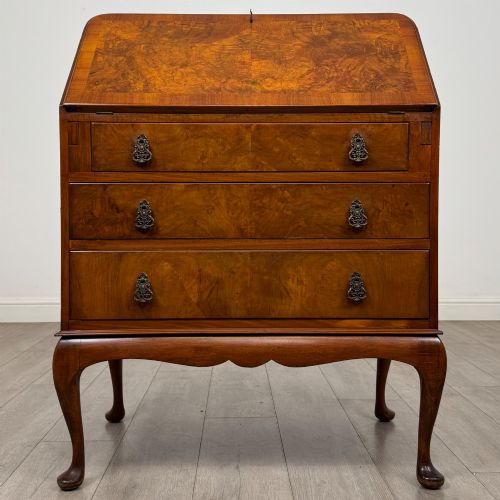
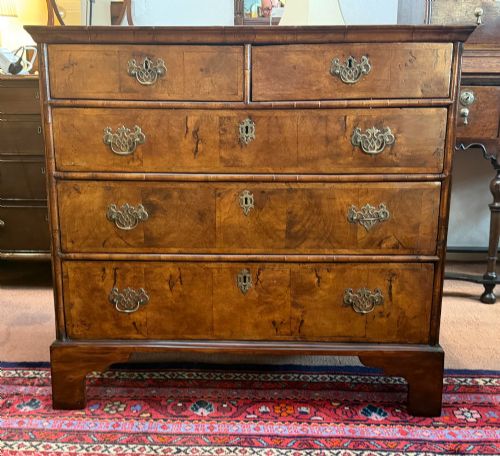
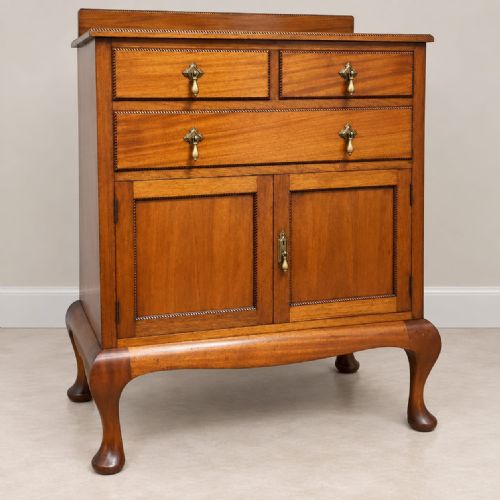
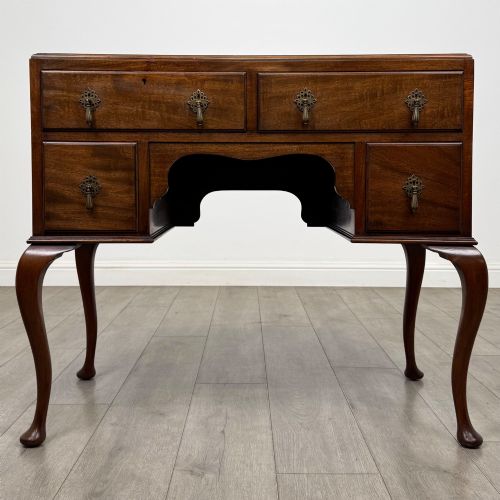
Buyers will find chests of drawers, chest on chest configurations, tallboys, and lowboys alongside writing desks and bedside tables.
Original pieces date back to around 1700, while later revival interpretations utilise the same characteristic proportions and compact domestic scale.
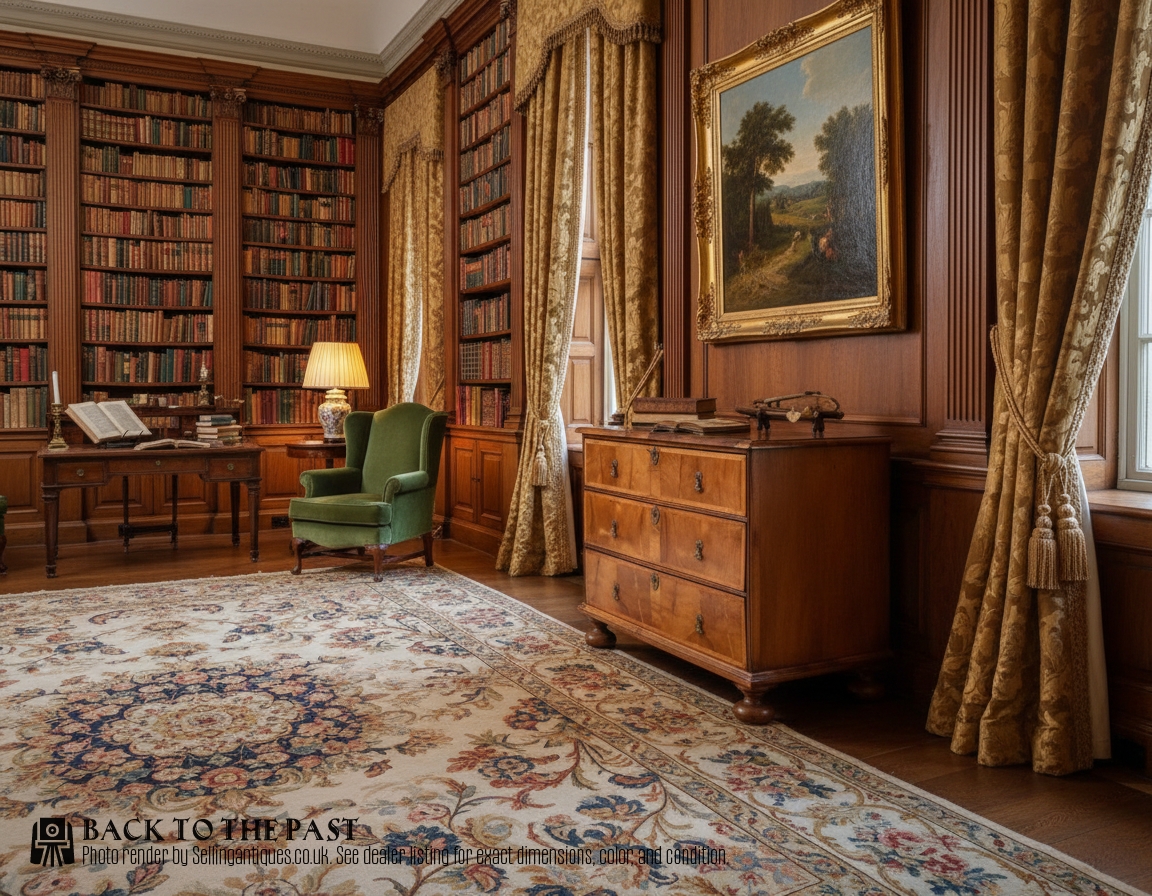
Materials and Construction
Makers utilised native timbers such as oak and elm alongside highly figured walnut veneers, burr walnut, and mahogany.
Surfaces frequently display decorative treatments including herringbone banding and featherbanding, complemented by brass handles and glass elements.
Cabinet makers constructed chests on stands, bureaus, and tallboys using traditional joinery methods suited to veneered and solid timber.
Some elm lace boxes conceal secret drawers for keeping genuine contraband safe from curious family members.
Indicators of Excellence
Superior examples display exceptional choice of burr or figured walnut timber veneers matched carefully across the drawer fronts.
The richness of the natural colour and the retention of original brass hardware elevate individual pieces above standard production.
Proportions remain harmonious across both original 18th century items and later revival desks or bedside chests.
Waring & Gillows
The Queen Anne Drawers Glossary
- Tallboy
- A tall chest of drawers, often constructed as a chest on chest or a linen press.
- Lowboy
- A small dressing table or side table featuring one or more tiers of drawers.
- Herringbone Banding
- Inlaid decorative wood trim arranged in a V-shaped pattern around drawer edges.
- Burr Walnut
- Timber featuring intricate swirling grain patterns harvested from tree growths, used extensively for decorative veneers.
- Chest on Stand
- A drawer section elevated on a separate frame with legs, typical of early designs.
Queen Anne Drawers: Frequently Asked Questions
How do I date a walnut chest?
Examine the secondary timbers inside the drawers and the construction methods used on the backboards and drawer sides. Original pieces from the early 18th century show distinct hand-tool marks and traditional joinery.
Revival pieces from the 1920s or 1930s utilise machine-sawn timber and modern adhesives while mimicking earlier styles like Queen Anne or George I.
What is a bachelor chest?
A bachelor chest is a small, compact chest of drawers featuring a fold-over top designed for writing or daily correspondence.
These pieces combine storage with a small writing surface, making them versatile for bedroom or study use.
How should I care for burr walnut veneer?
Keep walnut furniture away from direct sunlight and heat sources to prevent the delicate veneers from drying out or splitting.
Apply a traditional wax polish sparingly and buff with a soft cloth to maintain the natural lustre of the timber.
Are revival pieces as good as 18th century ones?
Twentieth-century revival pieces from makers such as Waring & Gillow offer solid construction and decorative burr walnut veneers.
While they lack the age of original 18th century furniture, they provide functional storage and classic styling.