

Qing Dynasty Porcelain Dishes
Qing dynasty porcelain dishes are hand-painted ceramics from imperial and export kilns, prized for their cobalt and enamel palettes.
Qing Dynasty Porcelain Dishes
Qing dynasty porcelain dishes encompass chargers, platters, bowls, and plates produced across the eighteenth and nineteenth centuries. These items serve decorative and utilitarian functions, originating from imperial kilns and major production centres like Canton.
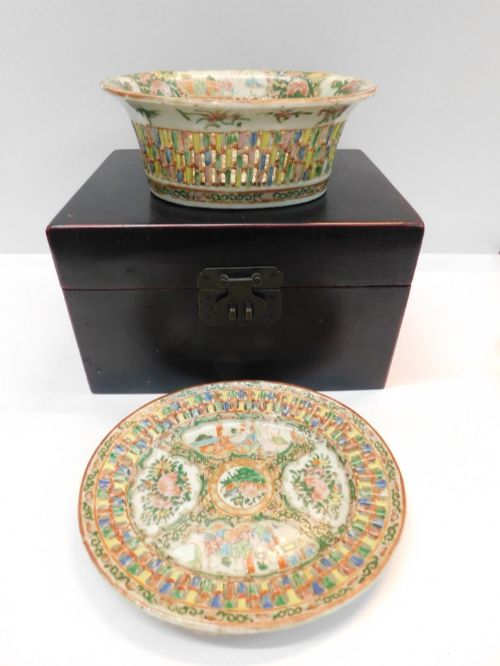
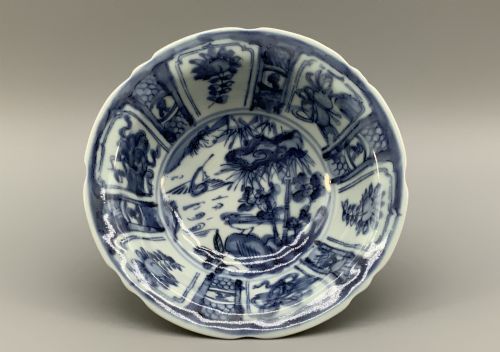
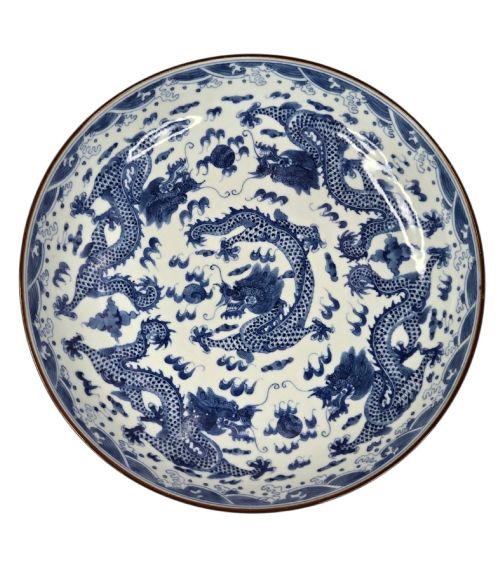
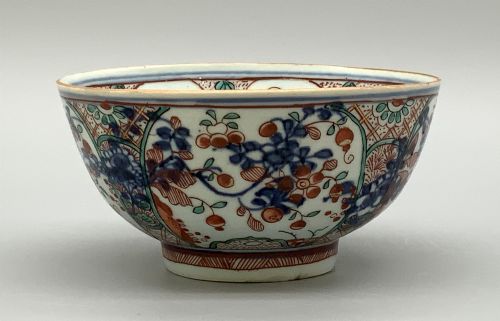
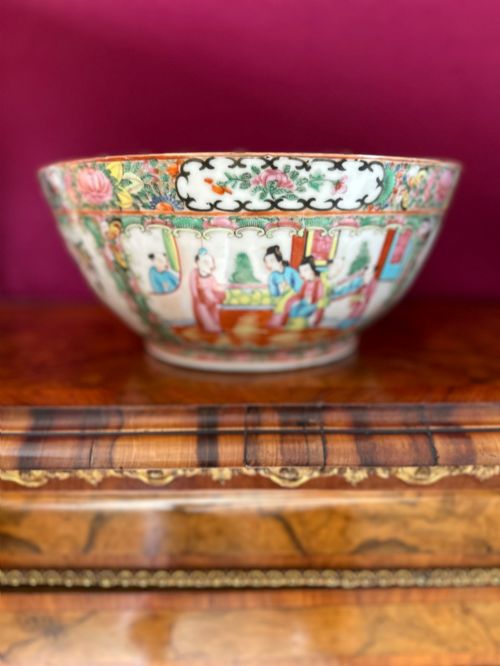
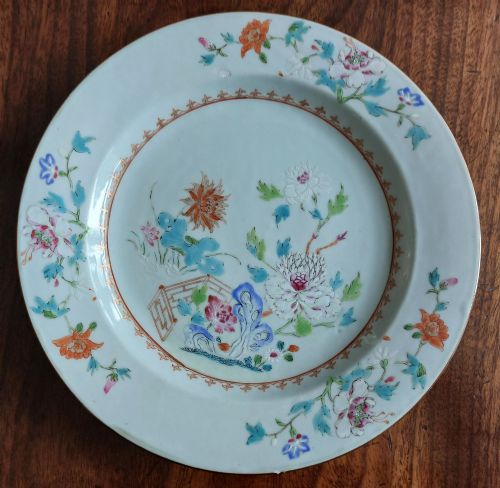
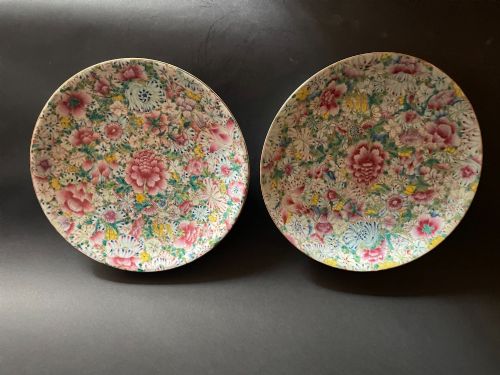
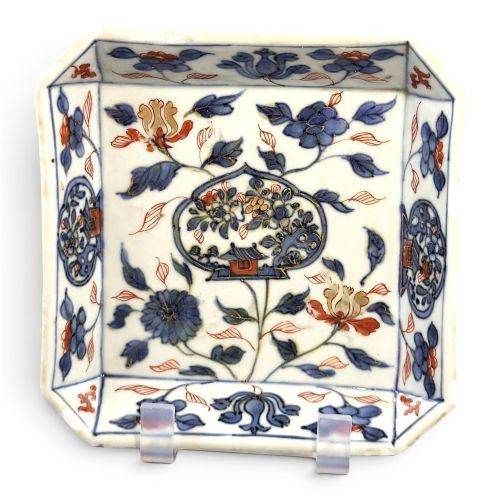
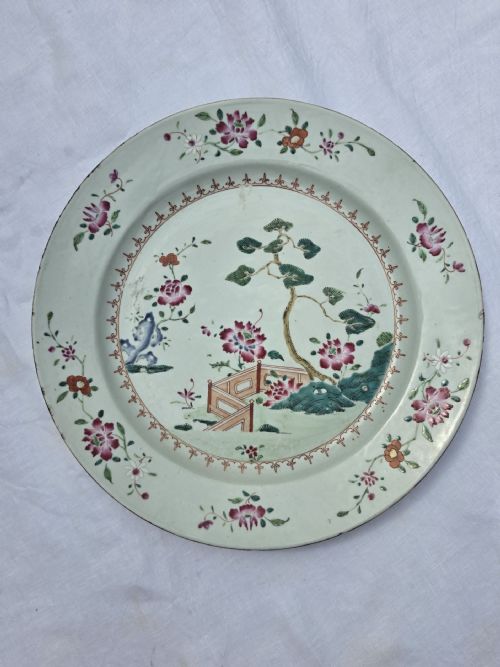
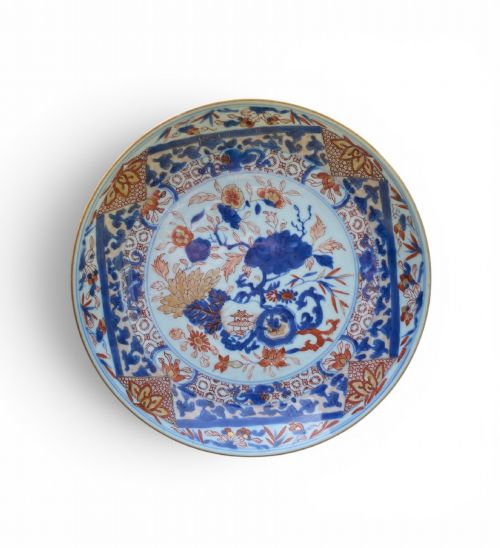
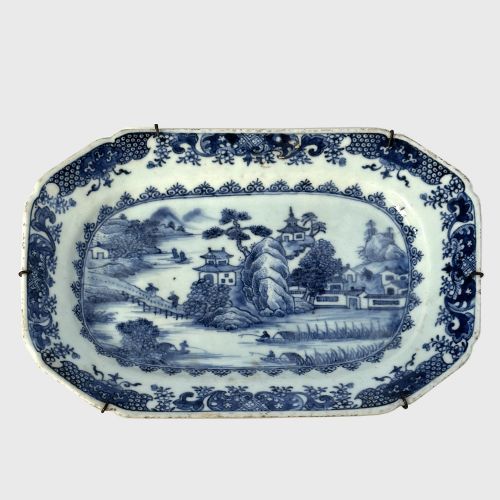
Buyers frequently encounter blue and white porcelain alongside vibrant polychrome styles such as Famille Rose and Imari. Forms range from lobed bowls and square dishes to large chargers and reticulated chestnut baskets.
The objects span periods from the Kangxi reign through to the late nineteenth century and the Guangxu mark and period. Chinese export wares for Western markets also appear alongside pieces made for domestic imperial use.
Materials and Construction
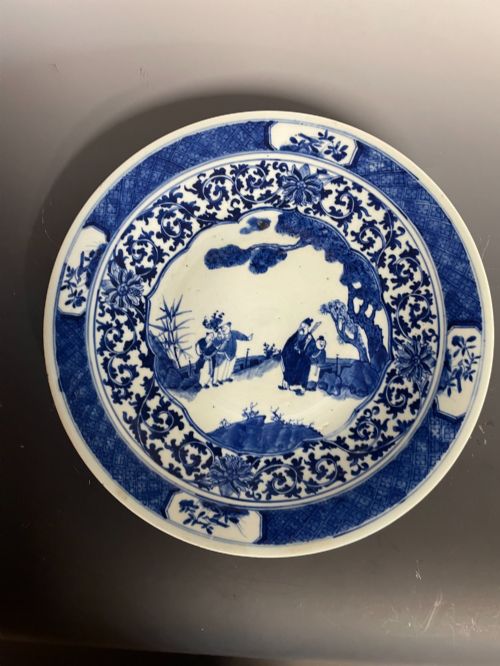
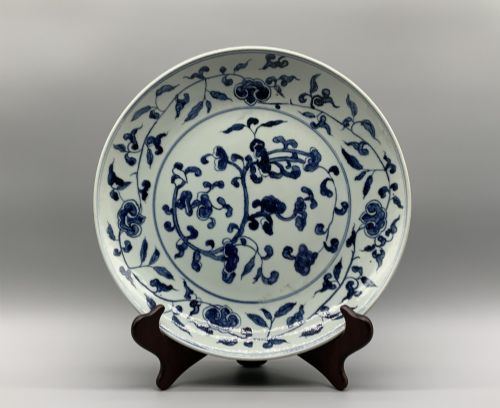
Potters shaped hard-paste porcelain and ceramic bodies before applying cobalt underglaze, enamel pigments, and gold leaf. Cobalt blue decoration was painted directly onto the raw clay body underneath a clear glaze before high-firing.
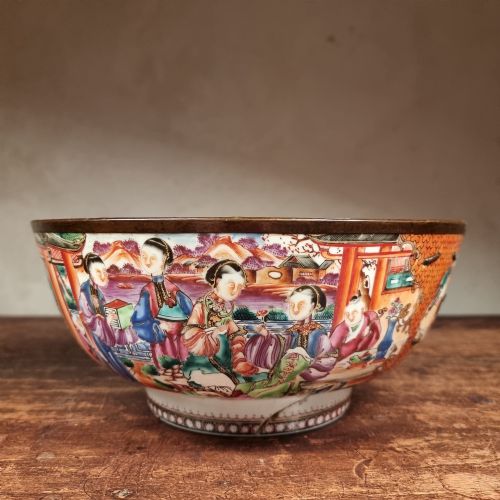
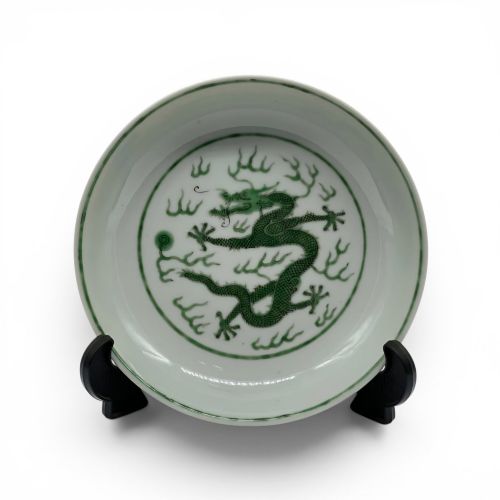
Polychrome palettes like Famille Rose and Famille Verte required enamel colours to be painted over the fired glaze and fixed in a second, lower-temperature kiln. Gilt details and iron-red pigments were similarly applied overglaze for contrasting metallic and matte finishes.
Listings feature porcelain, enamel, gold leaf, and cobalt glaze across periods from the eighteenth century to nineteen-hundred.
Assessing Quality and Execution
Quality rests in the precision of the brushwork and the clarity of the cobalt or enamel pigments. Master painters achieved fine shading and crisp outlines on dragon, court life, and floral motifs, while lesser pieces show hurried execution.
The purity of the porcelain body and the evenness of the glaze also separate ordinary export items from imperial-standard commissions. Marks and periods, such as Kangxi or Guangxu, indicate the authority and standard of the workshop.
The Qing Dynasty Porcelain Dishes Glossary
- Famille Rose
- A palette of opaque pink and rose enamel colours introduced during the Qing dynasty. The style permitted subtle tonal gradations for floral and figurative scenes.
- Cobalt Underglaze
- Pigment applied to the ceramic body before glazing and firing. This technique protects the blue decoration beneath a durable glossy surface.
- Charger
- A large decorative plate or platter used for serving food or display. These substantial pieces provide a wide surface for complex narrative and botanical designs.
- Imari
- A style combining underglaze blue with iron-red and gold overglaze decoration. The aesthetic originated in Japan but was widely adopted by Chinese kilns for export.
- Hard-paste porcelain
- A vitrified ceramic composed of petuntse and kaolin fired at high temperatures. It yields a ringing, non-porous body that resists scratching.
Qing Dynasty Porcelain Dishes: Frequently Asked Questions
How do I date a Qing dish?
Dating relies on stylistic shifts in palette, form, and underglaze characteristics across different reigns. Early pieces from the Kangxi period often feature deep cobalt blues, whilst later nineteenth-century Canton items display dense rose and green enamels.
Kiln marks, when present, provide a specific reign period or dynasty reference. Comparing the potting weight and glaze texture with documented examples helps confirm the era of production.
Were these dishes used for dining?
Many large chargers and platters served functional roles in European and domestic households for serving food. Smaller bowls and plates accommodated dry goods, sweetmeats, or daily meals.
Export wares were frequently shipped abroad for dining tables, while imperial dragon dishes held ceremonial significance. Over time, finer examples transitioned primarily into decorative display pieces.
What is the difference between export and imperial wares?
Export wares were manufactured specifically for Western markets, often adapting European shapes or combining Chinese motifs with Western heraldry. Imperial wares were commissioned strictly for the court and official use.
Imperial pieces typically display superior porcelain bodies, tighter control over enamel application, and specific reign marks. Export pieces varied widely in quality depending on the intended overseas merchant buyer.
How should I display antique porcelain?
Displaying porcelain safely involves using stable wall brackets or secure plate stands designed to support the weight of hard-paste bodies. Keeping pieces away from direct sunlight preserves the vibrancy of overglaze enamels.
Placing items away from heavy foot traffic prevents accidental knocks to chargers and bowls. Routine dusting with a soft, dry cloth maintains the surface without abrasive wear.