

Qing Dynasty Chinese Vase
A qing dynasty chinese vase brings imperial craftsmanship into modern interiors through enduring ceramic and bronze forms.
Qing Dynasty Chinese Vase
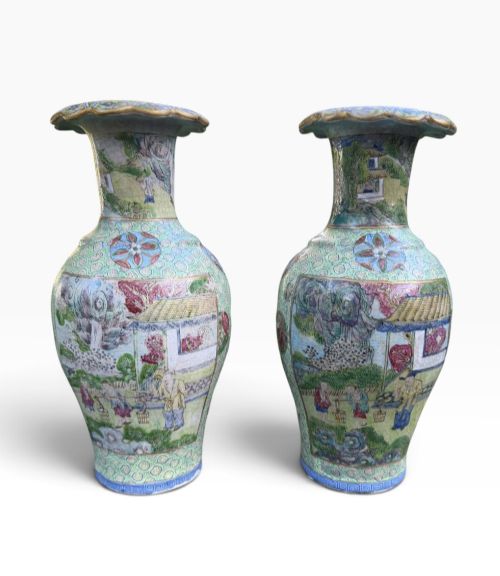
A qing dynasty chinese vase encompasses ceremonial and decorative vessels produced across the imperial eras, with nineteenth-century examples forming the majority of the current selection.
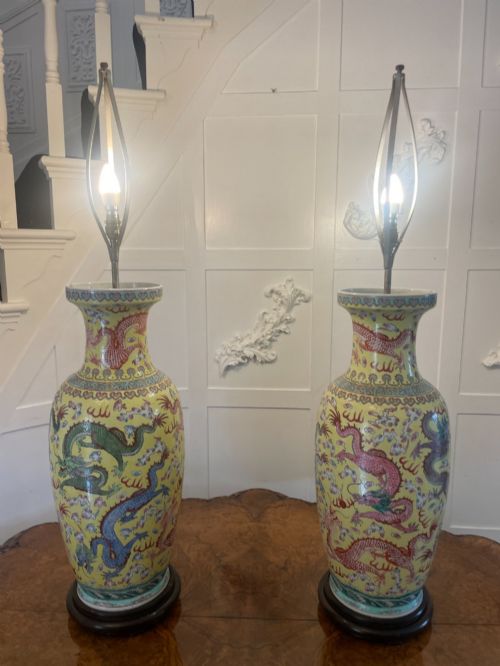
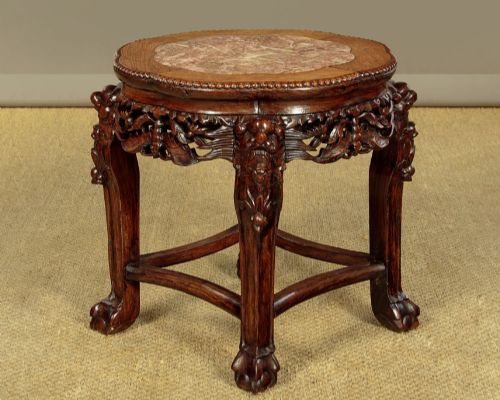
Forms range from ginger jars and double-gourd vessels to monumental baluster shapes, often accompanied by matching hardwood stands or adapted as table lamps.
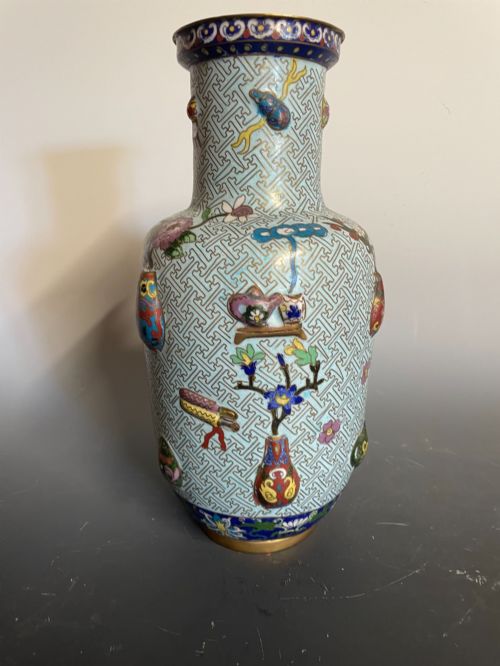
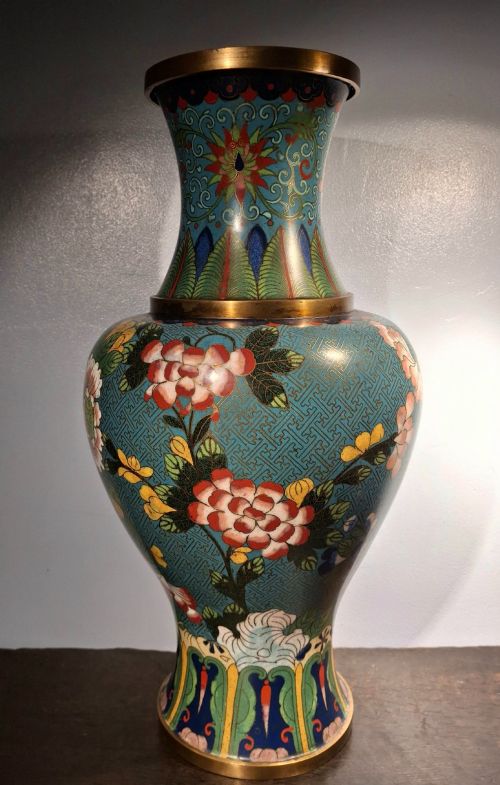
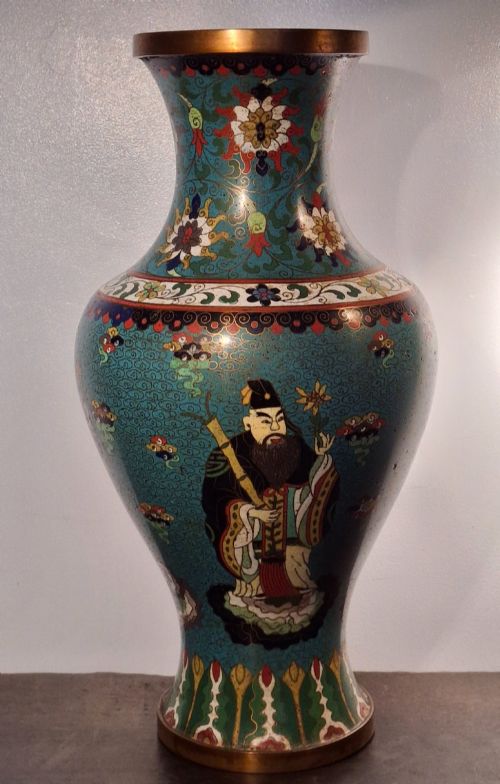
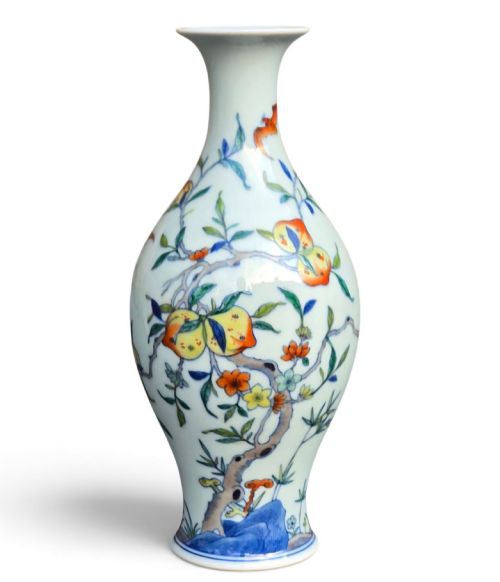
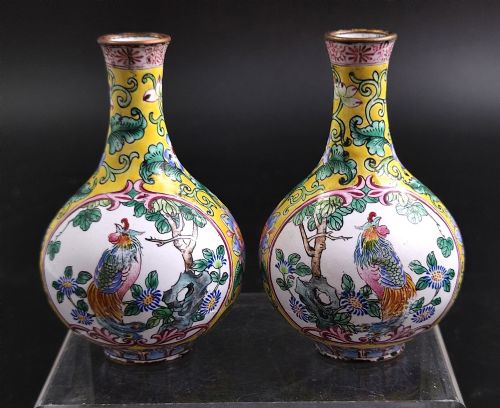
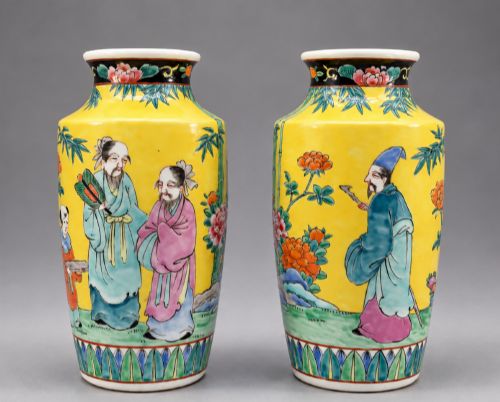
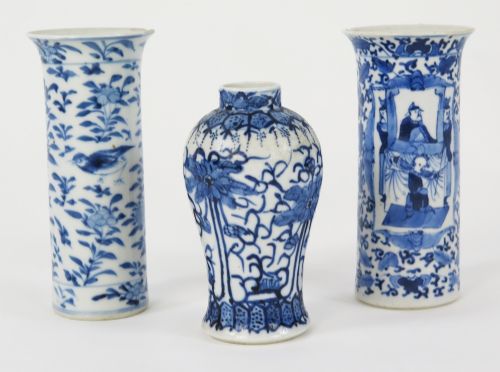
The materials span traditional porcelain decorated in cobalt blue and famille rose enamels, alongside solid bronze, cloisonné, and carved soapstone.
How they were made
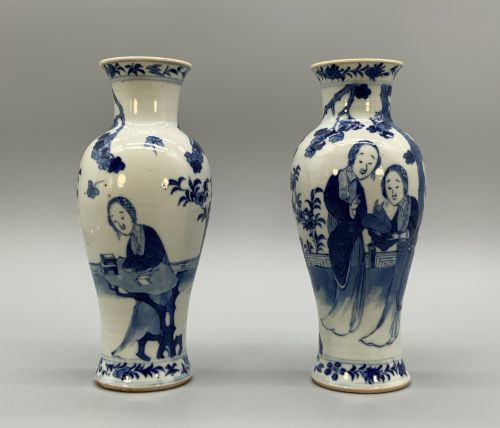
Potters utilised high-fired porcelain bodies coated in transparent, crackle, or monochrome glazes, applying cobalt blue pigments beneath the glaze or painting over it with opaque enamels.
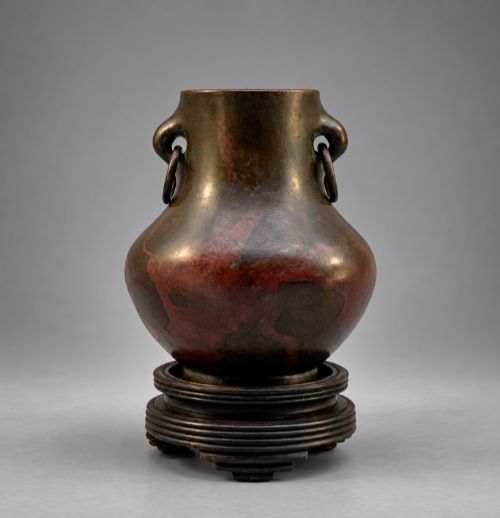
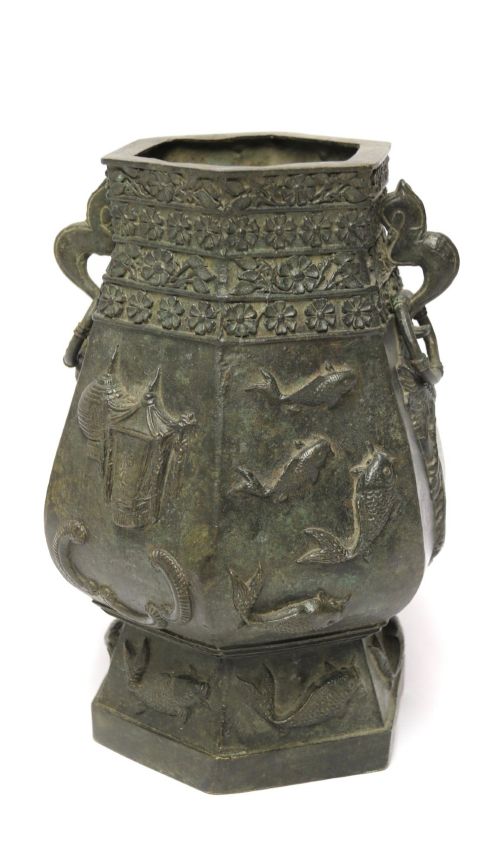
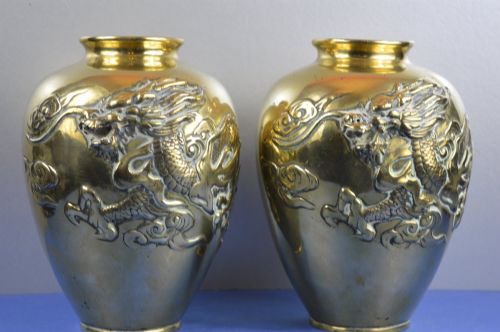
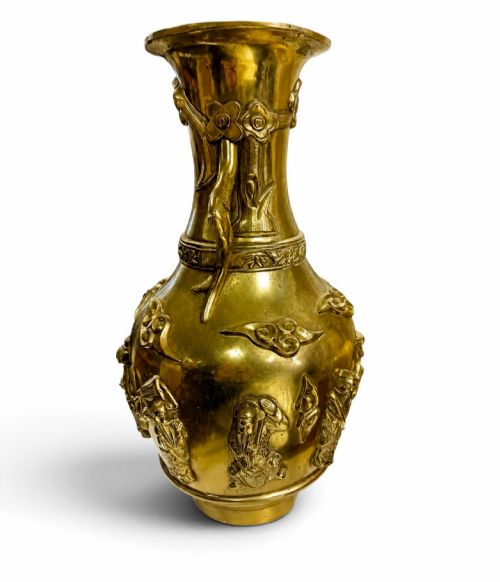
Metalworkers shaped vessels in bronze and copper-alloy through casting and hammering, often enriching the surfaces with cloisonné wirework, champleve, or high-relief figural motifs.
Carvers shaped organic materials like soapstone and hardwood into intricate brush pots, vessels, and fitted display stands.
Listings feature eighteenth and nineteenth-century ceramic and bronze forms, including monochrome glazes, famille rose enamels, and carved hardwood stands.
What varies in quality
The refinement of the painted details and the clarity of the underglaze cobalt or polychrome enamels distinguish standard production from exceptional imperial-grade work.
The weight and precision of the bronze casting or the symmetry of the porcelain body dictate the overall structural integrity of the vessel.
The presence of intact original elements, such as matched covers, carved hardwood stands, or period reign marks, elevates the standing of an individual piece.
Jingdezhen·Qianlong·Guangxu·Daoguang·Kangxi
The Qing Dynasty Chinese Vase Glossary
- Famille rose
- A palette of opaque enamels dominated by pink or rose colours, introduced during the Qing dynasty for intricate floral and figural designs.
- Cloisonne
- A technique where metal wires are soldered onto a metal base to create cells, which are then filled with enamel paste and fired.
- Double-gourd
- A vessel shape featuring two rounded sections stacked vertically, symbolising fortune and auspiciousness in Chinese tradition.
- Sang de boeuf
- A rich, copper-red ox-blood glaze that pools and varies in tone across the ceramic body during high-temperature firing.
- Rouleau
- A straight-sided cylindrical vase form with a short neck and flat rim, popular for landscape and narrative painting.
- Celadon
- A transparent jade-green glaze applied over a porcelain or stoneware body, valued for its subtle crackle and tactile depth.
Qing Dynasty Chinese Vase: Frequently Asked Questions
How do I identify a Qing Dynasty vase?
Examination of the paste, glaze characteristics, and potting technique provides primary clues to the period. Reign marks offer additional context, though these require careful comparison with authenticated examples.
Stylistic conventions in the painted enamel or blue and white motifs further help distinguish Qing production from later copies.
What is a ginger jar used for?
Originally manufactured to store spices and dried goods, these lidded vessels transitioned into purely decorative interior items during the nineteenth century.
Collectors often display them alongside baluster vases and garniture sets on dedicated hardwood stands.
How should I clean porcelain safely?
Gentle dusting with a soft, dry brush prevents the accumulation of particulates on textured surfaces like high-relief enamel or crackle glaze.
Harsh chemical solvents and immersion in water should be avoided, particularly on pieces with metal mounts or porous stone elements.