





Antique Canton Porcelain Jar
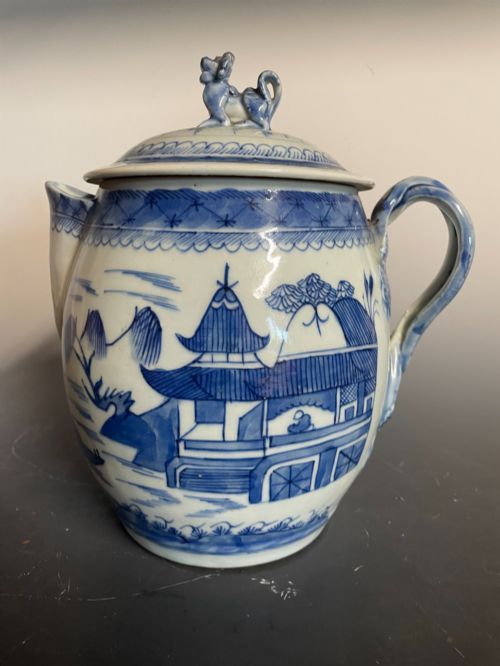
These antique canton porcelain jar examples bring rich Qing Dynasty palette work and Chinese Export form directly to a room.
Antique Canton Porcelain Jar
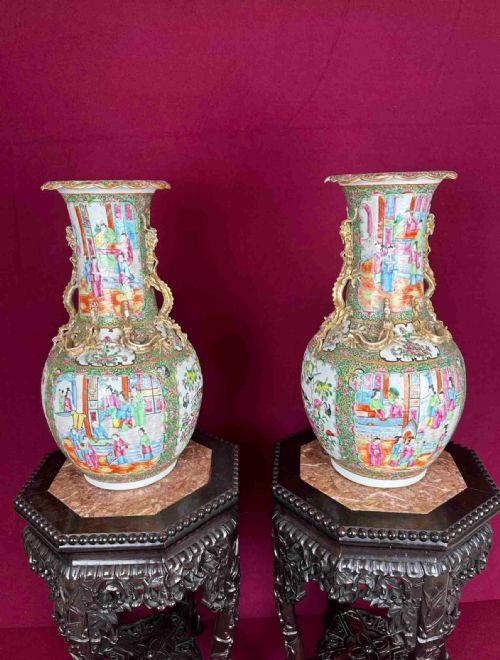
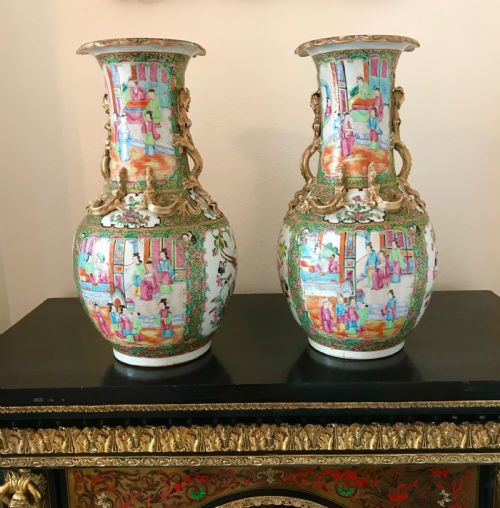
An antique canton porcelain jar search reveals nineteenth century Chinese Export ceramics made for Western markets during the Qing Dynasty. The listings on this page include monumental floor vases, baluster vases with covers, and rose medallion pairs.
Buyers meet large scale decorative vessels often decorated in families of overglaze enamel. These range from eighteen eighty production dates to broader Victorian periods.
Forms span lidded ginger jar styles, jug shapes, and massive floor standing pairs. Many examples record historical provenance such as the Littlecote House Wills monument.
How they were made
Potters shaped hard paste porcelain bodies before applying complex overglaze enamel decoration in vibrant colour palettes. Artisans combined intricate brushwork with gold leaf, gold gilt, and traditional gilding highlights.
Craftsmen produced matching pairs of baluster and medallion vessels designed for export. Workshops utilised detailed surface painting depicting figures and floral motifs characteristic of Cantonese export art.
Some towering nineteenth century pairs reach thirty six inches tall, proving that nineteenth century interior decorators did not understand the concept of subtlety.
What varies in quality
Quality rests in the precision and density of the overglaze enamel painting across the porcelain surface. Finer examples display crisp detail in the figures and richer application of gold gilt and gold leaf.
Scale and presence separate impressive decorative vases from standard vessels. Monumental heights near ninety centimetres and matching pairs command greater attention than single standard jugs.
The Antique Canton Porcelain Jar Glossary
- Canton
- A major Chinese port city from where porcelain was exported to Western markets. Pieces from this region show distinctive enamel painting styles.
- Famille Rose
- A palette of opaque overglaze enamels dominated by pink or rose colours introduced during the Qing Dynasty. This colourful style defines much nineteenth century export work.
- Rose Medallion
- A specific decorative pattern featuring panels of figures alternating with birds, flowers, and butterflies. These circular and geometric medallions cover the entire porcelain body.
- Qing Dynasty
- The final imperial dynasty of China spanning from sixteen forty four to nineteen twelve. Pieces on this page date from the nineteenth century of this era.
- Baluster
- A vase shape with a rounded body that tapers toward the base and swells outward near the middle. Many large lidded jars utilise this classic silhouette.
Antique Canton Porcelain Jar: Frequently Asked Questions
What periods do these pieces date from?
The pieces span the nineteenth century, including specific dates around eighteen eighty and the broader Victorian period. These dates reflect the height of Chinese Export production for Western buyers.
Collectors find that nineteenth century examples showcase the classic Qing Dynasty aesthetic valued in these decorative vessels.
How were these jars used historically?
These large porcelain vessels served as grand decorative floor vases and display pieces in stately homes. Many included covers to function as monumental storage jars or focal points in formal rooms.
Later adaptations converted some large pairs into lamps while retaining their original hand painted export appearance.
What is rose medallion decoration?
Rose medallion is a distinct pattern featuring partitioned panels filled with painted figures and natural motifs. The design uses rich overglaze enamel colours and gold gilt highlights.
This intricate compartmentalised style covers the surface of baluster vases and lidded jars from the Cantonese export workshops.
How do I identify a canton porcelain jar?
Look for nineteenth century Chinese export porcelain featuring bright overglaze enamels and extensive gilding. The motifs typically include figural scenes, birds, and floral arrangements.
Forms range from massive baluster vases with covers to large pairs of decorative vessels made during the Qing Dynasty.