










Qing Dynasty Accent Tables
Qing dynasty accent tables bring practical surface space and traditional craftsmanship together, offering low profiles and rich timber tones that suit modern interiors.
Qing Dynasty Accent Tables
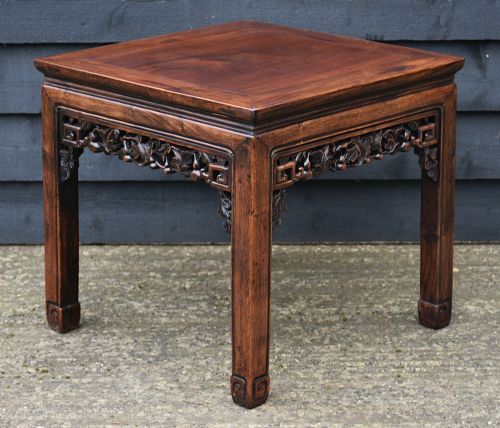
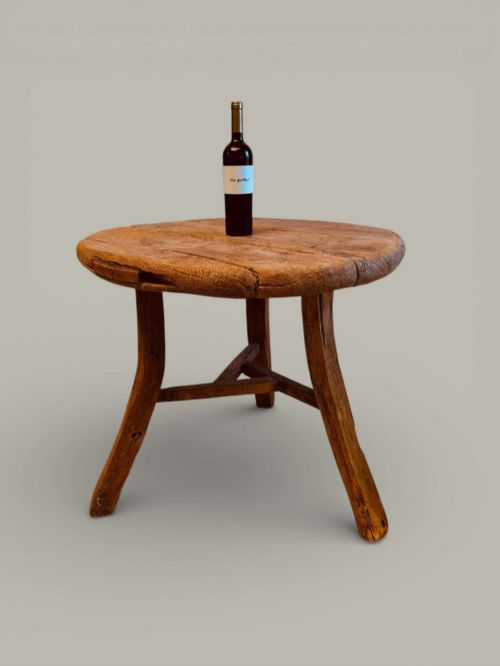
When searching for qing dynasty accent tables, buyers encounter a variety of low forms designed for utility and display. The selection spans side tables, occasional tables, plant stands, and nests of tables originating primarily from the nineteenth century.
Most examples date from the late nineteenth century, around eighteen eighty to nineteen hundred, alongside occasional pieces stretching back to the eighteenth century. These low surfaces function effectively as lamp tables, coffee tables, and vase stands within contemporary settings.
Materials and Construction
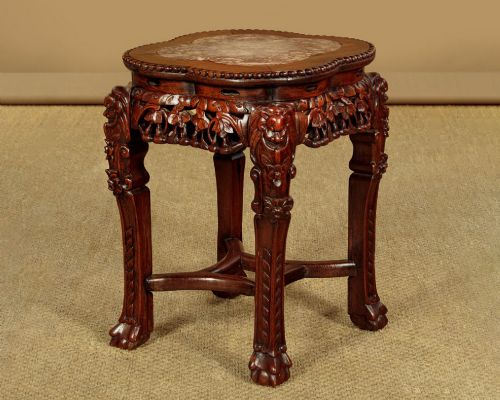
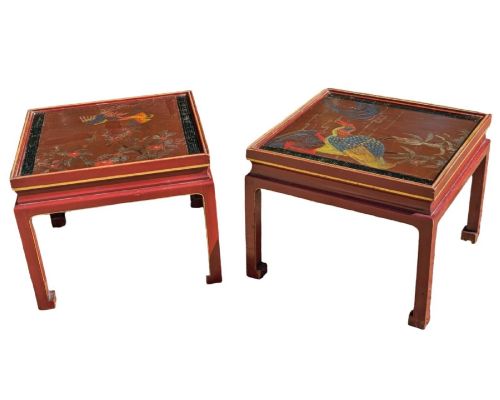
Construction relies heavily on dense timbers such as rosewood, hongmu, and elm, often combined with marble inset tops or brass fittings. Artisans utilised traditional joinery alongside surface decoration including mother of pearl inlay, bone, and lacquer.
Specific forms incorporate specialised elements like quartz inserts, rootwood structures, and cloisonne details. The natural grain of the hardwood remains visible, highlighting the structural integrity of each stand.
Qing Dynasty Accent Tables Retail Price Guide 2026
Typical asking prices for qing dynasty accent tables among the pieces listed under this phrase on Sellingantiques today, from the lower quarter to the upper quarter. They describe what is for sale here now, not the wider market.
Listings feature pieces spanning from the eighteenth century through to nineteen hundred, with nineteenth-century examples forming the majority.
Craftsmanship and Proportion
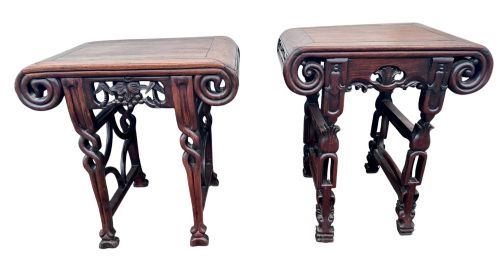
Distinction across the range rests on the precision of the carving and the selection of timber. Pieces featuring profuse inlay work or integrated marble tops demonstrate higher levels of workshop execution.
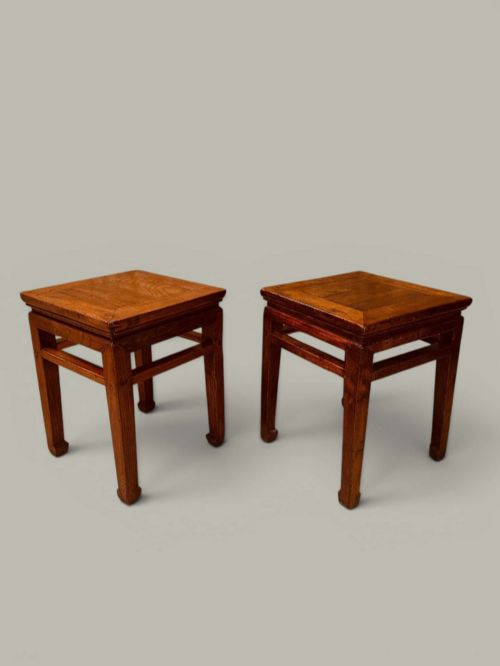
The weight and figure of the rosewood or hongmu separate standard utility pieces from finer examples. Proportion and symmetry in matching pairs dictate visual balance.
The Qing Dynasty Accent Tables Glossary
- Hongmu
- A dense, dark tropical hardwood utilised for traditional Chinese furniture. It translates literally to red wood.
- Elm
- A resilient domestic timber frequently chosen for provincial Chinese side tables and structural frames. It accepts carved details readily.
- Cloisonne
- An enamelling technique where metal wire forms compartments on a base object to hold coloured paste. It appears on select decorative side tables.
- Jardiniere stand
- A tall or low table specifically constructed to support heavy plant pots and ceramic jardinieres. These items often feature marble inserts to protect the wood from moisture.
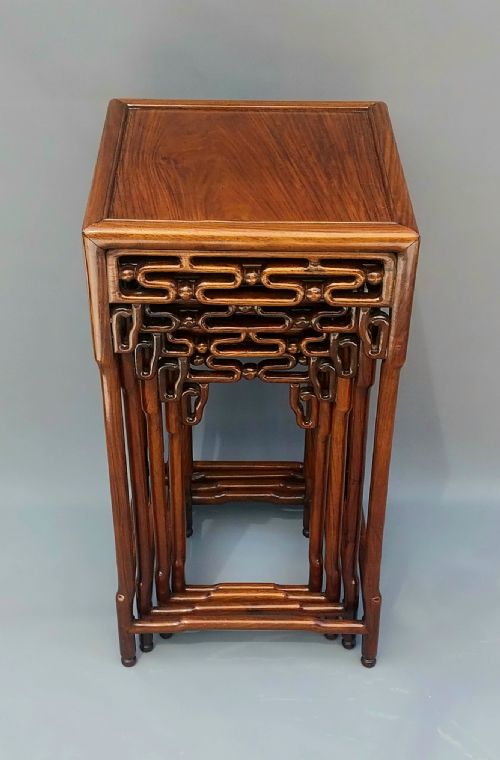
- Nest of tables
- A set of graduated small tables designed to slide neatly beneath one another. This form saves floor space when not in use.
Qing Dynasty Accent Tables: Frequently Asked Questions
How were qing dynasty accent tables used?
These low surfaces served multiple domestic purposes, acting as stands for tea sets, vases, lamps, and heavy planters. Households positioned them beside seating or in corners for everyday utility.
Their sturdy timber construction allowed them to bear substantial weight, particularly the marble top variants designed to hold damp ceramic vessels without damaging the wood.
What woods appear most often?
Hardwoods dominate the selection, with rosewood, hongmu, and elm appearing frequently across the inventory. Each timber brings distinct grain patterns and colour variations to the furniture.
Elm provides a lighter, fibrous texture typical of provincial pieces, while rosewood and hongmu offer deep red-brown tones and heavy density.
Are marble top tables original?
Marble inserts were integrated during the original manufacture to provide a cool, durable surface resistant to heat and moisture from tea pots or plants.
These stone slabs sit flush within the hardwood frames, secured by traditional joinery methods appropriate to the period.
How do I style them at home?
Their low profile makes them suitable as coffee tables, lamp stands, or bedside surfaces in modern interiors. Pairing them with contemporary seating highlights their compact proportions and carved details.
Matching pairs function well flanking a sofa or displaying symmetrical decorative objects.