






Vintage Chinese Display Tables
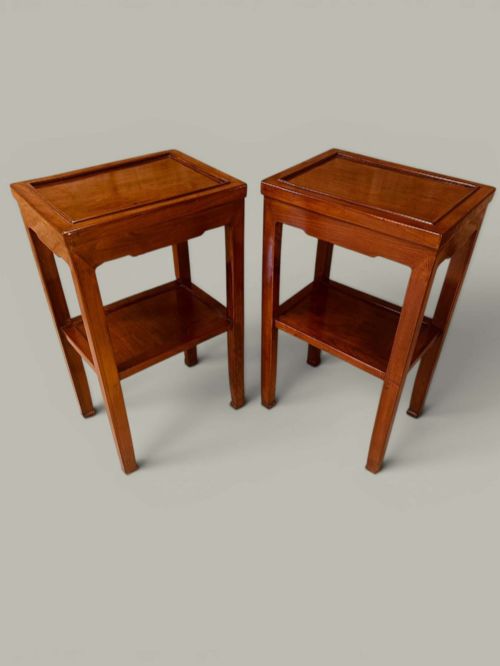
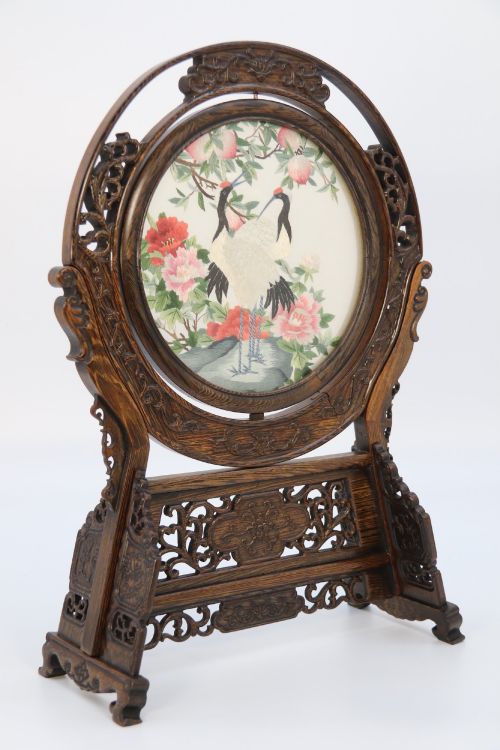
These vintage chinese display tables bring architectural line and rich timber grain to interiors, offering elevated surfaces designed for precious objects.
Vintage Chinese Display Tables
Vintage chinese display tables encompass a varied group of plant stands, jardiniere supports, and occasional surfaces rooted in nineteenth and early twentieth-century traditions. Buyers seeking these vintage chinese display tables encounter forms spanning compact lamp tables, tall pedestals, and intricately carved side tables.
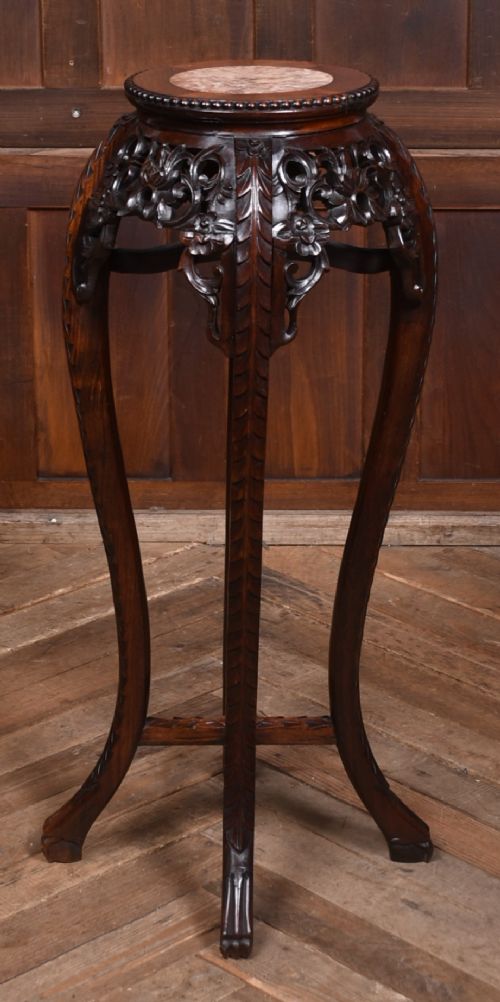
The selection ranges from traditional Qing dynasty style pieces to Chinese export items and Republic period works. Plant stands and marble-topped vase supports dominate the forms appearing across the listings.
Construction relies heavily on dense Asian timbers paired with inset stone or decorative panels, creating sturdy platforms intended originally to display porcelain and bronzes.
Markers of quality and craftsmanship
Quality rests in the depth and crispness of the timber carving, alongside the weight and figuring of the inset marble or stone top. Finer examples display tight joinery and meticulously fitted inlay work that remains flush with the surrounding wood.
The choice of primary timber dictates much of the standing, with dense rosewood and hongmu carrying greater presence than standard hardwoods. Secondary decorative elements, such as precise mother of pearl placement or smooth rotating mechanisms on stands, separate standard production from superior pieces.
Vintage Chinese Display Tables Retail Price Guide 2026
Typical asking prices for vintage chinese display tables among the pieces listed under this phrase on Sellingantiques today, from the lower quarter to the upper quarter. They describe what is for sale here now, not the wider market.
Listings feature items spanning the eighteenth century through the Victorian era and the Chinese Republic period, utilising marble, brass, and silk.
The Vintage Chinese Display Tables Glossary
- Jardiniere
- A large decorative pot or planter, which necessitated sturdy low stands or tall pedestals to display indoor plants.
- Hongmu
- A traditional dense red-brown Asian hardwood prized for furniture and display pieces due to its durability and rich grain.
- Cinnabar
- A carved red lacquer technique built up in numerous layers over a wooden core before being intricately hand-carved.
- Qing Dynasty
- The final imperial dynasty of China, spanning from the seventeenth to the early twentieth century, whose aesthetic heavily influenced later export pieces.
- Cloisonne
- An ancient technique for decorating metal object surfaces with enamel compartments partitioned by thin strips of metal.
Vintage Chinese Display Tables: Frequently Asked Questions
What were these tables used for?
These tables served primarily as elevated platforms for heavy porcelain planters, jade carvings, bronze vessels, and decorative vases within traditional interiors.
Their sturdy construction allowed them to bear substantial weight while positioning prized ornaments at an optimal viewing height.
How do I style a plant stand at home?
A tall plant stand functions well in empty corners, framing doorways, or supporting trailing foliage and sculptural ceramic pieces.
Keep the surrounding space uncluttered so the carved timber and inset marble top remain the visual focus.
How can I tell the period of a stand?
Dating relies on assessing timber patination, carving depth, and stylistic markers associated with Qing dynasty production or later export periods.
Heavier rosewood construction and hand-carved details typically point to nineteenth-century origins, while later pieces often reflect twentieth-century manufacturing techniques.