
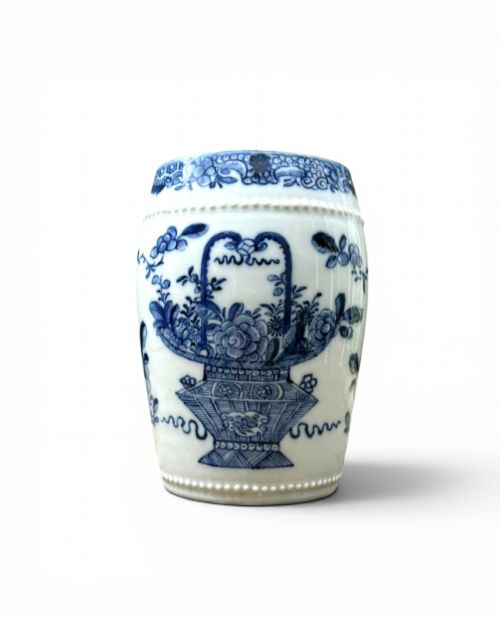
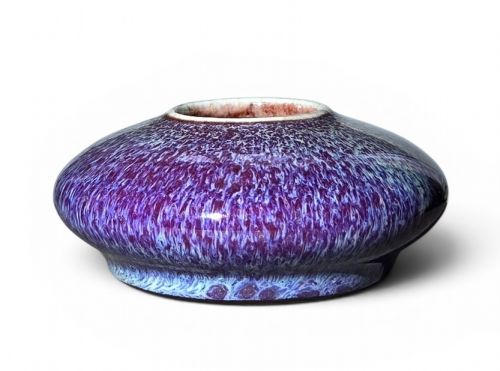


Qianlong Period Porcelain
Qianlong period porcelain delivers the refined ceramics of the eighteenth century, offering collectors intricate painted decoration and durable ceramic bodies made for global export.
Qianlong Period Porcelain
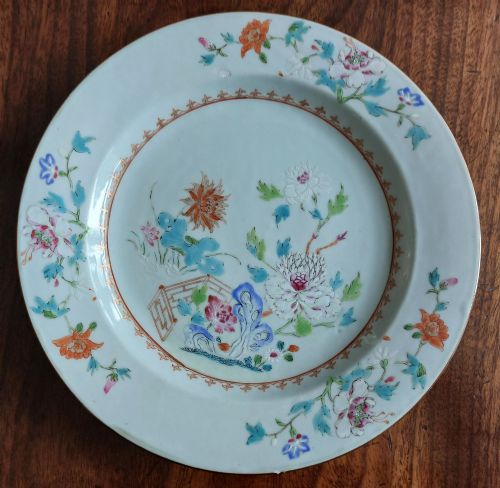
When you search for qianlong period porcelain, you encounter durable ceramic vessels, figures, and tablewares produced during the eighteenth century. Most pieces on this page originate from the Qing Dynasty and frequently appear as Chinese Export items made for international markets.
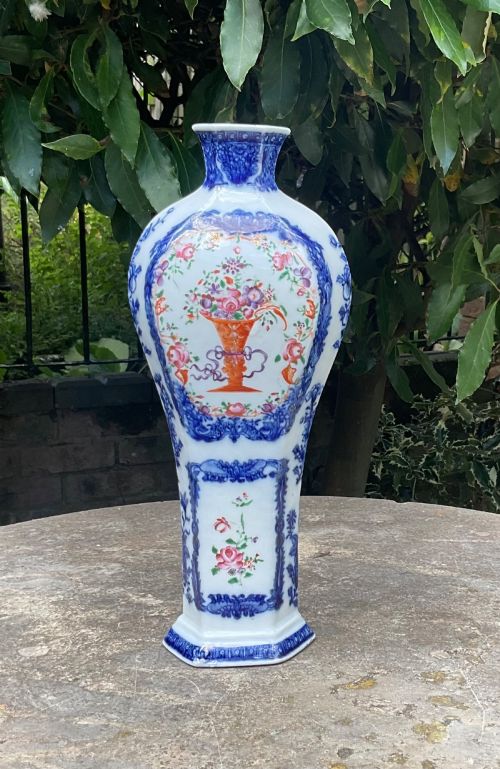
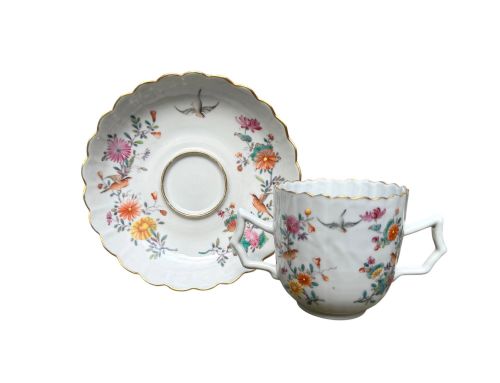
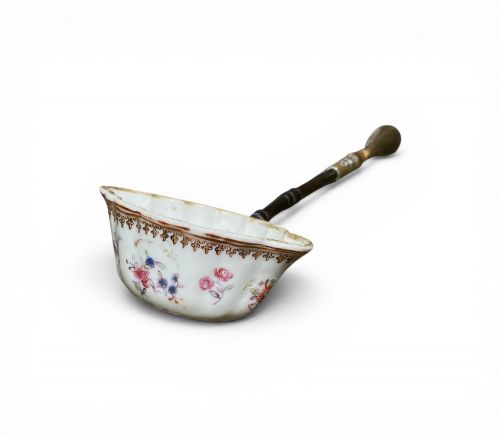
The inventory spans functional tablewares and decorative objects, including decorative plates, mugs, tankards, teacups, saucers, tureens, and vases. Alongside these domestic forms, you find specialised items such as brush washers, ladles, meat drainers, and ceramic figurines.
The majority of these ceramics date between the 1730s and the end of the eighteenth century, reflecting the reign of the Qianlong Emperor. They combine traditional Chinese throwing and glazing techniques with decorative schemes tailored to foreign tastes.
How they were made
Potters shaped high-fired ceramic and porcelain bodies on the wheel or pressed them into moulds to create consistent forms like barrel-shaped mugs and rectangular dishes. Artisans then applied various liquid glazes, including cobalt glaze for blue and white wares and specialised crackle or aubergine finishes.
Decoration relied on meticulous hand-painting utilising coloured enamel, gold leaf, and enamel glaze. Famille rose palettes required precise layering of opaque pink and other enamel colours to achieve detailed floral and figural motifs.
Listings feature eighteenth-century items utilising porcelain, enamel, gold leaf, cobalt glaze, and wood.
What varies in quality
The refinement of the hand-painted brushwork dictates much of the visual success, separating swiftly executed export patterns from carefully rendered imperial-quality scenes. Crispness in moulded details, such as the relief work on figures and animal statues, also distinguishes finer examples.
Glaze consistency and control over kiln temperature create variances in surface texture, from smooth, even enamel fields to intentional crackle effects that require precise technical execution.
The Qianlong Period Porcelain Glossary
- Famille rose
- A palette of opaque enamels introduced in the eighteenth century, dominated by pink or rose colours mixed from gold chloride.
- Chinese Export porcelain
- Ceramics manufactured in China specifically for export to European and American markets during the Qing Dynasty.
- Cobalt glaze
- A blue mineral pigment applied under the transparent glaze before firing, yielding the characteristic blue and white designs.
- Brush washer
- A small ceramic vessel used in traditional scholarly studies to clean ink brushes.
- Armorial
- Porcelain decorated with European family coats of arms, commissioned specially by foreign buyers.
Qianlong Period Porcelain: Frequently Asked Questions
How do I spot fake qianlong porcelain?
Examine the weight, body translucency, and the integration of the enamel decoration into the glaze beneath it. Eighteenth-century pieces exhibit natural wear patterns and distinct foot ring construction.
Compare the style of the hand-painted motifs against documented eighteenth-century examples to ensure the pigments and draughtsmanship match the period.
Can I use these antiques daily?
While these ceramics served utilitarian purposes like holding liquids or serving food originally, their age and fragile enamel decoration make them unsuitable for modern dishwasher use or heavy daily service.
Display them securely on stable surfaces or within cabinets to protect the enamel surfaces and gold leaf details from accidental impact.
What is Chinese export porcelain?
Chinese export porcelain refers to wares made in Chinese kilns to satisfy the demand from Western traders, combining traditional domestic potting with shapes and motifs requested by foreign buyers.
These pieces often bridge Eastern manufacturing techniques and Western dining habits, resulting in items like pistol-handled tankards and European armorial dinner services.
How do I date these ceramics?
Dating relies on stylistic clues, the specific enamel palettes used, and comparative analysis with documented pieces bearing reign marks or known provenance from the eighteenth century.
Changes in export decoration styles over the decades help narrow down the production window when physical reign marks are absent.