






Qashqai Tribal Bag
These pieces of qashqai tribal bag comprise authentic nomadic wool weavings from South-West Persia, prized for their rich patterns and utility.
Qashqai Tribal Bag
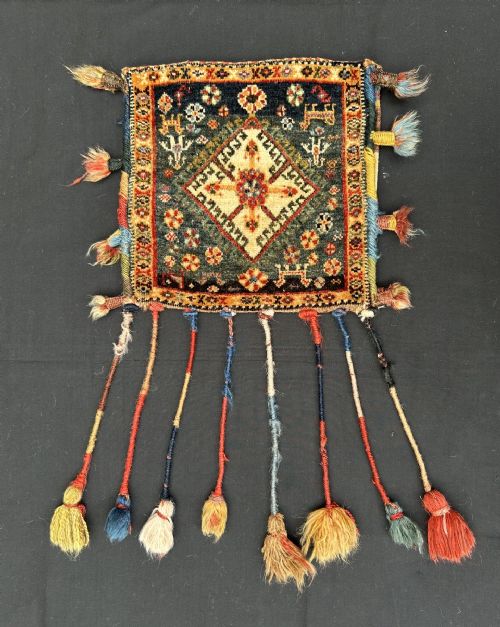
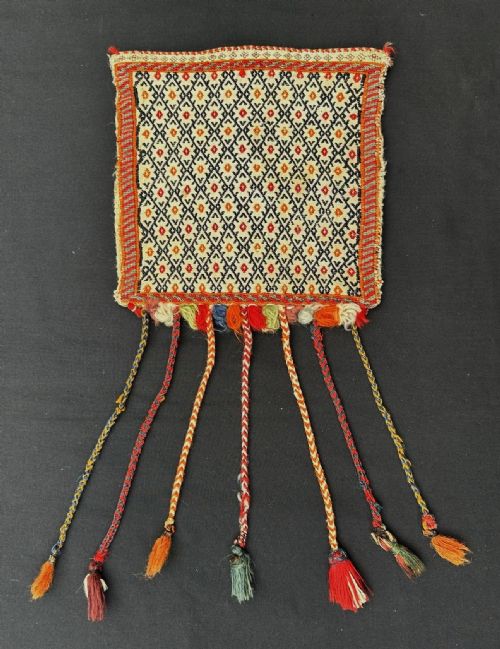
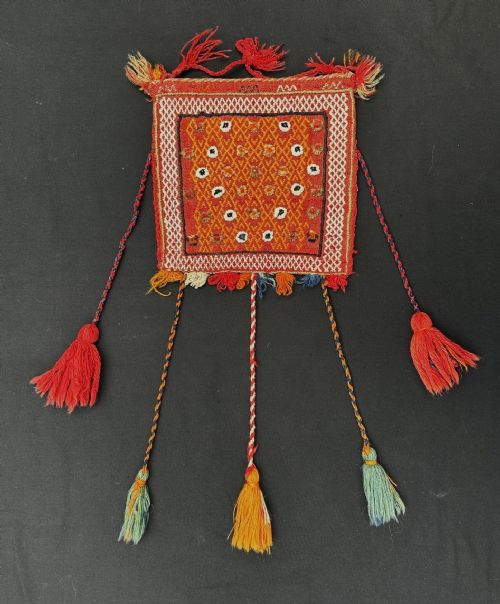
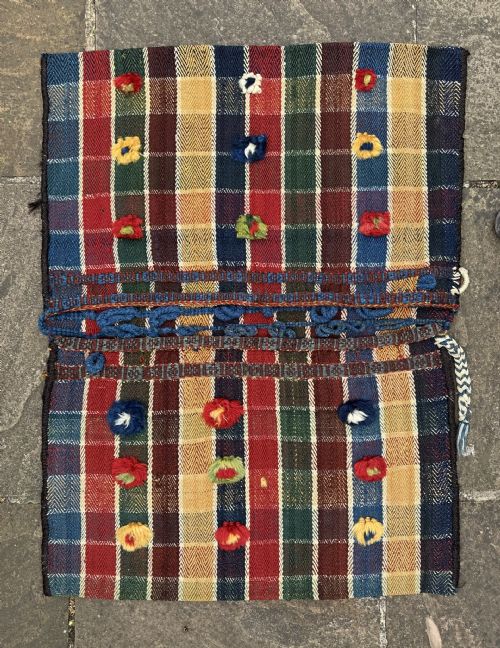
When you search for a qashqai tribal bag, you encounter utilitarian nomadic textiles originating from the Fars Province of South-West Persia. These pieces include complete saddlebags, bag faces, vanity bags, salt bags, spindle bags, and cushions dating from the nineteenth and early twentieth centuries.
The objects stem from various sub-tribes and confederacies such as the Bolvardi, Kashkuli Tayefeh, Shekarlu Tayefeh, Darrehshuri Tayefeh, and Ard Kapan Taifeh. Most examples found here take the form of individual bag faces or paired saddlebags utilised during nomadic migrations.
How They Were Made
These textiles employ hand-spun wool for the pile and structure, frequently paired with cotton foundations in specific examples. Natural dyes impart the rich colour palette seen across the woven surfaces.
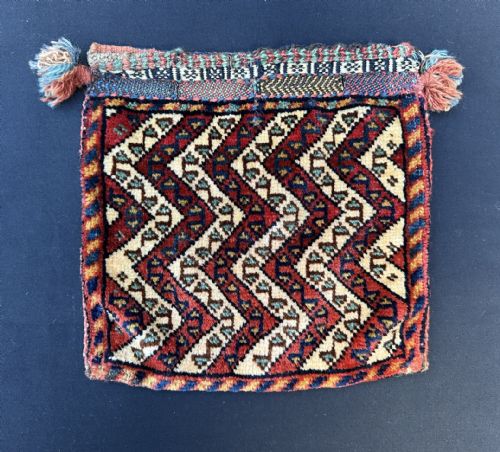
Weavers construct the pieces using hand-knotted techniques for the pile sections alongside flat-woven plain weave backs and decorative striped panels.
Nomads wove dedicated pouches specifically to carry their water-pipes and spindle equipment across the Persian mountains.
What Varies in Quality
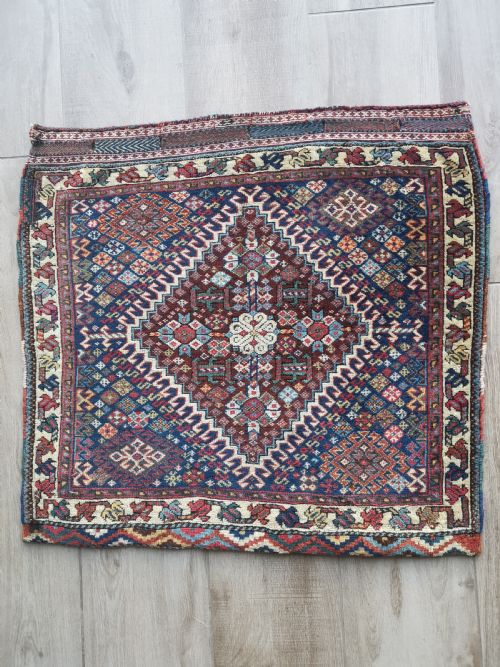
The fineness of the knotting dictates the crispness of geometric medallions and intricate diamond or Herati patterns. Greater density in the weave allows complex tribal motifs to retain sharper definition.
The depth and variety of natural dyes distinguish standard work from exceptional pieces. The retention of complete saddlebag backs and original decorative elements elevates the historical integrity of the textile.
Bolvardi Sub Tribe·Kashkuli Tayefeh·Shekarlu Tayefeh·Darrehshuri Tayefeh·Ard Kapan Taifeh
The Qashqai Tribal Bag Glossary
- Khorjin
- A traditional double saddlebag utilised by nomadic tribes for transport on animals during migrations. These pieces often separate over time, leaving individual bag faces.
- Bag face
- The decorative piled front section of a utilitarian nomadic bag, preserved as a wall hanging or cushion after the plain weave back deteriorated.
- Plain weave
- A flat-woven structure without pile, commonly utilised for the backs and structural sides of nomadic bags to reduce weight and bulk.
- Natural dyes
- Colourants derived from plants, roots, and minerals, producing the characteristic rich tones found in nineteenth-century tribal textiles.
- Herati pattern
- A traditional Persian repeating floral motif featuring a central rosette enclosed by curved leaves.
Qashqai Tribal Bag: Frequently Asked Questions
How were these bags used?
Nomadic families packed personal belongings, provisions, and household goods into these containers for transport on pack animals. The smaller pouches held specific items like vanity accessories or smoking equipment.
Pairs of saddlebags draped across horses, donkeys, or camels, balancing weight while moving between seasonal pastures.
How do I live with a bag face?
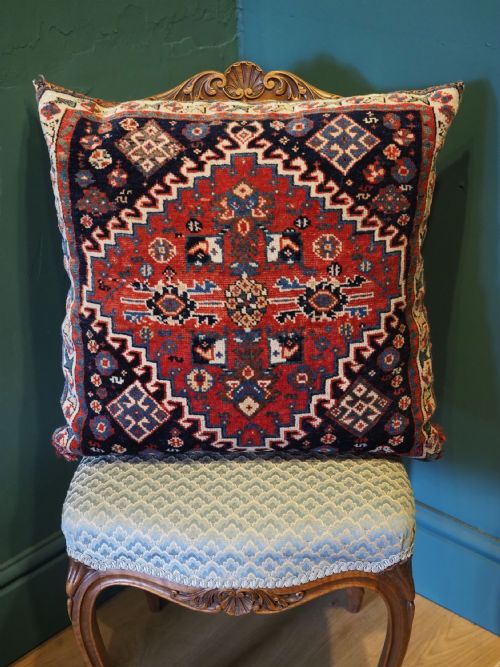
Bag faces adapt well to domestic interiors as small wall hangings, table mats, or padded cushion covers. Their durable wool construction withstands gentle daily exposure in low-traffic areas.
Keep them away from direct sunlight to protect the natural dyes from fading over time.
How do I identify a bag face from a complete bag?
A complete bag retains its flat-woven back, side seams, and occasionally the connecting bridge or decorative rear panels. A bag face consists solely of the decorative piled front panel, often finished with plain weave remnants at the edges where it was separated from the back.