




Persian Chanteh Pouch
A persian chanteh pouch is a woven tribal container carrying centuries of nomadic artistry and practical daily utility.
Persian Chanteh Pouch
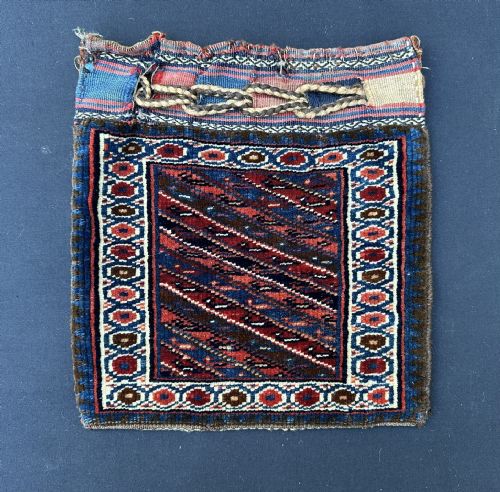
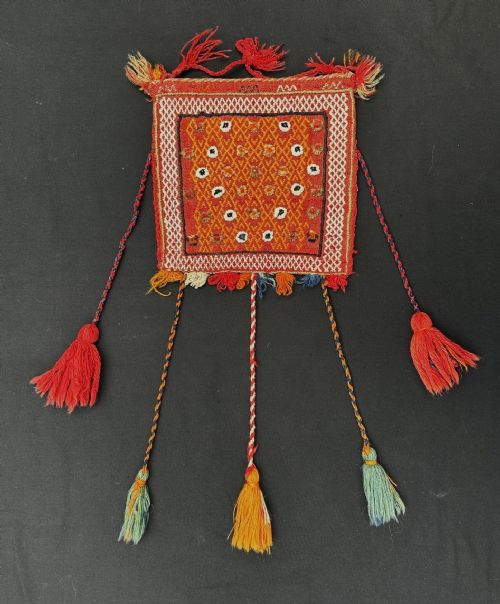
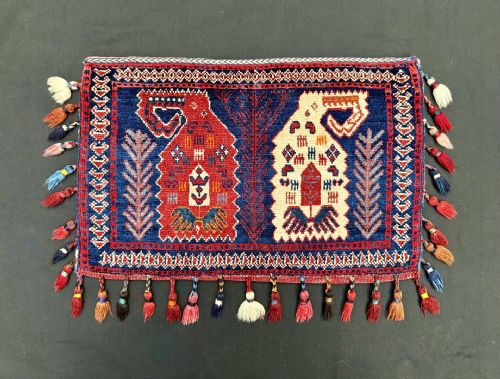
When you search for a persian chanteh pouch, you encounter authentic woven bags produced by various tribal confederacies and nomadic groups across Iran. These pieces encompass specific personal containers such as vanity bags, tobacco and pipe bags, spindle or water-pipe bags, and designated chanteh pouches.
The objects originate from distinct regions including the Kerman province in south Persia, Varamin in the north, Khorassan in the north-east, and the Fars province in the south-west. Tribal attributions span the Afshar nomads, Qashqa'i Confederacy, Baluch Salar Khani, Kurdish, Bakhtiari, and Koti Arab tribes.
You are most likely to meet late nineteenth-century and early twentieth-century examples on this page, with dates clustering around 1860, 1880, 1900, 1910, and 1920. These diminutive textiles functioned as personal storage items for nomads on the move, preserving traditional tribal motifs and weaving techniques.
How they were made
Nomadic weavers utilised hand-spun wool and cotton foundations to construct these durable personal containers. Wool provided the resilient pile and patterned surfaces, while cotton frequently served structural purposes within the weave.
The artisans dyed their materials using natural dyes derived from local plant and mineral sources, ensuring deep and lasting coloration across the tribal designs. These organic colourants create the varied hues seen throughout the regional styles, from Persian tribal to Baluch and Qashqai tribal aesthetics.
Tribal origins represented include Afshar, Qashqa'i, Baluch, Kurdish, and Bakhtiari groups across Persian provinces.
What varies in quality
The sophistication of the weave and the tightness of the knotting separate fine examples from standard pieces, reflecting the weaver's control over the medium. Finer execution allows for crisper geometric or pictorial resolution within small formats.
The depth and integrity of the natural dyes influence the visual success of each pouch. Rich, harmonious colour palettes derived from organic materials elevate the presence of the tribal patterns.
The Persian Chanteh Pouch Glossary
- Chanteh
- A small tribal bag or pouch used by nomads for carrying personal items. These woven containers often display distinctive regional patterns.
- Afshar
- A nomadic and semi-nomadic Turkic people residing mainly in the Kerman province of southern Persia. Their weaving is celebrated for bold geometric compositions.
- Qashqa'i
- A confederacy of Turkic-speaking nomadic tribes based in the Fars province of south-west Persia. They produce highly regarded textiles with rich iconography.
- Natural Dyes
- Organic colourants derived from plants, insects, and minerals rather than synthetic chemicals. These substances yield complex, fading hues that age gracefully.
Persian Chanteh Pouch: Frequently Asked Questions
What is a persian chanteh pouch used for?
These small bags served nomads as personal containers for tobacco, pipes, vanity items, or small utilitarian objects. They were carried during migrations or kept within the tent for everyday storage.
Over time, their portability and utility made them essential items of personal property. Today, they function primarily as decorative textile art rather than functional luggage.
How do I tell different tribal styles apart?
Tribal attributions rely on specific structural traits, wool qualities, and characteristic colour palettes associated with particular regions and confederacies. Afshar pieces often emerge from the Kerman province, while Qashqa'i examples originate in Fars.
Examining the borders, field motifs, and minor ornaments reveals the distinct aesthetic vocabulary of groups like the Baluch, Kurdish, or Bakhtiari weavers.
Where were these pouches made?
Nomadic and village weavers produced these textiles across various provinces of Persia, including Kerman, Khorassan, and Fars. Different tribal groups occupied distinct territories and seasonal migration routes.
Geographic origins strongly influence the materials and design motifs found in each specific bag or trapping.
How should I display a chanteh pouch?
These small textiles suit mounting on a neutral wall or framing behind protective glass to prevent dust accumulation. Their compact dimensions make them adaptable for display in smaller spaces.
Avoid hanging them in direct sunlight to protect the natural dyes from fading over the years.