





Persian Tribal Weave
These resilient knotted rugs and utilitarian storage bags carry the nomadic design traditions of the southern and western regions.
Persian Tribal Weave
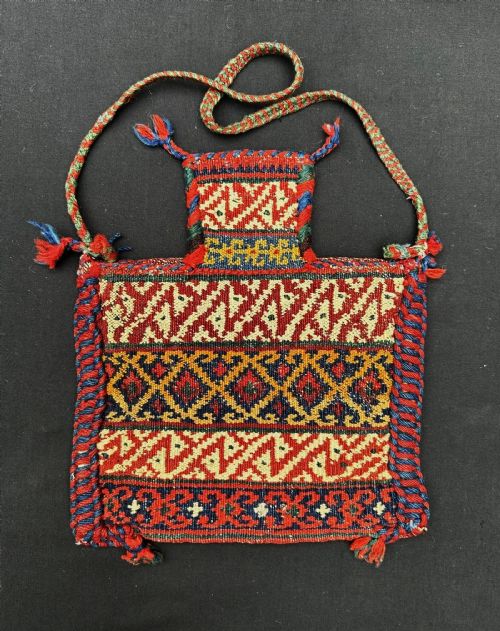
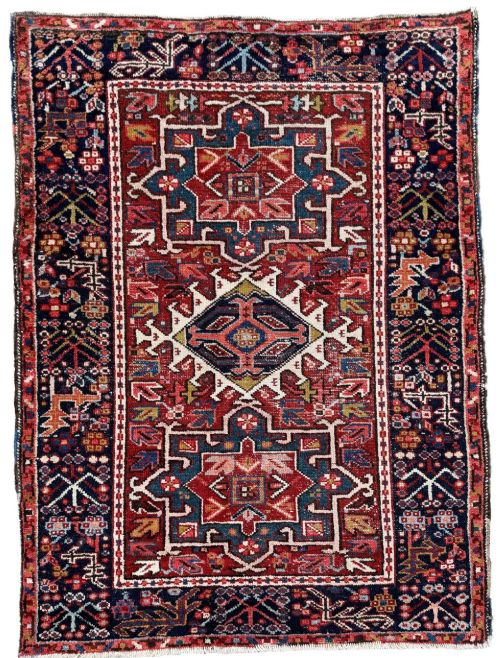
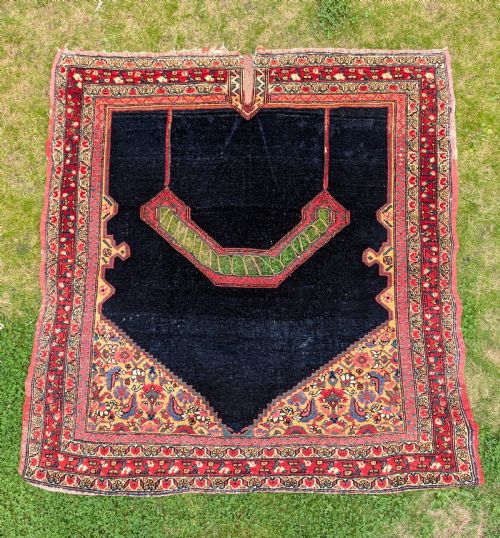
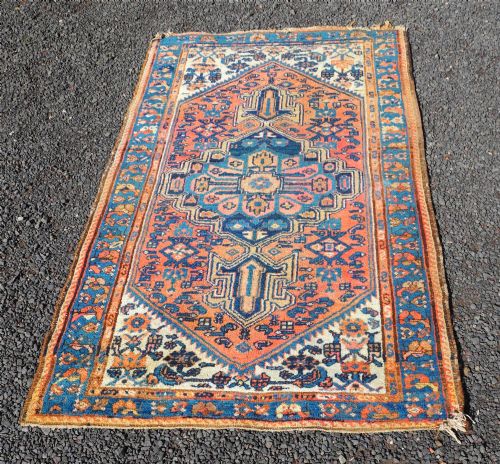
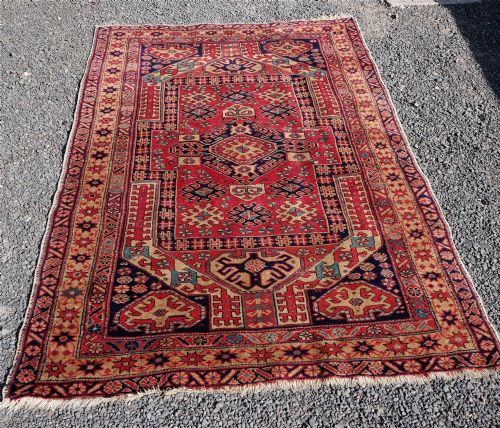
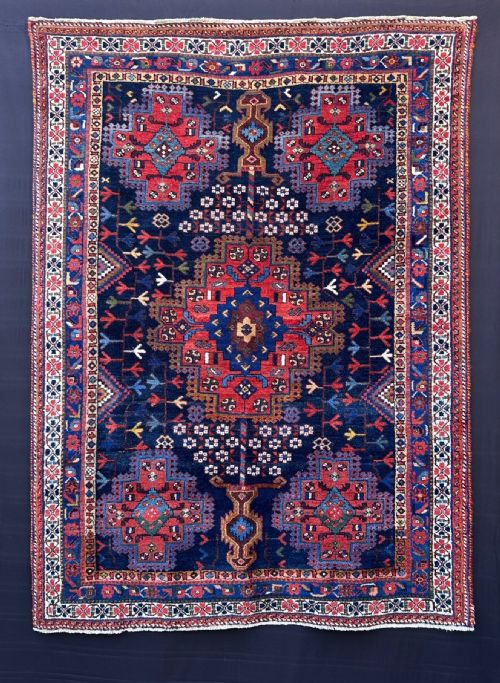
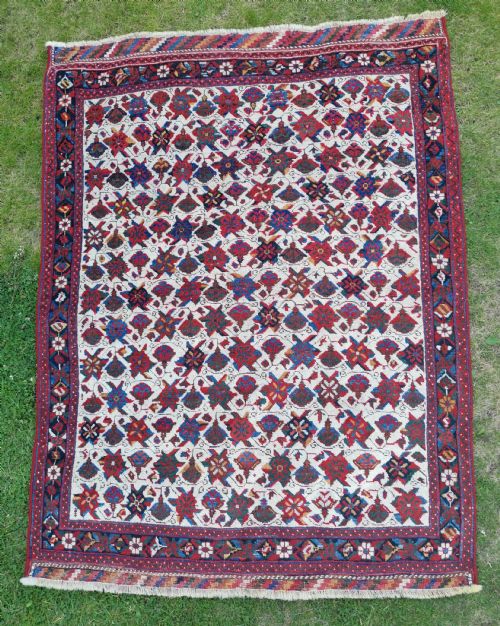
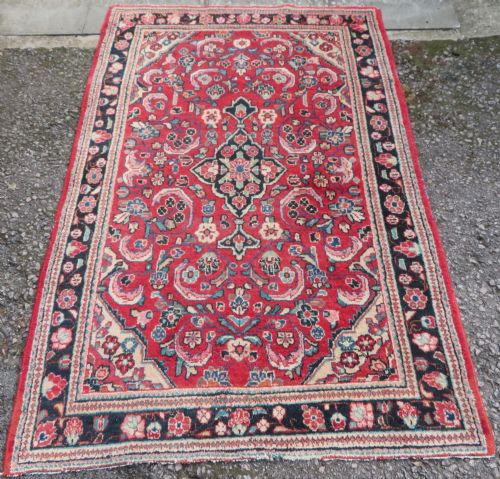
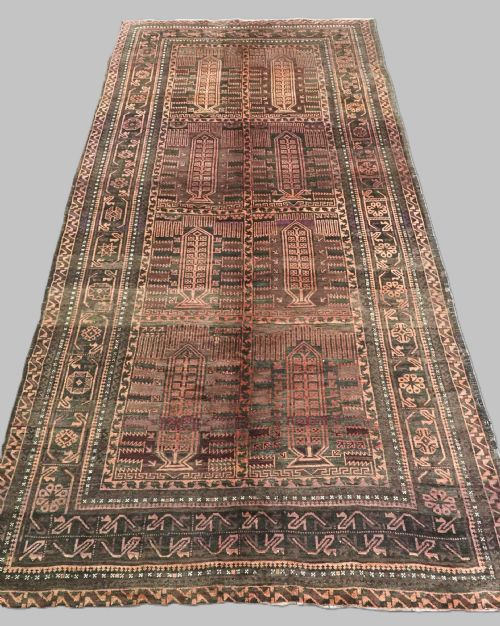
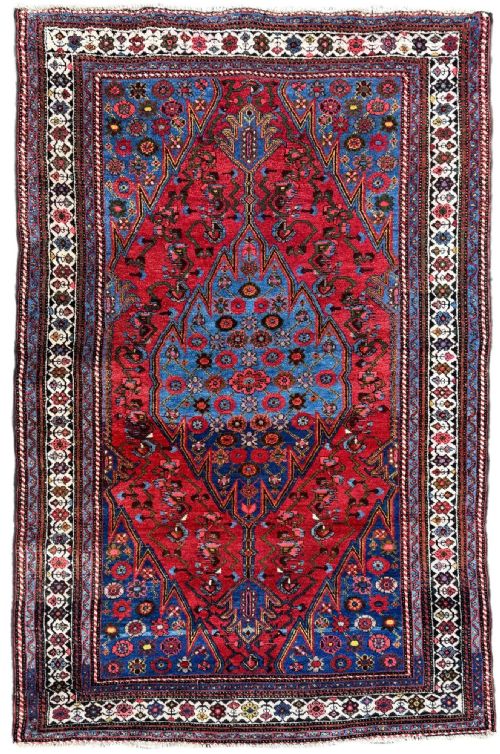
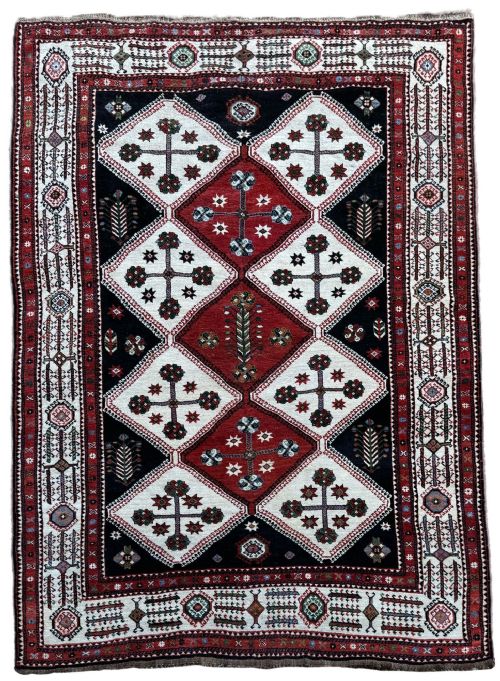
A persian tribal weave encompasses floor coverings, saddle bags, animal trappings and vanity bags produced by nomadic confederacies and village weavers. The selection on this page ranges from smaller utility bags and saddle covers to large area carpets.
Buyers will encounter distinct tribal groups represented in the inventory, including Qashqai, Afshar, Khamseh, Bakhtiar and Lori nomads. These pieces span production dates from the late nineteenth century through the early decades of the twentieth century.
Village and nomadic pieces often display regional geometric medallions, repeated field motifs and characteristic hooked designs rather than court-atelier symmetry. The utilitarian origins mean many surviving items served practical functions within pastoral camps before entering the market.
Materials and Construction
Makers utilised hand-spun wool for the surface pile and foundation yarns, frequently pairing wool with cotton warps in village workshops. Natural dyes provide the underlying palette, yielding earthy reds, indigos and yellow tones that soften gracefully with age.
Construction techniques include hand-knotting for pile carpets alongside flat-weaving methods used for kilims, jajims and structural bag faces. Selected nomadic pieces incorporate cowrie shells or supplementary warp and weft float techniques for textural enrichment.
Several nomadic bags served dual lives as vanity cases and tobacco pouches before joining the archive.
Evaluating Quality and Execution
Knot density and structural integrity distinguish finer tribal examples from heavier utility grade pieces, particularly in how sharply the geometric motifs are resolved. The precision of the weave reflects the weaver's control over tension and foundation materials.
The vibrancy and depth of the natural dye palette contribute significantly to visual appeal, as well-preserved colours maintain contrast across the field. Condition also plays a role, with intact original side cords and minimal pile loss indicating careful preservation.
The Persian Tribal Weave Glossary
- Khorjin
- A traditional double-sided saddle bag used by nomads for transport and storage. These feature intricate flat-woven or pile-knotted faces.
- Kilim
- A flat-woven textile produced without a pile by tightly interweaving warp and weft strands. They are lightweight and often display sharp geometric patterns.
- Medallion
- A central ornamental design motif placed in the field of a rug or carpet. Tribal weavers often render these in stepped or multi-lobed polygonal shapes.
- Warp
- The stationary vertical threads stretched across the loom that form the structural foundation of the textile. Weft threads are passed horizontally through them.
Persian Tribal Weave: Frequently Asked Questions
How were these bags used?
Nomadic tribes utilised these woven containers for practical storage and transport during seasonal migrations. Items such as salt bags, vanity bags and horse trappings held household goods or adorned pack animals within daily camp life.
Over time, many of these functional pieces survived through domestic use rather than formal display. Their durable construction allowed them to withstand the rigorous demands of pastoral existence before preservation by collectors.
How do I identify the tribe?
Attribution relies on examining specific design vocabularies, border configurations and regional colour palettes associated with particular groups. For instance, Qashqai weavings often display characteristic animal decorations and rich blue tones, while Afshar pieces frequently feature angular repeat motifs.
Structural traits such as edge finishing and warp alignment also offer clues to geographic origin. Comparing regional motifs helps narrow down whether a piece emerged from Fars province, Kerman or western nomadic territories.
How should I clean a rug?
Gentle surface brushing and regular low-suction vacuuming without a rotating beater bar help maintain the wool pile. Professional rug cleaners experienced in handling natural dyes and hand-spun wool should perform deep washes.
Avoiding harsh chemical detergents or excessive moisture protects the integrity of the natural dyestuffs. Prompt attention to accidental spills prevents staining without compromising the old foundation fibres.
Are these items durable for floors?
Most room-sized carpets and heavy village rugs are structurally robust enough for moderate floor traffic in residential settings. The natural lanolin present in hand-spun wool provides inherent resistance to everyday wear and soil.
Smaller bag faces and delicate flat-weaves are generally better suited for wall hanging or low-traffic display areas. Assessing the pile depth and foundation strength helps determine the appropriate placement for each textile.