
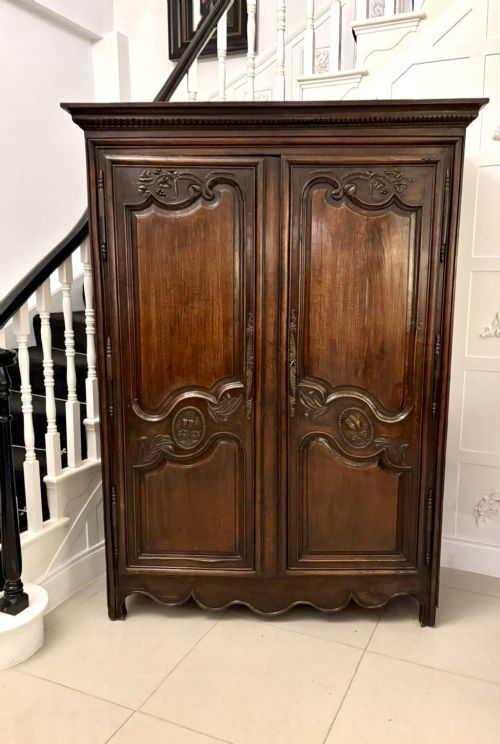
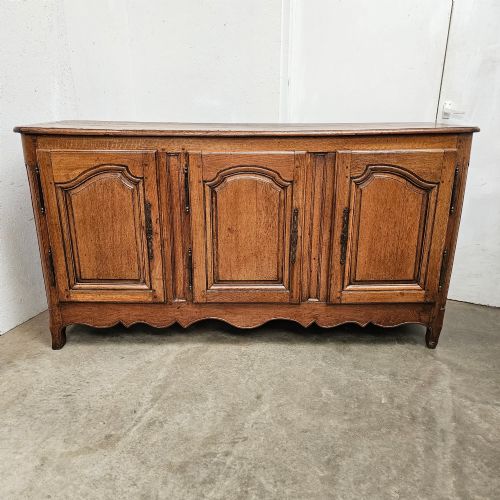
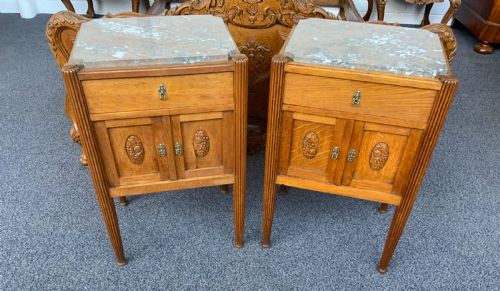
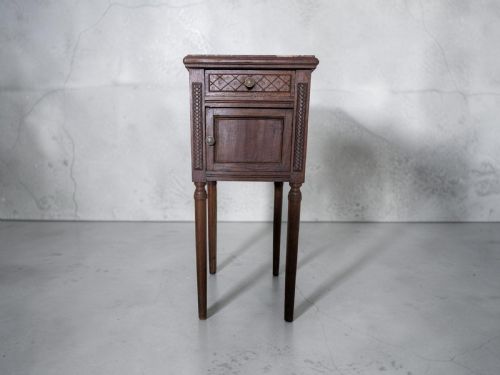

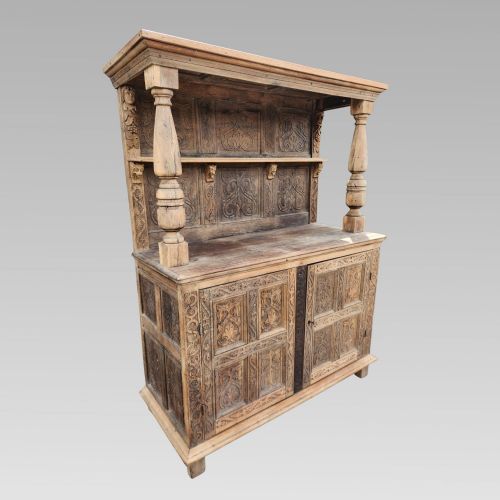


Provincial Oak Cabinet
A provincial oak cabinet brings honest rural utility and warm timber grain into modern rooms.
Provincial Oak Cabinet
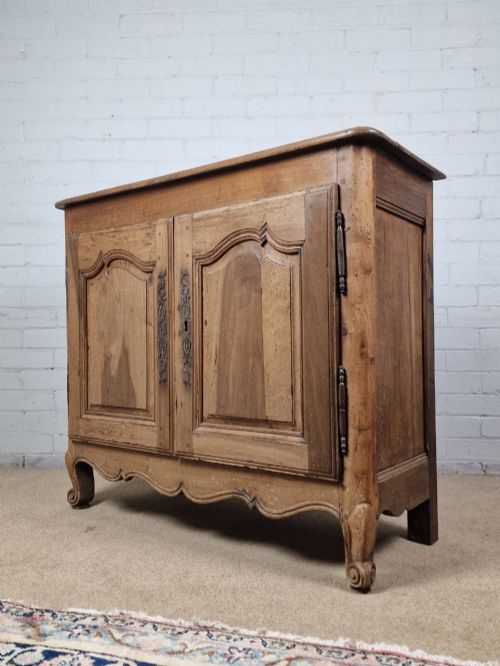
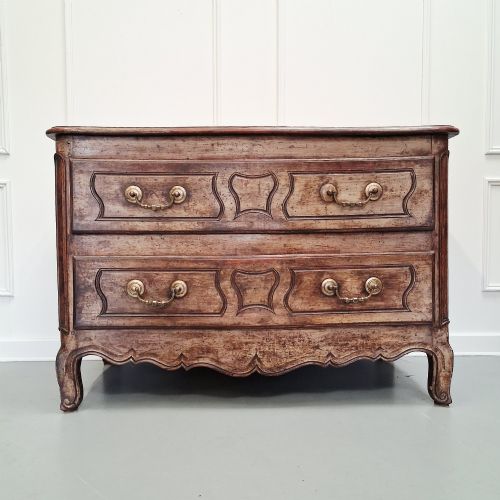
A provincial oak cabinet represents sturdy regional furniture built for everyday domestic storage in country houses and farmhouses. These pieces span centuries of rural craftsmanship, ranging from simple cupboards to grand armoires and sideboards.
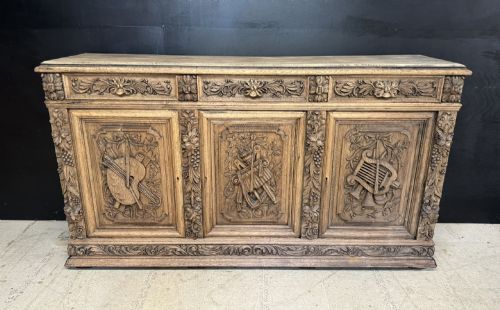
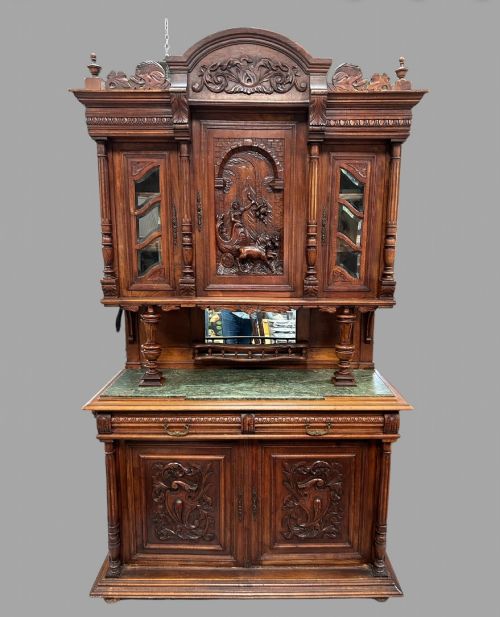
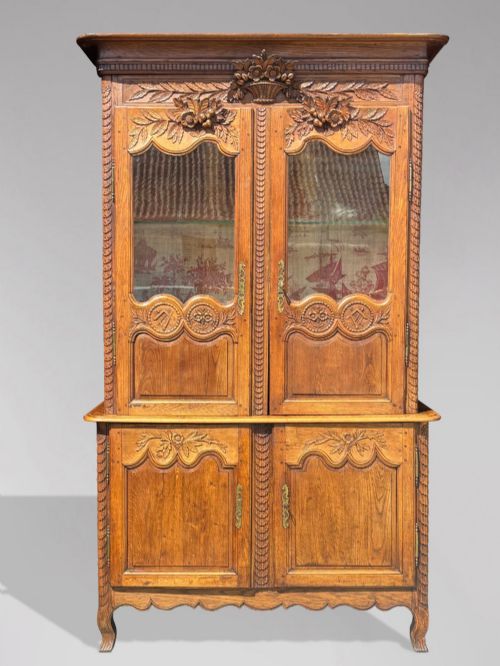
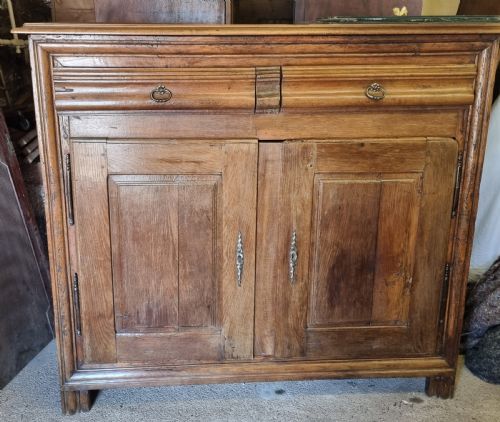
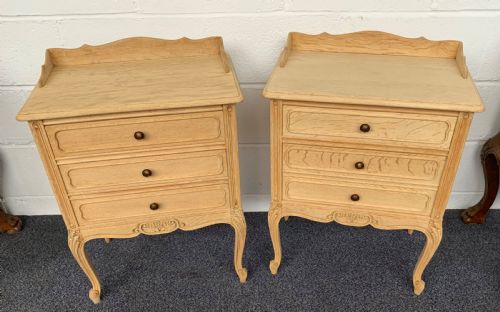
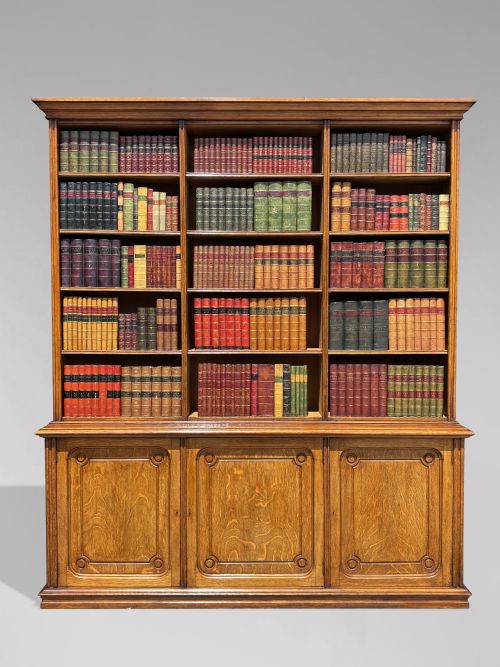
Buyers searching for a provincial oak cabinet most frequently encounter nineteenth-century and eighteenth-century examples originating from French regions. Forms include compact bedside tables, tall housekeeper cupboards, and robust sideboards.
Regional variations shape these objects, connecting them directly to local domestic traditions and rural workshops. Their utility remains central, providing deep shelving and enclosed storage designed for practical household use.
How they were made
Makers constructed these cabinets using solid timber boards joined with traditional pegged mortise and tenon techniques. Carpenters relied primarily on oak, occasionally incorporating fruit wood or walnut details alongside iron or brass hinges and locks.
Surface finishing relied on natural wax applications rather than heavy varnishes, allowing the grain of the wood to develop a rich patina over decades of use. Carved decorations appeared on panelled doors, executed by hand with gouges and chisels in regional styles.
The listings span multiple centuries, ranging from seventeenth-century manoir cupboards to nineteen-thirties art deco bedside tables.
What varies in quality
The standard of a provincial oak cabinet depends upon the thickness of the timber boards and the integrity of the original construction. Superior examples retain their original backboards, hardware, and structural pegged joints without extensive modern timber replacement.
Proportion and carving depth distinguish finer regional pieces from standard utility items. Crisp hand-carved detailing on door panels indicates skilled local workshop production rather than hurried mass output.
The Provincial Oak Cabinet Glossary
- Enfilade
- A long sideboard or buffet featuring multiple doors in a continuous line, commonly utilised in dining spaces for storage and serving.
- Armoire
- A large standing cupboard with doors enclosing shelving or hanging space, often built in two sections for easier transport.
- Buffet deux corps
- A tall two-piece cabinet comprising a lower cupboard section beneath a slightly smaller upper display or storage unit.
- Panetiere
- A traditional ventilated bread safe featuring turned spindles or pierced panels, originally designed to keep loaves away from rodents.
- Parquetry
- Geometric wood inlay work arranged in patterns, frequently found on the top surfaces of later sideboard designs.
Provincial Oak Cabinet: Frequently Asked Questions
Where did provincial oak cabinets come from?
These pieces originated in rural domestic workshops across various European regions, primarily France and England. Local carpenters built them using timber sourced directly from nearby forests.
Each area developed distinct proportions and decorative motifs tied to local customs and the specific storage needs of rural households.
How do I care for antique oak?
Maintain the timber by applying natural beeswax sparingly and buffing with a soft cloth to preserve the surface sheen. Avoid placing the cabinet near direct heat sources or strong sunlight to prevent timber splitting.
Regular dusting with a dry cloth protects the historic patina from accumulating abrasive dirt particles over time.
How do I date an oak cabinet?
Examine the construction methods, tool marks on the timber interior, and the style of hinges and locks. Hand-sawn boards and irregular pegging generally indicate earlier eighteenth or seventeenth-century origins.
Later nineteenth-century and twentieth-century pieces often display more uniform machine-cut elements and standardised hardware fixings.
Can I use these cabinets in a modern kitchen?
These storage pieces integrate smoothly into contemporary kitchens as larders, dressers, or freestanding prep units. Their deep shelves and enclosed cupboards offer substantial practical space for tableware and dried goods.
Ensure measurements account for the deep cornices and heavy doors typical of regional country furniture before positioning them in smaller rooms.