




French Country Kitchen Dresser
A french country kitchen dresser brings warmth and practical storage to a room through traditional regional woodworking.
French Country Kitchen Dresser
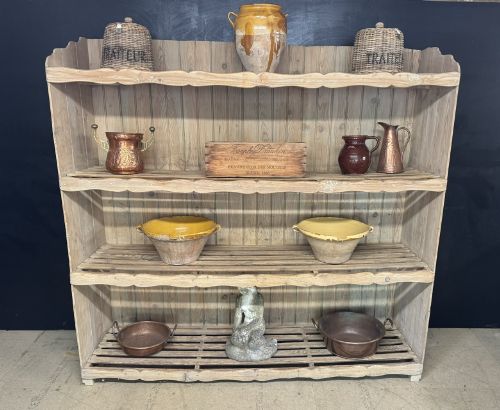
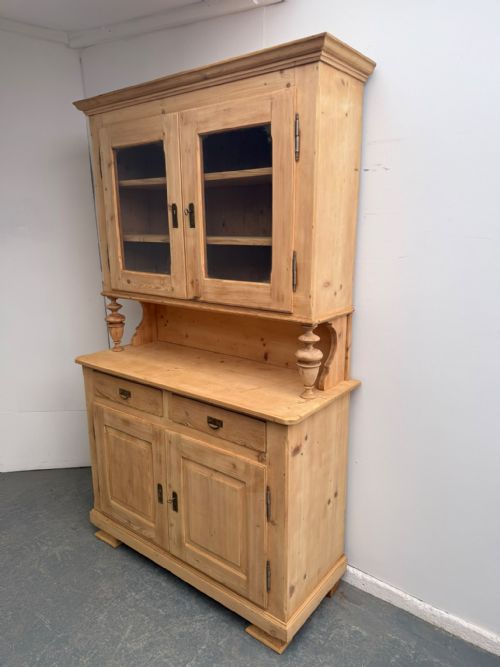
A french country kitchen dresser combines display shelving for tableware with enclosed cupboard storage beneath. These pieces originate across various regional provinces and display the robust forms typical of rural domestic life.
The selections available here range from grand eighteenth century examples down to later nineteenth century iterations. Buyers frequently encounter regional variations such as the buffet deux corps and the open-topped vaisseliere.
Makers designed these items for heavy daily use in farmhouse kitchens and sculleries. Their enduring appeal lies in this combination of honest utility and traditional provincial proportion.
Materials and construction methods
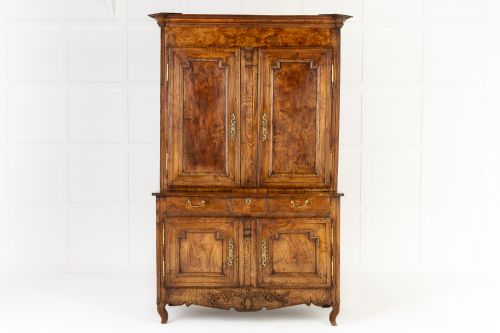
Local artisans constructed these pieces using solid regional timbers including oak, pine, fruitwood, chestnut, ash, elm, and walnut. These woods were chosen for availability and durability, often showing visible grain and natural movement over decades of use.
Joinery techniques relied heavily on pegged mortise and tenon frames, panelled doors, and hand-cut dovetails for drawers. Iron and brass hardware, such as hinges and escutcheons, fastened the heavy doors and added functional strength.
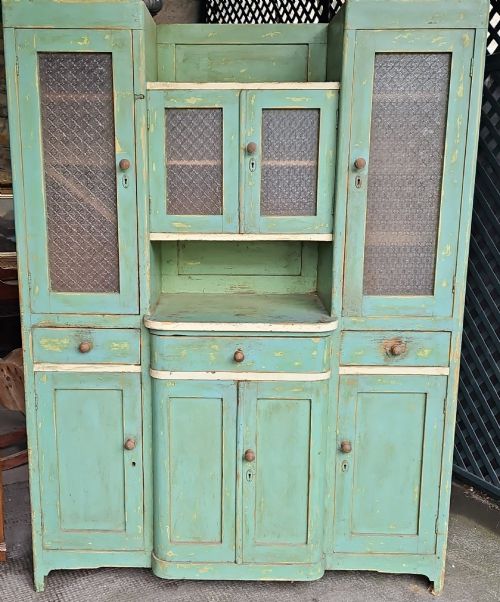
Surfaces often retain their original paint, wax, or polished patinas developed through generations of domestic application. Structural assembly prioritized stability and load-bearing capacity for heavy crockery and provisions.
The listings span the eighteenth and nineteenth centuries, utilising native timbers like oak, pine, fruitwood, chestnut, ash, elm, and walnut.
Judging quality in provincial furniture
Quality in a french country kitchen dresser rests on the integrity of the timber selection and the retention of original surfaces. Pieces that retain their early hardware, unaltered panelling, and untouched patinas command greater appreciation.
Proportion and scale dictate the visual balance of the lower cupboards relative to the upper display sections. Skilful hand-carving and careful joinery separate standard utility pieces from finer provincial commissions.
The French Country Kitchen Dresser Glossary
- Buffet deux corps
- A two-part storage piece featuring a lower cupboard base surmounted by a separate upper cabinet. This configuration provided maximum storage for household provisions and crockery in rural homes.
- Vaisseliere
- A traditional open-backed dresser specifically designed for displaying plates and serving dishes. The upper shelves often incorporate plate grooves to keep display items secure.
- Fruitwood
- Timber sourced from fruit-bearing trees such as cherry, pear, or apple, utilised by provincial cabinetmakers for its dense grain and warm tone. It was often worked alongside native oak and chestnut.
- Patina
- The surface sheen and colour acquired by wood and metal through age, handling, and repeated waxing. This finish is valued as an indicator of authenticity and long use.
- Provincial
- Describing items made in the regions outside major metropolitan design centres. These pieces reflect local tastes, traditional methods, and available regional materials.
French Country Kitchen Dresser: Frequently Asked Questions
How do I clean a wooden dresser?
Dust surfaces regularly with a soft, dry cloth to prevent dirt accumulation in the grain. Apply a traditional beeswax polish occasionally to nourish the timber and maintain the patina.
Avoid modern liquid silicone sprays or harsh chemical cleaners which can damage historical wax or paint finishes. Keep timber furniture away from direct heat sources and dramatic humidity fluctuations.
Were these dressers made in sections?
Many larger examples, particularly the buffet deux corps designs, were constructed in two distinct sections for transport and installation. The upper display cabinet rests securely upon the heavy lower cupboard base.
This modular construction made it easier for rural households to move heavy furniture between properties. When positioning these pieces, ensure both sections align correctly on level flooring.
What is the difference between oak and pine pieces?
Oak items generally offer greater structural weight, density, and resistance to heavy wear over centuries. Pine and fruitwood versions provide a lighter visual presence and often showcase softer rural paint finishes.
Both timbers served domestic needs equally well, though oak was typically selected for grander or more permanent farmhouse furniture. The choice between them depends upon the desired room aesthetic and weight requirements.
Can I use a dresser in a modern kitchen?
These pieces integrate well into contemporary spaces by offering substantial storage and display capacity for modern tableware. Their traditional proportions anchor open-plan living areas and introduce historic character.
Ensure adequate wall clearance and measure ceiling heights carefully before introducing tall two-part cupboards to a room. The deep lower shelves accommodate modern appliances while upper plate racks display everyday ceramics.