


Antique French Hutch
These antique french hutch pieces bring enduring rustic character and practical storage to a room through centuries of traditional regional craftsmanship.
Antique French Hutch
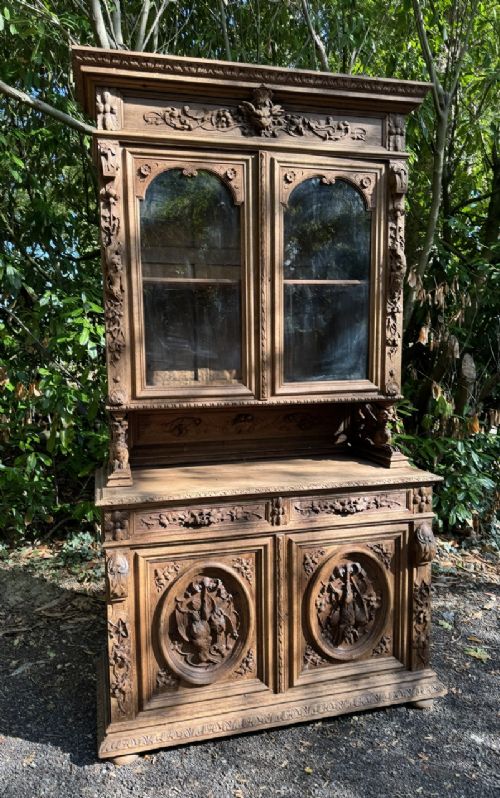
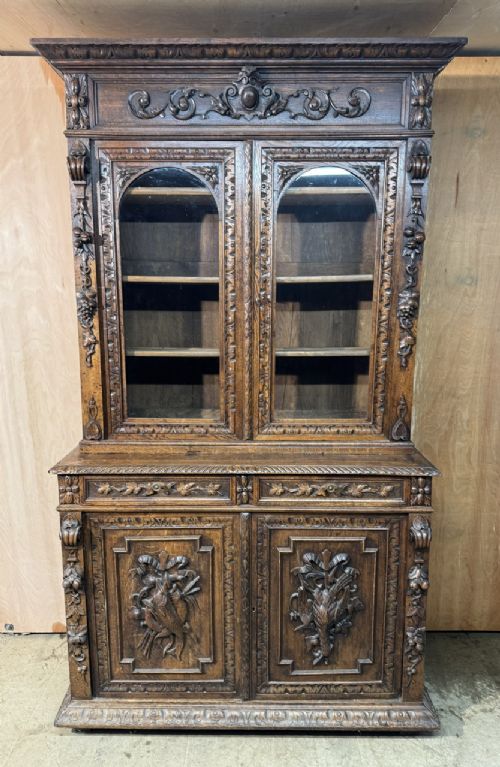
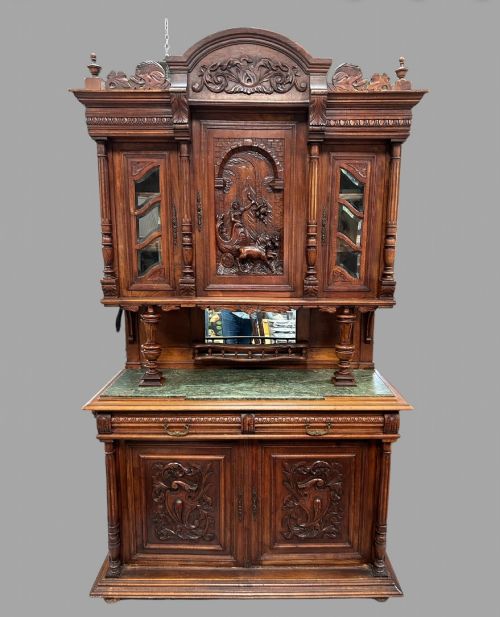
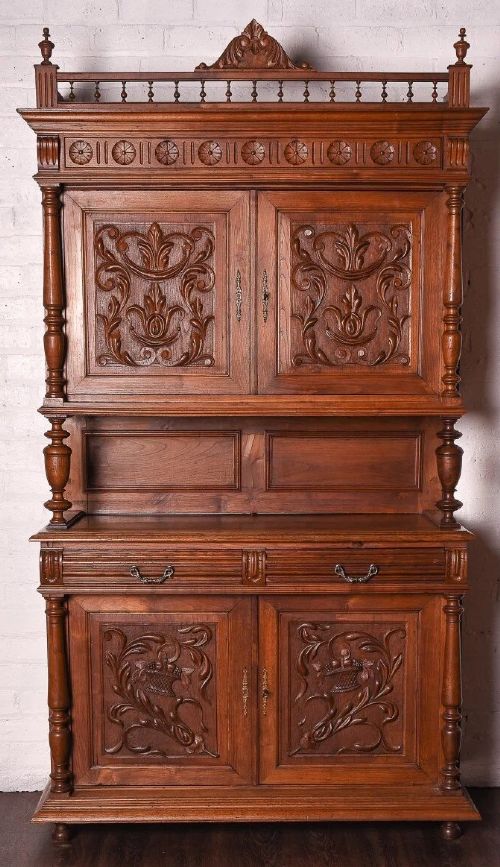
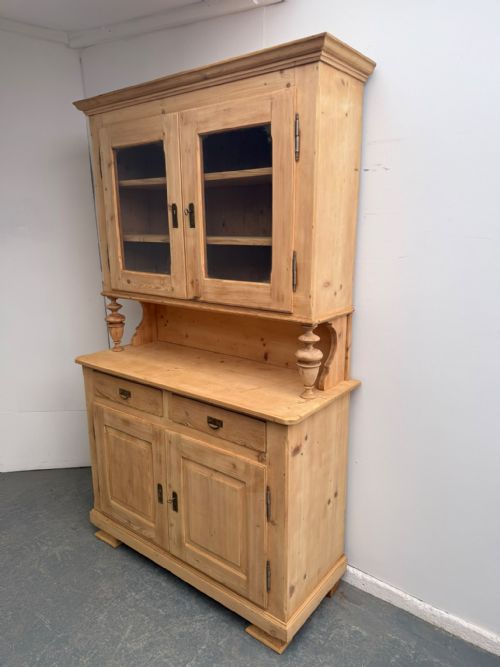
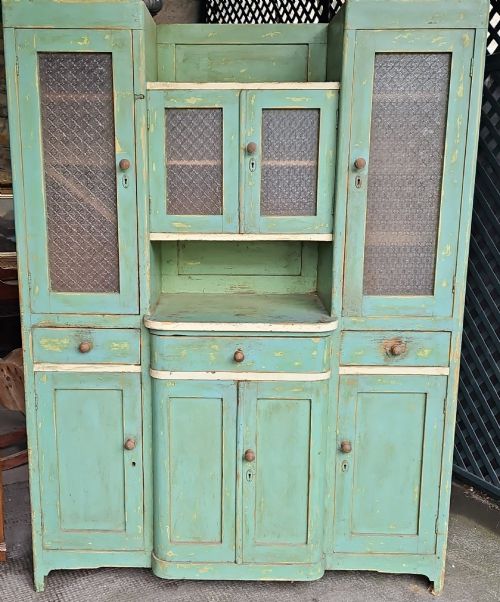
When you search for an antique french hutch, you are looking at substantial storage furniture originating from various French regions and eras. The selections here encompass sturdy kitchen cupboards, grand dressers, and carved game cabinets designed for domestic utility.
You are most likely to meet nineteenth-century walnut and pine examples on this page, often reflecting provincial or country styles. These range from simpler painted pine kitchen dressers to intricately carved hunting cabinets in oak.
Earlier periods also appear, represented by eighteenth-century cherrywood and walnut dressers alongside sixteenth-century gothic cupboards. Each form displays the regional characteristics of its maker, from Breton motifs to rustic country vernacular.
Materials and construction
These items are constructed primarily from regional timbers such as oak, walnut, cherrywood, and pine, reflecting the native woods available to provincial makers. Master carpenters joined panels using traditional framing methods to ensure durability across heavy-use domestic furniture.
Surface ornamentation relies on hand-carving in woods like oak and walnut, alongside painted finishes on pine versions. Additional hardware in brass and iron provides structural reinforcement and functional closure for doors and drawers.
Several pieces feature carved hunting scenes where wooden game birds and hares perpetually peer out from kitchen cabinet doors.
Distinguishing quality
The distinction between standard utility items and superior examples lies in the depth and execution of the hand-carved detail across the panels and cornices. Pieces featuring sophisticated regional motifs or rich walnut grain command greater appreciation than simpler utilitarian pine versions.
Construction integrity also separates pieces, with well-preserved two-part carcases retaining their original proportions and hardware showing superior joinery. The harmony between the timber selection, decorative carving, and original surface finish determines the standing of each cabinet.
The Antique French Hutch Glossary
- Buffet a Deux Corps
- A tall two-stage storage cupboard featuring an upper and lower section, typically enclosed by doors. This form served as a primary storage piece in traditional French dining rooms and kitchens.
- Buffet Vaisselier
- A traditional regional cupboard or dresser designed specifically for storing and displaying tableware. The upper open shelves or glazed compartments complement the enclosed storage below.
- French Provincial
- A style originating from regional French cabinetmakers working outside Paris. It adapts urban decorative trends into sturdier, locally interpreted domestic furniture.
- Breton
- A distinctive regional style originating from Brittany, characterised by dense figurative carving and folkloric motifs. These cabinets often incorporate traditional local iconography into their structural woodwork.
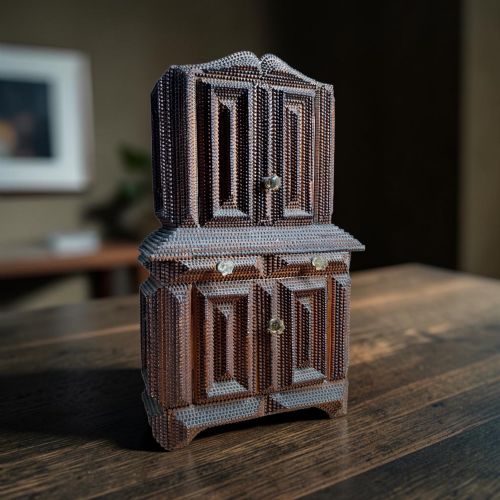
- Tramp Art
- A form of folk art created by itinerant workers using simple hand tools to notch and layer salvaged wood. Such pieces display intricate geometric relief work across the surface.
Antique French Hutch: Frequently Asked Questions
What is a french hutch used for?
These pieces were originally built to store tableware, dry goods, and hunting provisions in traditional kitchens and dining spaces. Today they serve as prominent storage cabinets and display units in domestic interiors.
Their substantial shelving and enclosed lower cupboards provide practical organisation while adding historical texture to modern rooms.
How do I date an antique hutch?
Dating relies on examining the timber species, construction joinery, and stylistic details characteristic of specific centuries. Eighteenth-century examples often feature pegged frame-and-panel construction in walnut or cherrywood.
Nineteenth-century pieces frequently display heavier Victorian revival carving or provincial folk art patterns. Hardware and tool marks further help establish the approximate period of manufacture.
Are these pieces made of solid wood?
The pieces listed here are constructed from solid timbers including oak, walnut, cherrywood, pine, and fruitwoods. Regional cabinetmakers utilised local hardwoods and softwoods for both structural framing and decorative panels.
This solid construction accounts for the considerable weight and durability found across these dressers and cupboards.
How do I care for antique wood furniture?
Preserving these surfaces requires maintaining stable room humidity and avoiding direct placement near heat sources or strong sunlight. Regular dusting with a soft cloth keeps the wood clean.
Wax finishes benefit from occasional application of traditional beeswax to nourish the timber and protect the original patina over time.