
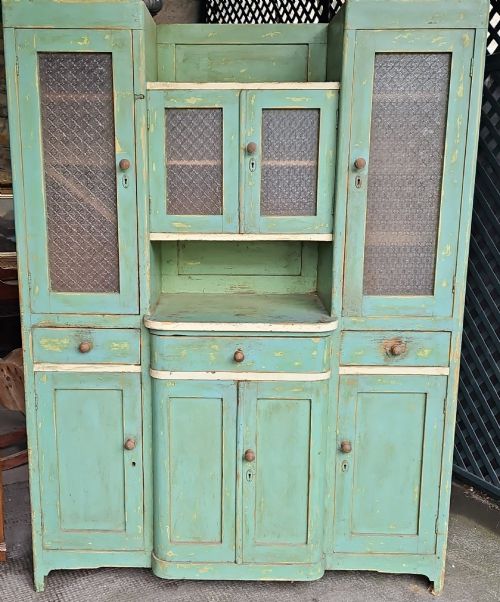


Painted Kitchen Hutch
A painted kitchen hutch offers practical storage while anchoring a room with regional country character.
Painted Kitchen Hutch
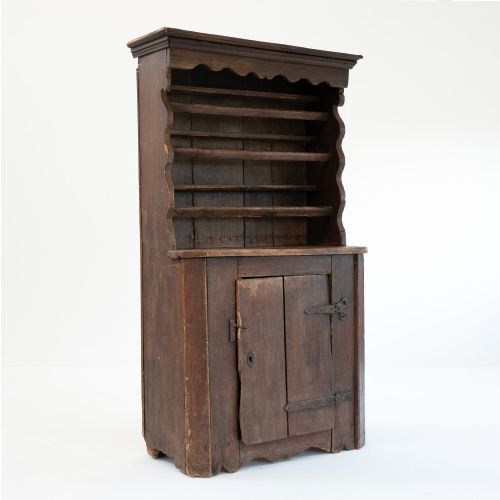
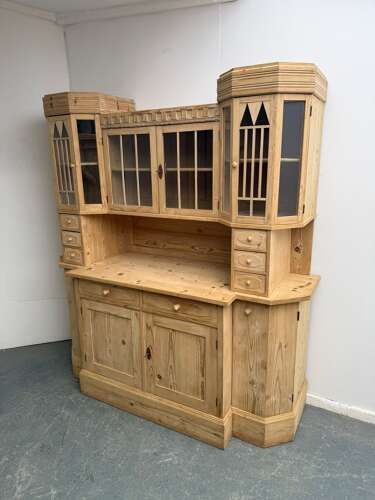
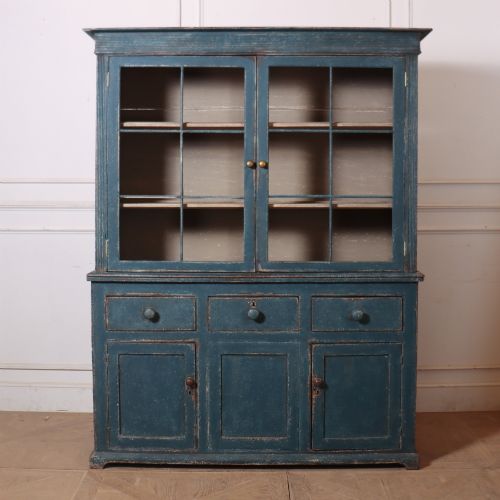
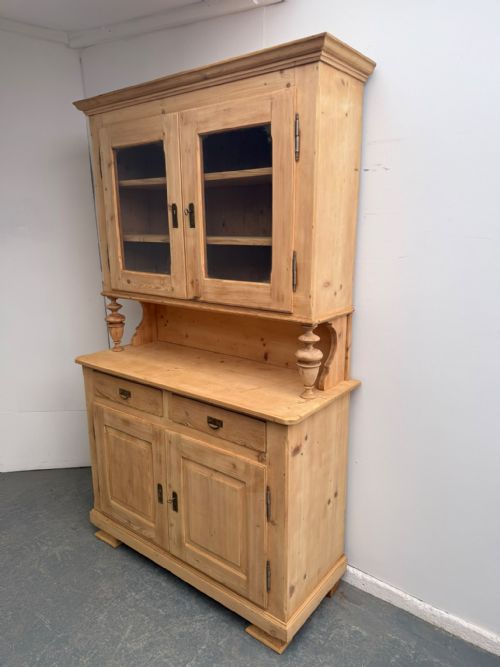
A painted kitchen hutch, appearing across this page in forms such as kitchen dressers, dressers and buffets, provides functional storage for domestic spaces. These pieces combine lower cabinets with upper display racks or enclosed cupboards.
Examples originate from regional traditions spanning English, Irish, French, Scandinavian, Alpine and Hungarian workshops. Construction dates range from the eighteenth century through the Victorian and Edwardian eras up to the early twentieth century.
How they were made
Carpenters constructed these utility items primarily from solid pine using traditional joinery methods suited to regional workshops. Timber was planed and assembled with pegged joints or dovetails to withstand heavy daily use in domestic kitchens.
Surfaces received layers of lead-based or oil paints, sometimes applied as scrumbled glazes to imitate graining or finished with simple cream and teal pigments. Iron, brass and wrought iron hardware such as hinges and pulls secured doors and drawers.
Glazed upper sections incorporated plain or textured glass panels held by wooden muntins to display crockery while protecting contents from dust.
Early painters used beer to thin their pigments, leaving stubborn country dressers smelling faintly of the tavern centuries later.
What varies in quality
The integrity of the original paint surface determines much of the distinction between examples, with untouched historic layers holding more interest than later overpainting. Surviving regional details, such as distinctive cornice mouldings or specific West Country configurations, indicate the work of skilled local joiners.
Structural robustness depends on the retention of original timber backs, shelves and floorboards without excessive replacement parts. Proportion and scale also vary, from modest small farmhouse cupboards to large breakfront configurations designed for substantial country houses.
The Painted Kitchen Hutch Glossary
- Scrumbling
- A decorative painting technique involving the manipulation of translucent glaze over a lighter base colour to simulate wood grain or texture. This finish appears frequently on nineteenth-century pine furniture.
- Breakfront
- A cabinet design where the central section projects forward from the flanking outer sections. This architectural arrangement adds visual depth to large kitchen dressers.
- Buffet de corps
- A traditional French two-part storage piece featuring a lower sideboard base surmounted by an upper cupboard section. These large storage units served domestic dining areas.
- Rack
- The open upper shelving unit designed to sit atop a dresser base for displaying plates and bowls. Racks often incorporate plate grooves and small spice drawers.
- Alpine Folk Art
- A decorative style originating from mountain regions, characterised by hand-painted motifs and bright regional pigments on pine furniture. Pieces often feature traditional floral or geometric embellishments.
Painted Kitchen Hutch: Frequently Asked Questions
What is a painted kitchen hutch?
A painted kitchen hutch is a traditional storage piece combining a lower cabinet or drawers with an upper rack or cupboard, finished in historic paint.
These pieces served as the central storage and display unit in historic kitchens and dining spaces across different European regions.
How do I date a pine dresser?
Dating relies on examining construction methods, timber preparation, hardware types and the characteristics of the paint layers.
Eighteenth-century examples typically show hand-planed boards and pegged joinery, while Victorian and Edwardian pieces utilise machine-cut timber and different nail construction.
Are the paint finishes original?
Paint finishes vary between untouched historic surfaces, aged patinated layers and later decorative applications intended to refresh the timber.
Close inspection of wear patterns, underlying primer coats and edges helps distinguish original regional paint from modern refurbishment.
How do I clean a painted hutch?
Maintenance requires gentle cleaning with a soft, dry cloth or a slightly damp sponge using mild soap to protect fragile historic paint layers.
Harsh chemical cleaners and excessive moisture should be avoided to prevent stripping the aged pigments and dry surfaces.
Where were these hutches made?
These utility items were produced by local joiners and country workshops across England, Ireland, France, Scandinavia, Hungary and Alpine Europe.
Regional vernacular traditions directly influenced the proportions, mouldings and characteristic colour choices of each piece.