
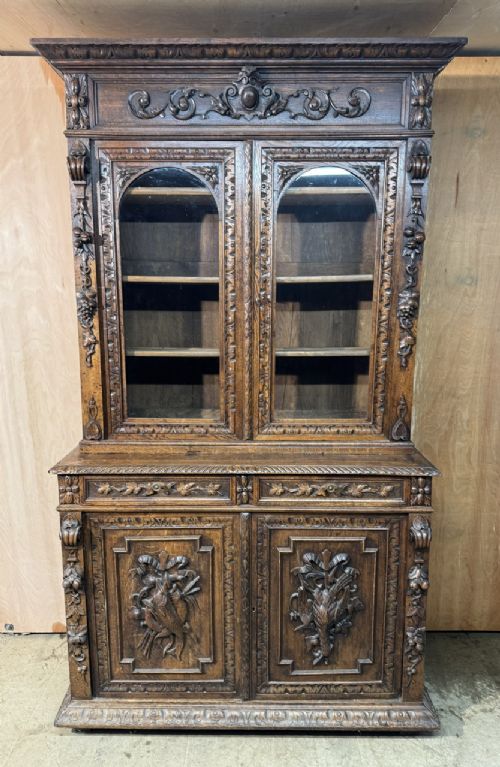
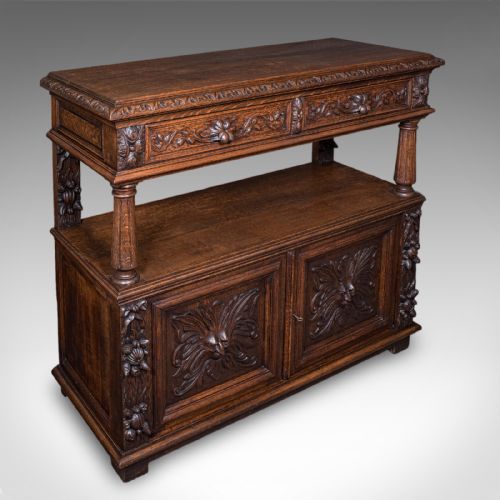
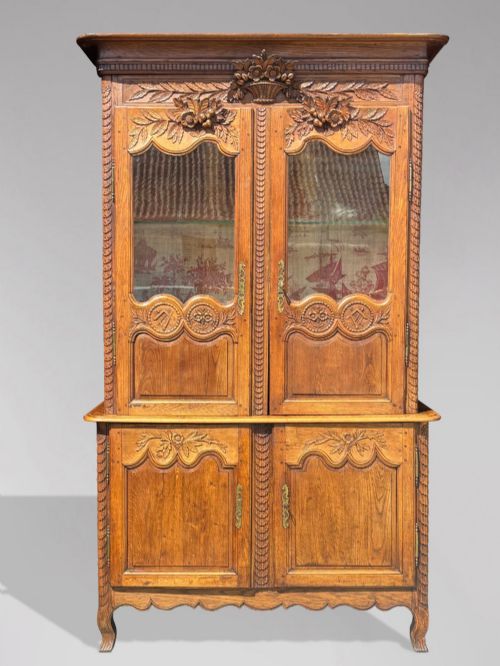
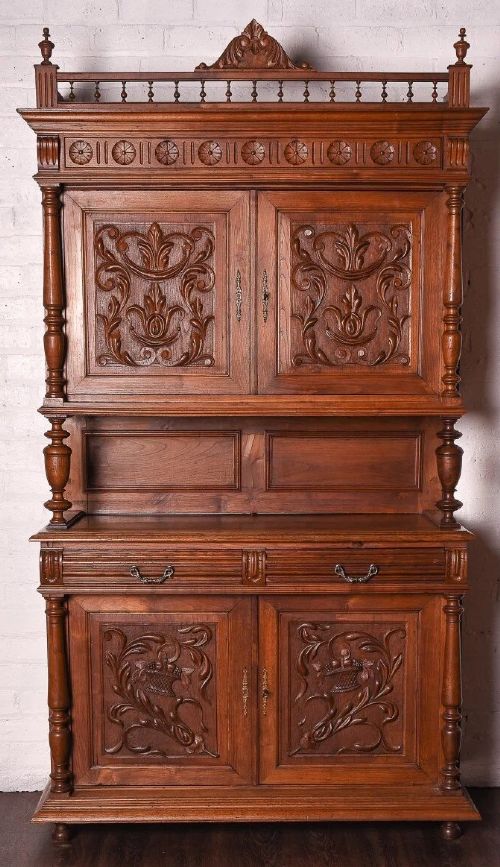




Two Tier Buffet Cabinet
These two tier buffet cabinet examples offer substantial storage and grand proportions, originating from centuries of fine dining traditions.
Two Tier Buffet Cabinet
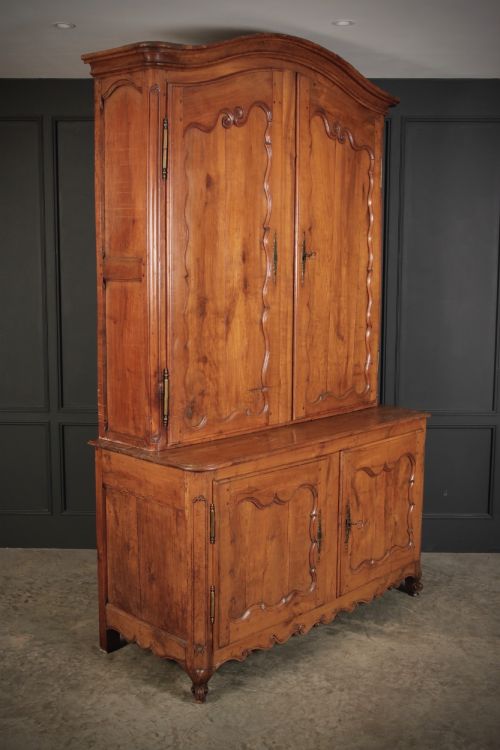
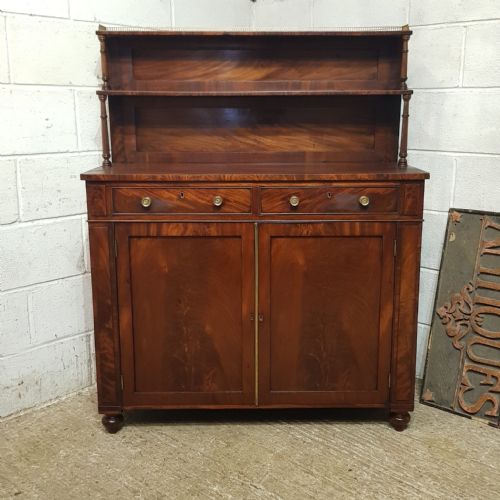
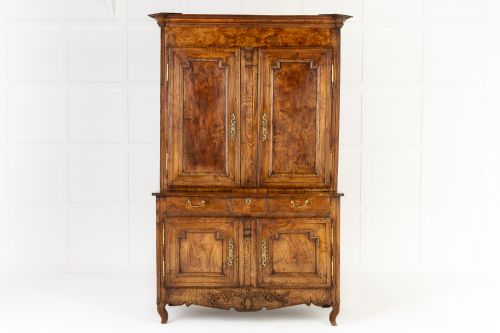
A two tier buffet cabinet provides dual levels of display and storage, appearing predominantly as imposing oak and walnut pieces from the eighteenth and nineteenth centuries. These items serve dining rooms and living spaces by combining lower cupboards with upper tiers or shelving.
The selection ranges from French buffet deux corps and large cupboards to Victorian mahogany servers and sideboards. Regional European styles dominate, including French provincial designs, Gothic revival pieces, and Spanish works.
Buyers encounter substantial double-bodied furniture constructed for heavy domestic use, featuring panelled doors, carved ornamentation, and deep shelving compartments. The forms reflect centuries of practical dining room storage requirements.
Distinctions in quality and finish
Quality rests in the selection of timber, the depth and crispness of hand-carved ornamentation, and the integrity of the original construction. Pieces featuring figured burr walnut, finely carved panels, and original brass fittings demonstrate superior craftsmanship.
Proportion and balance define the better examples, where upper and lower sections integrate harmoniously rather than appearing mismatched. Superior regional examples exhibit careful timber matching and robust, enduring joinery.
Common regional forms include French buffet deux corps, Scottish servers, and Spanish cabinets alongside English sideboards.
James Shoolbred and Co·Gordovil Spain
The Two Tier Buffet Cabinet Glossary
- Buffet deux corps
- A traditional two-tiered large cabinet featuring an upper section seated upon a lower cupboard base, commonly seen in French and continental traditions.
- Chiffonier
- A compact sideboard or cabinet featuring shelves or drawers, popular during the Regency period for holding serving items.
- Burr walnut
- A highly prized wood veneer showing intricate, swirling grain patterns created from tree growths, utilised on select Victorian and nineteenth century cabinets.
- Gothic Revival
- An architectural and decorative style drawing on medieval forms, frequently expressed through pointed arches and heavy carved oak details.
- Dumbwaiter
- A serving piece or tiered stand designed to hold dishes and drinks near a dining table during meals.
Two Tier Buffet Cabinet: Frequently Asked Questions
What is a two tier buffet cabinet used for?
These cabinets provide extensive storage for dining ware, glassware, and household provisions across their upper and lower compartments. The surfaces also serve staging areas during meals or display platforms for decorative objects.
Historically, the upper tiers held display items while the enclosed cupboards secured valuable tableware and linens away from dust.
How do I date a antique buffet?
Dating relies on identifying the prevailing timber choices, construction techniques, and stylistic revival markers present in the woodwork. Eighteenth century pieces often show hand-cut joinery and regional European regional traits, while Victorian examples introduce heavy mahogany and specific factory stamps.
Examining the back panels, drawer linings, and hardware fixings helps determine whether a piece belongs to the eighteenth century, the Regency era, or the Victorian period.
Are these cabinets suitable for modern dining rooms?
Their grand proportions make them striking anchor pieces in contemporary dining spaces, hallways, or spacious living rooms. They offer practical capacity for modern storage needs while bringing historical character to an interior.
Ensure you measure ceiling heights and floor space carefully, as pieces like the buffet deux corps and large dressers command significant room.
What woods are most common?
Oak and walnut appear frequently across continental and French provincial pieces, alongside mahogany in nineteenth century English designs. Cherry, pine, chestnut, and ash also feature in regional cupboards and larder units.
Finishes range from natural waxed grain and polished mahogany to burr walnut veneers and original painted surfaces.