
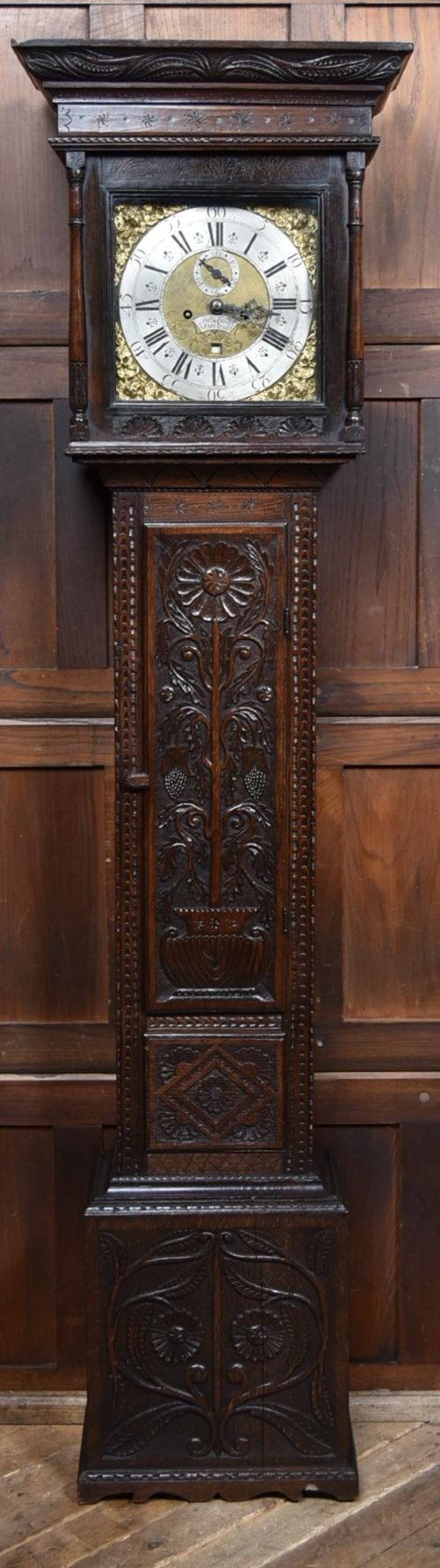


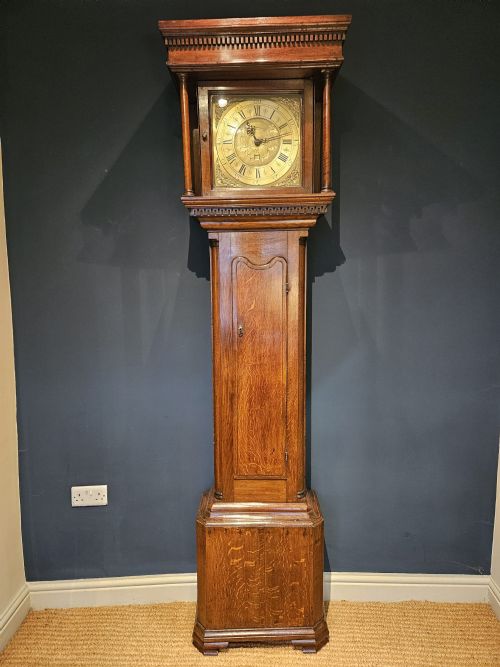


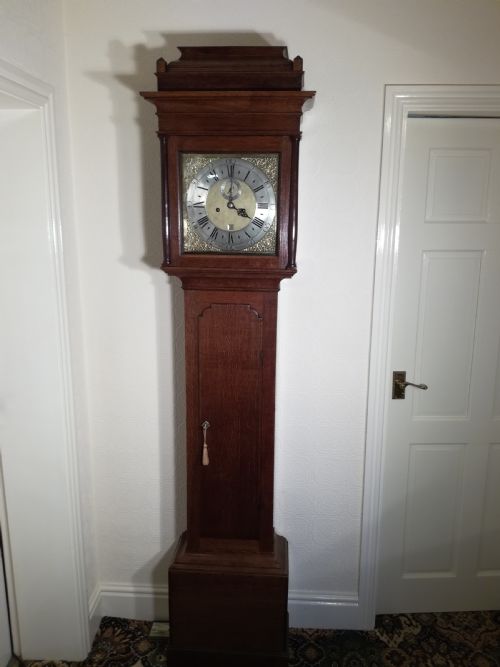
Provincial Longcase Clock
These provincial longcase clocks are solid country timekeepers built by regional makers, offering a tangible connection to historical British domestic life.
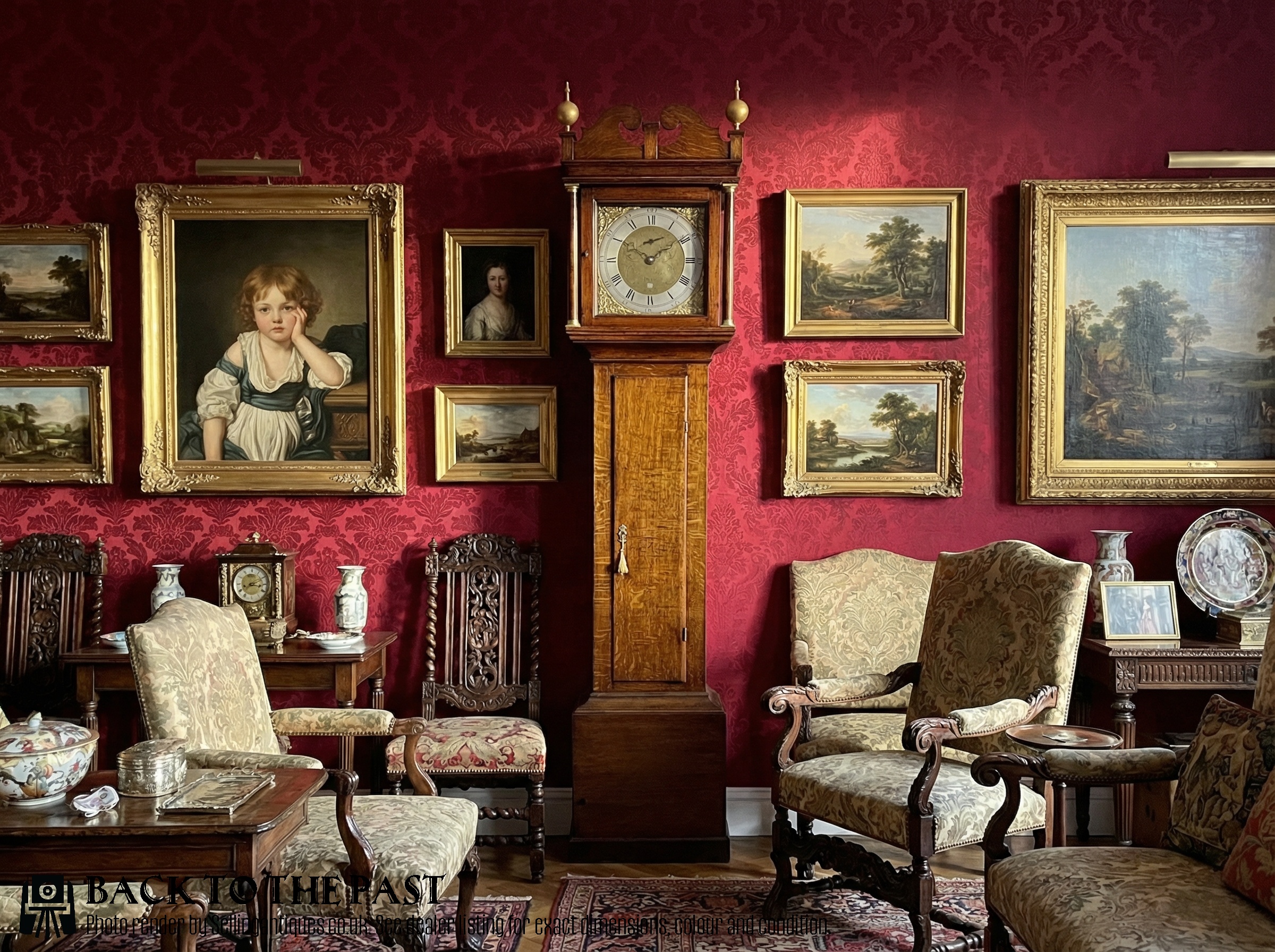
Provincial Longcase Clock
When you search for provincial longcase clock, you are looking at tall floor-standing timekeepers made outside of London by regional craftsmen. The examples you are most likely to meet on this page date from the Georgian and 18th century periods.
Most pieces take the form of tall wooden cases housing weights and a pendulum, often referred to as grandfather clocks. These objects served as the primary timekeeper for the household, combining practical utility with the maker's local craftsmanship.
Origins span various regional centres across Britain, from Scottish towns to English market towns and counties like Norfolk and Cheshire. These clocks reflect the local tastes and available materials of the areas where they were produced.
How They Were Made
Cases were constructed predominantly from native timbers such as oak, mahogany, fruitwood, and pine, occasionally enhanced with painted finishes. Woodworkers relied on traditional joinery techniques to build durable enclosures that protected the delicate movements within.
Movements feature brass and iron components, often incorporating thirty-hour or eight-day mechanisms designed to run reliably. Dials were inscribed or painted by regional clockmakers, marking hours and minutes with local pride.
Provincial Longcase Clock Retail Price Guide 2026
Typical asking prices for provincial longcase clock among the pieces listed under this phrase on Sellingantiques today, from the lower quarter to the upper quarter. They describe what is for sale here now, not the wider market.
Some provincial makers proudly spelled their town names with charming local abbreviations directly onto the dial.
What Varies in Quality
The sophistication of the movement and the complexity of the dial mechanism set different standards across the range. Simple thirty-hour movements contrast with more complex eight-day versions or dials featuring rolling moon phases.
The choice of timber and the quality of the case carpentry also separate the sturdier country pieces from finer regional cabinetwork. Secondary woods and the crispness of dial engraving reflect the skill and investment put into the clock's creation.
Jn Smith Macclesfd·Ninian Davidson of Dunse·John Salmon Nantwich·Stanyer Nantwich·Samuel Buxton Diss·James Draycot Wells·Richard Midgley of Halifax·John Welsh Luton·Thomas Snow Knaresborough·Lewis of Wincanton
The Provincial Longcase Clock Glossary
- Longcase clock
- A tall pendulum clock enclosed in a wooden case resting on the floor. These pieces are commonly known as grandfather clocks.
- Thirty-hour
- A movement requiring manual winding once a day. This simpler mechanism was typical of many country clocks.
- Eight-day
- A movement requiring winding once a week. This required more sophisticated gearing within the clock.
- Rolling moon
- A mechanism on the dial displaying the phases of the moon. This feature added visual complexity to the clock face.
Provincial Longcase Clock: Frequently Asked Questions
How often do these clocks need winding?
Most provincial longcase clocks operate on either a thirty-hour or an eight-day cycle. The winding frequency depends entirely on the specific movement built into the clock.
Simpler country pieces often require daily attention, while others need winding only once a week. Check the movement type to understand the maintenance routine required.
Where were these clocks made?
These clocks were produced in towns and villages across Britain, well outside the major workshops of London. Regional makers signed dials with their home towns, ranging from Scottish burghs to English market towns.
Local cabinetmakers built the wooden cases using regional timbers available to them. This geographic diversity gives each clock a distinct local character.
What is the difference between oak and mahogany cases?
Oak was the standard timber for earlier and more rural provincial clocks, offering a robust and sturdy appearance. Mahogany appeared more frequently as trade expanded and tastes shifted toward darker, polished hardwoods.
Both woods were selected for their durability in housing tall movements. The timber often reflects the period and region in which the clock was constructed.
How do I fit a longcase clock in a room?
These clocks require a stable floor and sufficient vertical clearance to accommodate their tall wooden cases. Most pieces need to be secured safely against a wall to prevent tipping.
Positioning the clock away from direct heat sources helps protect the wooden case and the internal movement. Ensuring the floor is level is essential for the pendulum to swing evenly.