

Provincial Bedside Table
A provincial bedside table brings regional character and practical bedside storage, merging local cabinet-making traditions with intimate domestic use.
Provincial Bedside Table
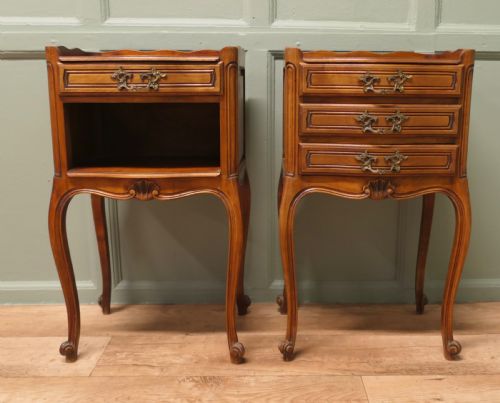
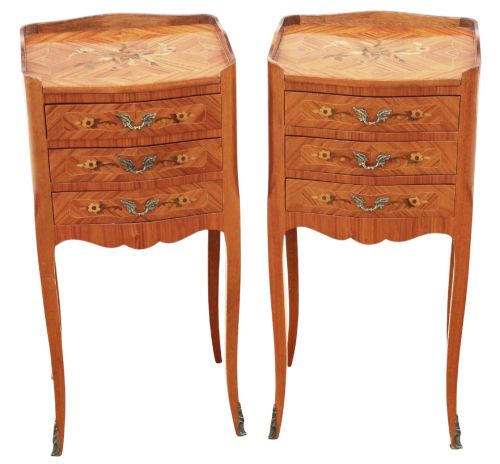
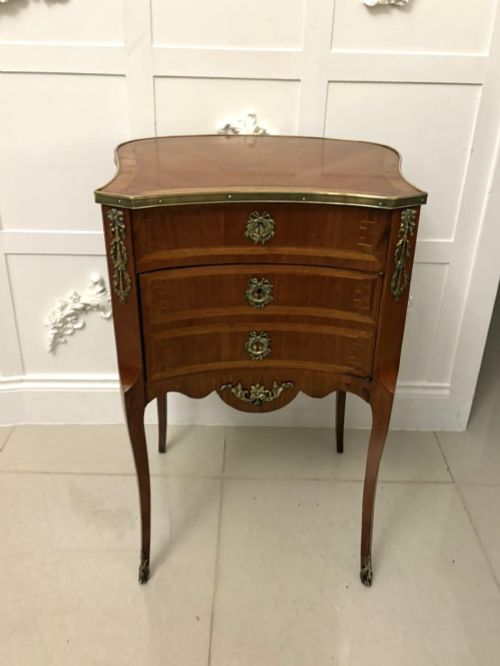
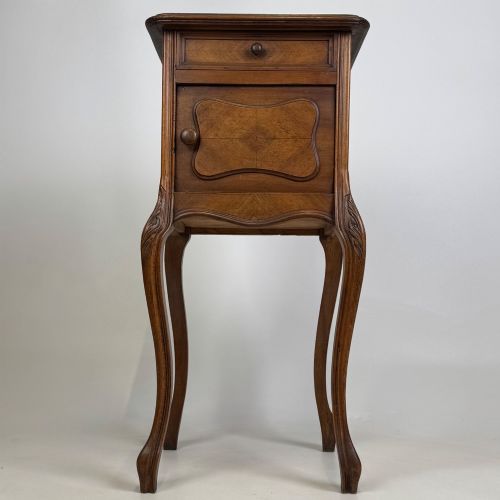
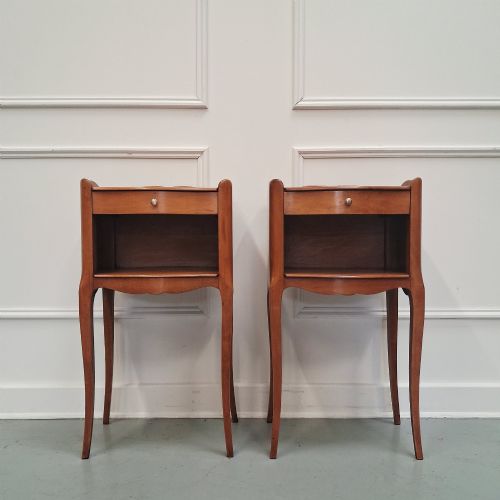
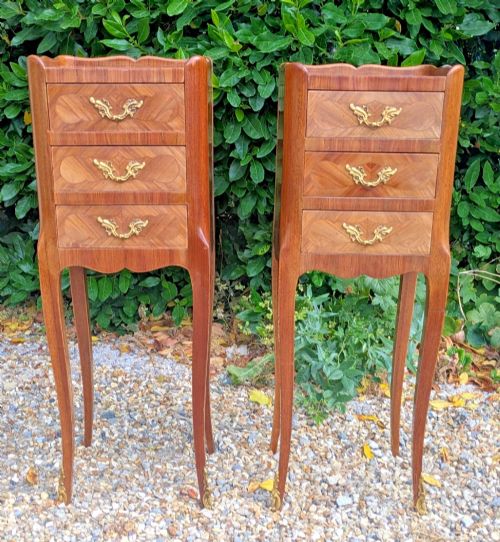
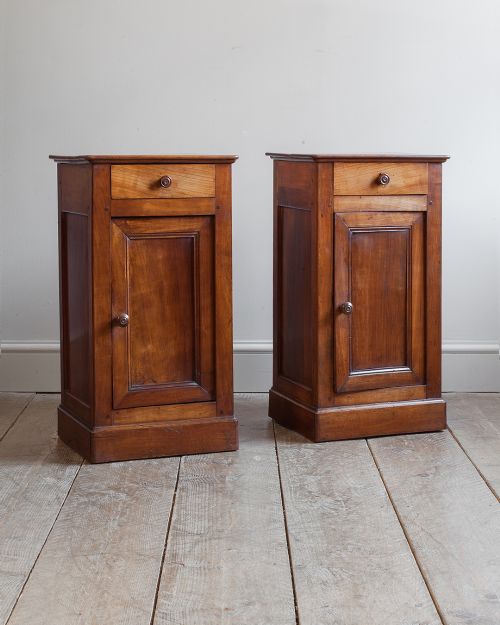
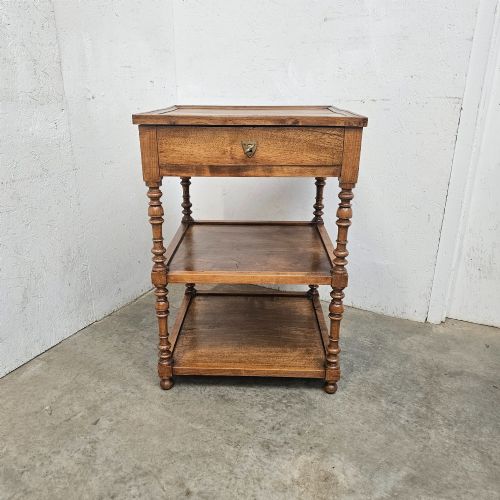
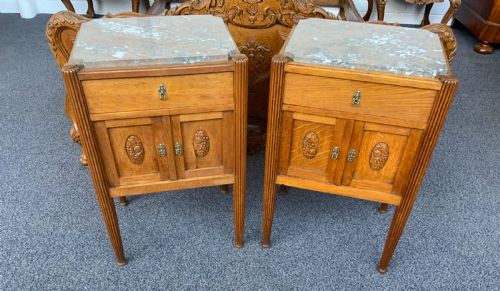
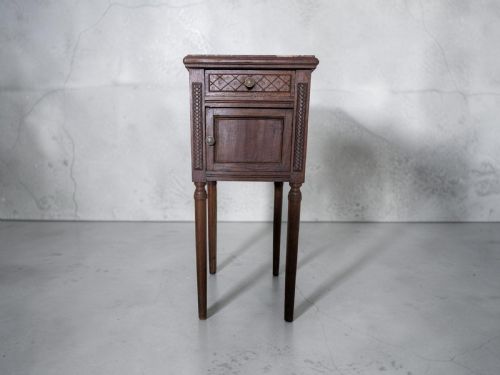
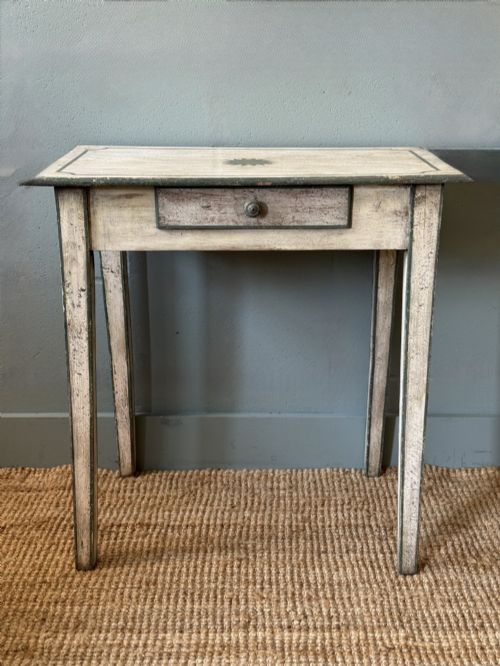
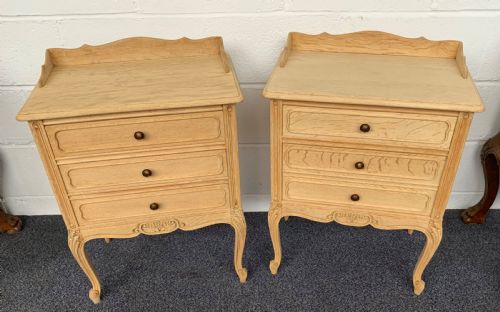
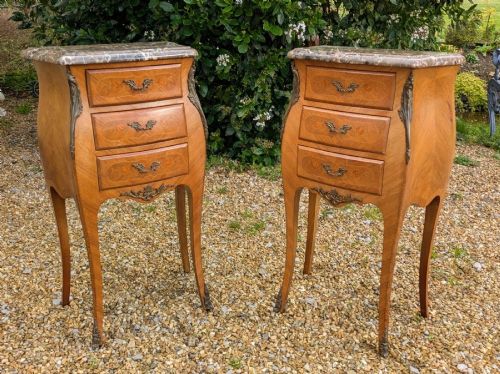
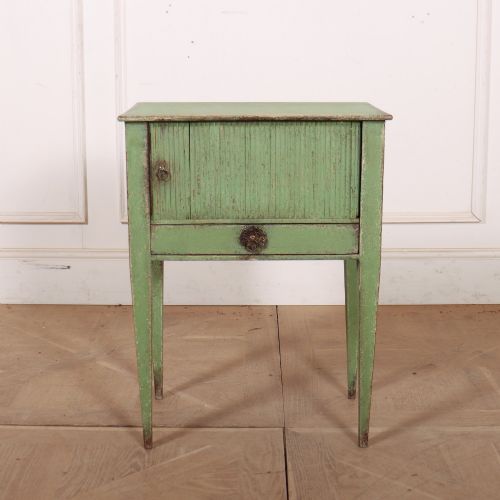
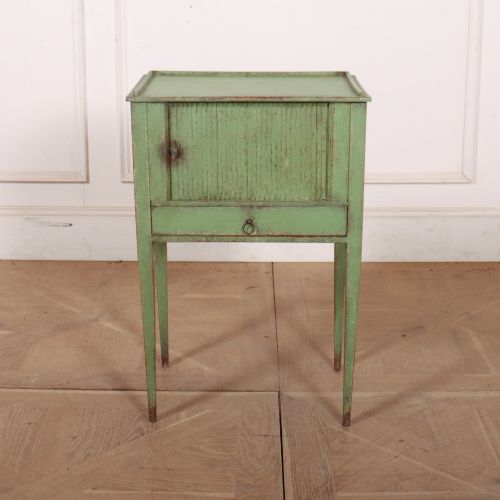
A provincial bedside table serves as a compact domestic cabinet designed for the bedroom, frequently emerging from regional workshops across France, the Netherlands, and England. When searching for a provincial bedside table, buyers typically encounter pieces originating from the nineteenth and early twentieth centuries, spanning periods like the Edwardian era and the 1920s or 1930s. These pieces take various forms, including enclosed bedside cabinets with cupboards, small side tables, marble-topped lamp tables, and diminutive chests of drawers.
The regional aesthetic leans away from metropolitan formality, expressing instead the practical needs of country houses and provincial chateaux. French provincial and Dutch provincial examples dominate this selection, alongside English country pieces, offering sturdy proportions suited to smaller spaces. Buyers frequently find these items offered in pairs, making them practical for balancing either side of a bed.
Materials and construction methods
Cabinet-makers relied heavily on regional timbers such as walnut, oak, cherry wood, and fruitwood, often applying delicate veneers like kingwood or marquetry and parquetry patterns. Many tabletops incorporate polished marble slabs, including Belgian Sainte-Anne marble, which provided a durable, wipe-clean surface resistant to water jugs and chamber pots.
Construction techniques balanced utilitarian strength with decorative flair, utilising turned legs, carved oak panels, and fitted cupboard doors. Workshops employed traditional joinery methods to assemble small chests and lamp tables, occasionally integrating brass handles and mounts to accent the timber.
Listings span from the 1860s through the 1950s, highlighting the enduring appeal of oak, walnut, and marble-topped bedside cabinets.
What separates the finest examples
Quality rests upon the selection of timber and the crispness of regional carving rather than mere age. Finer pieces display carefully matched wood grains, intricate parquetry, and tightly fitted marble tops that sit flush within the wooden frame. Proportion dictates the architectural success of these small items, with superior examples maintaining neat, balanced dimensions that feel intentional rather than cramped.
The Provincial Bedside Table Glossary
- Provincial
- Refers to furniture made outside the capital city, often reflecting local materials and traditional regional craftsmanship rather than courtly fashions.
- Marquetry
- The art of applying pieces of veneer to a structure to form decorative patterns and pictures. Craftsmen selected woods of contrasting colours to create visual depth.
- Marble top
- A slab of polished stone fitted to the upper surface of a cabinet. This provided a heat-resistant and waterproof ledge for washing equipment and bedside accessories.
- Parquetry
- Geometric mosaic woodwork used for ornamenting floors and cabinet surfaces. It relies on regular polygonal blocks to form repeating patterns.
- Bedside cabinet
- A small enclosed piece of furniture featuring a cupboard door or drawers. It was designed to conceal chamber pots and night-time necessities.
Provincial Bedside Table: Frequently Asked Questions
What is a provincial bedside table used for?
These compact pieces provide convenient storage beside a bed, holding lamps, books, and night-time essentials within a small footprint.
Historically, enclosed cabinets also concealed chamber pots and washing gear before modern plumbing became standard in bedrooms.
Are these tables usually sold in pairs?
Many listings feature matching pairs, which suit placement on opposite sides of a double bed.
Single tables also appear frequently, functioning effectively as standalone lamp tables or small side cabinets in tight hallways.
Why do some tables have marble tops?
Marble provided a durable, waterproof surface that protected the underlying timber from spilled water or medicinal jars.
This practical addition remained popular through the nineteenth and early twentieth centuries on bedside cabinets and lamp tables.