





Dutch Painted Furniture
Dutch painted furniture brings lively colour and robust regional character into a room through decorative surfaces applied to timber.

Dutch Painted Furniture
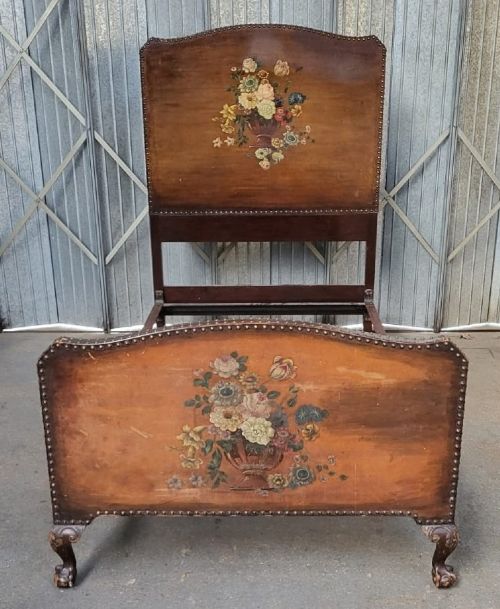
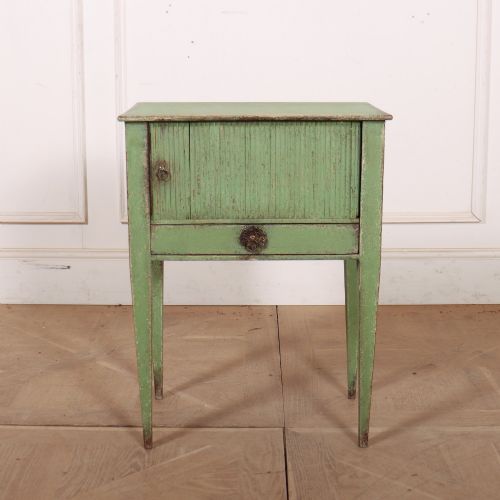
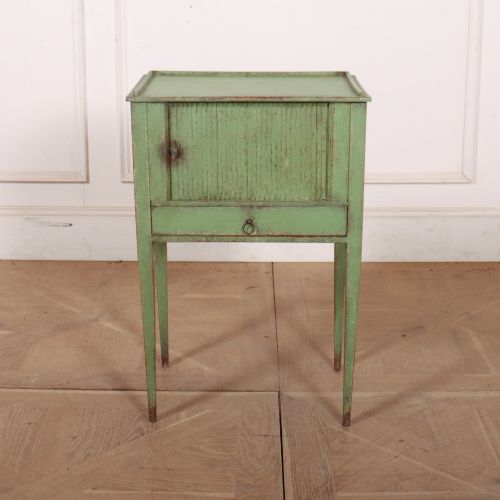
When you search for dutch painted furniture, you encounter practical storage and display items spanning several centuries of domestic life. The selection ranges from substantial commodes and bombes to smaller items like bedside tables, miniature furniture, and spoon racks.
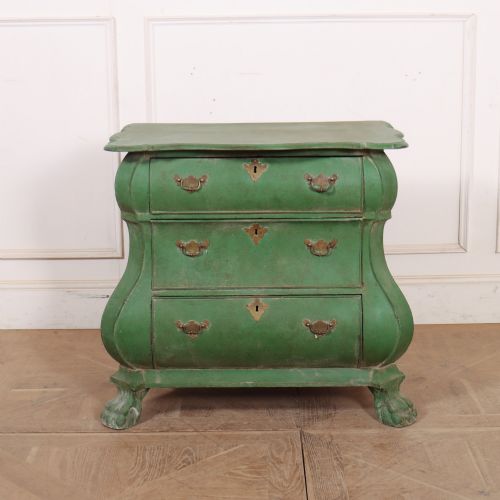
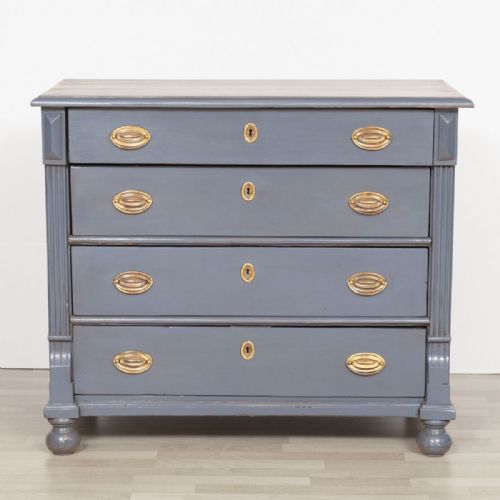
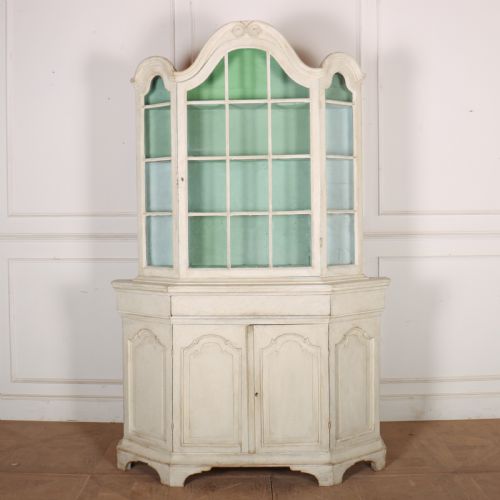
Commodes and chests of drawers dominate the forms, particularly serpentine and bombe shapes characteristic of 18th-century work. Alongside these are vitrines, cupboards, benches, and beds reflecting provincial craftsmanship and regional stylistic revivals.
How they were made
Construction methods rely on traditional joinery suited to provincial workshops and regional cabinetmakers. The application of paint and decorative finishes distinguishes these pieces from standard polished wood furniture of the period.
Dutch Painted Furniture Retail Price Guide 2026
Typical asking prices for dutch painted furniture among the pieces listed under this phrase on Sellingantiques today, from the lower quarter to the upper quarter. They describe what is for sale here now, not the wider market.
Current listings span from the 18th century through the Victorian and Edwardian periods, utilising pine, painted timber, and brass.
What varies in quality
The distinction between tiers rests upon the integrity of the original paint surface and the fluency of the brushwork. Retaining early or original pigment layers elevates a piece above those with later overpainting or stripped finishes.
Proportion and form define the upper tier, particularly in bombe and serpentine commodes where the shaping of the timber demands advanced carpentry. Finer examples display balanced decorative schemes and harmonious integration of hardware like brass pulls and glass panels.
The Dutch Painted Furniture Glossary
- Bombe
- A bulging or swelling contour found on the front and sides of commodes and cupboards. This curved form requires skilled woodworking to achieve the distinctive swollen profile.
- Serpentine
- A furniture front curving outward at the centre and inward at the sides. This rhythmic line appears frequently on 18th-century commodes.
- Vitrine
- A glass-fronted cabinet designed for the display of porcelain, silver, or curiosities. These pieces often feature painted timber frames to complement the interior objects.
- Hindeloopen style
- A traditional folk art painting technique originating from a Friesian town, characterised by colourful floral motifs and detailed scrollwork on wooden items.
- Commode
- A low chest of drawers or cabinet designed for domestic storage. In this context, the form often showcases elaborate painted decoration and shaped facades.
Dutch Painted Furniture: Frequently Asked Questions
How do I identify a genuine period piece?
Authenticating a period piece involves examining the timber substrate, the construction joints, and the layering of the paint surface. Signs of age appear in the wear patterns and the natural oxidation of the underlying wood.
Secondary woods and historical tool marks inside drawers offer further clues to the manufacturing era. Comparing the proportions and decorative motifs with documented regional styles helps confirm the period.
What is a bombe commode?
A bombe commode is a chest of drawers featuring outward-bulging sides and fronts. This dramatic silhouette represents a hallmark of continental furniture design.
Cabinetmakers achieved this shape through careful shaping of thick timber or layered construction. The resulting curved surfaces provide an ideal canvas for decorative painting.
How should I care for painted wooden surfaces?
Preserving painted furniture requires stable indoor humidity and protection from direct sunlight to prevent paint flaking and timber splitting. Dusting with a soft, dry cloth is sufficient for routine maintenance.
Harsh chemical cleaners and modern polishes must be avoided as they can strip or soften historical pigment layers. Professional conservation is advised for any structural repairs or surface consolidation.
What distinguishes provincial pieces from court furniture?
Provincial pieces display a charming independence from strict metropolitan fashions, often incorporating local folk art traditions. The materials used, such as pine, reflect regional availability rather than imported exotics.
Construction may be more robust and straightforward than court furniture, prioritising everyday utility. This local character gives the pieces their distinct personality.