
Porcelain Table Lights
Porcelain table lights bring centuries of ceramic artistry and ambient warmth into a room, spanning delicate French oil lamps and converted Asian vases.
Porcelain Table Lights
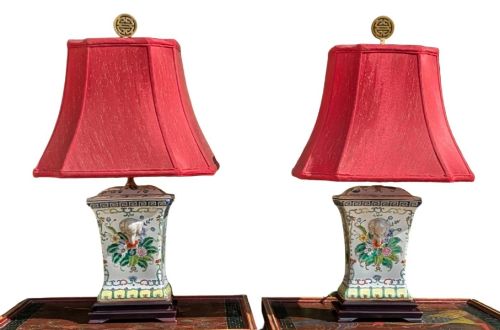
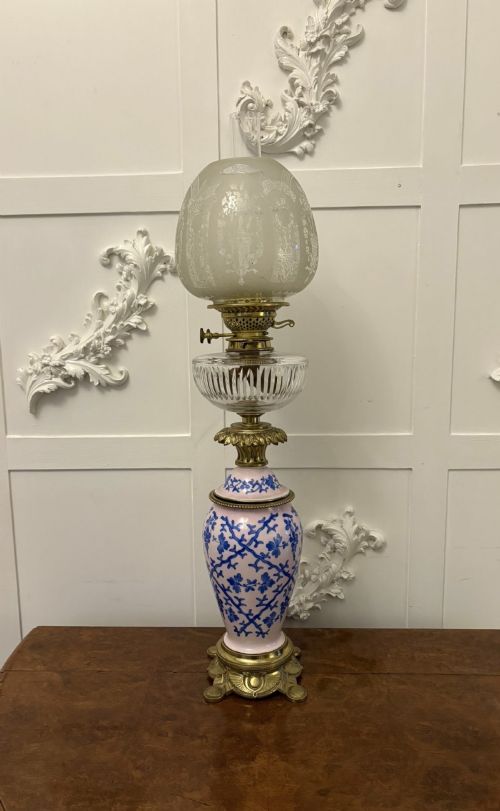
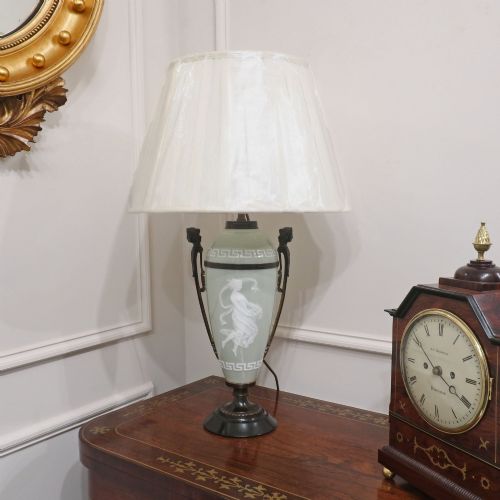
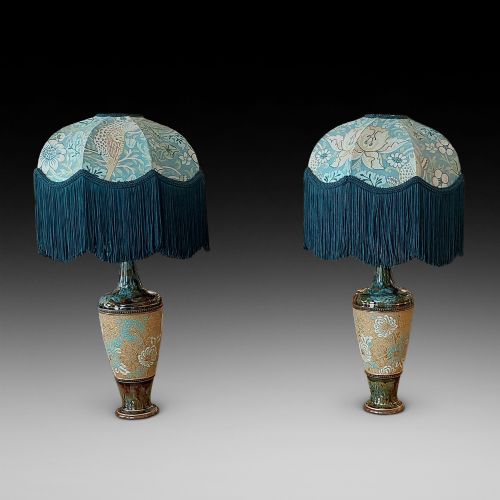
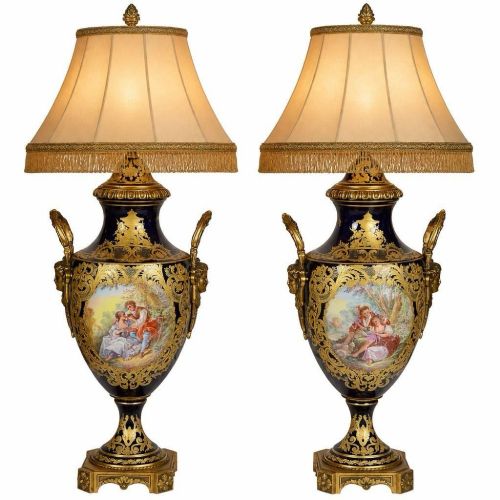
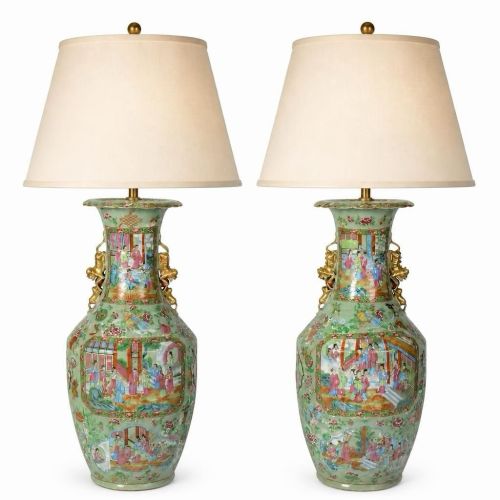
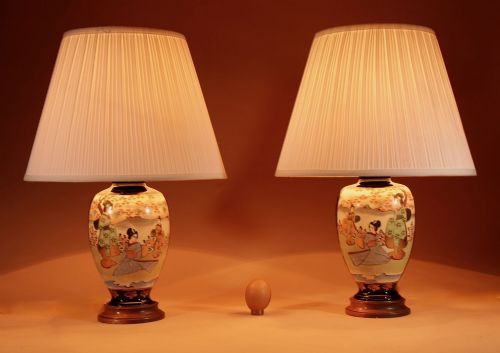
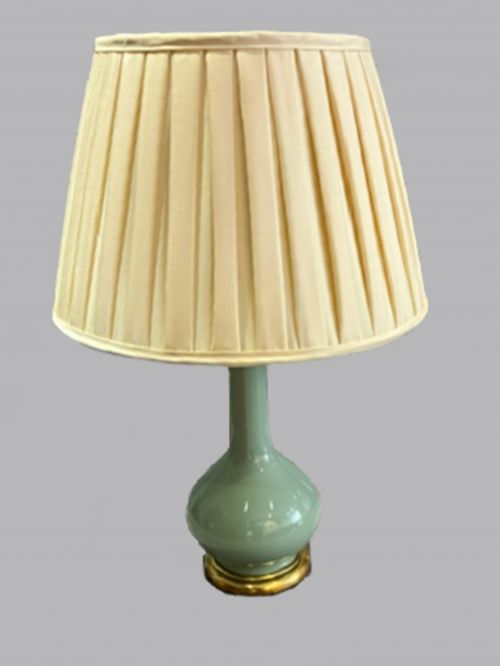
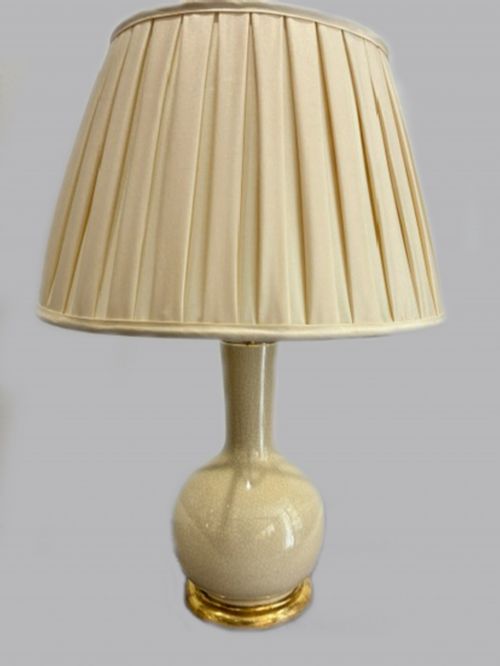
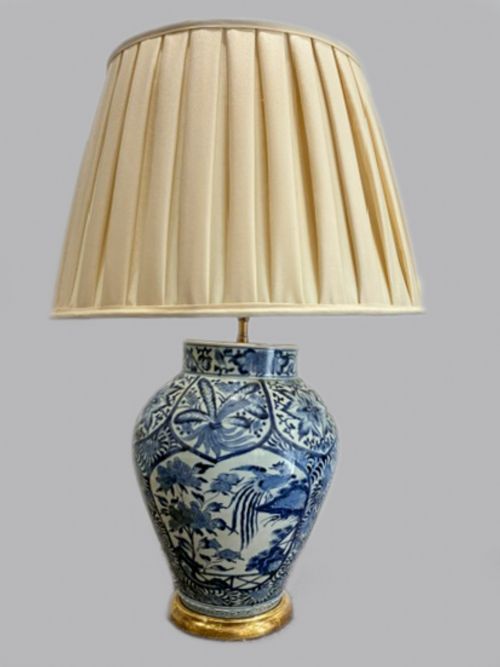
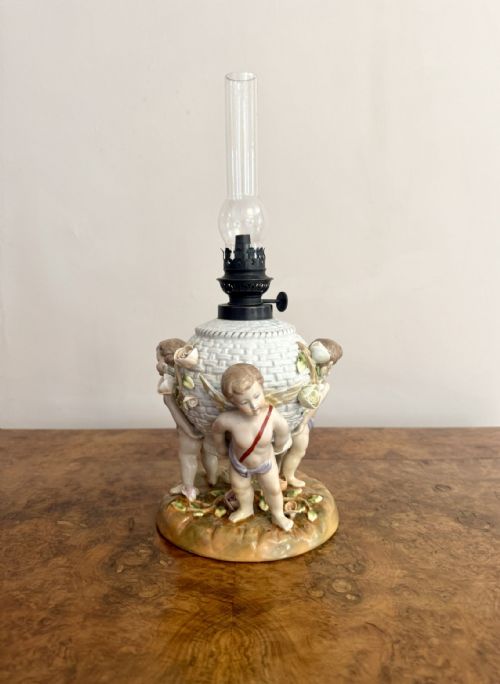
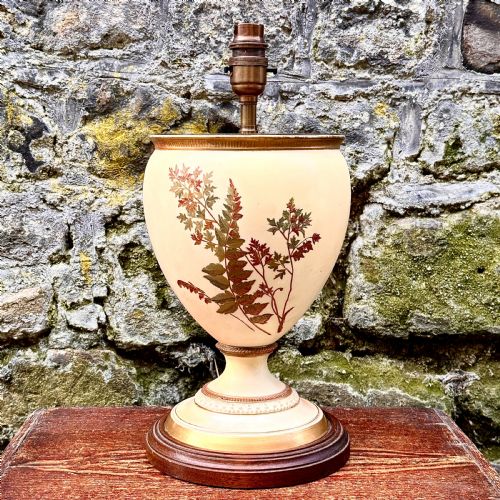
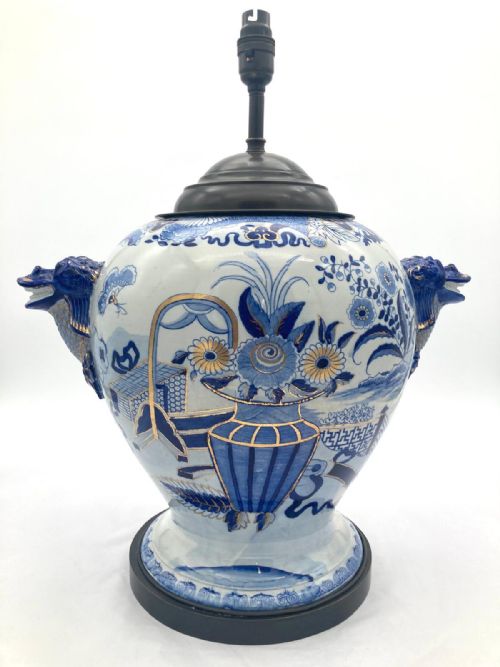
Porcelain table lights bring together centuries of ceramic artistry, utilitarian design, and decorative lighting. When exploring porcelain table lights, buyers encounter everything from converted antique vases and oil lamps to purpose-built Victorian ceramics fitted for electricity. These pieces trace a path through diverse aesthetic traditions, including French Rococo Revival, Japanese Satsuma, and Chinese Export styles.
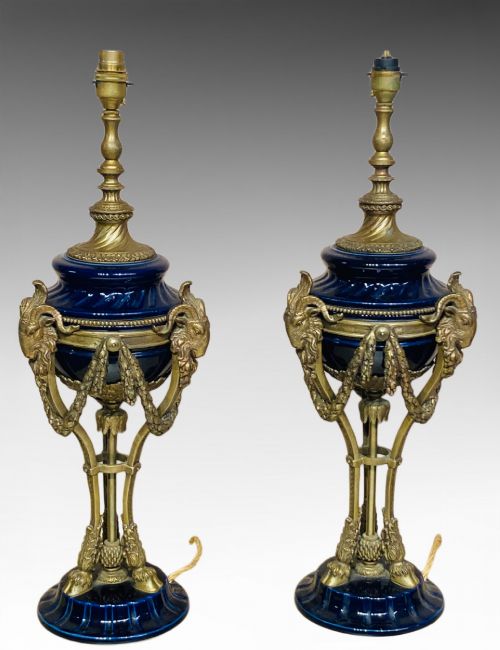
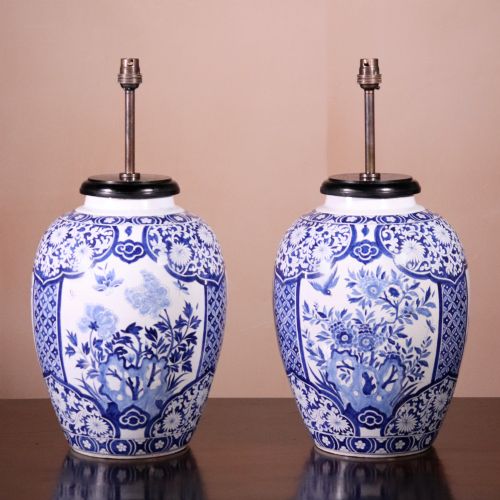
The selection on this page leans heavily toward nineteenth-century European creations alongside converted Asian vessels originating from various dynastic periods. Many examples utilise traditional forms such as ginger jars, vases, and figural sculptures mounted on brass or gilt bronze bases. Buyers find both individual statement pieces and balanced pairs suitable for flanking a sideboard or mantelpiece.
Materials and construction methods
The creation of these objects begins with fine ceramic bodies, which are glazed, painted, and sometimes carved before undergoing high-temperature firing. Many pieces feature intricate hand-painted motifs, such as pate sur pate layering or traditional blue and white underglaze decoration. European and Asian porcelain bodies alike demonstrate immense technical skill in holding complex sculptural forms.
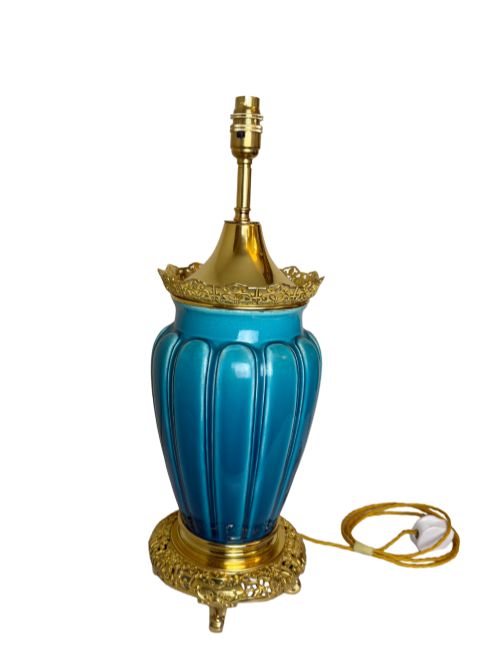
Metal mounts in brass, ormolu, and gilt bronze provide structural support and aesthetic contrast to the ceramic components. These metal elements are frequently cast and chased, securing the porcelain body to a sturdy base while accommodating historical oil burners or modern electrical fittings. Fabric shades often complete the assembly, softening the light cast by the ceramic base.
German kilns once produced porcelain lamps shaped as faithful Spitz dogs and wise owls to peer through the evening gloom.
Markers of quality and craftsmanship
Quality rests in the crispness of the porcelain moulding, the refinement of the hand-painted details, and the weight of the metal mounts. Superior pieces display meticulous brushwork and secure, well-integrated bronze or brass fittings that complement the ceramic body rather than overpowering it. The depth of the glaze and the clarity of colours distinguish workshop production from mass manufacturing.
Conversion history also plays a role in how a piece is judged by collectors. Vases and jars adapted into lighting fixtures maintain their original artistic integrity when the conversion respects the ceramic body without causing excessive damage. Matching pairs demonstrate an elevated level of original design and preservation compared to assembled or mismatched pairs.
Royal Worcester·Sitzendorf·Karl Ens·Anton Buschelberger·Hicks and Meigh
The Porcelain Table Lights Glossary
- Pate sur pate
- A French ceramic technique where liquid clay is applied layer by layer in low relief onto a coloured ceramic body. This builds up a translucent design resembling a cameo.
- Ormolu
- Gilt bronze mounted on decorative arts, providing a golden surface finish. It is often cast and chased to frame porcelain bodies.
- Celadon
- A term for ceramics denoting a pale green glaze resembling jade. It originates from East Asian kilns and became widely imitated in Europe.
- Famille Rose
- A palette of Chinese porcelain enamels dominated by opaque pink. The style emerged during the Qing dynasty and spread through export trade.
- Satsuma
- A type of Japanese pottery with a crackled ivory glaze decorated with polychrome enamels and gilt. These wares were frequently exported to the West.
Porcelain Table Lights: Frequently Asked Questions
How do I date an antique porcelain lamp?
Dating relies on examining the ceramic paste, glaze characteristics, factory marks, and the style of any metal mounts. Stylistic clues from periods like the Victorian era or Regency also help establish a timeline.
Hardware and wiring methods provide further context, though many older vessels were converted from vases or oil lamps long after their initial manufacture.
Were all porcelain table lights originally made as lamps?
Many examples began life as vases, ginger jars, or oil lamps before being converted into electrical table lights. Vases from Asian dynasties and European factories were frequently adapted for domestic illumination.
Purpose-built ceramic lamps also exist from the nineteenth century onward, often incorporating figural elements or integrated brass and ormolu hardware from the start.
How should I style porcelain table lights in a modern interior?
These lamps function well on sideboards, chests of drawers, or bedside tables where their decorative glazes and metal mounts can catch the light. Pairs offer symmetry for mantels or large console tables, while singular statement pieces draw the eye in smaller spaces.
Matching the shade fabric to the room's textiles helps anchor the lamp's historical aesthetic within a contemporary setting without losing its character.
What is the difference between Chinese export and European porcelain lamps?
Chinese export porcelain lamps typically utilise traditional Asian ceramic forms such as Famille Rose vases or celadon vessels, often mounted on Western bronze or brass bases. These pieces reflect Eastern ceramic traditions traded globally.
European porcelain lights, including those from German and French factories, frequently embrace Revival styles like Rococo or Neoclassical designs, featuring figural scenes and distinct glaze techniques.